
What's inside
What's inside
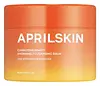 Key Ingredients
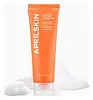
Benefits
Concerns
Ingredients Side-by-side
Ethylhexyl Palmitate
Emollient


Sorbeth-30 Tetraoleate
Emulsifying
Synthetic Wax
Abrasive
Dipentaerythrityl Hexa C5-9 Acid Esters
Skin ConditioningPolyglyceryl-6 Dicaprate
EmulsifyingGlycerin
Humectant


Sorbitol
Humectant
Citrus Aurantium Dulcis Flower Oil
Astringent
Litsea Cubeba Fruit Oil
Masking

Citrus Paradisi Peel Oil
Masking
Citrus Aurantium Bergamia Fruit Oil
Masking
Limonene
Perfuming



Helianthus Annuus Seed Oil
Emollient
Linalool
Perfuming
Sucrose Stearate
EmollientCaprylic/Capric Triglyceride
Masking
Glyceryl Stearate
Emollient
Mentha Viridis Leaf Oil
Astringent
Barosma Betulina Leaf Extract
Perfuming
Beta-Carotene
Skin ConditioningO-Cymen-5-Ol
Antimicrobial
Tocopherol
Antioxidant





Water
Skin ConditioningButylene Glycol
Humectant
Daucus Carota Sativa Root Water
Masking1,2-Hexanediol
Skin Conditioning
Daucus Carota Sativa Root Extract
Skin Conditioning
Daucus Carota Sativa Seed Oil
Emollient
Ethylhexyl Palmitate, Sorbeth-30 Tetraoleate, Synthetic Wax, Dipentaerythrityl Hexa C5-9 Acid Esters, Polyglyceryl-6 Dicaprate, Glycerin, Sorbitol, Citrus Aurantium Dulcis Flower Oil, Litsea Cubeba Fruit Oil, Citrus Paradisi Peel Oil, Citrus Aurantium Bergamia Fruit Oil, Limonene, Helianthus Annuus Seed Oil, Linalool, Sucrose Stearate, Caprylic/Capric Triglyceride, Glyceryl Stearate, Mentha Viridis Leaf Oil, Barosma Betulina Leaf Extract, Beta-Carotene, O-Cymen-5-Ol, Tocopherol, Water, Butylene Glycol, Daucus Carota Sativa Root Water, 1,2-Hexanediol, Daucus Carota Sativa Root Extract, Daucus Carota Sativa Seed Oil
Water
Skin ConditioningGlycerin
Humectant
Palmitic Acid
Emollient
Stearic Acid
Cleansing
Lauric Acid
Cleansing
Myristic Acid
Cleansing
Potassium Hydroxide
BufferingLauryl Hydroxysultaine
CleansingPEG-100 Stearate
Glyceryl Stearate
Emollient
Daucus Carota Sativa Root Water
MaskingBeeswax
Emulsion Stabilising
Sodium Methyl Cocoyl Taurate
Cleansing
Potassium Cocoyl Glycinate
Dipropylene Glycol
HumectantSalicylic Acid
Masking




Sodium Chloride
MaskingHydroxyacetophenone
Antioxidant
Caprylyl Glycol
Emollient
Glycine Soja Oil
Emollient
Butylene Glycol
Humectant
Citrus Aurantium Bergamia Fruit Oil
Masking
Disodium EDTA
Melia Azadirachta Flower Extract
Skin ConditioningOcimum Sanctum Leaf Extract
Skin Conditioning1,2-Hexanediol
Skin Conditioning
Hydroxyethylcellulose
Emulsion StabilisingCupressus Sempervirens Leaf/Nut/Stem Oil
Emollient
Curcuma Longa Root Extract
Masking
Eucalyptus Globulus Leaf Oil
Perfuming
Corallina Officinalis Extract
Skin Conditioning
Daucus Carota Sativa Root Extract
Skin Conditioning
Melaleuca Alternifolia Leaf Oil
Antioxidant
Daucus Carota Sativa Seed Oil
Emollient
Pogostemon Cablin Leaf Oil
Masking
Dipotassium Glycyrrhizate
Humectant
Ethylhexylglycerin
Skin ConditioningBeta-Carotene
Skin ConditioningTocopherol
Antioxidant
Water, Glycerin, Palmitic Acid, Stearic Acid, Lauric Acid, Myristic Acid, Potassium Hydroxide, Lauryl Hydroxysultaine, PEG-100 Stearate, Glyceryl Stearate, Daucus Carota Sativa Root Water, Beeswax, Sodium Methyl Cocoyl Taurate, Potassium Cocoyl Glycinate, Dipropylene Glycol, Salicylic Acid, Sodium Chloride, Hydroxyacetophenone, Caprylyl Glycol, Glycine Soja Oil, Butylene Glycol, Citrus Aurantium Bergamia Fruit Oil, Disodium EDTA, Melia Azadirachta Flower Extract, Ocimum Sanctum Leaf Extract, 1,2-Hexanediol, Hydroxyethylcellulose, Cupressus Sempervirens Leaf/Nut/Stem Oil, Curcuma Longa Root Extract, Eucalyptus Globulus Leaf Oil, Corallina Officinalis Extract, Daucus Carota Sativa Root Extract, Melaleuca Alternifolia Leaf Oil, Daucus Carota Sativa Seed Oil, Pogostemon Cablin Leaf Oil, Dipotassium Glycyrrhizate, Ethylhexylglycerin, Beta-Carotene, Tocopherol
Reviews
Ingredients Explained
These ingredients are found in both products.
Ingredients higher up in an ingredient list are typically present in a larger amount.
1,2-Hexanediol is a synthetic liquid and another multi-functional powerhouse.
It is a:
- Humectant, drawing moisture into the skin
- Emollient, helping to soften skin
- Solvent, dispersing and stabilizing formulas
- Preservative booster, enhancing the antimicrobial activity of other preservatives
Beta-Carotene is a fat-soluble carotenoid pigment. It is the thing responsible for giving carrots, sweet potatoes, apricots, and other orange-yellow produce their color.
It is a potent antioxidant that neutralizes free radicals (mainly reactive oxygen species) that come at your skin from both the environment and internal processes.
When applied topically, beta-carotene accumulates in your outermost layer of skin and acts as a first-line defense against photo-oxidative stress.
Research has established that carotenoids like beta-carotene boosts your skin's innate resistance against UVB induced erythema. Please know this does not mean beta-carotene can replace your sunscreen.
Newer studies show it can also help inhibit molecular markers of oxidative stress like MMP-1 and MMP-9, enzymes that break down collagen.
In some cases, it can be used as a cosmetic colorant as well (INCI name: CI 40800).
Beta-carotene pairs well with other antioxidants like Vitamin E and Vitamin C for a synergistic effect.
Learn more about Beta-CaroteneButylene Glycol (or BG) is used within cosmetic products for a few different reasons:
Overall, Butylene Glycol is a safe and well-rounded ingredient that works well with other ingredients.
Though this ingredient works well with most skin types, some people with sensitive skin may experience a reaction such as allergic rashes, closed comedones, or itchiness.
Learn more about Butylene GlycolCitrus Aurantium Bergamia Fruit Oil is the oil from the bergamot orange and is primarily used as a fragrance. It has a "fresh" and "bright orange" scent.
The main aroma compounds found in this ingredient are limonene (~27-52%), linalool (~2-22%), and linalyl acetate (~27-40%). These are known EU fragrance allergens.
The term 'fragrance' is not regulated in many countries. In many cases, it is up to the brand to define this term. For instance, many brands choose to label themselves as "fragrance-free" because they are not using synthetic fragrances. However, their products may still contain ingredients such as essential oils that are considered a fragrance.
When used topically, Citrus Aurantium Bergamia Fruit Oil is a photosensitizer due to the furanocoumarin content. Furanocoumarins absorb UV-A and cause phytophotodermatitis; this can look like redness, blistering, and lasting brown pigmentation on sun-exposed skin.
Due to this, this ingredient is capped at 0.4% in leave-on products applied to sun exposed skin.
Many modern formulas used a "furanocoumarin-free" version that sidesteps the phototoxicity issue, but still contains the fragrance allergens.
Learn more about Citrus Aurantium Bergamia Fruit OilDaucus Carota Sativa Root Extract comes from the root commonly known as carrot (the orange kind we eat!).
This extract contains beta-carotene, a pigment responsible for giving plants the orange color. Beta-carotene is a potent antioxidant. Antioxidants may help reduce the signs of aging.
Beta-carotene is the reason we turn orange if we eat too many carrots.
It should be noted coming into contact with the leaves of wild carrots can cause skin irritation. The sap causes phytophotodermatitis, or sensitivity exposed to sunlight.
This ingredient is created using the edible parts of the carrot.
Learn more about Daucus Carota Sativa Root ExtractDaucus Carota Sativa Root Water is created by distilling parts of the carrot (the orange one we eat!).
Carrots contain beta-carotene, a pigment responsible for giving plants the orange color. Beta-carotene is a potent antioxidant.
Daucus Carota Sativa Seed Oil is the oil obtained from the seed of the edible carrot. The oil is created by steaming and distilling the seeds of the plant.
Carrot Seed Oil has hydrating, anti-inflammatory, and antioxidant properties.
As an emollient, carrot seed oil creates a thin film on the skin. This film prevents moisture from escaping, keeping your skin hydrated. Carrot seed oil has a soothing effect and can help alleviate inflammation.
As an antioxidant, carrot seed oil may help reduce the signs of aging. Antioxidants are able to neutralize free-radical molecules, or molecules that can damage our skin's cells and DNA.
Emerging studies show the alpha-pinene and carotol content give carrots antibacterial and antifungal properties. However, this is dependent on the amount of each compound. More studies are needed.
Carrot Seed Oil is not carrot oil. Carrot oil is created by mixing parts of the carrot in a carrier oil, such as coconut oil.
Learn more about Daucus Carota Sativa Seed OilGlycerin (or glycerol) is a compound naturally found in your skin. It's a powerhouse humectant that pulls water into the stratum corneum.
Topically, glycerin does several things at once:
Your skin makes glycerin on its own (mostly from sebaceous oil breakdown) and shuttles it to your outermost layer of skin, or your epidermis, via aquaporin-3.
Aquaporin-3 is a transporter that is essential for normal skin hydration, elasticity, and repair. Interestingly, mice lacking in AQP3 have dry and less elastic skin that can be fully corrected with glycerin.
This ingredient is non-irritating, plays well with almost every ingredient, and works across all skin types. Typical use is anywhere between 3-10% but can go up to 79% in some leave-on products.
Just know very high concentrations (>40%) can feel tacky in low humidity.
Glycerin is the name for this ingredient in American English. British English uses Glycerol/Glycerine.
Learn more about GlycerinGlyceryl Stearate is made by reacting glycerin with stearic acid (typically sourced from plant oils like palm or coconut). It's an emulsifier, emollient, and mild occlusive.
Emulsifiers help ingredients like oil and water stay mixed so your formula stays nicely blended and uniform in texture.
This ingredient is typically used in concentrations between 1-10%. Studies have found it to be non-sensitizing, non-phototoxic, and non-photoallergenic.
A close cousin of this ingredient is Glyceryl Stearate SE ("self-emulsifying"). This just has a small amount of sodium or potassium stearate added so it can emulsify without a co-emulsifier.
Since this ingredient is an ester of a C18 fatty acid, it may not be fungal acne safe. The Malassezia yeast can potentially metabolize within the C11-C24 range.
Fun fact: The human body also creates Glyceryl Stearate naturally.
Learn more about Glyceryl StearateTocopherol is a fat-soluble antioxidant known as Vitamin E.
You'll find this ingredient in the vast majority of skincare (for good reason). It works to neutralize free radicals, or unstable molecules generated by UV exposure, pollution, and other environmental stressors, before they can cause oxidative damage to your skin cells.
Topically applied tocopherol has been shown to protect against UV damage by ramping up the skin's own natural defense enzymes.
It also acts as a skin conditioning agent; some studies show that regular topical use can improve the skin's water-binding capacity over 2-4 weeks.
This ingredient is especially loved for being a team player. When combined with Vitamin C, the photoprotective effect of both ingredients roughly doubles and the combo also helps reduce UV-induced DNA damage.
This ingredient has some brightening potential but it's more of a prevention ingredient than spot-fader. Cell studies show it can slow down melanin production but it's worth noting that it's not the most powerful brightener out there.
In formulations, it also serves as a stabilizer that helps protect other oxidation-prone ingredients from degrading.
Concentrations usually range from 0.1-1% in most leave-on products.
Learn more about TocopherolWater. It's the most common cosmetic ingredient of all. You'll usually see it at the top of ingredient lists, meaning that it makes up the largest part of the product.
So why is it so popular? Water most often acts as a solvent - this means that it helps dissolve other ingredients into the formulation.
You'll also recognize water as that liquid we all need to stay alive. If you see this, drink a glass of water. Remember to stay hydrated!
Learn more about Water
