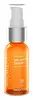
This brightening serum is formulated around Aloe Barbadensis Leaf Juice and Magnesium Ascorbyl Phosphate to brighten dull-looking skin and fade the look of dark spots.
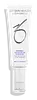
This calming serum is formulated around Panthenol and Opuntia Ficus-Indica Stem Extract to calm redness and strengthen the skin barrier.

What's inside
What's inside
 Key Ingredients
Benefits
Concerns
Ingredients Side-by-side
Aloe Barbadensis Leaf Juice
Skin Conditioning


Water
Skin ConditioningMagnesium Ascorbyl Phosphate
Antioxidant






Glycerin
Humectant
Cetyl Alcohol
Emollient



Stearyl Alcohol
Emollient
Squalane
Emollient
Malus Domestica Fruit Cell Culture Extract
Skin ConditioningHelianthus Annuus Seed Oil
Emollient
Lecithin
Emollient
Tocopherol
Antioxidant

Panthenol
Skin Conditioning
Glyceryl Stearate
Emollient
Algin
MaskingTheobroma Cacao Seed Butter
Emollient


Allantoin
Skin Conditioning
Curcuma Longa Root Extract
Antioxidant
Sodium Hyaluronate
Humectant
Steareth-2
EmulsifyingBorago Officinalis Seed Oil
Emollient
Rosa Canina Fruit Oil
Emollient
Glyceryl Laurate
Emollient
Linum Usitatissimum Seed Oil
Perfuming
Oenothera Biennis Oil
Emollient
Hippophae Rhamnoides Fruit Oil
Skin Protecting
Riboflavin
Cosmetic ColorantXanthan Gum
EmulsifyingCamellia Sinensis Leaf Extract
Antimicrobial
Laminaria Digitata Extract
Skin Protecting
Phenethyl Alcohol
MaskingEthylhexylglycerin
Skin ConditioningCitrus Tangerina Peel Oil
Masking
Citrus Aurantium Dulcis Peel Oil
Masking
Aloe Barbadensis Leaf Juice, Water, Magnesium Ascorbyl Phosphate, Glycerin, Cetyl Alcohol, Stearyl Alcohol, Squalane, Malus Domestica Fruit Cell Culture Extract, Helianthus Annuus Seed Oil, Lecithin, Tocopherol, Panthenol, Glyceryl Stearate, Algin, Theobroma Cacao Seed Butter, Allantoin, Curcuma Longa Root Extract, Sodium Hyaluronate, Steareth-2, Borago Officinalis Seed Oil, Rosa Canina Fruit Oil, Glyceryl Laurate, Linum Usitatissimum Seed Oil, Oenothera Biennis Oil, Hippophae Rhamnoides Fruit Oil, Riboflavin, Xanthan Gum, Camellia Sinensis Leaf Extract, Laminaria Digitata Extract, Phenethyl Alcohol, Ethylhexylglycerin, Citrus Tangerina Peel Oil, Citrus Aurantium Dulcis Peel Oil
Water
Skin ConditioningGlycerin
Humectant
Cetyl Alcohol
Emollient
Helianthus Annuus Seed Oil
Emollient
C12-15 Alkyl Benzoate
AntimicrobialPalmitoyl Glycine
CleansingNeopentyl Glycol Diethylhexanoate
Emollient
Dimethicone
Emollient
Panthenol
Skin Conditioning
Glyceryl Stearate
Emollient
PEG-100 Stearate
Surfactant
Potassium Cetyl Phosphate
EmulsifyingLactose
HumectantLactis Proteinum
Skin ConditioningBrassica Oleracea Italica Extract
AstringentFarnesyl Acetate
Perfuming
Farnesol
Perfuming
Panthenyl Triacetate
Leontopodium Alpinum Meristem Cell Culture
Skin ConditioningMarrubium Vulgare Meristem Cell Culture
Skin ProtectingLecithin
Emollient
Opuntia Ficus-Indica Stem Extract
Skin Conditioning
Laminaria Digitata Extract
Skin Protecting
PEG-35 Castor Oil
Emulsifying
Carbomer/Papain Crosspolymer
Tocopherol
Antioxidant
Xanthan Gum
EmulsifyingCaprylyl Glycol
Emollient
Hydrolyzed Algin
Neopentyl Glycol Diisostearate
Emulsifying
Algin
MaskingGalactoarabinan
Schizophyllan
HumectantPEG-12 Glyceryl Laurate
EmulsifyingMagnesium Aluminum Silicate
Absorbent
Disodium EDTA
ChelatingMaltodextrin
Absorbent
1,2-Hexanediol
Skin Conditioning
Aminomethyl Propanol
BufferingLactic Acid
Buffering
Citric Acid
Buffering
Chlorphenesin
Antimicrobial
Phenoxyethanol
Preservative
Parfum
Masking
Water, Glycerin, Cetyl Alcohol, Helianthus Annuus Seed Oil, C12-15 Alkyl Benzoate, Palmitoyl Glycine, Neopentyl Glycol Diethylhexanoate, Dimethicone, Panthenol, Glyceryl Stearate, PEG-100 Stearate, Potassium Cetyl Phosphate, Lactose, Lactis Proteinum, Brassica Oleracea Italica Extract, Farnesyl Acetate, Farnesol, Panthenyl Triacetate, Leontopodium Alpinum Meristem Cell Culture, Marrubium Vulgare Meristem Cell Culture, Lecithin, Opuntia Ficus-Indica Stem Extract, Laminaria Digitata Extract, PEG-35 Castor Oil, Carbomer/Papain Crosspolymer, Tocopherol, Xanthan Gum, Caprylyl Glycol, Hydrolyzed Algin, Neopentyl Glycol Diisostearate, Algin, Galactoarabinan, Schizophyllan, PEG-12 Glyceryl Laurate, Magnesium Aluminum Silicate, Disodium EDTA, Maltodextrin, 1,2-Hexanediol, Aminomethyl Propanol, Lactic Acid, Citric Acid, Chlorphenesin, Phenoxyethanol, Parfum
Reviews
Ingredients Explained
These ingredients are found in both products.
Ingredients higher up in an ingredient list are typically present in a larger amount.
Algin is the sodium salt of alginic acid, a sugar-based polymer pulled out of brown seaweed.
In cosmetics, it's a workhorse thickener, binder, and film former rather than an active; it's mostly there for texture and slip.
Industry survey data collected by the Cosmetic Ingredient Review put its maximum reported use at 50% in paste masks and mud packs with reported use going all the way down to 0.001% in aerosol products. Most formulas sit at the low end since a little goes a long way as a thickener.
Allergy-wise, this ingredient is about as low-risk as it gets topically:
The "algae causes acne" idea comes from three places that got tangled together:
None of that transfers to a purified polysaccharide like algin. Clogged pores are a lipid problem where an ingredient has to get into the follicle and mix with sebum to form a comedone. Algin is a big, water-loving sugar chain that does neither; it gels and then sits on the surface as a film until it's rinsed off.
Learn more about AlginCetyl Alcohol is a fatty alcohol. Fatty Alcohols are most often used as an emollient or to thicken a product.
Its main roles are:
Though it has "alcohol" in the name, it is not related to denatured alcohol or ethyl alcohol.
The FDA allows products labeled "alcohol-free" to have fatty alcohols.
This ingredient may not be fungal acne safe. It is a primary fatty alcohol with a chain length above 12 carbons. A study from 2019 show Malassezia can feed on fatty alcohols in this range, so it may trigger fungal acne in those prone to it.
Learn more about Cetyl AlcoholGlycerin (or glycerol) is a compound naturally found in your skin. It's a powerhouse humectant that pulls water into the stratum corneum.
Topically, glycerin does several things at once:
Your skin makes glycerin on its own (mostly from sebaceous oil breakdown) and shuttles it to your outermost layer of skin, or your epidermis, via aquaporin-3.
Aquaporin-3 is a transporter that is essential for normal skin hydration, elasticity, and repair. Interestingly, mice lacking in AQP3 have dry and less elastic skin that can be fully corrected with glycerin.
This ingredient is non-irritating, plays well with almost every ingredient, and works across all skin types. Typical use is anywhere between 3-10% but can go up to 79% in some leave-on products.
Just know very high concentrations (>40%) can feel tacky in low humidity.
Glycerin is the name for this ingredient in American English. British English uses Glycerol/Glycerine.
Learn more about GlycerinGlyceryl Stearate is made by reacting glycerin with stearic acid (typically sourced from plant oils like palm or coconut). It's an emulsifier, emollient, and mild occlusive.
Emulsifiers help ingredients like oil and water stay mixed so your formula stays nicely blended and uniform in texture.
This ingredient is typically used in concentrations between 1-10%. Studies have found it to be non-sensitizing, non-phototoxic, and non-photoallergenic.
A close cousin of this ingredient is Glyceryl Stearate SE ("self-emulsifying"). This just has a small amount of sodium or potassium stearate added so it can emulsify without a co-emulsifier.
Since this ingredient is an ester of a C18 fatty acid, it may not be fungal acne safe. The Malassezia yeast can potentially metabolize within the C11-C24 range.
Fun fact: The human body also creates Glyceryl Stearate naturally.
Learn more about Glyceryl StearateHelianthus Annuus Seed Oil is a plant oil derived from the seeds of a sunflower.
It is rich in fatty acids, primarily linoleic acid and oleic acid. This gives it emollient and skin conditioning properties.
The reason this ingredient is so effective is because it forms a thin film on the skin that reduces transepidermal water loss (TEWL) while supplying linoleic acid to the stratum corneum to improve barrier strength.
The high linoleic acid content is particularly noteworthy for acne-prone skin.
Research suggests that acne-prone skin tends to be deficient in linoleic acid in sebum. Topical application may help replenish this to support a healthier follicular environment and less comedone-promoting sebum.
One randomized study found sunflower seed oil preserved skin barrier integrity in adult volunteers with and without atopic dermatitis (outperforming olive oil).
This ingredient is well-studied, gentle, and an effective emollient suitable for most skin types.
On fungal acne: This ingredient may not be Fungal acne (Malassezia folliculitis) safe. This is because it contains fatty acids with carbon chain lengths in the C11-C24 range.
Learn more about Helianthus Annuus Seed OilLaminaria Digitata Extract comes from the big brown seaweed (or kelp) that grows in the North Atlantic. In skincare, it's mostly used as a skin protectant and conditioning agent.
The most interesting stuff inside is mostly just sugars and minerals: fucoidan (a sulfated polysaccharide), laminarin (a beta-glucan), alginates, and phlorotannins (seaweed polyphenols).
Any antioxidant and soothing claims mostly come from those polysaccharides; crude laminarin and fucoidan from Laminaria digitata do show antioxidant and anti-inflammatory activity in lab assays.
Just know that the lab assays are test-tube work on isolated compounds and not clinical trials on the finished extract.
Realistically, this ingredient is a nice-feeling and hydrating skin conditioner (not really an active).
Safety-wise, it's one of the better documented seaweeds and safe to be used in cosmetics according to the CIR Expert Panel.
Industry surveys find that usage concentrations run can be found up to 5% in bubble baths and leave-on usage is more likely 0.1-3%.
The risk of allergy is also quite low as human repeat insult patch tests (under 5% and blends containing 8-12%) came back non-irritating and non-sensitizing. Rabbit studies came back negative too, though one trade mixture at 1.5-2.5% in water + propylene glycol did cause moderate irritation at 30 minutes.
Reported seaweed allergies in the literature are almost all occupational (people handling wet kelp) or from a totally unrelated blue/green alga.
You'll see seaweed listed as a 5/5 on a lot of pore-clogging charts and that number doesn't come from anywhere; it's not in the original rabbit-ear studies that most comedogenic ratings trace back to.
The reasoning behind the reputation is that seaweed is high in iodine and iodine can trigger acne-like breakouts when eaten. This traces back to a 1976 letter in Archives of Dermatology describing two women whose breakouts cleared after they stopped taking high-dose kelp supplements orally.
And the reaction of these two women wasn't clogged pores at all: it was an iodine-triggered pustular rash. Later research found normal dietary iodine doesn't meaningfully affect acne either and nobody has shown topical algae delivers enough iodine to matter.
What we do have is dozens of brown and red algae ingredients found to be non-irritating and non-sensitizing, and a handful of studies that found algae compounds may actually help acne.
However, plenty of people do report breaking out from algae-containing products. Skin is individual and it's worth avoiding if yours has reacted to algae before.
The 0-5 scale comes from applying ingredients to the inside of an albino rabbit's ear. Rabbit follicles are far more reactive than human ones so it over-predicts. Even petrolatum was reassigned as non-comedogenic by the original scientist, Kligman.
Here are three more problems of comedogenic ratings:
Learn more about Laminaria Digitata ExtractLecithin is a term for a group of substances found in the cell membranes of plants, animals, and humans. They are made up of phospholipids.
Thanks to its amphiphilic structure (water-loving head and oil-loving tail), it is a true multitasker:
It plays well with most ingredients and is typically used at 0.1-1%. However, concentrations up to 50% have been reported in moisturizers.
Learn more about LecithinPanthenol is a common ingredient that helps hydrate and soothe the skin. It is found naturally in our skin and hair.
There are two forms of panthenol: D and L.
D-panthenol is also known as dexpanthenol. Most cosmetics use dexpanthenol or a mixture of D and L-panthenol.
Panthenol is famous due to its ability to go deeper into the skin's layers. Using this ingredient has numerous pros (and no cons):
Like hyaluronic acid, panthenol is a humectant. Humectants are able to bind and hold large amounts of water to keep skin hydrated.
This ingredient works well for wound healing. It works by increasing tissue in the wound and helps close open wounds.
Once oxidized, panthenol converts to pantothenic acid. Panthothenic acid is found in all living cells.
This ingredient is also referred to as pro-vitamin B5.
Learn more about PanthenolTocopherol is a fat-soluble antioxidant known as Vitamin E.
You'll find this ingredient in the vast majority of skincare (for good reason). It works to neutralize free radicals, or unstable molecules generated by UV exposure, pollution, and other environmental stressors, before they can cause oxidative damage to your skin cells.
Topically applied tocopherol has been shown to protect against UV damage by ramping up the skin's own natural defense enzymes.
It also acts as a skin conditioning agent; some studies show that regular topical use can improve the skin's water-binding capacity over 2-4 weeks.
This ingredient is especially loved for being a team player. When combined with Vitamin C, the photoprotective effect of both ingredients roughly doubles and the combo also helps reduce UV-induced DNA damage.
This ingredient has some brightening potential but it's more of a prevention ingredient than spot-fader. Cell studies show it can slow down melanin production but it's worth noting that it's not the most powerful brightener out there.
In formulations, it also serves as a stabilizer that helps protect other oxidation-prone ingredients from degrading.
Concentrations usually range from 0.1-1% in most leave-on products.
Learn more about TocopherolWater. It's the most common cosmetic ingredient of all. You'll usually see it at the top of ingredient lists, meaning that it makes up the largest part of the product.
So why is it so popular? Water most often acts as a solvent - this means that it helps dissolve other ingredients into the formulation.
You'll also recognize water as that liquid we all need to stay alive. If you see this, drink a glass of water. Remember to stay hydrated!
Learn more about WaterXanthan gum is used as a stabilizer and thickener within cosmetic products. It helps give products a sticky, thick feeling - preventing them from being too runny.
On the technical side of things, xanthan gum is a polysaccharide - a combination consisting of multiple sugar molecules bonded together.
Xanthan gum is a pretty common and great ingredient. It is a natural, non-toxic, non-irritating ingredient that is also commonly used in food products.
Learn more about Xanthan Gum

