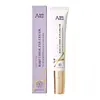
This anti-aging eye moisturizer is formulated around Bakuchiol and Acetyl Hexapeptide-8 to soften the look of wrinkles and refine skin texture.
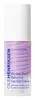
This anti-aging eye moisturizer is formulated around Bakuchiol and Palmitoyl Tripeptide-1 to soften the look of wrinkles and refine skin texture.

What's inside
What's inside
 Key Ingredients
Benefits
Concerns
Ingredients Side-by-side
Water
Skin ConditioningBakuchiol
Antimicrobial









Caffeine
Skin Conditioning
Arginine/Lysine Polypeptide
Skin Conditioning
Acetyl Hexapeptide-8
Humectant
Retinol
Skin Conditioning




Collagen
Moisturising
Polyglyceryl-2 Stearate
Emulsifying
Cetearyl Alcohol
Emollient




Cetearyl Glucoside
Emulsifying
Hydrogenated Coco-Glycerides
Emollient
Isononyl Isononanoate
EmollientHydrogenated Polyisobutene
EmollientTocopheryl Acetate
Antioxidant
Ethylhexyl Palmitate
Emollient
Carbomer
Emulsion StabilisingButylene Glycol
Humectant
Sodium Hyaluronate
Humectant
Hydrolyzed Sodium Hyaluronate
Skin Conditioning
Beta-Glucan
Skin Conditioning
Allantoin
Skin Conditioning
Panthenol
Skin Conditioning
Sodium Acrylate/Sodium Acryloyldimethyl Taurate Copolymer
Emulsion StabilisingArginine
Masking
Glyceryl Glucoside
Humectant
Equisetum Arvense Extract
AstringentGlycyrrhiza Glabra Root Extract
Bleaching
1,2-Hexanediol
Skin Conditioning
Pentylene Glycol
Skin Conditioning
Water, Bakuchiol, Caffeine, Arginine/Lysine Polypeptide, Acetyl Hexapeptide-8, Retinol, Collagen, Polyglyceryl-2 Stearate, Cetearyl Alcohol, Cetearyl Glucoside, Hydrogenated Coco-Glycerides, Isononyl Isononanoate, Hydrogenated Polyisobutene, Tocopheryl Acetate, Ethylhexyl Palmitate, Carbomer, Butylene Glycol, Sodium Hyaluronate, Hydrolyzed Sodium Hyaluronate, Beta-Glucan, Allantoin, Panthenol, Sodium Acrylate/Sodium Acryloyldimethyl Taurate Copolymer, Arginine, Glyceryl Glucoside, Equisetum Arvense Extract, Glycyrrhiza Glabra Root Extract, 1,2-Hexanediol, Pentylene Glycol
Water
Skin ConditioningDimethicone
Emollient
Glycerin
Humectant
Neopentyl Glycol Diheptanoate
EmollientPentylene Glycol
Skin Conditioning
Dimethicone Crosspolymer
Emulsion Stabilising
Propanediol
Solvent
Bakuchiol
Antimicrobial
Palmitoyl Tripeptide-1
Skin Conditioning
Palmitoyl Tetrapeptide-7
Skin Conditioning
Hydrolyzed Rice Protein
Skin ConditioningCalanthe Discolor Extract
Skin ConditioningAloe Barbadensis Leaf Juice
Skin Conditioning
Chamomilla Recutita Flower Extract
Masking
Glycyrrhiza Glabra Root Extract
Bleaching
Santalum Album Extract
CleansingCitrus Limon Fruit Extract
Masking
Saccharum Officinarum Extract
MoisturisingGlycine Soja Protein
EmulsifyingBiotin
AntiseborrhoeicPanthenol
Skin Conditioning
Tocopheryl Acetate
Antioxidant
Allantoin
Skin Conditioning
Pullulan
Superoxide Dismutase
Antioxidant
Chrysin
Skin ConditioningLeuconostoc/Radish Root Ferment Filtrate
Antimicrobial
Gluconolactone
Chelating
N-Hydroxysuccinimide
Skin ConditioningCaprylhydroxamic Acid
ChelatingPEG/PPG-18/18 Dimethicone
Emulsifying
Triethoxycaprylylsilane
Tetrasodium Glutamate Diacetate
ChelatingSteareth-20
CleansingGlyceryl Acrylate/Acrylic Acid Copolymer
HumectantSodium Dextran Sulfate
Gel FormingXanthan Gum
EmulsifyingCarbomer
Emulsion StabilisingSodium Citrate
BufferingSodium Glycolate
BufferingCitric Acid
Buffering
Calcium Gluconate
HumectantSodium Formate
Buffering
Sodium Hydroxide
Buffering1,2-Hexanediol
Skin Conditioning
Caprylyl Glycol
Emollient
Potassium Sorbate
Preservative
Chlorhexidine Digluconate
Antimicrobial
Sodium Benzoate
Masking
Phenoxyethanol
Preservative
Parfum
Masking

Limonene
Perfuming
Linalool
Perfuming
Citral
Perfuming
CI 77007
Cosmetic ColorantCI 77891
Cosmetic ColorantWater, Dimethicone, Glycerin, Neopentyl Glycol Diheptanoate, Pentylene Glycol, Dimethicone Crosspolymer, Propanediol, Bakuchiol, Palmitoyl Tripeptide-1, Palmitoyl Tetrapeptide-7, Hydrolyzed Rice Protein, Calanthe Discolor Extract, Aloe Barbadensis Leaf Juice, Chamomilla Recutita Flower Extract, Glycyrrhiza Glabra Root Extract, Santalum Album Extract, Citrus Limon Fruit Extract, Saccharum Officinarum Extract, Glycine Soja Protein, Biotin, Panthenol, Tocopheryl Acetate, Allantoin, Pullulan, Superoxide Dismutase, Chrysin, Leuconostoc/Radish Root Ferment Filtrate, Gluconolactone, N-Hydroxysuccinimide, Caprylhydroxamic Acid, PEG/PPG-18/18 Dimethicone, Triethoxycaprylylsilane, Tetrasodium Glutamate Diacetate, Steareth-20, Glyceryl Acrylate/Acrylic Acid Copolymer, Sodium Dextran Sulfate, Xanthan Gum, Carbomer, Sodium Citrate, Sodium Glycolate, Citric Acid, Calcium Gluconate, Sodium Formate, Sodium Hydroxide, 1,2-Hexanediol, Caprylyl Glycol, Potassium Sorbate, Chlorhexidine Digluconate, Sodium Benzoate, Phenoxyethanol, Parfum, Limonene, Linalool, Citral, CI 77007, CI 77891
Ingredients Explained
These ingredients are found in both products.
Ingredients higher up in an ingredient list are typically present in a larger amount.
1,2-Hexanediol is a synthetic liquid and another multi-functional powerhouse.
It is a:
- Humectant, drawing moisture into the skin
- Emollient, helping to soften skin
- Solvent, dispersing and stabilizing formulas
- Preservative booster, enhancing the antimicrobial activity of other preservatives
Allantoin is a soothing ingredient known for its protective and moisturizing properties; it's basically a quiet workhorse ingredient you can find in a huge range of cosmetics.
Though it can be derived from the comfrey plant, allantoin is produced synthetically for cosmetic products to ensure purity.
Research shows it can encourage your skin cells to turn over and renew by stimulating keratinocyte and fibroblast proliferation.
It also has mild keratolytic properties to help loosen and shed dead skin cells without being harsh.
Studies also suggest allantoin can help calm inflammation by dialing down some of the chemical signals your skin sends out when it is irritated.
This ingredient is typically used in the 0.1-0.5% range, and the FDA recognizes it as a skin protectant in OTC products up to 2%.
Overall, allantoin is a wonderful addition to most routines; it is stable across a wide pH range (~4-8), works well with other ingredients, and is considered non-sensitizing/non-irritating.
Fun fact: Allantoin is naturally occurring in comfrey root, beets, chamomile, and wheat sprouts. Our bodies even produce it as a byproduct of uric acid metabolism.
Learn more about AllantoinBakuchiol is a plant-derived antioxidant from the seeds of the Psoralea corylifolia plant. It has antimicrobial, emollient, skin conditioning, and antioxidant properties.
You'll likely see it called a "retinol replacement" but the two are technically not related. This is because bakuchiol is able to flip many of the same switches in your skin cells to tell them to:
1) produce more collagen (type I, III, and IV)
2) activate the same genes retinoids do
Unlike retinoids, this ingredient will not increase photosensitivity and is safe to use during pregnancy (but please still check in with your doctor!).
The flagship clinical trial from Dhaliwal et al. 2019 found 0.5% bakuchiol (twice daily) and 0.5% retinol (once daily) reduced wrinkles and hyperpigmentation equally, but bakuchiol had significantly less irritation.
Systematic reviews also back this up:
Bakuchiol is comparable to retinol for photoaging but with better tolerability. It also has mild antibacterial properties against Cutibacterium acnes and antifungal activity in vitro against Candida and dermatophytes.
The reason bakuchiol works well is due to its structure; it is a meroterpene phenol, or a hybrid molecule. The phenol half acts as an antioxidant while the terpene half is fat-loving. This helps the molecule slip through the skin barrier.
This ingredient is usually used between 0.5-2%. Only one case of contact dermatitis has ever been reported for this ingredient.
Learn more about BakuchiolCarbomer is a synthetic thickening and gelling agent. It's basically the ingredient that gives a lot of serums, gels, creams, and sunscreens their smooth, non-sticky texture.
Although legally permitted at very high levels, carbomers are normally used at concentrations below 1%.
It also needs to be neutralized to actually thicken, and because it is a large molecule, it doesn't really penetrate the skin barrier.
Allergy-wise, the risk is very low. Clinical studies show carbomers have low potential for skin irritation/sensitization even at concentrations up to 100%.
A 2024 UK study patch-tested 1,302 patients and found true allergy to the parent group of carbomer to be rare with no confirmed relevant reactions.
Learn more about CarbomerGlycyrrhiza Glabra Root Extract is an extract of the roots of Licorice. It has been found to have several benefits such as skin hydrating, conditioning, and soothing.
One component, glabridin, has extra potent antioxidant and soothing properties. It has also been found to block pigmentation from UVB rays in guinea pigs.
Licorice Root also contains a flavonoid. Flavonoids are a natural substance from in plants. Flavonoids also have antioxidant properties.
Another component, glycyrrhizin, has been found to have anti-inflammatory and antimicrobial benefits. This may make licorice root extract effective at treating acne. However, more research is needed to support this.
Liquiritin is one of the flavone compounds found in licorice. It has been found to help lighten skin by preventing tyrosinase from reacting with tyrosine. When the two react, protein is converted to melanin. Melanin is the substance in your body that gives your features pigmentation.
Learn more about Glycyrrhiza Glabra Root ExtractPanthenol is a common ingredient that helps hydrate and soothe the skin. It is found naturally in our skin and hair.
There are two forms of panthenol: D and L.
D-panthenol is also known as dexpanthenol. Most cosmetics use dexpanthenol or a mixture of D and L-panthenol.
Panthenol is famous due to its ability to go deeper into the skin's layers. Using this ingredient has numerous pros (and no cons):
Like hyaluronic acid, panthenol is a humectant. Humectants are able to bind and hold large amounts of water to keep skin hydrated.
This ingredient works well for wound healing. It works by increasing tissue in the wound and helps close open wounds.
Once oxidized, panthenol converts to pantothenic acid. Panthothenic acid is found in all living cells.
This ingredient is also referred to as pro-vitamin B5.
Learn more about PanthenolPentylene Glycol (1,2-pentanediol) is a multitasking little diol with three main roles in a formula:
Research on alkanediols (the family pentylene glycol belongs to) show they work by disrupting microbial cell membranes. This disruption helps the primary preservative system in a product work more effectively at lower doses.
On the safety side, the Cosmetic Ingredient Review Expert Panel has concluded this ingredient to be safe as used in current cosmetic practices + concentrations.
Typical use levels in a formula run about 1-5%.
Learn more about Pentylene GlycolTocopheryl Acetate is a stable, shelf-friendly form of vitamin E.
Formulators love it because plain vitamin E oxidizes quickly once it hits air. This acetate version stays stable and resists going off, helping to extend a product's shelf life.
It's actually inactive on its own and works like a slow-release "storage" form; the enzymes in your skin called esterases gradually convert it into active vitamin E over time.
One in vivo study showed 5% of the acetate in the living layer of the epidermis converted to vitamin E after 5 days of application. This study also found the skin gained protection against UV damage even though the conversion was slow and small.
Once converted, vitamin E acts as a skin's main fat-soluble antioxidant that fights free radicals to protect skin from damage.
Topical vitamin E generally boosts the skin's photoprotection, and it reduced UV-damage in animal models.
This ingredient has some brightening potential but it's more of a prevention ingredient than spot-fader. Cell studies show it can slow down melanin production but it's worth noting that it's not the most powerful brightener out there.
Overall, it has a pretty solid safety profile and has been found to be non-irritating and non-comedogenic. Allergic reactions may happen but stay rare due to how widely the ingredient gets used.
The concentration will vary depending on the formula; industry data shows 0.1% in baby lotions, 3% in lipsticks, and 5% in foot powders. You can also find this ingredient at 100% in a pure vitamin E oil.
Most leave-on skincare keeps it at the lower end, often between 0.5-1%.
Learn more about Tocopheryl AcetateWater. It's the most common cosmetic ingredient of all. You'll usually see it at the top of ingredient lists, meaning that it makes up the largest part of the product.
So why is it so popular? Water most often acts as a solvent - this means that it helps dissolve other ingredients into the formulation.
You'll also recognize water as that liquid we all need to stay alive. If you see this, drink a glass of water. Remember to stay hydrated!
Learn more about Water

