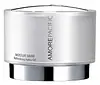
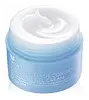
AMOREPACIFIC Moisture Bound Refreshing Hydra-Gel Versus Mizon Acence Blemish Control Soothing Gel Cream
This calming moisturizer is formulated around Camellia Sinensis Leaf Extract and Glycyrrhiza Glabra Root Extract to calm redness and hydrate skin.
This acne moisturizer is formulated around Salicylic Acid and Melaleuca Alternifolia Leaf Oil to clear breakouts and balance excess oil.

What's inside
What's inside
 Key Ingredients
Benefits
Concerns
Ingredients Side-by-side
Phyllostachys Bambusoides Juice
Skin ConditioningButylene Glycol
Humectant

Alcohol
Antimicrobial




Hydrogenated Polyisobutene
EmollientCyclopentasiloxane
Emollient
Glycerin
Humectant
Biosaccharide Gum-1
Humectant
Cyclohexasiloxane
Emollient
Dimethicone
Emollient
Cetearyl Alcohol
Emollient




Trehalose
Humectant
Camellia Sinensis Leaf Extract
Antimicrobial





Opuntia Coccinellifera Fruit Extract
Skin ConditioningGlycine Soja Seed Extract
Skin Conditioning
Nelumbo Nucifera Flower Extract
Skin ConditioningPanax Ginseng Root Extract
Emollient
Ginkgo Biloba Leaf Extract
Skin Conditioning
Zingiber Officinale Root Extract
Masking
Glycyrrhiza Glabra Root Extract
Bleaching
Xylitol
Humectant
Anhydroxylitol
Humectant
1,2-Hexanediol
Skin Conditioning
Glyceryl Stearate
Emollient
Sodium Polyacrylate
Absorbent
Sucrose Stearate
EmollientSilica
Abrasive
Ethylhexylglycerin
Skin ConditioningXylitylglucoside
Humectant
Water
Skin ConditioningCaprylyl Glycol
Emollient
Polysilicone-11
Propylene Glycol
Humectant
PEG-40 Stearate
Emulsifying
PEG-5 Rapeseed Sterol
Cleansing
PPG-5-Laureth-5
EmollientHydrogenated Lecithin
Emulsifying
Hydrogenated Polydecene
EmollientCarbomer
Emulsion StabilisingTromethamine
BufferingDisodium EDTA
ChelatingPhenoxyethanol
Preservative
Parfum
Masking

CI 42090
Cosmetic ColorantPhyllostachys Bambusoides Juice, Butylene Glycol, Alcohol, Hydrogenated Polyisobutene, Cyclopentasiloxane, Glycerin, Biosaccharide Gum-1, Cyclohexasiloxane, Dimethicone, Cetearyl Alcohol, Trehalose, Camellia Sinensis Leaf Extract, Opuntia Coccinellifera Fruit Extract, Glycine Soja Seed Extract, Nelumbo Nucifera Flower Extract, Panax Ginseng Root Extract, Ginkgo Biloba Leaf Extract, Zingiber Officinale Root Extract, Glycyrrhiza Glabra Root Extract, Xylitol, Anhydroxylitol, 1,2-Hexanediol, Glyceryl Stearate, Sodium Polyacrylate, Sucrose Stearate, Silica, Ethylhexylglycerin, Xylitylglucoside, Water, Caprylyl Glycol, Polysilicone-11, Propylene Glycol, PEG-40 Stearate, PEG-5 Rapeseed Sterol, PPG-5-Laureth-5, Hydrogenated Lecithin, Hydrogenated Polydecene, Carbomer, Tromethamine, Disodium EDTA, Phenoxyethanol, Parfum, CI 42090
Water
Skin ConditioningAlcohol
Antimicrobial
Butylene Glycol
Humectant
Sodium Lactate
Buffering
Hydroxyethyl Acrylate/Sodium Acryloyldimethyl Taurate Copolymer
Emulsion StabilisingCyclopentasiloxane
Emollient
Glycerin
Humectant
Cyclohexasiloxane
Emollient
Dimethicone
Emollient
1,2-Hexanediol
Skin Conditioning
Trehalose
Humectant
Glyceryl Stearate Se
Emulsifying
Salicylic Acid
Masking


Cetearyl Alcohol
Emollient
Stearic Acid
Cleansing
Sorbitan Isostearate
Emulsifying
Polysorbate 60
Emulsifying
Hydrogenated Lecithin
Emulsifying
Betula Alba Juice
AstringentCitrus Limon Peel Oil
Masking


Ethylhexylglycerin
Skin ConditioningXanthan Gum
EmulsifyingCarica Papaya Fruit Water
Skin ConditioningRosa Damascena Flower Water
Masking
Melaleuca Alternifolia Leaf Oil
Antioxidant
Disodium EDTA
ChelatingSodium Chloride
MaskingHedera Helix Extract
AntimicrobialSodium Hyaluronate
Humectant
Phenoxyethanol
Preservative
Glycyrrhiza Glabra Root Extract
Bleaching
Camellia Sinensis Leaf Extract
Antimicrobial
Zingiber Officinale Root Extract
Masking
Schisandra Chinensis Fruit Extract
Skin Conditioning
Coptis Chinensis Root Extract
Antioxidant
Biosaccharide Gum-1
Humectant
Beta-Glucan
Skin Conditioning
Citrus Limon Fruit Extract
Masking
Caprylyl Glycol
Emollient
Propolis Wax
EmollientCitrus Grandis Peel Oil
Masking
Vaccinium Macrocarpon Fruit Extract
AstringentRubus Idaeus Fruit Extract
AstringentPrunus Serotina Fruit Extract
MaskingCornus Officinalis Fruit Extract
Skin ConditioningPunica Granatum Fruit Extract
Antioxidant
Curcuma Longa Root Extract
Antioxidant
Bambusa Vulgaris Extract
Skin Conditioning
Tricholoma Matsutake Extract
Skin ConditioningArtemisia Princeps Leaf Extract
Skin ConditioningCodonopsis Lanceolata Root Extract
Skin ConditioningAngelica Keiskei Extract
Antioxidant
Viscum Album Leaf Extract
SoothingVitex Trifolia Fruit Extract
Skin ConditioningWater, Alcohol, Butylene Glycol, Sodium Lactate, Hydroxyethyl Acrylate/Sodium Acryloyldimethyl Taurate Copolymer, Cyclopentasiloxane, Glycerin, Cyclohexasiloxane, Dimethicone, 1,2-Hexanediol, Trehalose, Glyceryl Stearate Se, Salicylic Acid, Cetearyl Alcohol, Stearic Acid, Sorbitan Isostearate, Polysorbate 60, Hydrogenated Lecithin, Betula Alba Juice, Citrus Limon Peel Oil, Ethylhexylglycerin, Xanthan Gum, Carica Papaya Fruit Water, Rosa Damascena Flower Water, Melaleuca Alternifolia Leaf Oil, Disodium EDTA, Sodium Chloride, Hedera Helix Extract, Sodium Hyaluronate, Phenoxyethanol, Glycyrrhiza Glabra Root Extract, Camellia Sinensis Leaf Extract, Zingiber Officinale Root Extract, Schisandra Chinensis Fruit Extract, Coptis Chinensis Root Extract, Biosaccharide Gum-1, Beta-Glucan, Citrus Limon Fruit Extract, Caprylyl Glycol, Propolis Wax, Citrus Grandis Peel Oil, Vaccinium Macrocarpon Fruit Extract, Rubus Idaeus Fruit Extract, Prunus Serotina Fruit Extract, Cornus Officinalis Fruit Extract, Punica Granatum Fruit Extract, Curcuma Longa Root Extract, Bambusa Vulgaris Extract, Tricholoma Matsutake Extract, Artemisia Princeps Leaf Extract, Codonopsis Lanceolata Root Extract, Angelica Keiskei Extract, Viscum Album Leaf Extract, Vitex Trifolia Fruit Extract
Ingredients Explained
These ingredients are found in both products.
Ingredients higher up in an ingredient list are typically present in a larger amount.
1,2-Hexanediol is a synthetic liquid and another multi-functional powerhouse.
It is a:
- Humectant, drawing moisture into the skin
- Emollient, helping to soften skin
- Solvent, dispersing and stabilizing formulas
- Preservative booster, enhancing the antimicrobial activity of other preservatives
This ingredient is also called ethanol or ethyl alcohol. It is denatured, meaning made undrinkable for cosmetic use.
In formulas, it:
Is it bad for your skin?
The answer comes down to concentration. Patch and wash studies have found highly concentrated alcohol-based hand rubs (60-100%) cause less barrier disruption than washing with a basic detergent like SLS. The only measurable effect in these studies was a temporary dip in skin hydration.
Concentrations below 12-15% in leave-on cosmetics is generally well-tolerated. Concentrations above start to see increased transepidermal water loss (TEWL) and reduced hydration.
In concentrations about 58%, it creates temporary channels in your skin's lipid layers to become more permeable and allow other ingredients to slip through easily.
This ingredient can be up to 80% of the formula in alcohol-based perfumes.
Overall, this ingredient is probably harmless if found lower down an ingredients list but worth side-eyeing if it's high up (especially if your barrier is already struggling).
Alcohol can worsen dry skin, eczema, and oily skin, especially at higher concentrations. This is because it can increase transepidermal water loss and decrease hydration to disrupt the skin barrier.
According to the National Rosacea Society based in the US, you should be mindful of products with these alcohols in the top half of ingredients.
True allergic contact dermatitis to ethanol is uncommon, but be sure to patch test if you have dry or sensitive skin.
Learn more about AlcoholBiosaccharide Gum-1 is a sugar created by fermenting sorbitol (which usually comes from potato starch!). It is known for its soothing and moisturizing properties.
Manufacturer tests show this ingredient helped reduce irritation from lactic acid by almost half and kept skin hydrated long-term as a humectant
Beyond hydration, Biosaccharide Gum-1 gives formulas a silky, non-sticky feel.
This ingredient is gentle, versatile, and suitable for all skin types.
Fun fact: Similar sugars can be found naturally in fruits like apples and pears.
Learn more about Biosaccharide Gum-1Butylene Glycol (or BG) is used within cosmetic products for a few different reasons:
Overall, Butylene Glycol is a safe and well-rounded ingredient that works well with other ingredients.
Though this ingredient works well with most skin types, some people with sensitive skin may experience a reaction such as allergic rashes, closed comedones, or itchiness.
Learn more about Butylene GlycolCamellia Sinensis Leaf Extract (tea extract) is one of the most well-researched plant extracts in skincare with an impressive resume.
Black tea, green tea, and oolong tea are all harvested from the Camellia Sinensis plant.
Studies show green tea extract and its catechins (like epigallocatechin gallate (EGCG)) help your skin cells product energy more efficiently and reducing the number of free-radicals that can damage your skin from the inside.
In lab-grown skin models, this translated to younger, healthier, and stronger skin.
There's also good sun protection data; researchers saw less DNA damage and redness on human skin when green tea was applied before UVB exposure. And the more they applied, the better the protection.
Needless to say, this ingredient shouldn't replace your sunscreen. But it is a great supportive ingredient that you can already find in many sunscreens and antioxidant serums.
A 2009 study found a 2% green tea lotion was effective for mild-to-moderate acne thanks to its anti-inflammatory and mild antimicrobial activity.
The quality of the extract matters a lot here:
Good extracts contain 50-90% catechins while lower quality ones are mostly there for marketing. We recommend reaching out to the brand if you have questions about the quality or source of their ingredients.
Human Repeated Insult Patch Testing showed no irritation or sensitization at use concentrations (0.86% in leave-on products and up to 30% as leaf water).
Learn more about Camellia Sinensis Leaf ExtractCaprylyl Glycol is a humectant, skin conditioner, emollient, and preservative booster derived from either caprylic acid or synthetically created.
Typical use levels vary from 0.3-1% as a preservative booster and go up to 2% to condition skin.
Because it is not a free-fatty acid, this ingredient is fungal acne safe (there's nothing for Malassezia to feed on).
Learn more about Caprylyl GlycolCetearyl alcohol is a waxy mixture of two fatty alcohols: cetyl alcohol and stearyl alcohol. It is an emollient and emulsifier.
Despite having "alcohol" in its name, it has nothing to do with drying solvent alcohols; the FDA also allows "alcohol-free" products to contain fatty alcohols like this ingredient.
It plays several roles in a formula:
Typical use levels for this ingredient sit around 1-10% and the Cosmetic Ingredient Review Expert Panel has affirmed safety at concentrations up to 25% in leave-on products.
Multiple assessments have found it to be non-irritating and non-sensitizing to most people.
However, there have been some cases of allergic contact dermatitis in patients with chronically compromised skin barriers.
Cetearyl alcohol has a comedogenic rating of 2 and irritancy rating of 1. Both of these numbers come from the 1989 study that used rabbit ears; a "2" means mildly comedogenic and a "1" means low irritancy.
Here's the catch: rabbit skin is more sensitive than human skin and throws a lot of false positives. A 1996 reappraisal found that ingredients rated 1-2 in the rabbit ear tests are generally safe for humans.
Remember comedogenic ratings are unable to assess the entire formula of a product or how it will react on your skin. Just be sure to patch test if you are unsure about certain ingredients.
This ingredient is not fungal acne safe. Cetearyl alcohol is a fatty alcohol with chain lengths that fall within the range that Malassezia can metabolize.
A 2019 study has also observed Malassezia growth in the presence of this ingredient, confirming it to be not-fungal acne safe.
Learn more about Cetearyl AlcoholCyclohexasiloxane is a type of silicone more commonly known as D6. It is an emollient and solvent.
Cyclohexasiloxane is used to evenly distribute ingredients throughout the product. When applied to the skin, Cyclohexasiloxane evaporates and leaves behind a silky feel.
As an emollient, it can help the skin feel soft and hydrated. It is also used to reduce frizz in hair products.
Learn more about CyclohexasiloxaneCyclopentasiloxane (D5) is a lightweight silicone that mostly acts as an emollient and solvent in cosmetics. Its the reason your products feel silky, fast-spreading, and non-greasy.
Since D5 is volatile, it does its thing and then evaporates off the skin quickly.
The safety profile of this ingredient is reassuring; the US CIR Expert Panel concluded D5 is safe as used in cosmetics and Health Canada concluded that D5 is not harmful to human health or the environment as currently used in cosmetics
There's a study that people mention about D5 in a rat study showing tumors. This study is related to long-term inhalation of high D5 levels.
Regulatory bodies have judged this study to be not applicable in topical skincare since skin absorption of D5 is very low and we're not really inhaling huge amounts of D5.
The only restriction for this ingredient is environmental. The European Chemicals Agency (ECHA) restricted D5 in wash-off cosmetics at or above 0.1% due to their persistence in water.
Learn more about CyclopentasiloxaneDimethicone is a type of synthetic silicone created from natural materials such as quartz. It is also known as polydimethylsiloxane.
What it does:
Dimethicone comes in different viscosities:
Depending on the viscosity, dimethicone has different properties.
Ingredients lists don't always show which type is used, so we recommend reaching out to the brand if you have questions about the viscosity.
This ingredient is unlikely to cause irritation because it does not get absorbed into skin. However, people with silicone allergies should be careful about using this ingredient.
Note: Dimethicone may contribute to pilling. This is because it is not oil or water soluble, so pilling may occur when layered with products. When mixed with heavy oils in a formula, the outcome is also quite greasy.
Learn more about DimethiconeDisodium EDTA is a chelating agent. It grabs onto and deactivates metal ions that sneak into your products from water, packaging, or air.
This ingredient mainly works behind the scenes and helps with:
On top of that, this ingredient can counteract the effects of hard water by binding to the minerals in it.
One thing worth knowing is that Disodium EDTA has been shown to be a mild penetration enhancer. It can help other ingredients absorb into skin more effectively which can be a double-edged sword (great for actives, but can also make the active too strong if you have sensitive skin).
Clinical patch testing showed no significant skin irritation at typical use concentrations and minimal dermal absorption.
You'll most likely see this ingredient near the end of an ingredient list. It's typically found in concentrations less than 1%.
Learn more about Disodium EDTAEthylhexylglycerin is created from glycerin. It is a multitasker ingredient that:
The CIR Expert Panel found minimal skin absorption or sensitization of any kind in a safety assessment. Though this ingredient is considered well-tolerated, a small number of cases of allergic dermatitis have been published since 2002. Just be sure to patch test if you are unsure.
Industry-reported use ranges from 8% in rinse-off products and 2% in leave-on formulations.
Learn more about EthylhexylglycerinGlycerin (or glycerol) is a compound naturally found in your skin. It's a powerhouse humectant that pulls water into the stratum corneum.
Topically, glycerin does several things at once:
Your skin makes glycerin on its own (mostly from sebaceous oil breakdown) and shuttles it to your outermost layer of skin, or your epidermis, via aquaporin-3.
Aquaporin-3 is a transporter that is essential for normal skin hydration, elasticity, and repair. Interestingly, mice lacking in AQP3 have dry and less elastic skin that can be fully corrected with glycerin.
This ingredient is non-irritating, plays well with almost every ingredient, and works across all skin types. Typical use is anywhere between 3-10% but can go up to 79% in some leave-on products.
Just know very high concentrations (>40%) can feel tacky in low humidity.
Glycerin is the name for this ingredient in American English. British English uses Glycerol/Glycerine.
Learn more about GlycerinGlycyrrhiza Glabra Root Extract is an extract of the roots of Licorice. It has been found to have several benefits such as skin hydrating, conditioning, and soothing.
One component, glabridin, has extra potent antioxidant and soothing properties. It has also been found to block pigmentation from UVB rays in guinea pigs.
Licorice Root also contains a flavonoid. Flavonoids are a natural substance from in plants. Flavonoids also have antioxidant properties.
Another component, glycyrrhizin, has been found to have anti-inflammatory and antimicrobial benefits. This may make licorice root extract effective at treating acne. However, more research is needed to support this.
Liquiritin is one of the flavone compounds found in licorice. It has been found to help lighten skin by preventing tyrosinase from reacting with tyrosine. When the two react, protein is converted to melanin. Melanin is the substance in your body that gives your features pigmentation.
Learn more about Glycyrrhiza Glabra Root ExtractHydrogenated Lecithin is a more stable version of lecithin.
It's made by taking lecithin (a phospholipid commonly found in soybeans and egg yolks) and hydrogenating it. This just means the unsaturated fatty acids are turned into saturated ones so they don't go bad as easily.
This ingredient is an emollient, emulsifier, and penetration enhancer. As an emollient, it helps soften and hydrate skin by trapping moisture within. As an emulsifier, it prevents oil and water ingredients from separating.
Hydrogenated Lecithin can form tiny spherical structures made of phospholipid bilayers called liposomes. These liposomes are able to capture compounds inside their structure and deliver them through the skin barrier.
Because phospholipids are a natural component of our cell membranes, this ingredient is inherently compatible with skin.
A 2021 study found lecithin-based surfactants were less harsh and more tolerable comared to Sodium Lauryl Sulfate (SLS).
Learn more about Hydrogenated LecithinPhenoxyethanol is one of the most widely used preservatives in skincare (and for good reason!).
It has a large spectrum of antimicrobial activity and especially effective bacteria, yeast, and mold while only having a weak effect on your skin's natural microbiome.
On a cellular level, it disrupts the cell membranes of microbes by poking holes that make the cell leak. This shuts down the chemical reactions the microbe needs to make energy so it can no longer survive.
Another perk of this ingredient is that it stays functional across a wide pH range (3-10).
You'll often see it paired with boosters like Ethylhexylglycerin; one study showed that a 1:9 ratio of Ethylhexylglycerin to Phenoxyethanol damages bacterial membranes as effectively as doubling the Phenoxyethanol concentration on its own.
Typical use concentrations range from 0.3-1% depending on the formula, and this ingredient is capped at 1% int the EU.
Safety-wise, the fear mongering does not hold up to the evidence. The EU's Scientific Committee on Consumer Safety and FDA consider it safe as a preservative at up to 1%, including for children of all ages.
Adverse systemic effects only showed up in animal studies at exposures roughly 200x higher than what people get from cosmetics. And despite its very widespread use, this ingredient is a rare sensitizer and allergic reactions are uncommon.
Learn more about PhenoxyethanolTrehalose is a disaccharide made of two glucose molecules (glucose is sugar!). Trehalose is used to help moisturize skin. It also has antioxidant properties.
As a humectant, trehalose helps draw moisture from the air to your skin. This helps keep your skin hydrated.
Due to its antioxidant properties, trehalose may help with signs of aging. Antioxidants help fight free-radical molecules, unstable molecules that may damage your skin.
In medicine, trehalose and hyaluronic acid are used to help treat dry eyes.
Some animals, plants, and bacteria create trehalose as a source of energy to survive freeze or lack of water.
Learn more about TrehaloseWater. It's the most common cosmetic ingredient of all. You'll usually see it at the top of ingredient lists, meaning that it makes up the largest part of the product.
So why is it so popular? Water most often acts as a solvent - this means that it helps dissolve other ingredients into the formulation.
You'll also recognize water as that liquid we all need to stay alive. If you see this, drink a glass of water. Remember to stay hydrated!
Learn more about WaterZingiber Officinale is more commonly known as ginger.
Ginger root has antioxidant, anti-inflammation, and antimicrobial properties.
The antioxidant properties help protect your body from free-radicals. Free-radicals are molecules that may damage your skin cells. As a result, ginger may help slow down signs of aging such as hyperpigmentation and wrinkles.
Studies show ginger inhibits the enzyme that breaks down collagen. It also helps with:
This ingredient has no negative side-effects and is safe to use unless one has a specific allergy to it.
Ginger originates from Southeast Asia but has spread throughout the world. It is now a common spice used in many cultures.
Learn more about Zingiber Officinale Root Extract

