

What's inside
What's inside
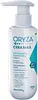 Key Ingredients
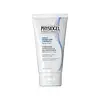
Benefits
Concerns
Ingredients Side-by-side
Water
Skin ConditioningGlycerin
Humectant



Cyclopentasiloxane
Emollient
Propylene Glycol
Humectant

Dimethicone
Emollient
Glyceryl Glucoside
Humectant
Cetyl Alcohol
Emollient

Glyceryl Stearate
Emollient
PEG-100 Stearate
Betaine
Humectant

Sodium Polyacrylate
Absorbent
Trideceth-6
EmulsifyingPEG/PPG-18/18 Dimethicone
Emulsifying
Ceramide EOP
Skin Conditioning

Ceramide Ng
Skin Conditioning
Ceramide NP
Skin Conditioning
Ceramide Ag
Humectant
Ceramide AP
Skin Conditioning
Hydrogenated Lecithin
Emulsifying
2,3-Butanediol
HumectantButyrospermum Parkii Butter
Skin Conditioning

Mangifera Indica Seed Butter
Skin Conditioning
Olea Europaea Fruit Oil
Masking

Hydrogenated Vegetable Oil
Emollient
Theobroma Cacao Seed Butter
Emollient
Stearic Acid
Cleansing
Ceteareth-20
Cleansing
Cholesterol
Emollient
Ethyl Linoleate
Emollient
1,2-Hexanediol
Skin Conditioning
Sodium Hyaluronate
Humectant
Potassium Hyaluronate
Skin ConditioningSodium Hyaluronate Crosspolymer
Humectant
Sodium Acetylated Hyaluronate
Humectant
Hydroxypropyltrimonium Hyaluronate
Hydrolyzed Hyaluronic Acid
Humectant
Hyaluronic Acid
Humectant
Hydrolyzed Sodium Hyaluronate
Skin Conditioning
Phenoxyethanol
Preservative
Zinc Oxide
Cosmetic Colorant


Pentaerythrityl Tetra-Di-T-Butyl Hydroxyhydrocinnamate
Antioxidant
Pentylene Glycol
Skin ConditioningCrocus Sativus Flower Extract
MaskingDisodium EDTA
Water, Glycerin, Cyclopentasiloxane, Propylene Glycol, Dimethicone, Glyceryl Glucoside, Cetyl Alcohol, Glyceryl Stearate, PEG-100 Stearate, Betaine, Sodium Polyacrylate, Trideceth-6, PEG/PPG-18/18 Dimethicone, Ceramide EOP, Ceramide Ng, Ceramide NP, Ceramide Ag, Ceramide AP, Hydrogenated Lecithin, 2,3-Butanediol, Butyrospermum Parkii Butter, Mangifera Indica Seed Butter, Olea Europaea Fruit Oil, Hydrogenated Vegetable Oil, Theobroma Cacao Seed Butter, Stearic Acid, Ceteareth-20, Cholesterol, Ethyl Linoleate, 1,2-Hexanediol, Sodium Hyaluronate, Potassium Hyaluronate, Sodium Hyaluronate Crosspolymer, Sodium Acetylated Hyaluronate, Hydroxypropyltrimonium Hyaluronate, Hydrolyzed Hyaluronic Acid, Hyaluronic Acid, Hydrolyzed Sodium Hyaluronate, Phenoxyethanol, Zinc Oxide, Pentaerythrityl Tetra-Di-T-Butyl Hydroxyhydrocinnamate, Pentylene Glycol, Crocus Sativus Flower Extract, Disodium EDTA
Reviews
Ingredients Explained
These ingredients are found in both products.
Ingredients higher up in an ingredient list are typically present in a larger amount.
This ingredient is also known as shea butter. It is an effective skin hydrator and emollient.
Emollients help soothe and soften your skin. It does this by creating a protective film on your skin. This barrier helps trap moisture and keeps your skin hydrated. Emollients may be effective at treating dry or itchy skin.
Shea butter is rich in antioxidants. Antioxidants help fight free-radicals, or molecules that may harm the body. It is also full of fatty acids including stearic acid and linoleic acid. These acids help replenish the skin and keep skin moisturized.
While Shea Butter has an SPF rating of about 3-4, it is not a sunscreen replacement.
Shea butter may not be fungal acne safe. We recommend speaking with a professional if you have any concerns.
Learn more about Butyrospermum Parkii ButterCeramide NP is a type of ceramide and formally known as ceramide 3.
Ceramides are intercellular lipids naturally found in our skin that bonds dead skin cells together to create a barrier. They are known for their ability to hold water and thus are a great ingredient for dry skin.
Ceramides are an important building block for our skin barrier. A stronger barrier helps the skin look more firm and hydrated. By bolstering the skin ceramides act as a barrier against irritating ingredients. This can help with inflammation as well.
If you would like to eat ceramides, sweet potatoes contain a small amount.
Read more about other common types of ceramides here:
Ceramide AP
Ceramide EOP
Glycerin is already naturally found in your skin. It helps moisturize and protect your skin.
A study from 2016 found glycerin to be more effective as a humectant than AHAs and hyaluronic acid.
As a humectant, it helps the skin stay hydrated by pulling moisture to your skin. The low molecular weight of glycerin allows it to pull moisture into the deeper layers of your skin.
Hydrated skin improves your skin barrier; Your skin barrier helps protect against irritants and bacteria.
Glycerin has also been found to have antimicrobial and antiviral properties. Due to these properties, glycerin is often used in wound and burn treatments.
In cosmetics, glycerin is usually derived from plants such as soybean or palm. However, it can also be sourced from animals, such as tallow or animal fat.
This ingredient is organic, colorless, odorless, and non-toxic.
Glycerin is the name for this ingredient in American English. British English uses Glycerol/Glycerine.
Learn more about GlycerinHydrogenated Lecithin is created from the hydrogenation of lecithin (a group of phospholipids). Hydrogenation is a chemical reaction between hydrogen and another element.
This ingredient is an emollient and emulsifier. As an emollient, it helps soften skin by trapping moisture within. As an emulsifier, it prevents oil and water ingredients from separating.
Pentylene glycol is typically used within a product to thicken it. It also adds a smooth, soft, and moisturizing feel to the product. It is naturally found in plants such as sugar beets.
The hydrophilic trait of Pentylene Glycol makes it a humectant. As a humectant, Pentylene Glycol helps draw moisture from the air to your skin. This can help keep your skin hydrated.
This property also makes Pentylene Glycol a great texture enhancer. It can also help thicken or stabilize a product.
Pentylene Glycol also acts as a mild preservative and helps to keep a product microbe-free.
Some people may experience mild eye and skin irritation from Pentylene Glycol. We always recommend speaking with a professional about using this ingredient in your routine.
Pentylene Glycol has a low molecular weight and is part of the 1,2-glycol family.
Learn more about Pentylene GlycolWater. It's the most common cosmetic ingredient of all. You'll usually see it at the top of ingredient lists, meaning that it makes up the largest part of the product.
So why is it so popular? Water most often acts as a solvent - this means that it helps dissolve other ingredients into the formulation.
You'll also recognize water as that liquid we all need to stay alive. If you see this, drink a glass of water. Stay hydrated!
Learn more about Water
