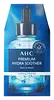
This hydrating sheet mask is formulated around Panthenol and Allantoin to hydrate skin and calm redness.
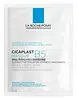
This barrier-repair sheet mask is formulated around Madecassoside and Sodium Hyaluronate to strengthen the skin barrier and calm redness.


What's inside
What's inside
 Key Ingredients
Benefits
Concerns
Ingredients Side-by-side
Maltitol
HumectantGlycerin
Humectant


Alcohol Denat.
Antimicrobial




Butylene Glycol
Humectant
Sorbitol
Humectant
Panthenol
Skin Conditioning

Betaine
Humectant
Diglycerin
Humectant
Hydroxyacetophenone
Antioxidant
Carbomer
Emulsion StabilisingHydroxyethyl Urea
Humectant
PEG-8 Hydrogenated Castor Oil
Emulsifying

Tromethamine
BufferingAllantoin
Skin Conditioning
Caffeine
Skin Conditioning
Xanthan Gum
EmulsifyingSodium Hyaluronate
Humectant
Caprylyl Glycol
Emollient
Dimethicone
Emollient
Ethylhexylglycerin
Skin ConditioningHexanediol
SolventParfum
Masking

Hydrogenated Lecithin
Emulsifying
Disodium EDTA
ChelatingPhenoxyethanol
Preservative
Althaea Rosea Flower Extract
Skin ConditioningCentaurea Cyanus Flower Water
Skin Conditioning
Ceramide NP
Skin Conditioning
Oryza Sativa Lipids
Skin ConditioningHydrolyzed Collagen
Emollient
Sea Water
HumectantAdansonia Digitata Pulp Extract
EmollientCentella Asiatica Extract
Cleansing
Panax Ginseng Root Extract
Emollient
Ginkgo Biloba Leaf Extract
Skin Conditioning
Trehalose
Humectant
Urea
Buffering
Ethyl Hexanediol
SolventGlyceryl Polyacrylate
Serine
Masking
Potassium Sorbate
Preservative
Sodium Benzoate
Masking
Chamaecyparis Obtusa Leaf Extract
Skin ConditioningOriganum Vulgare Leaf Extract
Skin ConditioningPentylene Glycol
Skin Conditioning
Salix Alba Bark Extract
Astringent

Cinnamomum Cassia Bark Extract
Masking
Lactobacillus/Soybean Ferment Extract
Skin ConditioningPortulaca Oleracea Extract
Skin Conditioning
Scutellaria Baicalensis Root Extract
Astringent
Algin
MaskingPullulan
Disodium Phosphate
BufferingPotassium Phosphate
BufferingMaltitol, Glycerin, Alcohol Denat., Butylene Glycol, Sorbitol, Panthenol, Betaine, Diglycerin, Hydroxyacetophenone, Carbomer, Hydroxyethyl Urea, PEG-8 Hydrogenated Castor Oil, Tromethamine, Allantoin, Caffeine, Xanthan Gum, Sodium Hyaluronate, Caprylyl Glycol, Dimethicone, Ethylhexylglycerin, Hexanediol, Parfum, Hydrogenated Lecithin, Disodium EDTA, Phenoxyethanol, Althaea Rosea Flower Extract, Centaurea Cyanus Flower Water, Ceramide NP, Oryza Sativa Lipids, Hydrolyzed Collagen, Sea Water, Adansonia Digitata Pulp Extract, Centella Asiatica Extract, Panax Ginseng Root Extract, Ginkgo Biloba Leaf Extract, Trehalose, Urea, Ethyl Hexanediol, Glyceryl Polyacrylate, Serine, Potassium Sorbate, Sodium Benzoate, Chamaecyparis Obtusa Leaf Extract, Origanum Vulgare Leaf Extract, Pentylene Glycol, Salix Alba Bark Extract, Cinnamomum Cassia Bark Extract, Lactobacillus/Soybean Ferment Extract, Portulaca Oleracea Extract, Scutellaria Baicalensis Root Extract, Algin, Pullulan, Disodium Phosphate, Potassium Phosphate
Water
Skin ConditioningGlycerin
Humectant
Propanediol
Solvent
Butylene Glycol
Humectant
Propylene Glycol
Humectant
Pentylene Glycol
Skin Conditioning
PEG/PPG/Polybutylene Glycol-8/5/3 Glycerin
HumectantMadecassoside
Antioxidant
Sodium Hyaluronate
Humectant
Sodium Polyacrylate
Absorbent
Ammonium Polyacryloyldimethyl Taurate
Emulsion StabilisingDisodium EDTA
ChelatingCitric Acid
Buffering

Xanthan Gum
EmulsifyingPanthenol
Skin Conditioning
Reviews
Ingredients Explained
These ingredients are found in both products.
Ingredients higher up in an ingredient list are typically present in a larger amount.
Butylene Glycol (or BG) is used within cosmetic products for a few different reasons:
Overall, Butylene Glycol is a safe and well-rounded ingredient that works well with other ingredients.
Though this ingredient works well with most skin types, some people with sensitive skin may experience a reaction such as allergic rashes, closed comedones, or itchiness.
Learn more about Butylene GlycolDisodium EDTA is a chelating agent. It grabs onto and deactivates metal ions that sneak into your products from water, packaging, or air.
This ingredient mainly works behind the scenes and helps with:
On top of that, this ingredient can counteract the effects of hard water by binding to the minerals in it.
One thing worth knowing is that Disodium EDTA has been shown to be a mild penetration enhancer. It can help other ingredients absorb into skin more effectively which can be a double-edged sword (great for actives, but can also make the active too strong if you have sensitive skin).
Clinical patch testing showed no significant skin irritation at typical use concentrations and minimal dermal absorption.
You'll most likely see this ingredient near the end of an ingredient list. It's typically found in concentrations less than 1%.
Learn more about Disodium EDTAGlycerin (or glycerol) is a compound naturally found in your skin. It's a powerhouse humectant that pulls water into the stratum corneum.
Topically, glycerin does several things at once:
Your skin makes glycerin on its own (mostly from sebaceous oil breakdown) and shuttles it to your outermost layer of skin, or your epidermis, via aquaporin-3.
Aquaporin-3 is a transporter that is essential for normal skin hydration, elasticity, and repair. Interestingly, mice lacking in AQP3 have dry and less elastic skin that can be fully corrected with glycerin.
This ingredient is non-irritating, plays well with almost every ingredient, and works across all skin types. Typical use is anywhere between 3-10% but can go up to 79% in some leave-on products.
Just know very high concentrations (>40%) can feel tacky in low humidity.
Glycerin is the name for this ingredient in American English. British English uses Glycerol/Glycerine.
Learn more about GlycerinPanthenol is a common ingredient that helps hydrate and soothe the skin. It is found naturally in our skin and hair.
There are two forms of panthenol: D and L.
D-panthenol is also known as dexpanthenol. Most cosmetics use dexpanthenol or a mixture of D and L-panthenol.
Panthenol is famous due to its ability to go deeper into the skin's layers. Using this ingredient has numerous pros (and no cons):
Like hyaluronic acid, panthenol is a humectant. Humectants are able to bind and hold large amounts of water to keep skin hydrated.
This ingredient works well for wound healing. It works by increasing tissue in the wound and helps close open wounds.
Once oxidized, panthenol converts to pantothenic acid. Panthothenic acid is found in all living cells.
This ingredient is also referred to as pro-vitamin B5.
Learn more about PanthenolPentylene Glycol (1,2-pentanediol) is a multitasking little diol with three main roles in a formula:
Research on alkanediols (the family pentylene glycol belongs to) show they work by disrupting microbial cell membranes. This disruption helps the primary preservative system in a product work more effectively at lower doses.
On the safety side, the Cosmetic Ingredient Review Expert Panel has concluded this ingredient to be safe as used in current cosmetic practices + concentrations.
Typical use levels in a formula run about 1-5%.
Learn more about Pentylene GlycolSodium Hyaluronate is the salt form of hyaluronic acid. It is a long sugar chain that is naturally found in your skin, joints, and connective tissue that maintains hydration and elasticity.
In skincare, it works as a humectant. It pulls water from the environment and deeper layers of skin and binds it to the surface.
Interestingly, the size of the molecule affects its behavior:
Some clinical evidence links low molecular weight versions to improved wrinkle depth, elasticity, anti-inflammatory effects, and barrier repair.
Many serums use a blend of both weights so you can get surface hydration plus longer-lasting and deeper effects.
You'll typically see concentrations between 0.1-2% for this ingredient.
Learn more about Sodium HyaluronateXanthan gum is used as a stabilizer and thickener within cosmetic products. It helps give products a sticky, thick feeling - preventing them from being too runny.
On the technical side of things, xanthan gum is a polysaccharide - a combination consisting of multiple sugar molecules bonded together.
Xanthan gum is a pretty common and great ingredient. It is a natural, non-toxic, non-irritating ingredient that is also commonly used in food products.
Learn more about Xanthan Gum

