
What's inside
What's inside
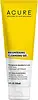 Key Ingredients
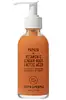
Benefits
Concerns
Ingredients Side-by-side
Water
Skin ConditioningLauryl Glucoside
CleansingDecyl Glucoside
CleansingCocamidopropyl Hydroxysultaine
CleansingSodium Lauroyl Methyl Isethionate
CleansingGlycerin
Humectant



Sodium Methyl Cocoyl Taurate
Cleansing
Disodium Cocoamphodiacetate
CleansingCocamidopropyl Betaine
Cleansing

Gluconolactone
Skin Conditioning



Parfum
Masking
Potassium Olivoyl PCA
CleansingPotassium Sorbate
Preservative
Citric Acid
Buffering

Alcohol
Antimicrobial



Rubus Fruticosus Fruit Extract
AstringentRosa Canina Fruit Extract
Astringent
Punica Granatum Extract
AstringentEuterpe Oleracea Fruit Extract

Chamomilla Recutita Flower Extract
Masking
Calendula Officinalis Flower Extract
Masking
Aspalathus Linearis Leaf Extract
Skin ConditioningWater, Lauryl Glucoside, Decyl Glucoside, Cocamidopropyl Hydroxysultaine, Sodium Lauroyl Methyl Isethionate, Glycerin, Sodium Methyl Cocoyl Taurate, Disodium Cocoamphodiacetate, Cocamidopropyl Betaine, Gluconolactone, Parfum, Potassium Olivoyl PCA, Potassium Sorbate, Citric Acid, Alcohol, Rubus Fruticosus Fruit Extract, Rosa Canina Fruit Extract, Punica Granatum Extract, Euterpe Oleracea Fruit Extract, Chamomilla Recutita Flower Extract, Calendula Officinalis Flower Extract, Aspalathus Linearis Leaf Extract
Water
Skin ConditioningGlycerin
Humectant
Propylene Glycol
Humectant
Coco-Glucoside
CleansingAmmonium Polyacryloyldimethyl Taurate
Emulsion StabilisingGlycolic Acid
Buffering

Sodium Methyl Cocoyl Taurate
Cleansing
Niacinamide
Smoothing
Lactic Acid
Buffering
Sodium Hydroxide
BufferingCarica Papaya Fruit Extract
Skin ConditioningIlex Paraguariensis Leaf Extract
Perfuming
Passiflora Edulis Fruit Juice
Skin ConditioningZingiber Officinale Root Extract
Masking
Ascorbyl Glucoside
Antioxidant

Caffeine
Skin Conditioning
Capryloyl Salicylic Acid
Exfoliating
Phytic Acid
Tocopherol
Antioxidant
Bisabolol
Masking
Caprylyl Glycol
Emollient
Citric Acid
Buffering
Coconut Acid
Cleansing
Ethylhexylglycerin
Skin ConditioningHelianthus Annuus Seed Oil
Emollient
Sodium Chloride
Masking
Trideceth-9
EmulsifyingLimonene
Perfuming
Linalool
Perfuming
CI 40800
Cosmetic ColorantChlorphenesin
Antimicrobial
Phenoxyethanol
Preservative
Potassium Sorbate
Preservative
Salicylic Acid
Masking
Sodium Benzoate
Masking
Parfum
Masking
Water, Glycerin, Propylene Glycol, Coco-Glucoside, Ammonium Polyacryloyldimethyl Taurate, Glycolic Acid, Sodium Methyl Cocoyl Taurate, Niacinamide, Lactic Acid, Sodium Hydroxide, Carica Papaya Fruit Extract, Ilex Paraguariensis Leaf Extract, Passiflora Edulis Fruit Juice, Zingiber Officinale Root Extract, Ascorbyl Glucoside, Caffeine, Capryloyl Salicylic Acid, Phytic Acid, Tocopherol, Bisabolol, Caprylyl Glycol, Citric Acid, Coconut Acid, Ethylhexylglycerin, Helianthus Annuus Seed Oil, Sodium Chloride, Trideceth-9, Limonene, Linalool, CI 40800, Chlorphenesin, Phenoxyethanol, Potassium Sorbate, Salicylic Acid, Sodium Benzoate, Parfum
Reviews
Ingredients Explained
These ingredients are found in both products.
Ingredients higher up in an ingredient list are typically present in a larger amount.
Citric Acid is an alpha hydroxy acid (AHA) naturally found in citrus fruits like oranges, lemons, and limes.
Like other AHAs, citric acid can exfoliate skin by breaking down the bonds that hold dead skin cells together. This helps reveal smoother and brighter skin underneath.
However, this exfoliating effect only happens at high concentrations (20%) which can be hard to find in cosmetic products.
Due to this, citric acid is usually included in small amounts as a pH adjuster. This helps keep products slightly more acidic and compatible with skin's natural pH.
In skincare formulas, citric acid can:
While it can provide some skin benefits, research shows lactic acid and glycolic acid are generally more effective and less irritating exfoliants.
Most citric acid used in skincare today is made by fermenting sugars (usually from molasses). This synthetic version is identical to the natural citrus form but easier to stabilize and use in formulations.
Read more about some other popular AHA's here:
Learn more about Citric AcidGlycerin is already naturally found in your skin. It helps moisturize and protect your skin.
A study from 2016 found glycerin to be more effective as a humectant than AHAs and hyaluronic acid.
As a humectant, it helps the skin stay hydrated by pulling moisture to your skin. The low molecular weight of glycerin allows it to pull moisture into the deeper layers of your skin.
Hydrated skin improves your skin barrier; Your skin barrier helps protect against irritants and bacteria.
Glycerin has also been found to have antimicrobial and antiviral properties. Due to these properties, glycerin is often used in wound and burn treatments.
In cosmetics, glycerin is usually derived from plants such as soybean or palm. However, it can also be sourced from animals, such as tallow or animal fat.
This ingredient is organic, colorless, odorless, and non-toxic.
Glycerin is the name for this ingredient in American English. British English uses Glycerol/Glycerine.
Learn more about GlycerinParfum is a catch-all term for an ingredient or more that is used to give a scent to products.
Also called "fragrance", this ingredient can be a blend of hundreds of chemicals or plant oils. This means every product with "fragrance" or "parfum" in the ingredients list is a different mixture.
For instance, Habanolide is a proprietary trade name for a specific aroma chemical. When used as a fragrance ingredient in cosmetics, most aroma chemicals fall under the broad labeling category of “FRAGRANCE” or “PARFUM” according to EU and US regulations.
The term 'parfum' or 'fragrance' is not regulated in many countries. In many cases, it is up to the brand to define this term.
For instance, many brands choose to label themselves as "fragrance-free" because they are not using synthetic fragrances. However, their products may still contain ingredients such as essential oils that are considered a fragrance by INCI standards.
One example is Calendula flower extract. Calendula is an essential oil that still imparts a scent or 'fragrance'.
Depending on the blend, the ingredients in the mixture can cause allergies and sensitivities on the skin. Some ingredients that are known EU allergens include linalool and citronellol.
Parfum can also be used to mask or cover an unpleasant scent.
The bottom line is: not all fragrances/parfum/ingredients are created equally. If you are worried about fragrances, we recommend taking a closer look at an ingredient. And of course, we always recommend speaking with a professional.
Learn more about ParfumPotassium Sorbate is a preservative used to prevent yeast and mold in products. It is commonly found in both cosmetic and food products.
This ingredient comes from potassium salt derived from sorbic acid. Sorbic acid is a natural antibiotic and effective against fungus.
Both potassium sorbate and sorbic acid can be found in baked goods, cheeses, dried meats, dried fruit, ice cream, pickles, wine, yogurt, and more.
You'll often find this ingredient used with other preservatives.
Learn more about Potassium SorbateThis gentle cleansing and foaming ingredient is known for leaving a smooth feeling in skin and hair. It is made using coconut oil.
According to the manufacturer, it is soluble in water and has resistance to hard water, acid, and alkali.
Due to its coconut base, it may not be Malassezia folliculitis safe.
Learn more about Sodium Methyl Cocoyl TaurateWater. It's the most common cosmetic ingredient of all. You'll usually see it at the top of ingredient lists, meaning that it makes up the largest part of the product.
So why is it so popular? Water most often acts as a solvent - this means that it helps dissolve other ingredients into the formulation.
You'll also recognize water as that liquid we all need to stay alive. If you see this, drink a glass of water. Stay hydrated!
Learn more about Water
