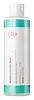
This calming toner is formulated around Centella Asiatica Leaf Water and Niacinamide to calm redness and strengthen the skin barrier.
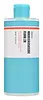
This calming essence is formulated around Centella Asiatica Leaf Water and Madecassoside to calm redness and strengthen the skin barrier.

What's inside
What's inside
 Key Ingredients
Benefits
Concerns
Ingredients Side-by-side
Water
Skin ConditioningCentella Asiatica Leaf Water
Skin Conditioning


Glycerin
Humectant

1,2-Hexanediol
Skin Conditioning
Niacinamide
Smoothing







Bis-PEG-18 Methyl Ether Dimethyl Silane
EmollientMadecassoside
Antioxidant
Dioscorea Japonica Root Extract
Skin Conditioning
Ceramide NP
Skin Conditioning
Adenosine
Skin Conditioning
Glycereth-26
Humectant
PEG/PPG-17/6 Copolymer
SolventPEG-60 Hydrogenated Castor Oil
Emulsifying


Styrene/Vp Copolymer
Tromethamine
BufferingButylene Glycol
Humectant
Acrylates/C10-30 Alkyl Acrylate Crosspolymer
Emulsion StabilisingAllantoin
Skin Conditioning
Carbomer
Emulsion StabilisingPropylene Glycol
Humectant
Hydrolyzed Corn Starch
HumectantBeta-Glucan
Skin Conditioning
Asiaticoside
Antioxidant
Citrus Grandis Peel Oil
Masking



Sucrose
Humectant
Pvm/Ma Copolymer
Emulsion StabilisingCitrus Limon Peel Oil
Masking
Sodium Polyacrylate
Absorbent
Hydrogenated Lecithin
Emulsifying
Caprylic/Capric Triglyceride
Masking
Lavandula Hybrida Oil
Emollient
Pelargonium Graveolens Flower Oil
Masking
Citrus Nobilis Peel Oil
Masking
Juniperus Mexicana Oil
Masking
Disodium EDTA
ChelatingChlorphenesin
Antimicrobial
Water, Centella Asiatica Leaf Water, Glycerin, 1,2-Hexanediol, Niacinamide, Bis-PEG-18 Methyl Ether Dimethyl Silane, Madecassoside, Dioscorea Japonica Root Extract, Ceramide NP, Adenosine, Glycereth-26, PEG/PPG-17/6 Copolymer, PEG-60 Hydrogenated Castor Oil, Styrene/Vp Copolymer, Tromethamine, Butylene Glycol, Acrylates/C10-30 Alkyl Acrylate Crosspolymer, Allantoin, Carbomer, Propylene Glycol, Hydrolyzed Corn Starch, Beta-Glucan, Asiaticoside, Citrus Grandis Peel Oil, Sucrose, Pvm/Ma Copolymer, Citrus Limon Peel Oil, Sodium Polyacrylate, Hydrogenated Lecithin, Caprylic/Capric Triglyceride, Lavandula Hybrida Oil, Pelargonium Graveolens Flower Oil, Citrus Nobilis Peel Oil, Juniperus Mexicana Oil, Disodium EDTA, Chlorphenesin
Water
Skin ConditioningCentella Asiatica Leaf Water
Skin Conditioning
Dipropylene Glycol
HumectantGlycerin
Humectant
1,2-Hexanediol
Skin Conditioning
PPG-13-Decyltetradeceth-24
EmulsifyingPhenyl Trimethicone
Skin Conditioning
Carbomer
Emulsion StabilisingCaprylic/Capric Triglyceride
Masking
Tromethamine
BufferingXanthan Gum
EmulsifyingMadecassoside
Antioxidant
Disodium EDTA
ChelatingButylene Glycol
Humectant
Asiaticoside
Antioxidant
Ceramide NP
Skin Conditioning
Panthenol
Skin Conditioning
Aloe Barbadensis Leaf Extract
Emollient
Centella Asiatica Extract
Cleansing
Citrus Aurantium Dulcis Peel Oil
Masking
Centella Asiatica Leaf Extract
Skin Conditioning
Polyglyceryl-10 Myristate
Skin Conditioning
Hydrogenated Lecithin
Emulsifying
Cinnamomum Camphora Bark Oil
Masking
Pelargonium Graveolens Flower Oil
Masking
Citrus Reticulata Peel Extract
Skin ConditioningCitrus Limon Peel Oil
Masking
Juniperus Mexicana Oil
Masking
Beta-Glucan
Skin Conditioning
Rosmarinus Officinalis Leaf Oil
Masking
Caprylyl Glycol
Emollient
Cananga Odorata Flower Oil
Masking
Tocopherol
Antioxidant
Madecassic Acid
Skin Conditioning
Asiatic Acid
Skin Conditioning
Limonene
Perfuming
Linalool
Perfuming
Citronellol
Perfuming
Water, Centella Asiatica Leaf Water, Dipropylene Glycol, Glycerin, 1,2-Hexanediol, PPG-13-Decyltetradeceth-24, Phenyl Trimethicone, Carbomer, Caprylic/Capric Triglyceride, Tromethamine, Xanthan Gum, Madecassoside, Disodium EDTA, Butylene Glycol, Asiaticoside, Ceramide NP, Panthenol, Aloe Barbadensis Leaf Extract, Centella Asiatica Extract, Citrus Aurantium Dulcis Peel Oil, Centella Asiatica Leaf Extract, Polyglyceryl-10 Myristate, Hydrogenated Lecithin, Cinnamomum Camphora Bark Oil, Pelargonium Graveolens Flower Oil, Citrus Reticulata Peel Extract, Citrus Limon Peel Oil, Juniperus Mexicana Oil, Beta-Glucan, Rosmarinus Officinalis Leaf Oil, Caprylyl Glycol, Cananga Odorata Flower Oil, Tocopherol, Madecassic Acid, Asiatic Acid, Limonene, Linalool, Citronellol
Ingredients Explained
These ingredients are found in both products.
Ingredients higher up in an ingredient list are typically present in a larger amount.
1,2-Hexanediol is a synthetic liquid and another multi-functional powerhouse.
It is a:
- Humectant, drawing moisture into the skin
- Emollient, helping to soften skin
- Solvent, dispersing and stabilizing formulas
- Preservative booster, enhancing the antimicrobial activity of other preservatives
Asiaticoside comes from the super popular skin-soothing ingredient, Centella asiatica. It's the reason centella-based products have a strong reputation for repairing and calming skin, along with its sibling compound Madecassoside.
Research from 2016-2025 supports its role in:
You'll usually find this in concentrations between 0.2-5%.
Learn more about AsiaticosideBeta-Glucan is a soluble polysaccharide (a chain of glucose sugars) sourced from the cells walls of oats, baker's yeast, mushrooms, and seaweed.
It's a rare ingredient that pulls double-duty as a heavy-duty hydrator and skin-soothing repair agent.
On the surface, it acts as a humectant that holds water in place and reduces moisture loss for a plumper, smoother feel, while its anti-inflammatory and antioxidant properties make it a great pick for calming redness or sensitive skin
The more interesting story is underneath:
Despite its large molecular size, oat beta-glucan has been shown to penetrate the epidermis and reach the dermis by slipping between skin cells. Here, it interacts with fibroblasts and macrophages to nudge collagen synthesis and support wound repair.
A small 2005 split-face clinical study of 27 subjects found topical beta-glucan produced measurable reductions in wrinkle depth, height, and roughness after 8 weeks of use.
It is worth noting the trial was small and the penetration testing used frozen, irradiated skin so the anti-aging data is encouraging rather than definitive.
This ingredient gets along with pretty much everything and is typically used around 0.1-1%.
Fungal acne: This ingredient is not a food source for the Malassezia yeast because it is a glucose polysaccharide with no fatty acid or ester component.
Learn more about Beta-GlucanButylene Glycol (or BG) is used within cosmetic products for a few different reasons:
Overall, Butylene Glycol is a safe and well-rounded ingredient that works well with other ingredients.
Though this ingredient works well with most skin types, some people with sensitive skin may experience a reaction such as allergic rashes, closed comedones, or itchiness.
Learn more about Butylene GlycolCaprylic/Capric Triglyceride (aka MCT Oil) is a lightweight emollient, solvent, and texture enhancer. It is considered a skin-softener by helping to prevent moisture loss.
Though it behaves like an oil, it is not technically one due to its chemical composition. One perk of this ingredient is that it is very stable, resistant to oxidation, and unlikely to go rancid.
In practice, that translates to a long shelf life and a consistently elegant skin feel.
While there is an assumption Caprylic Triglyceride can clog pores due to it being derived from coconut oil, there is no research supporting this. Just patch test if you have concerns.
Fractionated coconut oil and MCT Oil are both listed as Caprylic/Capric Triglyceride according to INCI. This is because INCI names are based on the ingredient’s final chemical composition and not its marketing name or source.
This ingredient is treated as the gold standard fungal acne safe oil. Even though it is coconut derived, the problematic lauric acid is stripped out.
This leaves just caprylic (C8) and capric (C10) acid. These chain lengths actually trend antifungal; a 2020 study found caprylic acid was enough to disrupt Malassezia furfur cell membrane, with a caprylic acid derivative damaging membrane structures at concentrations as low as 0.2%.
Learn more about Caprylic/Capric TriglycerideCarbomer is a synthetic thickening and gelling agent. It's basically the ingredient that gives a lot of serums, gels, creams, and sunscreens their smooth, non-sticky texture.
Although legally permitted at very high levels, carbomers are normally used at concentrations below 1%.
It also needs to be neutralized to actually thicken, and because it is a large molecule, it doesn't really penetrate the skin barrier.
Allergy-wise, the risk is very low. Clinical studies show carbomers have low potential for skin irritation/sensitization even at concentrations up to 100%.
A 2024 UK study patch-tested 1,302 patients and found true allergy to the parent group of carbomer to be rare with no confirmed relevant reactions.
Learn more about CarbomerCentella Asiatica Leaf Water is created by distilling centella asiatica leaves. Centella Asiatica is a herb native to Southeast Asia.
Many active components found in Centella Asiatica Extract, such as Madecassic Acid and Asiaticoside, encourage the skin to naturally produce hyaluronic acid. This helps keep our skin hydrated. Many of these components also show antioxidant activity and may help reduce the signs of aging.
Other components of Centella Asiatic Extract include Vitamin A, vitamin C, several B vitamins, and Asiatic Acid.
Learn more about Centella Asiatica Leaf WaterCeramide NP (formerly known as Ceramide 3) is one of the skin's naturally occurring lipids.
Since ceramides are the major lipid components of the skin, they are crucial for maintaining skin barrier and hydration. Ceramide NP most closely mirrors the dominant kind in human skin amongst ceramide subtypes.
This ceramide works by slotting into gaps within the stratum corneum's lipid matrix to limit trans-epidermal water loss (TEWL) and shield the skin against external irritants.
A study with 312 patients found that using a ceramide-containing routine for 4 weeks reduced the severity of atopic dermatitis by over 61%.
Another clinical study in subjects aged 60 and older found that a ceramide body wash and moisturizer improved skin dryness and itchy skin in 15 days.
Overall, ceramides are considered non-irritating and safety tests have found little to no observable adverse effects from using this ingredient.
Ceramide NP is usually sourced from plants (like soybean or rice bran), or produced synthetically.
Learn more about Ceramide NPCitrus Limon Peel Oil is created from the peels of the lemon. It is used to add a lemon-scent to products. Lemon peel oil also has antibacterial, antifungal, and antioxidant properties. However, it may also cause phototoxicity and sensitize skin.
Lemon peel oil contains limonene, a skin sensitizing ingredient. Another component is furanocoumarin, which induces phototoxicity in skin.
Furanocoumarins bind and destabilize your DNA to increase the rate of sunburn.
Most reputable companies will remove furanocoumarins from their formulations.
Learn more about Citrus Limon Peel OilDisodium EDTA is a chelating agent. It grabs onto and deactivates metal ions that sneak into your products from water, packaging, or air.
This ingredient mainly works behind the scenes and helps with:
On top of that, this ingredient can counteract the effects of hard water by binding to the minerals in it.
One thing worth knowing is that Disodium EDTA has been shown to be a mild penetration enhancer. It can help other ingredients absorb into skin more effectively which can be a double-edged sword (great for actives, but can also make the active too strong if you have sensitive skin).
Clinical patch testing showed no significant skin irritation at typical use concentrations and minimal dermal absorption.
You'll most likely see this ingredient near the end of an ingredient list. It's typically found in concentrations less than 1%.
Learn more about Disodium EDTAGlycerin (or glycerol) is a compound naturally found in your skin. It's a powerhouse humectant that pulls water into the stratum corneum.
Topically, glycerin does several things at once:
Your skin makes glycerin on its own (mostly from sebaceous oil breakdown) and shuttles it to your outermost layer of skin, or your epidermis, via aquaporin-3.
Aquaporin-3 is a transporter that is essential for normal skin hydration, elasticity, and repair. Interestingly, mice lacking in AQP3 have dry and less elastic skin that can be fully corrected with glycerin.
This ingredient is non-irritating, plays well with almost every ingredient, and works across all skin types. Typical use is anywhere between 3-10% but can go up to 79% in some leave-on products.
Just know very high concentrations (>40%) can feel tacky in low humidity.
Glycerin is the name for this ingredient in American English. British English uses Glycerol/Glycerine.
Learn more about GlycerinHydrogenated Lecithin is a more stable version of lecithin.
It's made by taking lecithin (a phospholipid commonly found in soybeans and egg yolks) and hydrogenating it. This just means the unsaturated fatty acids are turned into saturated ones so they don't go bad as easily.
This ingredient is an emollient, emulsifier, and penetration enhancer. As an emollient, it helps soften and hydrate skin by trapping moisture within. As an emulsifier, it prevents oil and water ingredients from separating.
Hydrogenated Lecithin can form tiny spherical structures made of phospholipid bilayers called liposomes. These liposomes are able to capture compounds inside their structure and deliver them through the skin barrier.
Because phospholipids are a natural component of our cell membranes, this ingredient is inherently compatible with skin.
A 2021 study found lecithin-based surfactants were less harsh and more tolerable comared to Sodium Lauryl Sulfate (SLS).
Learn more about Hydrogenated LecithinThis essential oil is steam-distilled from the wood of the Juniperus tree. It's mainly a fragrance ingredient used to cover the scent of other ingredients. It has a warm, woody scent.
Be sure to patch test if you are sensitive to essential oils or fragrance.
Another name for this ingredient is Texas Cedarwood oil.
Learn more about Juniperus Mexicana OilMadecassoside is one of four active compounds found in Centella asiatica and is one of the main reasons Centella is so effective at calming irritated skin and supporting the moisture barrier.
There's a solid body of peer-reviewed research backing Madecassoside for several skin benefits. Studies have found:
Madecassoside pairs well with other hydrating or antioxidant ingredients like Ascorbic Acid or Hyaluronic Acid.
Learn more about MadecassosidePelargonium Graveolens Flower Oil is the pressed oil of the Rose Geranium plant. It is volatile, meaning it evaporates off the skin.
Fragrant components of Rose Geranium include citronellol and geraniol. These may cause allergies and skin-sensitivity. We recommend speaking with a professional if you have any concerns.
The scent of Rose Geranium closely resembles traditional roses.
Learn more about Pelargonium Graveolens Flower OilTromethamine (aka THAM) is a synthetic amino acid that shows up in skincare as a helper ingredient.
It functions as a pH adjuster to help neutralize acidic ingredients and set a formula's pH to the right spot.
This matters a lot because a lot of actives (like vitamin C) needs a specific pH to work well and feel comfortable on skin.
Concentration use ranges from 0.1-1.0% depending on the formula.
Learn more about TromethamineWater. It's the most common cosmetic ingredient of all. You'll usually see it at the top of ingredient lists, meaning that it makes up the largest part of the product.
So why is it so popular? Water most often acts as a solvent - this means that it helps dissolve other ingredients into the formulation.
You'll also recognize water as that liquid we all need to stay alive. If you see this, drink a glass of water. Remember to stay hydrated!
Learn more about Water

