

What's inside
What's inside
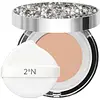 Key Ingredients
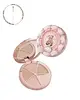
Benefits
Concerns
Ingredients Side-by-side
Water
Skin ConditioningCI 77891
Cosmetic ColorantPhenyl Trimethicone
Skin Conditioning
Isononyl Isononanoate
EmollientButylene Glycol
Humectant

Glycerin
Humectant
Ethylhexyl Methoxycinnamate
UV Absorber


Cyclopentasiloxane
Emollient
Cetyl PEG/PPG-10/1 Dimethicone
Emulsifying
Zinc Oxide
Cosmetic Colorant
Caprylic/Capric Triglyceride
Masking
Niacinamide
Smoothing








Cyclohexasiloxane
Emollient
1,2-Hexanediol
Skin Conditioning
Disteardimonium Hectorite
StabilisingIsododecane
EmollientSynthetic Fluorphlogopite
Sambucus Nigra Flower Extract
RefreshingChamomilla Recutita Extract
Skin Conditioning
Bis-PEG/PPG-14/14 Dimethicone
Emollient
Acrylates/Polytrimethylsiloxymethacrylate Copolymer
Skin ConditioningMagnesium Sulfate
Dimethicone
Emollient
Adenosine
Skin Conditioning
Mannitol
Humectant
Caprylyl Glycol
Emollient
Sh-Oligopeptide-1
Skin Conditioning
Disodium EDTA
ChelatingParfum
Masking



CI 77492
Cosmetic ColorantCI 77491
Cosmetic ColorantCI 77499
Cosmetic ColorantWater, CI 77891, Phenyl Trimethicone, Isononyl Isononanoate, Butylene Glycol, Glycerin, Ethylhexyl Methoxycinnamate, Cyclopentasiloxane, Cetyl PEG/PPG-10/1 Dimethicone, Zinc Oxide, Caprylic/Capric Triglyceride, Niacinamide, Cyclohexasiloxane, 1,2-Hexanediol, Disteardimonium Hectorite, Isododecane, Synthetic Fluorphlogopite, Sambucus Nigra Flower Extract, Chamomilla Recutita Extract, Bis-PEG/PPG-14/14 Dimethicone, Acrylates/Polytrimethylsiloxymethacrylate Copolymer, Magnesium Sulfate, Dimethicone, Adenosine, Mannitol, Caprylyl Glycol, Sh-Oligopeptide-1, Disodium EDTA, Parfum, CI 77492, CI 77491, CI 77499
CI 77891
Cosmetic ColorantTriethylhexanoin
MaskingDipentaerythrityl Hexahydroxystearate/Hexastearate/Hexarosinate
Skin ConditioningDiisostearyl Malate
EmollientPhenyl Trimethicone
Skin Conditioning
Microcrystalline Wax
Emulsion StabilisingPhytosteryl/Isostearyl/Cetyl/Stearyl/Behenyl Dimer Dilinoleate
Skin Conditioning
Pentaerythrityl Tetraisostearate
Emollient
Bis-Diglyceryl Polyacyladipate-2
Emollient
Paraffin
Skin Conditioning
Synthetic Fluorphlogopite
CI 77492
Cosmetic ColorantCaprylic/Capric Triglyceride
Masking
CI 77491
Cosmetic ColorantPolyglyceryl-6 Polyricinoleate
Emulsifying
Trihydroxystearin
Skin Conditioning
Disteardimonium Hectorite
StabilisingSilica Silylate
Emollient
Aluminum Hydroxide
EmollientPropylene Carbonate
SolventParfum
Masking
Dehydroacetic Acid
Preservative
CI 77499
Cosmetic ColorantDistearyldimonium Chloride
Tridecyl Trimellitate
EmollientSynthetic Wax
Abrasive

Boron Nitride
Absorbent
Petrolatum
Emollient
Trioctyldodecyl Citrate
EmollientBis-Behenyl/Isostearyl/Phytosteryl Dimer Dilinoleyl Dimer Dilinoleate
EmollientAcrylates/Stearyl Acrylate/Dimethicone Methacrylate Copolymer
Vinyl Dimethicone/Methicone Silsesquioxane Crosspolymer
C30-45 Alkyl Methicone
Emollient
Sorbitan Sesquioleate
Emulsifying
Hydrogenated Polycyclopentadiene
C30-45 Olefin
Skin ConditioningLauryl PEG-10 Tris(Trimethylsiloxy)Silylethyl Dimethicone
Emulsifying
Stearalkonium Hectorite
Gel FormingTriethoxycaprylylsilane
BHT
Antioxidant
Tocopheryl Acetate
Antioxidant
Tocopherol
Antioxidant
CI 77891, Triethylhexanoin, Dipentaerythrityl Hexahydroxystearate/Hexastearate/Hexarosinate, Diisostearyl Malate, Phenyl Trimethicone, Microcrystalline Wax, Phytosteryl/Isostearyl/Cetyl/Stearyl/Behenyl Dimer Dilinoleate, Pentaerythrityl Tetraisostearate, Bis-Diglyceryl Polyacyladipate-2, Paraffin, Synthetic Fluorphlogopite, CI 77492, Caprylic/Capric Triglyceride, CI 77491, Polyglyceryl-6 Polyricinoleate, Trihydroxystearin, Disteardimonium Hectorite, Silica Silylate, Aluminum Hydroxide, Propylene Carbonate, Parfum, Dehydroacetic Acid, CI 77499, Distearyldimonium Chloride, Tridecyl Trimellitate, Synthetic Wax, Boron Nitride, Petrolatum, Trioctyldodecyl Citrate, Bis-Behenyl/Isostearyl/Phytosteryl Dimer Dilinoleyl Dimer Dilinoleate, Acrylates/Stearyl Acrylate/Dimethicone Methacrylate Copolymer, Vinyl Dimethicone/Methicone Silsesquioxane Crosspolymer, C30-45 Alkyl Methicone, Sorbitan Sesquioleate, Hydrogenated Polycyclopentadiene, C30-45 Olefin, Lauryl PEG-10 Tris(Trimethylsiloxy)Silylethyl Dimethicone, Stearalkonium Hectorite, Triethoxycaprylylsilane, BHT, Tocopheryl Acetate, Tocopherol
Reviews
Ingredients Explained
These ingredients are found in both products.
Ingredients higher up in an ingredient list are typically present in a larger amount.
Caprylic/Capric Triglyceride (aka MCT Oil) is a lightweight emollient, solvent, and texture enhancer. It is considered a skin-softener by helping to prevent moisture loss.
Though it behaves like an oil, it is not technically one due to its chemical composition. One perk of this ingredient is that it is very stable, resistant to oxidation, and unlikely to go rancid.
In practice, that translates to a long shelf life and a consistently elegant skin feel.
While there is an assumption Caprylic Triglyceride can clog pores due to it being derived from coconut oil, there is no research supporting this. Just patch test if you have concerns.
Fractionated coconut oil and MCT Oil are both listed as Caprylic/Capric Triglyceride according to INCI. This is because INCI names are based on the ingredient’s final chemical composition and not its marketing name or source.
This ingredient is treated as the gold standard fungal acne safe oil. Even though it is coconut derived, the problematic lauric acid is stripped out.
This leaves just caprylic (C8) and capric (C10) acid. These chain lengths actually trend antifungal; a 2020 study found caprylic acid was enough to disrupt Malassezia furfur cell membrane, with a caprylic acid derivative damaging membrane structures at concentrations as low as 0.2%.
Learn more about Caprylic/Capric TriglycerideCi 77491 is also hydrated iron III oxide. It's sole purpose is to give a red/pink hue to products.
Iron III oxides are classified as inorganic chemicals for coloring.
Synthetically created Ci 77491 is considered safer than those naturally found. This is because the synthetically created version may contain less impurities. Iron oxides are generally non-toxic and non-allergenic.
Learn more about CI 77491CI 77492 is also hydrated iron III oxide. It's sole purpose is to give a yellow hue to products.
Iron III oxides are classified as inorganic chemicals for coloring.
Synthetically created CI 77492 is considered safer than those naturally found. This is because the synthetically created version may contain less impurities. Iron oxides are generally non-toxic and non-allergenic.
Learn more about CI 77492Ci 77499 is also hydrated iron III oxide. It is created from mixing red and black iron oxides. This helps give shades of darkness to a product.
Iron III oxides are classified as inorganic chemicals for coloring.
Ci 77891 is a white pigment from Titanium dioxide. It is naturally found in minerals such as rutile and ilmenite.
It's main function is to add a white color to cosmetics. It can also be mixed with other colors to create different shades.
Ci 77891 is commonly found in sunscreens due to its ability to block UV rays.
Learn more about CI 77891Disteardimonium Hectorite comes from the clay mineral named hectorite. It is used to add thickness to a product.
It can also help stabilize a product by helping to disperse other ingredients.
Hectorite is a rare, white clay mineral.
Learn more about Disteardimonium HectoriteParfum is a catch-all term for an ingredient or more that is used to give a scent to products.
Also called "fragrance", this ingredient can be a blend of hundreds of chemicals or plant oils. This means every product with "fragrance" or "parfum" in the ingredients list is a different mixture.
For instance, Habanolide is a proprietary trade name for a specific aroma chemical. When used as a fragrance ingredient in cosmetics, most aroma chemicals fall under the broad labeling category of “FRAGRANCE” or “PARFUM” according to EU and US regulations.
The term 'parfum' or 'fragrance' is not regulated in many countries. In many cases, it is up to the brand to define this term.
For instance, many brands choose to label themselves as "fragrance-free" because they are not using synthetic fragrances. However, their products may still contain ingredients such as essential oils that are considered a fragrance by INCI standards.
One example is Calendula flower extract. Calendula is an essential oil that still imparts a scent or 'fragrance'.
Depending on the blend, the ingredients in the mixture can cause allergies and sensitivities on the skin. Some ingredients that are known EU allergens include linalool and citronellol.
Parfum can also be used to mask or cover an unpleasant scent.
The bottom line is: not all fragrances/parfum/ingredients are created equally. If you are worried about fragrances, we recommend taking a closer look at an ingredient. And of course, we always recommend speaking with a professional.
Learn more about ParfumPhenyl Trimethicone is a silicon-based polymer. It is derived from silica.
Phenyl Trimethicone is used as an emollient and prevents products from foaming.
As an emollient, it helps trap moisture in the skin. It is considered an occlusive.
Learn more about Phenyl TrimethiconeSynthetic Fluorphlogopite is the synthethic version of mica. It consists of fluorine, aluminum and silicate.
Synthetic Fluorphlogopite is used to add volume to products.
It is considered non-irritating on the skin.
Learn more about Synthetic Fluorphlogopite


