Watsons Naturals Tea Tree Clarifying Pre Shampoo Clay Mask
A hair mask with 41 ingredients, including AHA, PHA, and exfoliants.
Hair mask with 41 ingredients that contains AHA, exfoliants, peptides and PHA
We independently verify ingredients, backed by peer-reviewed research. Suggest an update.
What's inside
Ingredients List
Water
Skin ConditioningKaolin
Abrasive



Cetearyl Alcohol
Emollient






Behentrimonium Methosulfate
SurfactantButyrospermum Parkii Butter
Skin Conditioning

Cetyl Alcohol
Emollient
Montmorillonite
AbsorbentGlycerin
Humectant
Hydroxyethylcellulose
Emulsion StabilisingPhenoxyethanol
Preservative
Parfum
Masking


Cetrimonium Chloride
Antimicrobial
Chlorphenesin
Antimicrobial
Citric Acid
Buffering

Sodium Acetate
BufferingTrisodium Ethylenediamine Disuccinate
ChelatingSilica
Abrasive
Crambe Abyssinica Seed Oil
Skin Conditioning
Melaleuca Alternifolia Leaf Oil
Antioxidant

Panthenol
Skin Conditioning

Simmondsia Chinensis Seed Oil
Emollient
Hamamelis Virginiana Water
Astringent
Propanediol
Solvent
Melaleuca Alternifolia Leaf Extract
Perfuming
Lavandula Angustifolia Oil
Masking
Arginine
Masking
Lactic Acid
Buffering


Laminaria Digitata Extract
Skin Protecting
Glycine Soja Germ Extract
EmollientTriticum Vulgare Germ Extract
Skin ConditioningSodium Benzoate
Masking
Gluconolactone
Chelating
Scutellaria Baicalensis Root Extract
Astringent
Potassium Sorbate
Preservative
Benzoic Acid
Masking
Ethylhexylglycerin
Skin ConditioningCopper Tripeptide-1
Skin Conditioning
Calcium Gluconate
HumectantLimonene
Perfuming
Linalool
Perfuming
Eugenol
Perfuming
Water, Kaolin, Cetearyl Alcohol, Behentrimonium Methosulfate, Butyrospermum Parkii Butter, Cetyl Alcohol, Montmorillonite, Glycerin, Hydroxyethylcellulose, Phenoxyethanol, Parfum, Cetrimonium Chloride, Chlorphenesin, Citric Acid, Sodium Acetate, Trisodium Ethylenediamine Disuccinate, Silica, Crambe Abyssinica Seed Oil, Melaleuca Alternifolia Leaf Oil, Panthenol, Simmondsia Chinensis Seed Oil, Hamamelis Virginiana Water, Propanediol, Melaleuca Alternifolia Leaf Extract, Lavandula Angustifolia Oil, Arginine, Lactic Acid, Laminaria Digitata Extract, Glycine Soja Germ Extract, Triticum Vulgare Germ Extract, Sodium Benzoate, Gluconolactone, Scutellaria Baicalensis Root Extract, Potassium Sorbate, Benzoic Acid, Ethylhexylglycerin, Copper Tripeptide-1, Calcium Gluconate, Limonene, Linalool, Eugenol
Key Ingredients
Benefits
Concerns
Ingredients Explained
Water. It's the most common cosmetic ingredient of all. You'll usually see it at the top of ingredient lists, meaning that it makes up the largest part of the product.
So why is it so popular? Water most often acts as a solvent - this means that it helps dissolve other ingredients into the formulation.
You'll also recognize water as that liquid we all need to stay alive. If you see this, drink a glass of water. Remember to stay hydrated!
Learn more about WaterKaolin is a clay. It is used for oil control and to help minimize pores. Like other clays, kaolin has the ability to absorb excess sebum or oil. This can help clean out pores and mattify the skin.
Some types of kaolin may have exfoliating properties. When water is added to kaolin, it becomes a paste with small abrasive particles.
Most kaolin is a white color, but may be pink/orange/red depending on where it comes from.
The name 'kaolin' comes from a Chinese village named 'Gaoling'. Kaolin clay comes from rocks rich in kaolinite. Kaolinite, the mineral, has a silicate layered structure. Kaolinite is formed from chemical weathering of aluminum siilicate minerals.
Besides skincare, kaolin is commonly used to make glossy paper, in ceramics, toothpaste, and as medicine to soothe stomach issues.
Learn more about KaolinCetearyl alcohol is a waxy mixture of two fatty alcohols: cetyl alcohol and stearyl alcohol. It is an emollient and emulsifier.
Despite having "alcohol" in its name, it has nothing to do with drying solvent alcohols; the FDA also allows "alcohol-free" products to contain fatty alcohols like this ingredient.
It plays several roles in a formula:
Typical use levels for this ingredient sit around 1-10% and the Cosmetic Ingredient Review Expert Panel has affirmed safety at concentrations up to 25% in leave-on products.
Multiple assessments have found it to be non-irritating and non-sensitizing to most people.
However, there have been some cases of allergic contact dermatitis in patients with chronically compromised skin barriers.
Cetearyl alcohol has a comedogenic rating of 2 and irritancy rating of 1. Both of these numbers come from the 1989 study that used rabbit ears; a "2" means mildly comedogenic and a "1" means low irritancy.
Here's the catch: rabbit skin is more sensitive than human skin and throws a lot of false positives. A 1996 reappraisal found that ingredients rated 1-2 in the rabbit ear tests are generally safe for humans.
Remember comedogenic ratings are unable to assess the entire formula of a product or how it will react on your skin. Just be sure to patch test if you are unsure about certain ingredients.
This ingredient is not fungal acne safe. Cetearyl alcohol is a fatty alcohol with chain lengths that fall within the range that Malassezia can metabolize.
A 2019 study has also observed Malassezia growth in the presence of this ingredient, confirming it to be not-fungal acne safe.
Learn more about Cetearyl AlcoholBehentrimonium Methosulfate is a gentle, positively-charged conditioning agent made from rapeseed oil.
It's the opposite of a harsh cleansing sulfate despite having "sulfate" in its name; its a detangler/softener in haircare and helps keep oil/water blended into a creamy texture as an emulsifier.
Concentration-wise, safety review reports the wider trimonium family shows up between 0.0005% to 10% in rinse-off products and 0.001% to 4% in leave-on products.
This ingredient is commonly used at ~1–5% when acting as the emulsifier.
Allergies to this ingredient are rare; the CIR panel noted the literature lacks clinical reports of irritation or sensitization and patch tests on finished products containing it came back clean.
Learn more about Behentrimonium MethosulfateThis ingredient is also known as shea butter. It is a plant-derived extract from the nuts of the Africa shea tree and one of the most well-studied emollients.
Because it has a high concentration of fatty acids (primarily oleic, stearic, and linoleic) it is able to form a protective barrier on the skin's surface. This helps seal in moisture and prevents transepidermal water loss (TEWL).
In vitro research found an increase in skin hydration by 58% and a decrease in TEWL by 37.8% after 24 hours of applying this ingredient (pretty impressive for a single ingredient!).
Besides hydration, shea butter also contains triterpenes that have anti-inflammatory potential. In particule, lupeol cinnamate has shown the highest anti-inflammatory activity in vivo.
Shea butter also contains vitamins A and E which may contribute to antioxidant activity.
While Shea Butter has an SPF rating of about 3-4, it is not a sunscreen replacement.
This ingredient may not be fungal acne safe because its fatty acids fall within the C11-C24 range that the Malassezia yeast can metabolize.
This ingredient shows up on a lot of "pore-clogging" lists but there's no real evidence behind that. It doesn't even have a comedogenic rating from an actual study; the numbers you'll find online come from blogs citing other blogs.
Ratings for other ingredients mostly come from a 1980s rabbit ear test. This test doesn't translate well to human skin or to real products because the ingredient sits at a much lower percentage.
Some people still find it breaks them out. So if that's you, definitely trust your skin. Just know this one's based on experience and not evidence.
Learn more about Butyrospermum Parkii ButterCetyl Alcohol is a fatty alcohol. Fatty Alcohols are most often used as an emollient or to thicken a product.
Its main roles are:
Though it has "alcohol" in the name, it is not related to denatured alcohol or ethyl alcohol.
The FDA allows products labeled "alcohol-free" to have fatty alcohols.
This ingredient may not be fungal acne safe. It is a primary fatty alcohol with a chain length above 12 carbons. A study from 2019 show Malassezia can feed on fatty alcohols in this range, so it may trigger fungal acne in those prone to it.
Learn more about Cetyl AlcoholMontmorillonite is a clay (aluminomagnesium silicate) with strong absorption properties. It has a similar pH to skin.
This clay is named after Montmorillon in France.
Learn about other types of clay, such as Kaolin, Bentonite, or Fuller's Earth.
Learn more about MontmorilloniteGlycerin (or glycerol) is a compound naturally found in your skin. It's a powerhouse humectant that pulls water into the stratum corneum.
Topically, glycerin does several things at once:
Your skin makes glycerin on its own (mostly from sebaceous oil breakdown) and shuttles it to your outermost layer of skin, or your epidermis, via aquaporin-3.
Aquaporin-3 is a transporter that is essential for normal skin hydration, elasticity, and repair. Interestingly, mice lacking in AQP3 have dry and less elastic skin that can be fully corrected with glycerin.
This ingredient is non-irritating, plays well with almost every ingredient, and works across all skin types. Typical use is anywhere between 3-10% but can go up to 79% in some leave-on products.
Just know very high concentrations (>40%) can feel tacky in low humidity.
Glycerin is the name for this ingredient in American English. British English uses Glycerol/Glycerine.
Learn more about GlycerinHydroxyethylcellulose is used to improve the texture of products. It is created from a chemical reaction involving ethylene oxide and alkali-cellulose. Cellulose is a sugar found in plant cell walls and help give plants structure.
This ingredient helps stabilize products by preventing ingredients from separating. It can also help thicken the texture of a product.
This ingredient can also be found in pill medicines to help our bodies digest other ingredients.
Learn more about HydroxyethylcellulosePhenoxyethanol is one of the most widely used preservatives in skincare (and for good reason!).
It has a large spectrum of antimicrobial activity and especially effective bacteria, yeast, and mold while only having a weak effect on your skin's natural microbiome.
On a cellular level, it disrupts the cell membranes of microbes by poking holes that make the cell leak. This shuts down the chemical reactions the microbe needs to make energy so it can no longer survive.
Another perk of this ingredient is that it stays functional across a wide pH range (3-10).
You'll often see it paired with boosters like Ethylhexylglycerin; one study showed that a 1:9 ratio of Ethylhexylglycerin to Phenoxyethanol damages bacterial membranes as effectively as doubling the Phenoxyethanol concentration on its own.
Typical use concentrations range from 0.3-1% depending on the formula, and this ingredient is capped at 1% int the EU.
Safety-wise, the fear mongering does not hold up to the evidence. The EU's Scientific Committee on Consumer Safety and FDA consider it safe as a preservative at up to 1%, including for children of all ages.
Adverse systemic effects only showed up in animal studies at exposures roughly 200x higher than what people get from cosmetics. And despite its very widespread use, this ingredient is a rare sensitizer and allergic reactions are uncommon.
Learn more about PhenoxyethanolParfum is a catch-all term for an ingredient or more that is used to give a scent to products.
Also called "fragrance", this ingredient can be a blend of hundreds of chemicals or plant oils. This means every product with "fragrance" or "parfum" in the ingredients list is a different mixture.
For instance, Habanolide is a proprietary trade name for a specific aroma chemical. When used as a fragrance ingredient in cosmetics, most aroma chemicals fall under the broad labeling category of “FRAGRANCE” or “PARFUM” according to EU and US regulations.
The term 'parfum' or 'fragrance' is not regulated in many countries. In many cases, it is up to the brand to define this term.
For instance, many brands choose to label themselves as "fragrance-free" because they are not using synthetic fragrances. However, their products may still contain ingredients such as essential oils that are considered a fragrance by INCI standards.
One example is Calendula flower extract. Calendula is an essential oil that still imparts a scent or 'fragrance'.
Depending on the blend, the ingredients in the mixture can cause allergies and sensitivities on the skin. Some ingredients that are known EU allergens include linalool and citronellol.
Parfum can also be used to mask or cover an unpleasant scent.
The bottom line is: not all fragrances/parfum/ingredients are created equally. If you are worried about fragrances, we recommend taking a closer look at an ingredient. And of course, we always recommend speaking with a professional.
Learn more about ParfumThis ingredient is a preservative, antimicrobial, and emulsifier. It is often used in cosmetics for its ability to cleanse, condition, and reduce static.
Cetrimonium chloride is a quaternary ammonium salt, meaning it has a water-soluble structure.
Chlorphenesin is a synthetic preservative. It helps protect a product against bacteria in order to extend shelf life. In most cases, Chlorphenesin is paired with other preservatives such as phenoxyethanol and caprylyl glycol.
Chlorphenesin is a biocide. This means it is able to help fight the microorganisms on our skin. It is also able to fight odor-releasing bacteria.
Chlorphenesin is soluble in both water and glycerin.
Studies show Chlorphenesin is easily absorbed by our skin. You should speak with a skincare professional if you have concerns about using Chlorphenesin.
Learn more about ChlorphenesinCitric Acid is an alpha hydroxy acid (AHA) naturally found in citrus fruits like oranges, lemons, and limes.
Like other AHAs, citric acid can exfoliate skin by breaking down the bonds that hold dead skin cells together. This helps reveal smoother and brighter skin underneath.
However, this exfoliating effect only happens at high concentrations (20%) which can be hard to find in cosmetic products.
Due to this, citric acid is usually included in small amounts as a pH adjuster. This helps keep products slightly more acidic and compatible with skin's natural pH.
In skincare formulas, citric acid can:
While it can provide some skin benefits, research shows lactic acid and glycolic acid are generally more effective and less irritating exfoliants.
Most citric acid used in skincare today is made by fermenting sugars (usually from molasses). This synthetic version is identical to the natural citrus form but easier to stabilize and use in formulations.
Rosacea skin has a lower threshold for acids generally, with 62.5% of rosacea subjects in one study reacting to lactic acid in a sting test. This is why we mark citric acid as a potential rosacea trigger.
However, this ingredient shows up as a pH adjuster or chelator at roughly 0.1-1% in many products. These low levels are unlikely to be an issue for rosacea skin and becomes a potential trigger at exfoliating concentrations (20%). Because everybody's skin is unique, we recommend a patch test if you are unsure.
Learn more about Citric AcidWe don't have a description for Sodium Acetate yet.
Trisodium Ethylenediamine Disuccinate is used to help stabilize a product.
It is a chelating agent, meaning it helps prevent metal ions from binding to other ingredients. This prevents unwanted reactions in products. Metal ions can come into a product via the water ingredient. They are found in trace amounts and are not known to be harmful.
Silica, also known as silicon dioxide, is a naturally occurring mineral. It is used as a fine, spherical, and porous powder in cosmetics.
Though it has exfoliant properties, the function of silica varies depending on the product.
The unique structure of silica enhances the spreadability and adds smoothness, making it a great texture enhancer.
It is also used as an active carrier, emulsifier, and mattifier due to its ability to absorb excess oil.
In some products, tiny microneedles called spicules are made from silica or hydrolyzed sponge. When you rub them in, they lightly polish away dead skin layers and enhance the penetration of active ingredients.
Learn more about SilicaThis ingredient is also known as Abyssinian Oil. It comes from the seeds of the Crambe abyssinica plant and has skin conditioning properties.
What makes this oil unique is its unusually high content of erucic acid (50-65%). The other fatty acids found in this oil are oleic acid (15%) and linoleic acid (13%).
In cosmetics, abyssinian oil acts as an emollient that forms a protective layer on skin to lock in moisture without adding a heavy, greasy feeling. It also has a silky, silicone-like slip to it and is fairly resistant to oxidation.
Due to its fatty acid content, this ingredient may not be fungal acne safe.
Learn more about Crambe Abyssinica Seed OilThis ingredient is also known as tea tree oil. It has antioxidant, anti-inflammatory, and antimicrobial properties.
Tea tree oil is a complex lipophilic (fat-loving) oil that contains around 100 compounds with terpinen-4-ol being the most abundant (~40%).
Terpinen-4-ol is responsible for tea tree oil's broad-spectrum antimicrobial activity and makes it a well-researched option for acne.
Clinical studies support 5% tea tree oil as an effective topical treatment for mild to moderate acne. A study with 124 patients compared 5% tea tree oil gel to 5% benzoyl peroxide and both reduced acne (though tea tree oil worked more slowly).
Besides acne, it is also seen in anti-dandruff shampoos and scalp treatments for it's antimicrobial and anti-seborrheic properties.
Safety-wise, the allergic potential of low concentrations on healthy skin is considered low. However, oxidized (old or improperly stored) tea tree oil is a stronger sensitizer.
Irritation can also occur if using the undiluted oil on skin; it's best to use this ingredient as part of a carefully crafted cosmetic formula. This is because regulations require tea tree oil in cosmetics to be stabilized to prevent degradation.
This ingredient has been deemed safe up to 2% in shampoo, 1% in cleansers, and 0.1% in face cream by the EU's Scientific Committee on Consumer Safety (SCCS).
There is some lab evidence that tea tree oil is antifungal against Malassezia, but it is a supportive option at best and not a replacement for proven antifungal treatments.
Learn more about Melaleuca Alternifolia Leaf OilPanthenol is a common ingredient that helps hydrate and soothe the skin. It is found naturally in our skin and hair.
There are two forms of panthenol: D and L.
D-panthenol is also known as dexpanthenol. Most cosmetics use dexpanthenol or a mixture of D and L-panthenol.
Panthenol is famous due to its ability to go deeper into the skin's layers. Using this ingredient has numerous pros (and no cons):
Like hyaluronic acid, panthenol is a humectant. Humectants are able to bind and hold large amounts of water to keep skin hydrated.
This ingredient works well for wound healing. It works by increasing tissue in the wound and helps close open wounds.
Once oxidized, panthenol converts to pantothenic acid. Panthothenic acid is found in all living cells.
This ingredient is also referred to as pro-vitamin B5.
Learn more about PanthenolJojoba oil is one of the most well-studied plant-derived ingredients in cosmetics. It is an emollient with a special structure.
Because it is made up of 97-98% wax esters, it closely mirrors the linear monoesters found in human sebum. This makes it skin compatible, non-greasy, and lightweight.
Unlike other plant oils, jojoba wax doesn't easily penetrate skin. It mostly works in the uppermost layers as an emollient. This just means it forms a light barrier on the skin to help retain moisture.
Formulations with jojoba esters up to 90% reduced transepidermal water loss (TEWL) and increased barrier recovery by 81% (outperforming bisabolol at 47%).
Besides barrier support, the science also suggests jojoba to have anti-inflammatory effects and potential applications for skin infections, aging, and wound healing.
Fun fact: Indigenous cultures have used jojoba as a moisturizer and to help treat burns for centuries.
Fungal acne: The Malassezia yeast is known to metabolize fatty acids in the C11-24 range and jojoba's dominant fatty acid components fall into this range. This ingredient may not be fungal acne safe.
Learn more about Simmondsia Chinensis Seed OilHamamelis Virginiana Water is made by distilling parts of the witch hazel plant. You can also call this ingredient "witch hazel water".
The name 'Hamamelis Virginiana Water' refers to the distillation product used in cosmetics. On the other hand, 'Witch Hazel' refers to the active drug ingredient.
Unless it is specified to be non-alcohol, many types of witch hazel ingredients are distilled in denatured alcohol.
Witch Hazel water is an astringent, anti-inflammatory antioxidant, and antibacterial ingredient.
It contains tannins. Tannins have a drying effect when used on skin by constricting proteins. The constriction also minimizes the appearance of pores.
Both the tannins and fragrance found in witch hazel may be skin-sensitizing.
Witch hazel water gets anti-inflammatory and antibacterial properties from its catechin and gallic acid content.
Indigenous groups have used witch hazel to help treat inflammation in North America for centuries.
Learn more about Hamamelis Virginiana WaterPropanediol is an all-star ingredient. It softens, hydrates, and smooths the skin.
It’s often used to:
Propanediol is not likely to cause sensitivity and considered safe to use. It is derived from corn or petroleum with a clear color and no scent.
Learn more about PropanediolMelaleuca Alternifolia Leaf Extract comes from the Tea Tree, Melaleuca alternifolia, Myrtaceae. This tea tree is native to Australia.
Tea Leaf extract contains antimicrobial and anti-acne properties.
This ingredient has perfuming properties and contains linalool and limonene. These fragrance and terpinen components can cause skin sensitivity.
Learn more about the benefits of Tea Tree Oil here.
Learn more about Melaleuca Alternifolia Leaf ExtractLavandula Angustifolia Oil is more commonly known as lavender essential oil. It is considered a fragrancing ingredient.
Lavender imparts a famous scent. While the smell is lovely, this ingredient and may sensitize skin in topical products. This is because about 85% of the oil is made up of linalool and linalyl acetate.
When exposed to air, these two compounds become strong allergens. This ingredient exhibits cytotoxicity at low concentrations; amounts of 0.25% have been shown to damage skin cells.
A study from Japan found this ingredient caused lavender sensitivity after widespread exposure.
Lavender essential oil has some antimicrobial, antibacterial, and anti-inflammatory properties. However, the cons of this ingredient may outweight the pros.
More research is needed to confirm lavender essential oil's effects when used in aromatherapy.
Lavandula Angustifolia is known as the English Lavender and famous for creating purple fields in Provence, France.
Learn more about Lavandula Angustifolia OilArginine is a semi-essential amino acid. This just means our bodies can product a bit on its own, but sometimes needs a little boost from food sources.
It is a part of your skin's natural moisturizing factor (NMF), or the water-loving molecules in your outermost layer of skin (stratum corneum) that keeps everything hydrated and happy.
Here's an interesting thing about Arginine: your skin converts it into urea through the Krebs-Henseleit urea cycle. Urea is one of the most effective humectants your skin naturally produces.
A clinical study showed applying 2.5% arginine hydrochloride to atopic dermatitis skin showed significant urea levels in the stratum corneum and improved moisture in just four weeks.
Arginine is also a precursor to nitric oxide; nitric oxide improves microcirculation and supports wound healing and collagen synthesis.
One study found that an amino acid complex containing Arginine reduced skin irritation, improved hydration, and accelerated skin repair in clinical / in-vivo studies.
Arginine itself is an amino acid and not a fatty acid, oil, or ester. On its own, it's not a direct food source for Malassezia, or the yeast that causes fungal acne.
Learn more about ArginineLactic Acid is another well-loved alpha hydroxy acid (AHA). It is gentler than glycolic acid but still highly effective.
Its main role is to exfoliate the surface of the skin by loosening the “glue” that holds dead skin cells together. Shedding those old cells leads to smoother, softer, and more even-toned skin.
Because lactic acid molecules are larger than glycolic acid, they don’t penetrate as deeply. This means they’re less likely to sting or irritate, making it a great choice for beginners or those with sensitive skin.
Like glycolic acid, it can:
Lactic acid also acts as a humectant (like hyaluronic acid). It can draw water into the skin to improve hydration and also plays a role in the skin's natural moisturizing factor (NMF) in the form of sodium lactate.
Studies show it can boost ceramide production to strengthen the skin barrier and even help balance the skin’s microbiome.
To get results, choose products with a pH between 3-4.
Lower strengths (5-12%) focus on surface exfoliation; higher strengths (12% and up) can reach deeper in the dermis (deeper, supportive layer) to improve skin texture and firmness over time.
Though it was originally derived from milk, most modern lactic acid used in skincare is vegan. It is made through non-dairy fermentation to create a bio-identical and stable form suitable for all formulations.
When lactic acid shows up near the end of an ingredient list, it usually means the brand added just a tiny amount to adjust the product’s pH.
Legend has it that Cleopatra used to bathe in sour milk to help reduce wrinkles.
Lactic acid is truly a gentle multitasker: it exfoliates, hydrates, strengthens, and brightens. It's a great ingredient for giving your skin a smooth, glowing, and healthy look without the harshness of stronger acids.
Read more about some other popular AHA's here:
Learn more about Lactic AcidLaminaria Digitata Extract comes from the big brown seaweed (or kelp) that grows in the North Atlantic. In skincare, it's mostly used as a skin protectant and conditioning agent.
The most interesting stuff inside is mostly just sugars and minerals: fucoidan (a sulfated polysaccharide), laminarin (a beta-glucan), alginates, and phlorotannins (seaweed polyphenols).
Any antioxidant and soothing claims mostly come from those polysaccharides; crude laminarin and fucoidan from Laminaria digitata do show antioxidant and anti-inflammatory activity in lab assays.
Just know that the lab assays are test-tube work on isolated compounds and not clinical trials on the finished extract.
Realistically, this ingredient is a nice-feeling and hydrating skin conditioner (not really an active).
Safety-wise, it's one of the better documented seaweeds and safe to be used in cosmetics according to the CIR Expert Panel.
Industry surveys find that usage concentrations run can be found up to 5% in bubble baths and leave-on usage is more likely 0.1-3%.
The risk of allergy is also quite low as human repeat insult patch tests (under 5% and blends containing 8-12%) came back non-irritating and non-sensitizing. Rabbit studies came back negative too, though one trade mixture at 1.5-2.5% in water + propylene glycol did cause moderate irritation at 30 minutes.
Reported seaweed allergies in the literature are almost all occupational (people handling wet kelp) or from a totally unrelated blue/green alga.
You'll see seaweed listed as a 5/5 on a lot of pore-clogging charts and that number doesn't come from anywhere; it's not in the original rabbit-ear studies that most comedogenic ratings trace back to.
The reasoning behind the reputation is that seaweed is high in iodine and iodine can trigger acne-like breakouts when eaten. This traces back to a 1976 letter in Archives of Dermatology describing two women whose breakouts cleared after they stopped taking high-dose kelp supplements orally.
And the reaction of these two women wasn't clogged pores at all: it was an iodine-triggered pustular rash. Later research found normal dietary iodine doesn't meaningfully affect acne either and nobody has shown topical algae delivers enough iodine to matter.
What we do have is dozens of brown and red algae ingredients found to be non-irritating and non-sensitizing, and a handful of studies that found algae compounds may actually help acne.
However, plenty of people do report breaking out from algae-containing products. Skin is individual and it's worth avoiding if yours has reacted to algae before.
The 0-5 scale comes from applying ingredients to the inside of an albino rabbit's ear. Rabbit follicles are far more reactive than human ones so it over-predicts. Even petrolatum was reassigned as non-comedogenic by the original scientist, Kligman.
Here are three more problems of comedogenic ratings:
Learn more about Laminaria Digitata ExtractWe don't have a description for Glycine Soja Germ Extract yet.
This ingredient is extracted from the germ part of the wheat plant. The germ of a plant refers to the seed embryo, or part that sprouts into a new plant.
Some studies have found wheat germ to help with wound healing.
Sodium Benzoate is a preservative. It's used in both cosmetic and food products to inhibit the growth of mold and bacteria. It is typically produced synthetically.
Both the US FDA and EU Health Committee have approved the use of sodium benzoate. In the US, levels of 0.1% (of the total product) are allowed.
Sodium benzoate works as a preservative by inhibiting the growth of bacteria inside of cells. It prevents the cell from fermenting a type of sugar using an enzyme called phosphofructokinase.
It is the salt of benzoic acid. Foods containing sodium benzoate include soda, salad dressings, condiments, fruit juices, wines, and snack foods.
Studies for using ascorbic acid and sodium benzoate in cosmetics are lacking, especially in skincare routines with multiple steps.
We always recommend speaking with a professional, such as a dermatologist, if you have any concerns.
Learn more about Sodium BenzoateGluconolactone is a PHA. PHAs are a great gentle alternative to traditional AHAs.
When applied, Gluconolactone has the same affect on skin as AHAs such as lactic acid. It helps dissolve the dead skin cells in the top layer of your skin. This improves texture and brightens the skin.
PHAs are more gentle than AHAs due to their larger structure. They do not penetrate as deeply as AHAs and take a longer time to dissolve dead cells. Studies show PHAs do not cause as much irritation.
Gluconolactone has some interesting properties:
In a 2004 study, Gluconolactone was found to prevent UV damage in mouse skin cells and has not been found to increase sun sensitivity. However, we still recommend wearing SPF daily.
This ingredient is is an created by reacting gluconic acid with an alcohol.
Learn more about GluconolactoneScutellaria Baicalensis Root Extract comes from the Baikal skullcap or Chinese skullcap plant. This plant is native to Northeast Asia and can be found in China, Mongolia, Korea, and Siberia.
In cosmetics, Scutellaria Baicalensis Root Extract provides antioxidant and anti-inflammatory benefits. This is due to the flavonoid composition of Scutellaria Baicalensis Root Extract.
In Chinese traditional folk medicine, Scutellaria Baicalensis Root Extract is used to help treat lung issues and hypertension.
Learn more about Scutellaria Baicalensis Root ExtractPotassium Sorbate is a preservative used to prevent yeast and mold in products. It is commonly found in both cosmetic and food products.
This ingredient comes from potassium salt derived from sorbic acid. Sorbic acid is a natural antibiotic and effective against fungus.
Both potassium sorbate and sorbic acid can be found in baked goods, cheeses, dried meats, dried fruit, ice cream, pickles, wine, yogurt, and more.
You'll often find this ingredient used with other preservatives.
Learn more about Potassium SorbateBenzoic Acid is an organic acid that shows up in cosmetics as a preservative. It helps keep a product from spoiling by holding back the growth of yeast, mold, and some bacteria.
This ingredient also functions as a fragrance ingredient that helps mask the unpleasant scent of other ingredients.
The way it works is worth understanding; benzoic acid works when the formula is acidic. It is able to sneak into a microbe's cell and mess up how it functions to stop it from growing in an acidic product.
However, the acid switches to an inactive form and stops working if a product isn't acidic enough (above ~5 pH). This is why you'll often see it in low pH products or teamed up with other preservatives to cover the gap.
Safety wise, it's one of the better studied preservatives out there.
The Cosmetic Ingredient Review Expert Panel has concluded this ingredient to be safe for use in cosmetic formulations at concentrations up to 5%.
A large international review found this ingredient had no effects on the human body and had low irritation potential.
Just so you know, real world use is usually much lower than the 5% ceiling (usually 1% of less).
The EU caps it at 2.5% in rinse-off products, 1.7% in oral care, and 0.5% in leave-on products.
One thing worth mentioning (it's nothing to worry about): some people get a little stinging or flushing where they apply it. This isn't a true allergy; it's a temporary and harmless reaction. This is the same kind of mild tingle you might notice from sorbic acid.
Learn more about Benzoic AcidEthylhexylglycerin is created from glycerin. It is a multitasker ingredient that:
The CIR Expert Panel found minimal skin absorption or sensitization of any kind in a safety assessment. Though this ingredient is considered well-tolerated, a small number of cases of allergic dermatitis have been published since 2002. Just be sure to patch test if you are unsure.
Industry-reported use ranges from 8% in rinse-off products and 2% in leave-on formulations.
Learn more about EthylhexylglycerinCopper Tripeptide-1 (GHK-Cu) is a skin repairing ingredient said to boost collagen, improve firmness, and support skin regeneration.
It is a complex made up of a naturally occurring peptide (glycine-histidine-lysine) and copper, an essential trace element.
While studying wound healing, researchers noticed GHK-Cu stimulated hair follicle enlargement and growth by keeping hair in its active growth phase longer. This has made it a promising ingredient for hair regrowth treatments.
Some people have reported increased facial hair. While GHK-Cu can make your hair follicles bigger, it usually doesn’t turn soft, barely-visible facial hairs into thick, dark ones.
Anecdotal reports suggest that overusing copper peptides might lead to premature aging due to excess free copper or enzyme imbalances. This claim isn’t backed by large-scale studies.
Unfortunately, there are limited human studies for this ingredient. While early results are promising, many studies are either small, in-vitro, or not rigorously controlled.
For example, there is a 1998 study that explored the effects of copper tripeptide, vitamin C, tretinoin, and melatonin on skin repair and collagen synthesis.
After one month, increased procollagen production was seen in 7 out of 10 participants using copper tripeptide (more than those using vitamin C, melatonin, or tretinoin.
While the study was exploratory, it offers early evidence that copper tripeptide may support collagen production. Larger, well-designed trials are still needed to confirm its potential and understand individual responses.
Read more about other common types of peptides here:
Learn more about Copper Tripeptide-1This ingredient is calcium salt of gluconic acid. It is a humectant, meaning it attracts water to your skin.
Limonene is the compound that gives citrus peel its smell.
In skincare, it shows up as a standalone fragrance ingredient or as a natural compound of citrus and other essential oils.
You'll typically see this ingredient used in very small amounts; anything above 0.001% in a leave-on product or 0.01% in a rinse-off has to be named on the label in the EU. The citrus oils that carry it sit around 0.5-1% in a finished formula.
Fresh limonene is a weak allergen; the real issue is that it slowly reacts with air and then breaks down from oxidation to create hydroperoxides (which are strong sensitizers). This is why suppliers are required to keep the peroxide value below 20 mmol.
Positive reactions in people being investigated for eczema vary:
It's worth skipping if you have a known fragrance allergy or a compromised barrier, but the risk is low for most people.
Older or long-opened products are also more likely to bother you than fresh ones due to oxidation.
Learn more about LimoneneLinalool is a small, naturally occurring scent molecule found in plants like lavender, coriander, bergamot, and more.
It is one of the two most-used fragrance ingredients in cosmetics and added purely for smell. Since it's not used for a skin benefit, there's no "effective dose". Concentration depends on the fragrance load of the product.
The EU requires it to be named on the label above 0.001% in leave-on and 0.01% in rinse-off products.
Fresh linalool is a weak sensitizer but air exposure turns some of it into hydroperoxides, which are strong sensitizers. Those oxidation products are the actual allergy concern.
Patch-test clinics see positive reactions to linalool hydroperoxides in about 4% to 12% of dermatitis patients depending on country and test concentration.
Resassuringly, one analytical study found hydroperoxide levels in real fragranced products to be orders of magnitude below what induced sensitization in animal studies with no evidence of oxidation building up during normal storage.
The practical takeaway is that linalool is fine for most people but worth avoiding if you have a confirmed fragrance contact allergy or a badly compromised barrier.
Products stored a long time after opening are also the high-risk scenario since that is when oxidation happens.
The scent of linalool is described as floral, spicy tropical, and citrus-like.
Learn more about LinaloolEugenol is naturally found in cloves, basil, and bay leaves. It is an aromatic oil used to add fragrance to a product. The scent of eugenol is described as "clove-like". Eugenol is a known EU allergen, meaning it causes contact allergies.
Studies show eugenol possesses antibacterial and antioxidant properties.
Besides cosmetics, eugenol is also added as a flavor in teas and cakes.
Learn more about EugenolReviews
No written reviews yet. Be the first to review this product.
Recent searches
Search reviews by skin type, ingredient, or keyword.
Where it's from
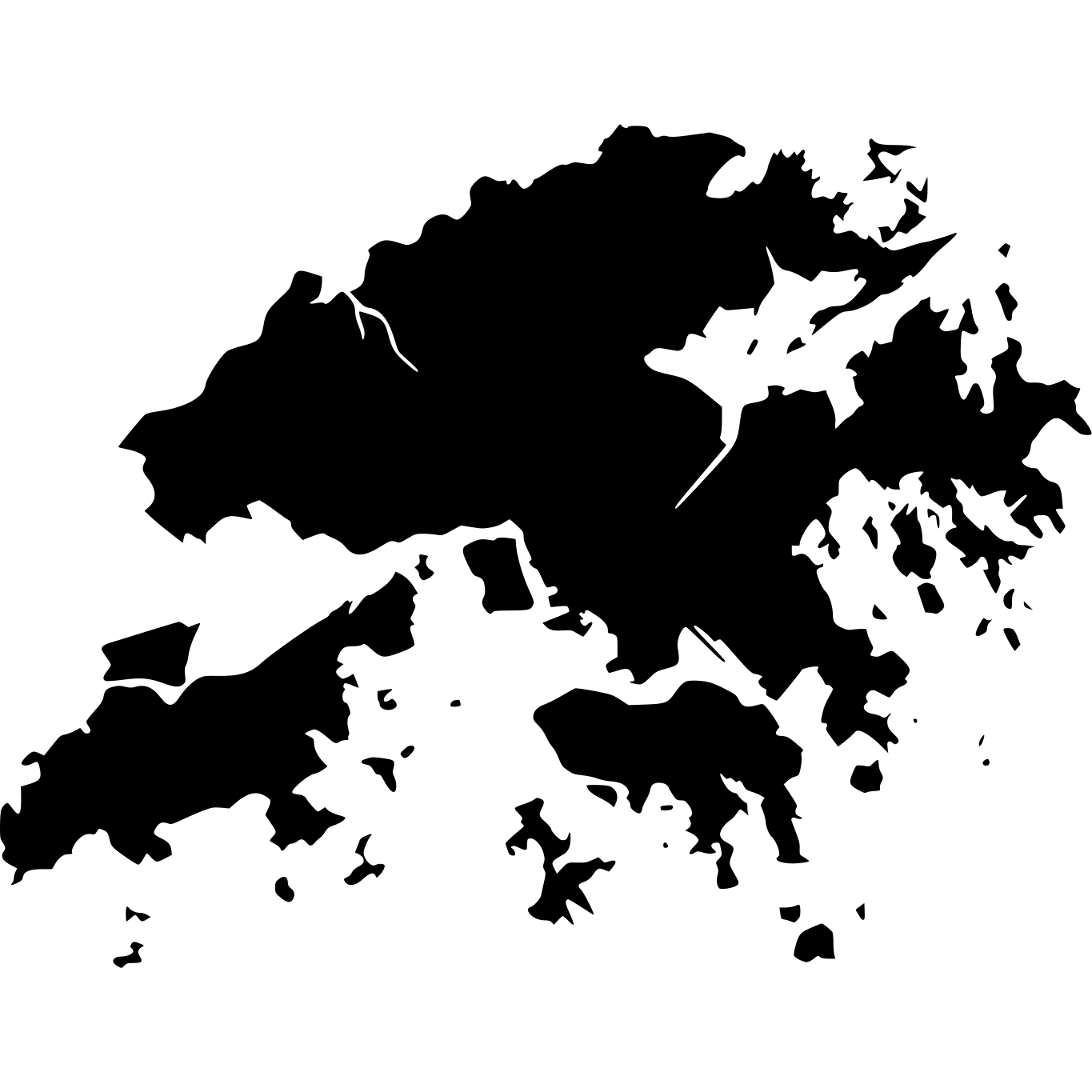
Watsons is a Hong Kongese brand

We're dedicated to providing you with the most up-to-date and science-backed ingredient info out there.
The data we've presented on this page has been verified by a member of the SkinSort Team.
Read more about us· Updated August 5, 2026 • Added by zoey2000


