AlumierMD Recovery Balm
A facial treatment with 50 ingredients, including niacinamide and peptides.
This barrier-repair treatment is formulated around Simmondsia Chinensis Seed Oil and Niacinamide to strengthen the skin barrier and calm redness.
We independently verify ingredients, backed by peer-reviewed research. Suggest an update.
What's inside
Ingredients List
Water
Skin ConditioningPropanediol
Solvent

Simmondsia Chinensis Seed Oil
Emollient



Butyrospermum Parkii Butter
Skin Conditioning


Glycerin
Humectant
Dimethicone
Emollient
Caprylic/Capric Triglyceride
Masking
Behenyl Alcohol
Emollient
Theobroma Cacao Seed Butter
Emollient
Sodium Acrylates Copolymer
Niacinamide
Smoothing









Hinokitiol
Resveratrol
Antioxidant
Tetrapeptide-14
Skin Conditioning
Copper Tripeptide-1
Skin Conditioning
Lavandula Angustifolia Flower/Leaf/Stem Extract
Masking

Aspalathus Linearis Leaf Extract
Skin ConditioningBoswellia Serrata Gum Extract
Skin ConditioningHoney Extract
Humectant
Anthemis Nobilis Flower Extract
Masking
Camellia Sinensis Leaf Extract
Antimicrobial
Eucalyptus Globulus Leaf Extract
Perfuming
Mentha Viridis Extract
MaskingPogostemon Cablin Leaf Extract
Perfuming
Pyrus Malus Fruit Extract
Skin Conditioning
Rose Extract
Skin ConditioningRosmarinus Officinalis Leaf Extract
AntimicrobialVaccinium Macrocarpon Fruit Extract
AstringentPoria Cocos Extract
Skin ConditioningSqualane
Emollient
Aloe Barbadensis Leaf Juice
Skin Conditioning
Lecithin
Emollient
Linalool
Perfuming
Hydrogenated Lecithin
Emulsifying
Disodium EDTA
Polymethyl Methacrylate
Sodium Hydroxide
BufferingTricaprylin
Perfuming
Caprylyl Glycol
Emollient
Xylitol
Humectant
Caprylic Acid
CleansingSodium Methyl Stearoyl Taurate
CleansingXanthan Gum
EmulsifyingLimonene
Perfuming
Benzyl Salicylate
Perfuming
Amyl Cinnamal
Perfuming
Citronellol
Perfuming
Geraniol
Perfuming
Citric Acid
Buffering
Ethylhexylglycerin
Skin ConditioningWater, Propanediol, Simmondsia Chinensis Seed Oil, Butyrospermum Parkii Butter, Glycerin, Dimethicone, Caprylic/Capric Triglyceride, Behenyl Alcohol, Theobroma Cacao Seed Butter, Sodium Acrylates Copolymer, Niacinamide, Hinokitiol, Resveratrol, Tetrapeptide-14, Copper Tripeptide-1, Lavandula Angustifolia Flower/Leaf/Stem Extract, Aspalathus Linearis Leaf Extract, Boswellia Serrata Gum Extract, Honey Extract, Anthemis Nobilis Flower Extract, Camellia Sinensis Leaf Extract, Eucalyptus Globulus Leaf Extract, Mentha Viridis Extract, Pogostemon Cablin Leaf Extract, Pyrus Malus Fruit Extract, Rose Extract, Rosmarinus Officinalis Leaf Extract, Vaccinium Macrocarpon Fruit Extract, Poria Cocos Extract, Squalane, Aloe Barbadensis Leaf Juice, Lecithin, Linalool, Hydrogenated Lecithin, Disodium EDTA, Polymethyl Methacrylate, Sodium Hydroxide, Tricaprylin, Caprylyl Glycol, Xylitol, Caprylic Acid, Sodium Methyl Stearoyl Taurate, Xanthan Gum, Limonene, Benzyl Salicylate, Amyl Cinnamal, Citronellol, Geraniol, Citric Acid, Ethylhexylglycerin
Key Ingredients
Benefits
Concerns
Ingredients Explained
Water. It's the most common cosmetic ingredient of all. You'll usually see it at the top of ingredient lists, meaning that it makes up the largest part of the product.
So why is it so popular? Water most often acts as a solvent - this means that it helps dissolve other ingredients into the formulation.
You'll also recognize water as that liquid we all need to stay alive. If you see this, drink a glass of water. Remember to stay hydrated!
Learn more about WaterPropanediol is an all-star ingredient. It softens, hydrates, and smooths the skin.
It’s often used to:
Propanediol is not likely to cause sensitivity and considered safe to use. It is derived from corn or petroleum with a clear color and no scent.
Learn more about PropanediolJojoba oil is one of the most well-studied plant-derived ingredients in cosmetics. It is an emollient with a special structure.
Because it is made up of 97-98% wax esters, it closely mirrors the linear monoesters found in human sebum. This makes it skin compatible, non-greasy, and lightweight.
Unlike other plant oils, jojoba wax doesn't easily penetrate skin. It mostly works in the uppermost layers as an emollient. This just means it forms a light barrier on the skin to help retain moisture.
Formulations with jojoba esters up to 90% reduced transepidermal water loss (TEWL) and increased barrier recovery by 81% (outperforming bisabolol at 47%).
Besides barrier support, the science also suggests jojoba to have anti-inflammatory effects and potential applications for skin infections, aging, and wound healing.
Fun fact: Indigenous cultures have used jojoba as a moisturizer and to help treat burns for centuries.
Fungal acne: The Malassezia yeast is known to metabolize fatty acids in the C11-24 range and jojoba's dominant fatty acid components fall into this range. This ingredient may not be fungal acne safe.
Learn more about Simmondsia Chinensis Seed OilThis ingredient is also known as shea butter. It is a plant-derived extract from the nuts of the Africa shea tree and one of the most well-studied emollients.
Because it has a high concentration of fatty acids (primarily oleic, stearic, and linoleic) it is able to form a protective barrier on the skin's surface. This helps seal in moisture and prevents transepidermal water loss (TEWL).
In vitro research found an increase in skin hydration by 58% and a decrease in TEWL by 37.8% after 24 hours of applying this ingredient (pretty impressive for a single ingredient!).
Besides hydration, shea butter also contains triterpenes that have anti-inflammatory potential. In particule, lupeol cinnamate has shown the highest anti-inflammatory activity in vivo.
Shea butter also contains vitamins A and E which may contribute to antioxidant activity.
While Shea Butter has an SPF rating of about 3-4, it is not a sunscreen replacement.
This ingredient may not be fungal acne safe because its fatty acids fall within the C11-C24 range that the Malassezia yeast can metabolize.
This ingredient shows up on a lot of "pore-clogging" lists but there's no real evidence behind that. It doesn't even have a comedogenic rating from an actual study; the numbers you'll find online come from blogs citing other blogs.
Ratings for other ingredients mostly come from a 1980s rabbit ear test. This test doesn't translate well to human skin or to real products because the ingredient sits at a much lower percentage.
Some people still find it breaks them out. So if that's you, definitely trust your skin. Just know this one's based on experience and not evidence.
Learn more about Butyrospermum Parkii ButterGlycerin (or glycerol) is a compound naturally found in your skin. It's a powerhouse humectant that pulls water into the stratum corneum.
Topically, glycerin does several things at once:
Your skin makes glycerin on its own (mostly from sebaceous oil breakdown) and shuttles it to your outermost layer of skin, or your epidermis, via aquaporin-3.
Aquaporin-3 is a transporter that is essential for normal skin hydration, elasticity, and repair. Interestingly, mice lacking in AQP3 have dry and less elastic skin that can be fully corrected with glycerin.
This ingredient is non-irritating, plays well with almost every ingredient, and works across all skin types. Typical use is anywhere between 3-10% but can go up to 79% in some leave-on products.
Just know very high concentrations (>40%) can feel tacky in low humidity.
Glycerin is the name for this ingredient in American English. British English uses Glycerol/Glycerine.
Learn more about GlycerinDimethicone is a type of synthetic silicone created from natural materials such as quartz. It is also known as polydimethylsiloxane.
What it does:
Dimethicone comes in different viscosities:
Depending on the viscosity, dimethicone has different properties.
Ingredients lists don't always show which type is used, so we recommend reaching out to the brand if you have questions about the viscosity.
This ingredient is unlikely to cause irritation because it does not get absorbed into skin. However, people with silicone allergies should be careful about using this ingredient.
Note: Dimethicone may contribute to pilling. This is because it is not oil or water soluble, so pilling may occur when layered with products. When mixed with heavy oils in a formula, the outcome is also quite greasy.
Learn more about DimethiconeCaprylic/Capric Triglyceride (aka MCT Oil) is a lightweight emollient, solvent, and texture enhancer. It is considered a skin-softener by helping to prevent moisture loss.
Though it behaves like an oil, it is not technically one due to its chemical composition. One perk of this ingredient is that it is very stable, resistant to oxidation, and unlikely to go rancid.
In practice, that translates to a long shelf life and a consistently elegant skin feel.
While there is an assumption Caprylic Triglyceride can clog pores due to it being derived from coconut oil, there is no research supporting this. Just patch test if you have concerns.
Fractionated coconut oil and MCT Oil are both listed as Caprylic/Capric Triglyceride according to INCI. This is because INCI names are based on the ingredient’s final chemical composition and not its marketing name or source.
This ingredient is treated as the gold standard fungal acne safe oil. Even though it is coconut derived, the problematic lauric acid is stripped out.
This leaves just caprylic (C8) and capric (C10) acid. These chain lengths actually trend antifungal; a 2020 study found caprylic acid was enough to disrupt Malassezia furfur cell membrane, with a caprylic acid derivative damaging membrane structures at concentrations as low as 0.2%.
Learn more about Caprylic/Capric TriglycerideBehenyl Alcohol is a type of fatty alcohol (these are different from the drying, solvent alcohols).
Fatty Alcohols have hydrating properties and are most often used as an emollient or to thicken a product. They are usually derived from natural fats and oils; behenyl alcohol is derived from the fats of vegetable oils.
Emollients help keep your skin soft and hydrated by creating a film that traps moisture in.
In 2000, Behenyl Alcohol was approved by the US as medicine to reduce the duration of cold sores.
Learn more about Behenyl AlcoholTheobroma Cacao Seed Butter comes from the Theobroma cacoa, or Cacao tree. Cacao trees are native to tropical landscapes.
Like other plant butters, Cacao seed butter is an emollient. Emollients help soothe and soften your skin. By creating a barrier to trap moisture in, emollients help keep your skin hydrated.
Cacao seed butter contains antioxidants known as polyphenols. Antioxidants help fight free-radical molecules by stabilizing them. Unstable free-radicals may cause damage to your skin cells. Antioxidants may help with anti-aging.
Theobroma Cacao Seed Butter can be bad for acne prone skin.
Learn more about Theobroma Cacao Seed ButterThis ingredient is a synthetic, salt form polymer built from acrylic acid, ethacrylic acid, or their simple esters. It works as a binder, film former, and viscosity increasing agent.
Typical concentrations start at around 0.5% but can go up to 25% for film-forming or binding.
The CIR Expert Panel assessed the safety of 126 acrylates copolymers and concluded they are safe in cosmetics at current use levels when formulated to be non-irritating. They also noted the levels present in finished cosmetic products are not considered a safety risk and Genotoxicity testing (Ames tests, chromosomal aberration assays) has come back negative across the board.
Though the raw building blocks (like acrylic acid) can be irritating on their own, cosmetic-grade versions go through purification to keep levels extremely low.
Sodium Acrylates Copolymer is a large molecule that doesn't penetrate skin barrier in any meaningful way.
Learn more about Sodium Acrylates CopolymerNiacinamide is a multitasking form of vitamin B3 that strengthens the skin barrier, reduces pores and dark spots, regulates oil, and improves signs of aging.
And the best part? It's gentle and well-tolerated by most skin types, including sensitive and reactive skin.
You might have heard of "niacin flush", or the reddening of skin that causes itchiness. Niacinamide has not been found to cause this.
In very rare cases, some individuals may not be able to tolerate niacinamide at all or experience an allergic reaction to it.
If you are experiencing flaking, irritation, and dryness with this ingredient, be sure to double check all your products as this ingredient can be found in all categories of skincare.
When incorporating niacinamide into your routine, look out for concentration amounts. Typically, 5% niacinamide provides benefits such as fading dark spots. However, if you have sensitive skin, it is better to begin with a smaller concentration.
When you apply niacinamide to your skin, your body converts it into nicotinamide adenine dinucleotide (NAD). NAD is an essential coenzyme that is already found in your cells as "fuel" and powers countless biological processes.
In your skin, NAD helps repair cell damage, produce new healthy cells, support collagen production, strengthen the skin barrier, and fight environmental stressors (like UV and pollution).
Our natural NAD levels start to decline with age, leading to slower skin repair, visible aging, and a weaker skin barrier. By providing your skin niacinamide, you're recharging your skin's NAD levels. This leads to stronger, healthier, and younger looking skin.
Another name for vitamin B3 is nicotinamide. This vitamin is water-soluble and our bodies don't store it. We obtain Vitamin B3 from either food or skincare. Meat, fish, wheat, yeast, and leafy greens contain vitamin B3.
The type of niacinamide used in skincare is synthetically created.
Learn more about NiacinamideHinokitiol is a naturally occurring compound in the wood of trees like the hinoki cypress or western red cedar. It mostly has antistatic and hair conditioning functions.
Lab studies have shown it has broad-spectrum antibacterial activity, antifungal properties, anti-inflammatory effects, and antioxidant activity.
Resveratrol is a well-studied polyphenol antioxidant that has gained attention in skincare for its protective and calming effects on the skin. It’s often considered a gentler option for people who can’t tolerate retinoids.
This antioxidant is best known for its anti-aging benefits. Research suggests resveratrol helps combat visible signs of aging by:
Beyond anti-aging, resveratrol is also valued for its skin-brightening and soothing properties.
Some forms of resveratrol appear to be more effective than others. Resveratrol isobutyrate and resveratrol butyrate are often cited as more stable derivatives.
Research also suggests these two forms have stronger effects on Type I collagen stimulation and inflammation reduction compared to basic resveratrol.
Resveratrol is naturally unstable and can degrade when exposed to light and oxygen. Well-designed products often use stabilized derivatives, airless or opaque packaging, and supporting antioxidants to help maintain effectiveness on skin.
A note on resveratrol as a retinoid alternative:
While resveratrol offers antioxidant protection, inflammation control, and some collagen-supporting benefits, it does not replace retinoids in terms of cell turnover or acne treatment.
However, it can be a useful option for people with retinoid sensitivity or intolerance, or for those looking to support skin health without irritation.
Fun fact: Resveratrol is naturally found in grapes, peanuts, and berries, which is why it’s frequently associated with wine and grape-derived skincare ingredients.
Learn more about ResveratrolTetrapeptide-14 is a peptide.
Copper Tripeptide-1 (GHK-Cu) is a skin repairing ingredient known for its ability to boost collagen, improve firmness, and support skin regeneration.
It is a complex made up of a naturally occurring peptide (glycine-histidine-lysine) and copper, an essential trace element.
While studying wound healing, researchers noticed GHK-Cu stimulated hair follicle enlargement and growth by keeping hair in its active growth phase longer. This has made it a promising ingredient for hair regrowth treatments.
Some people have reported increased facial hair. While GHK-Cu can make your hair follicles bigger, it usually doesn’t turn soft, barely-visible facial hairs into thick, dark ones.
Anecdotal reports suggest that overusing copper peptides might lead to premature aging due to excess free copper or enzyme imbalances. This claim isn’t backed by large-scale studies.
Unfortunately, there are limited human studies for this ingredient. While early results are promising, many studies are either small, in-vitro, or not rigorously controlled.
For example, there is a 1998 study that explored the effects of copper tripeptide, vitamin C, tretinoin, and melatonin on skin repair and collagen synthesis.
After one month, increased procollagen production was seen in 7 out of 10 participants using copper tripeptide (more than those using vitamin C, melatonin, or tretinoin.
While the study was exploratory, it offers early evidence that copper tripeptide may support collagen production. Larger, well-designed trials are still needed to confirm its potential and understand individual responses.
Read more about other common types of peptides here:
Learn more about Copper Tripeptide-1This ingredient comes from the lavender plant. It is used to add a scent or mask an unpleasant one in products.
Lavender contains linalool and linalyl acetate.
When exposed to air, these two compounds become strong allergens. This ingredient exhibits cytotoxicity at low concentrations; amounts of 0.25% have been shown to damage skin cells.
Learn more about Lavandula Angustifolia Flower/Leaf/Stem ExtractThis ingredient is also known as Rooibos tea extract. It is a caffeine-free plant rich in antioxidants such as vitamin C and polyphenols.
We don't have a description for Boswellia Serrata Gum Extract yet.
This ingredient comes from honey made by bees. It is hydrating, antibacterial, anti-aging, and skin soothing.
Honey also contains amino acids, peptides, Vitamins A, C, and E.
The humectant property of honey draws moisture from the air to your skin. This makes it great at helping to hydrate the skin.
Honey may help reduce the signs of aging due to its antioxidant properties. Fun fact: darker honey has more antioxidants than light honey. The antibacterial property of honey may make it effective at helping to treat acne by killing acne-causing bacteria.
Many people wonder if honey extract is vegan. It is technically a byproduct from bees. This is because honey is created from the digestive enzymes in a bee's stomach.
Remember to be kind to bees :) They are important for many ecosystems and are endangered.
Learn more about Honey ExtractAnthemis Nobilis Flower Extract is from the Roman Chamomile flower. It helps soothe the skin and contains antioxidants.
Camellia Sinensis Leaf Extract (tea extract) is one of the most well-researched plant extracts in skincare with an impressive resume.
Black tea, green tea, and oolong tea are all harvested from the Camellia Sinensis plant.
Studies show green tea extract and its catechins (like epigallocatechin gallate (EGCG)) help your skin cells product energy more efficiently and reducing the number of free-radicals that can damage your skin from the inside.
In lab-grown skin models, this translated to younger, healthier, and stronger skin.
There's also good sun protection data; researchers saw less DNA damage and redness on human skin when green tea was applied before UVB exposure. And the more they applied, the better the protection.
Needless to say, this ingredient shouldn't replace your sunscreen. But it is a great supportive ingredient that you can already find in many sunscreens and antioxidant serums.
A 2009 study found a 2% green tea lotion was effective for mild-to-moderate acne thanks to its anti-inflammatory and mild antimicrobial activity.
The quality of the extract matters a lot here:
Good extracts contain 50-90% catechins while lower quality ones are mostly there for marketing. We recommend reaching out to the brand if you have questions about the quality or source of their ingredients.
Human Repeated Insult Patch Testing showed no irritation or sensitization at use concentrations (0.86% in leave-on products and up to 30% as leaf water).
Learn more about Camellia Sinensis Leaf ExtractEucalyptus globulus leaf extract comes from the leaves of the blue gum tree. It has perfuming and skin conditioning properties.
According to a manufacturer, this ingredient has antioxidants to help protect skin against free radicals.
This ingredient is water-soluble.
Learn more about Eucalyptus Globulus Leaf ExtractWe don't have a description for Mentha Viridis Extract yet.
Pogostemon Cablin Leaf Extract is a fragrance.
Pyrus Malus Fruit Extract is extract from Apples. Apples are rich in Vitamin C, sugars, and antioxidants.
The sugar in Apples are humectants and help hydrate the skin. On top of that, apples also contain some acids, such as malic acid. These acids may have a mild exfoliating effect.
Last, the phytochemicals found in apples are strong antioxidants. These antioxidants help with anti-aging as they protect your skin cells against oxidative damage.
Learn more about Pyrus Malus Fruit ExtractRose extract comes from various species of the Rosa genus. It has skin conditioning and antioxidant properties due to its polyphenol, flavonoid, and phenolic acid content.
Rosa damascena, Rosa centifolia, and Rosa gallica.
Just keep in mind that rose extracts contain known fragrance allergens like citronellol, geraniol, linalool, and limonene.
Learn more about Rose ExtractThis is a botanical extract from the rosemary plant (the same one you cook with). In skincare, it mostly works as a skin conditioning agent.
Its activity comes from a handful of polyphenols, carnosic acid, carnosol, and rosmarinic acid. Almost 90% of the antioxidant activity of this ingredient can be attributed to canosol and carnosic acid.
These compounds protect your skin two ways:
1) They fight off free radicals, or the unstable molecules from things like sun and pollution that age and damage skin.
2) They help calm inflammation by switching off the chemical signals that tell skin to get red and irritated.
Lab studies also suggest that rosmarinic acid may help protect collagen and slow sugar-related damage to it.
The Cosmetic Ingredient Review has concluded rosemary-derived ingredients to be safe when formulated to be non-sensitizing.
Rosemary can occasionally cause allergic contact dermatitis (due to carnosol), so be sure to patch test if you have reactive or fragrance-sensitive skin.
Learn more about Rosmarinus Officinalis Leaf ExtractVaccinium Macrocarpon Fruit Extract comes from the cranberry fruit. Vaccinium Macrocarpon is the North American species of cranberries native to eastern Canada.
As an astringent, cranberry extract helps tighten the pores by constricting the cells.
Cranberries contain Vitamin E and Vitamin C, both potent antioxidants. It also contains minerals such as manganese and copper.
Learn more about Vaccinium Macrocarpon Fruit ExtractThis ingredient comes from a medicinal mushroom commonly used in East Asian medicine. It has skin conditioning properties. It is also known as Wolfiporia extensa.
It is particularly great at soothing inflammation and protecting skin from stress due to its high content of polysaccharides and triterpenoids.
Some studies link the triterpenes to reduced oxidative stress and collagen protection in skin models. This suggests potential benefits for early signs of aging.
On top of that, studies also report tyrosinase inhibition and reduced melanin production in melanocyte models to help brighten skin (though more clinical evidence is needed for definitive claims).
The polysaccharides can also help hydrate the skin as humectants.
Safety data shows a low irritation risk for this ingredient. However, like any extract, some may experience an allergic reaction when using this ingredient. Be sure to patch test!
Learn more about Poria Cocos ExtractSqualane is the hydrogenated and shelf-stable form of squalene (a lipid that naturally occurs in human sebum).
It is an emollient and skin conditioning agent that is able to integrate seamlessly into the skin's lipid barrier without clogging pores.
This is due to how structurally similar it is to what your skin already produces.
Though it is mostly an emollient that helps soften and hydrate skin, it also has some humectant and occlusive action. Humectants help the skin retain moisture while occlusives seal it in, making squalane a triple-threat moisturizer.
Research shows it has antioxidant capabilities that help protect against stressors like UV exposure, specifically UVA induced oxidative stress. This study also found that it supports collagen biosynthesis in human dermal fibroblasts.
No clinical study has reported significant adverse effects and irritation reactions are very rare from this ingredient (even at 100% concentration).
Overall, it's a fantastic ingredient for hydration and is suitable for all skin types.
This depends on the source. Squalane can be derived from both plants and animals. Most squalane used in skincare comes from plants.
Please note: the source of squalane is only known if disclosed by the brand. We recommend reaching out to the brand if you have any questions about their squalane.
Read more about squalene with an "e".
Though squalane is often called an oil, it’s technically not one. It is a hydrocarbon, meaning it is only made of carbon and hydrogen. True oils are triglycerides and made of fatty acids and glycerol.
The term “oil-free” isn’t regulated so companies can define it however they want. Some exclude all oils, while others just avoid mineral oil or comedogenic oils.
Squalane has a comedogenic rating of 1 from the original 1972 study that tested raw ingredients under occlusion on rabbit ears. This system is not standardized or peer-reviewed, and using the raw ingredients is very different from how diluted cosmetic formulations are used on human skin.
A comedogenic rating of 1 means it is "unlikely to clog pores" according to the original rating system.
The overall formula of a product matters more than the individual ingredients on whether or not it will cause clogged pores.
Learn more about SqualaneAloe Barbadensis Leaf Juice is the filtered, stabilized liquid pressed from the inner gel of the aloe vera leaf.
In cosmetics, it shows up as either soothing active or a water-replacement base. It is roughly 98-99% water and the last 1-2% is an interesting mix of polysaccharides, amino acids, vitamins, minerals, and enzymes.
The polysaccharides do most of the work: they bind water at the skin surface for a light, non-greasy hydration boost. And one of the polysaccharides, glycomannan, is linked to fibroblast stimulation + collagen synthesis. This is also why aloe has such a long track record in wound and burn healing.
This ingredient is also calming with anti-inflammatory and mild antimicrobial activity, making it a great pick for sensitive, irritated, or post-sun skin.
Realistic expectations matter though; the solid evidence is mostly limited to hydration, soothing, and wound support. Deeper claims about anti-aging or sun protection are not well backed, and science reviews note it does not prevent radiation-induced skin injury.
Because it plays well with almost everything, it's commonly used as a base alongside other actives like niacinamide or vitamin C.
Typical usage concentrations range from 0.5% (where hydration benefits already show up) all the way to 90%+ (where it replaces water as the main base).
The safety for this ingredient is well-establish as well. Overall, this is a great supporting ingredient for those who want a boost in hydration.
Learn more about Aloe Barbadensis Leaf JuiceLecithin is a term for a group of substances found in the cell membranes of plants, animals, and humans. They are made up of phospholipids.
Thanks to its amphiphilic structure (water-loving head and oil-loving tail), it is a true multitasker:
It plays well with most ingredients and is typically used at 0.1-1%. However, concentrations up to 50% have been reported in moisturizers.
Learn more about LecithinLinalool is a fragrance and helps add scent to products. It's derived from common plants such as cinnamon, mint, citrus, and lavender.
Like Limonene, this ingredient oxidizes when exposed to air. Oxidized linalool can cause allergies and skin sensitivity.
This ingredient has a scent that is floral, spicy tropical, and citrus-like.
Learn more about LinaloolHydrogenated Lecithin is a more stable version of lecithin.
It's made by taking lecithin (a phospholipid commonly found in soybeans and egg yolks) and hydrogenating it. This just means the unsaturated fatty acids are turned into saturated ones so they don't go bad as easily.
This ingredient is an emollient, emulsifier, and penetration enhancer. As an emollient, it helps soften and hydrate skin by trapping moisture within. As an emulsifier, it prevents oil and water ingredients from separating.
Hydrogenated Lecithin can form tiny spherical structures made of phospholipid bilayers called liposomes. These liposomes are able to capture compounds inside their structure and deliver them through the skin barrier.
Because phospholipids are a natural component of our cell membranes, this ingredient is inherently compatible with skin.
A 2021 study found lecithin-based surfactants were less harsh and more tolerable comared to Sodium Lauryl Sulfate (SLS).
Learn more about Hydrogenated LecithinDisodium EDTA is a chelating agent. It grabs onto and deactivates metal ions that sneak into your products from water, packaging, or air.
This ingredient mainly works behind the scenes and helps with:
On top of that, this ingredient can counteract the effects of hard water by binding to the minerals in it.
One thing worth knowing is that Disodium EDTA has been shown to be a mild penetration enhancer. It can help other ingredients absorb into skin more effectively which can be a double-edged sword (great for actives, but can also make the active too strong if you have sensitive skin).
Clinical patch testing showed no significant skin irritation at typical use concentrations and minimal dermal absorption.
You'll most likely see this ingredient near the end of an ingredient list. It's typically found in concentrations less than 1%.
Learn more about Disodium EDTAThis ingredient is also known as PMMA. It is a polymer microsphere, composed of tiny, perfectly spherical particles formed from repeating units.
In cosmetics, PMMA is mainly used to give a soft or blurring effect. The transparent particles are able to scatter light and help reduce the appearance of fine-lines and imperfections.
PMMA is also able to enhance the texture of products by add a smooth feel.
Learn more about Polymethyl MethacrylateSodium Hydroxide is also known as lye or caustic soda. It is used to adjust the pH of products; many ingredients require a specific pH to be effective.
In small amounts, sodium hydroxide is considered safe to use. However, large amounts may cause chemical burns due to its high alkaline.
Your skin has a natural pH and acid mantle. This acid mantle helps prevent harmful bacteria from breaking through. The acid mantle also helps keep your skin hydrated.
"Alkaline" refers to a high pH level. A low pH level would be considered acidic.
Learn more about Sodium HydroxideThis ingredient is also known as Trioctanoin. It is a triglyceride made from caprylic acid.
According to a manufacturer, this ingredient helps improve the spread of products, softens the skin, and can act as a carrier or solvent for oil-soluble ingredients (including fragrance ones).
Caprylyl Glycol is a humectant, skin conditioner, emollient, and preservative booster derived from either caprylic acid or synthetically created.
Typical use levels vary from 0.3-1% as a preservative booster and go up to 2% to condition skin.
Because it is not a free-fatty acid, this ingredient is fungal acne safe (there's nothing for Malassezia to feed on).
Learn more about Caprylyl GlycolXylitol is a humectant and prebiotic. It can help with dry skin.
In studies, xylitol has been shown to improve dry skin. It decreased transepidermal water loss, or when water passes through the skin and evaporates. Xylitol also showed to help improve the biomechanical properties of the skin barrier.
The prebiotic property of xylitol may also help reinforce our skin's natural microbiome. Having a healthy microbiome prevents infection by bad bacteria and helps with hydration.
As a humectant, Xylitol helps draw moisture from both the air and from deeper skin layers. This helps keep skin hydrated.
Xylitol is a sugar alcohol and commonly used as a sugar substitute. It is naturally occurring in plants such as strawberries and pumpkin.
Learn more about XylitolThis ingredient is also known as octanoic acid. It is a fatty acid that is naturally found in (and sourced from) coconut oil and palm kernel oil.
In cosmetics, it plays several roles:
The antimicrobial activity has been documented: Caprylic Acid is able to disrupt microbial cell membranes and is confirmed to be effective against some bacteria and yeasts.
Cosmetic use levels are often under 5% because very high concentrations (70-99%) can be corrosive as shown in patch-testing.
On the fungal acne side, Caprylic Acid sits outside the C11-24 range that the Malassezia yeast can metabolize. It is also one of the more studied fatty acids for anti-Malassezia activity; a study from 2020 showed that just 0.2 caprylic acid was enough to disrupt Malassezia furfur under a Transmission Electron Microscope.
The comedogenic rating of 1 and irritancy rating of 3 comes from the 1989 Rabbit Ear Study. Since rabbit ear models produce a lot of false positives, anything scoring 0-1 means it is unlikely to cause comedones in humans.
The 3 for irritancy reflects that capylic acid is a weak organic acid that is corrosive in undiluted form.
Just so you know, both of these numbers came from being tested at 100% on hypersensitive rabbit skin. This is going to look very different at the <5% use levels in your cosmetics.
Plus, comedogenicity is more about the finished formula rather than individual ingredients. Be sure to patch test if you're unsure!
Learn more about Caprylic AcidThis ingredient is a sulfate-free surfactant. It is made by combining a fatty acid with taurine.
According to a manufacturer, the taurine component of this ingredient makes it suitable for sensitive skin. As a surfactant, it helps cleanse without stripping and helps produce a creamy foam.
Xanthan gum is used as a stabilizer and thickener within cosmetic products. It helps give products a sticky, thick feeling - preventing them from being too runny.
On the technical side of things, xanthan gum is a polysaccharide - a combination consisting of multiple sugar molecules bonded together.
Xanthan gum is a pretty common and great ingredient. It is a natural, non-toxic, non-irritating ingredient that is also commonly used in food products.
Learn more about Xanthan GumLimonene is a fragrance that adds scent and taste to a formulation.
It's found in the peel oil of citrus fruits and other plants such as lavender and eucalyptus. The scent of limonene is generally described as "sweet citrus".
Limonene acts as an antioxidant, meaning it helps neutralize free radicals.
When exposed to air, oxidized limonene may sensitize the skin. Because of this, limonene is often avoided by people with sensitive skin.
The term 'fragrance' is not regulated in many countries. In many cases, it is up to the brand to define this term. For instance, many brands choose to label themselves as "fragrance-free" because they are not using synthetic fragrances. However, their products may still contain ingredients such as essential oils that are considered a fragrance.
Learn more about LimoneneBenzyl Salicylate is a solvent and fragrance additive. It is an ester of benzyl alcohol and salicylic acid. This ingredient can be naturally found in some plants and plant extracts.
In fragrances, Benzyl Salicylate may be a solvent or a fragrance component. In synthetic musk scents, it is used as a solvent. For floral fragrances such as lilac and jasmine, it is used as a fragrance component. The natural scent of Benzyl Salicylate is described as "lightly-sweet, slightly balsamic".
While Benzyl Salicylate has been associated with contact dermatitis and allergies, emerging studies show it may not be caused by this ingredient alone.
However, this ingredient is often used with fragrances and other components that may cause allergies. It is still listed as a known allergen in the EU. We recommend speaking with a professional if you have concerns.
Another study from 2021 shows Benzyl Salicylate may have anti-inflammatory properties.
Learn more about Benzyl SalicylateAmyl Cinnamal is a synthetically produced fragrance. Its scent is reminiscent of jasmine flowers.
Amyl Cinnamal is a known EU allergen. This means it is known to cause skin sensitivity and allergies.
Citronellol is used to add fragrance/parfum to a product. It is often derived from plants such as roses. In fact, it can be found in many essential oils including geranium, lavender, neroli, and more. The scent of Citronellol is often described as "fresh, grassy, and citrus-like".
Since the Citronellol molecule is already unstable, Citronellol becomes irritating on the skin when exposed to air.
Citronellol is a modified terpene. Terpenes are unsaturated hydrocarbons found in plants. They make up the primary part of essential oils.
Citronellol is not able to be absorbed into deeper layers of the skin. It has low permeability,
Citronellol is also a natural insect repellent.
Learn more about CitronellolGeraniol is used to add fragrance/parfum to a product. It is the main component of citronellol. It is a monoterpenoid and an alcohol.
Monoterpenes are naturally found in many parts of different plants.
Geraniol can be found in many essential oils including Rose Oil and Citronella Oil. The scent of Geraniol is often described as "rose-like". Many foods also contain Geraniol for fruit flavoring.
Geraniol can irritate the skin when exposed to air. However, irritation depends on the ability of geraniol to penetrate into the skin. In general, geraniol is not able to penetrate skin easily.
Geraniol is colorless and has low water-solubility. However, it is soluble in common organic solvents.
Like citronellol, it is a natural insect repellent.
2,6-Octadien-1-ol, 3,7-dimethyl-, (2E)-
Learn more about GeraniolCitric Acid is an alpha hydroxy acid (AHA) naturally found in citrus fruits like oranges, lemons, and limes.
Like other AHAs, citric acid can exfoliate skin by breaking down the bonds that hold dead skin cells together. This helps reveal smoother and brighter skin underneath.
However, this exfoliating effect only happens at high concentrations (20%) which can be hard to find in cosmetic products.
Due to this, citric acid is usually included in small amounts as a pH adjuster. This helps keep products slightly more acidic and compatible with skin's natural pH.
In skincare formulas, citric acid can:
While it can provide some skin benefits, research shows lactic acid and glycolic acid are generally more effective and less irritating exfoliants.
Most citric acid used in skincare today is made by fermenting sugars (usually from molasses). This synthetic version is identical to the natural citrus form but easier to stabilize and use in formulations.
Rosacea skin has a lower threshold for acids generally, with 62.5% of rosacea subjects in one study reacting to lactic acid in a sting test. This is why we mark citric acid as a potential rosacea trigger.
However, this ingredient shows up as a pH adjuster or chelator at roughly 0.1-1% in many products. These low levels are unlikely to be an issue for rosacea skin and becomes a potential trigger at exfoliating concentrations (20%). Because everybody's skin is unique, we recommend a patch test if you are unsure.
Learn more about Citric AcidEthylhexylglycerin is created from glycerin. It is a multitasker ingredient that:
The CIR Expert Panel found minimal skin absorption or sensitization of any kind in a safety assessment. Though this ingredient is considered well-tolerated, a small number of cases of allergic dermatitis have been published since 2002. Just be sure to patch test if you are unsure.
Industry-reported use ranges from 8% in rinse-off products and 2% in leave-on formulations.
Learn more about EthylhexylglycerinReviews
No written reviews yet. Be the first to review this product.
Recent searches
Search reviews by skin type, ingredient, or keyword.
Where it's from
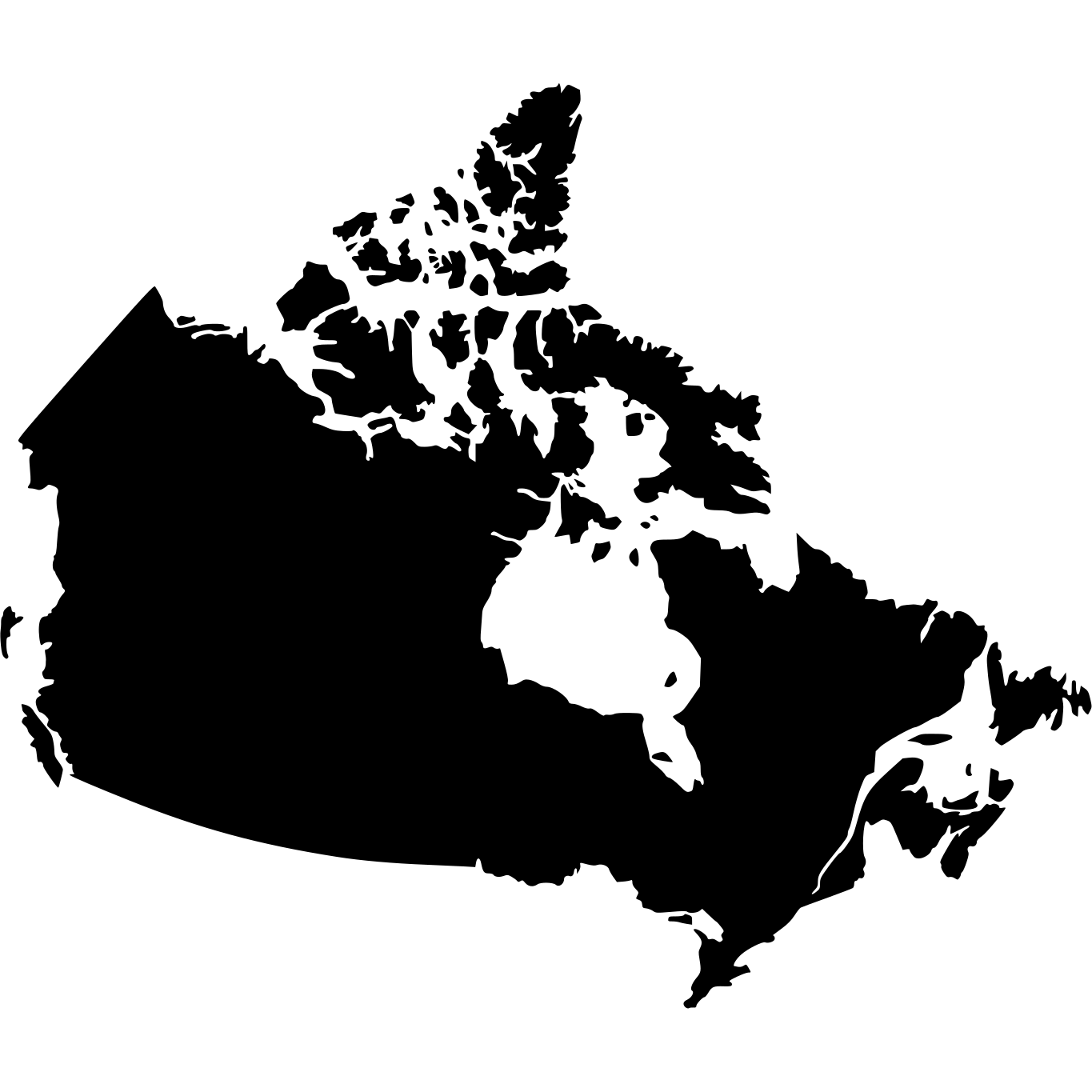
AlumierMD is a Canadian brand

We're dedicated to providing you with the most up-to-date and science-backed ingredient info out there.
The data we've presented on this page has been verified by a member of the SkinSort Team.
Read more about us· Updated February 25, 2026 • Added by crendon


