
What's inside
What's inside
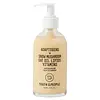 Key Ingredients
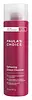
No key ingredients
Benefits
Concerns
Ingredients Side-by-side
Water
Skin ConditioningGlycerin
Humectant


Pentaerythrityl Tetraethylhexanoate
Emollient
Propanediol
Solvent
Ammonium Polyacryloyldimethyl Taurate
Emulsion StabilisingPolysorbate 60
Emulsifying
Inonotus Obliquus Extract
Skin ConditioningTremella Fuciformis Polysaccharide
Emulsion Stabilising
Citric Acid
Buffering


Sodium Hyaluronate
Humectant

Trisodium Ethylenediamine Disuccinate
Withania Somnifera Root Extract
Skin Conditioning
Niacinamide
Smoothing





Panthenol
Skin Conditioning
Tocopherol
Antioxidant

Avena Sativa Kernel Oil
Skin Conditioning
Ceramide NP
Skin Conditioning
Caprylyl Glycol
Emollient
Coco-Betaine
Cleansing
Coco-Glucoside
Cleansing
Ethylhexylglycerin
Skin ConditioningFructose
Humectant
Glyceryl Oleate
Emollient
Glyceryl Stearate
Emollient
Glycol Distearate
Emollient
Sodium Chloride
MaskingCaramel
Cosmetic ColorantBenzoic Acid
Masking

Chlorphenesin
Antimicrobial
Potassium Sorbate
Preservative
Water, Glycerin, Pentaerythrityl Tetraethylhexanoate, Propanediol, Ammonium Polyacryloyldimethyl Taurate, Polysorbate 60, Inonotus Obliquus Extract, Tremella Fuciformis Polysaccharide, Citric Acid, Sodium Hyaluronate, Trisodium Ethylenediamine Disuccinate, Withania Somnifera Root Extract, Niacinamide, Panthenol, Tocopherol, Avena Sativa Kernel Oil, Ceramide NP, Caprylyl Glycol, Coco-Betaine, Coco-Glucoside, Ethylhexylglycerin, Fructose, Glyceryl Oleate, Glyceryl Stearate, Glycol Distearate, Sodium Chloride, Caramel, Benzoic Acid, Chlorphenesin, Potassium Sorbate
Water
Skin ConditioningHydrogenated Polydecene
EmollientDisodium Cocoamphodiacetate
CleansingGlycine Soja Oil
Emollient

C12-15 Alkyl Benzoate
AntimicrobialPolysorbate 80
Emulsifying
Laureth-4
Emulsifying
Acrylates/C10-30 Alkyl Acrylate Crosspolymer
Emulsion StabilisingCocamidopropyl Betaine
Cleansing
Chamomilla Recutita Flower Extract
Masking
Beta-Glucan
Skin Conditioning
Paraffinum Liquidum
Emollient
PEG-7 Glyceryl Cocoate
Emulsifying
Butylene Glycol
Humectant
Disodium EDTA
Sodium Hydroxide
BufferingHexylene Glycol
EmulsifyingCaprylyl Glycol
Emollient
Ethylhexylglycerin
Skin ConditioningPhenoxyethanol
Preservative
Chlorphenesin
Antimicrobial
Water, Hydrogenated Polydecene, Disodium Cocoamphodiacetate, Glycine Soja Oil, C12-15 Alkyl Benzoate, Polysorbate 80, Laureth-4, Acrylates/C10-30 Alkyl Acrylate Crosspolymer, Cocamidopropyl Betaine, Chamomilla Recutita Flower Extract, Beta-Glucan, Paraffinum Liquidum, PEG-7 Glyceryl Cocoate, Butylene Glycol, Disodium EDTA, Sodium Hydroxide, Hexylene Glycol, Caprylyl Glycol, Ethylhexylglycerin, Phenoxyethanol, Chlorphenesin
Reviews
Ingredients Explained
These ingredients are found in both products.
Ingredients higher up in an ingredient list are typically present in a larger amount.
Caprylyl Glycol is a humectant, skin conditioner, emollient, and preservative booster derived from either caprylic acid or synthetically created.
Typical use levels vary from 0.3-1% as a preservative booster and go up to 2% to condition skin.
Because it is not a free-fatty acid or alcohol, this ingredient is fungal acne safe (there's nothing for Malassezia to feed on).
Learn more about Caprylyl GlycolChlorphenesin is a synthetic preservative. It helps protect a product against bacteria in order to extend shelf life. In most cases, Chlorphenesin is paired with other preservatives such as phenoxyethanol and caprylyl glycol.
Chlorphenesin is a biocide. This means it is able to help fight the microorganisms on our skin. It is also able to fight odor-releasing bacteria.
Chlorphenesin is soluble in both water and glycerin.
Studies show Chlorphenesin is easily absorbed by our skin. You should speak with a skincare professional if you have concerns about using Chlorphenesin.
Learn more about ChlorphenesinEthylhexylglycerin is created from glycerin. It is a multitasker ingredient that:
The CIR Expert Panel found minimal skin absorption or sensitization of any kind in a safety assessment. Though this ingredient is considered well-tolerated, a small number of cases of allergic dermatitis have been published since 2002. Just be sure to patch test if you are unsure.
Industry-reported use ranges from 8% in rinse-off products and 2% in leave-on formulations.
Learn more about EthylhexylglycerinWater. It's the most common cosmetic ingredient of all. You'll usually see it at the top of ingredient lists, meaning that it makes up the largest part of the product.
So why is it so popular? Water most often acts as a solvent - this means that it helps dissolve other ingredients into the formulation.
You'll also recognize water as that liquid we all need to stay alive. If you see this, drink a glass of water. Remember to stay hydrated!
Learn more about Water
