YISE Beauty Xtremely Quenched Peptide Instant Glow Moisturizer Versus YISE Beauty Xtreme Glow Dewy Peptide Plumping Serum
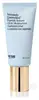
This anti-aging moisturizer is formulated around Urea and Tripeptide-1 to soften the look of wrinkles and hydrate skin.
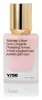
This hydrating serum is formulated around Tripeptide-1 and Hydrolyzed Sodium Hyaluronate to hydrate skin and soften the look of wrinkles.

What's inside
What's inside
 Key Ingredients
Benefits
Concerns
Ingredients Side-by-side
Water
Skin ConditioningButylene Glycol
Humectant

Glycerin
Humectant
Coco-Caprylate/Caprate
Emollient
C13-15 Alkane
SolventC15-19 Alkane
SolventPolyglyceryl-3 Polyricinoleate
Emulsifying

Dicaprylyl Carbonate
EmollientDiisostearoyl Polyglyceryl-3 Dimer Dilinoleate
Emollient
Urea
Buffering

Astrocaryum Murumuru Seed Butter
Emollient

Magnesium Sulfate
Hexyldecanol
Emollient
Disteardimonium Hectorite
StabilisingPanthenol
Skin Conditioning

Synthetic Beeswax
Emulsion Stabilising
Caprylyl Glycol
Emollient
Sodium PCA
Humectant
Ethylhexylglycerin
Skin ConditioningTocopheryl Acetate
Antioxidant


Pentylene Glycol
Skin Conditioning
Bisabolol
Antioxidant
Stearic Acid
Cleansing
Cetylhydroxyproline Palmitamide
Skin ConditioningCellulose Gum
Emulsion StabilisingCentella Asiatica Extract
Cleansing
Sodium Acetylated Hyaluronate
Humectant
Sodium Hyaluronate
Humectant
Phenoxyethanol
Preservative
Levulinic Acid
Perfuming

Brassica Campestris Sterols
EmollientSodium Hyaluronate Crosspolymer
Humectant
Hydrolyzed Sodium Hyaluronate
Skin Conditioning
Tocopherol
Antioxidant
Tripeptide-1
Skin Conditioning
Hexapeptide-9
Skin Conditioning
Water, Butylene Glycol, Glycerin, Coco-Caprylate/Caprate, C13-15 Alkane, C15-19 Alkane, Polyglyceryl-3 Polyricinoleate, Dicaprylyl Carbonate, Diisostearoyl Polyglyceryl-3 Dimer Dilinoleate, Urea, Astrocaryum Murumuru Seed Butter, Magnesium Sulfate, Hexyldecanol, Disteardimonium Hectorite, Panthenol, Synthetic Beeswax, Caprylyl Glycol, Sodium PCA, Ethylhexylglycerin, Tocopheryl Acetate, Pentylene Glycol, Bisabolol, Stearic Acid, Cetylhydroxyproline Palmitamide, Cellulose Gum, Centella Asiatica Extract, Sodium Acetylated Hyaluronate, Sodium Hyaluronate, Phenoxyethanol, Levulinic Acid, Brassica Campestris Sterols, Sodium Hyaluronate Crosspolymer, Hydrolyzed Sodium Hyaluronate, Tocopherol, Tripeptide-1, Hexapeptide-9
Water
Skin ConditioningPropanediol
Solvent
Dipropylene Glycol
HumectantGlycerin
Humectant
Ethylhexyl Olivate
Skin Conditioning
Caprylyl Methicone
Skin Conditioning
Hydroxyethyl Acrylate/Sodium Acryloyldimethyl Taurate Copolymer
Emulsion StabilisingMucor Miehei Extract
AstringentIsohexadecane
EmollientPhenoxyethanol
Preservative
Dimethicone
Emollient
Caprylyl Glycol
Emollient
Xanthan Gum
EmulsifyingPentylene Glycol
Skin Conditioning
Ethylhexyl Hydroxystearate
Emollient
Polysorbate 60
Emulsifying
Squalane
Emollient
Sodium Citrate
BufferingEthylhexylglycerin
Skin ConditioningHexylene Glycol
EmulsifyingTetrasodium Glutamate Diacetate
ChelatingCellulose Gum
Emulsion StabilisingSorbitan Isostearate
Emulsifying
Diglucosyl Gallic Acid
Citric Acid
Buffering
Levulinic Acid
Perfuming
Sodium Benzoate
Masking
Potassium Sorbate
Preservative
Ligustrum Lucidum Seed Extract
Skin ConditioningHydrolyzed Gardenia Florida Extract
Antioxidant
Maltodextrin
Absorbent
Hydrolyzed Sodium Hyaluronate
Skin Conditioning
Tripeptide-1
Skin Conditioning
Phytic Acid
Chelating
Hexapeptide-9
Skin Conditioning
CI 77163
Cosmetic Colorant
Water, Propanediol, Dipropylene Glycol, Glycerin, Ethylhexyl Olivate, Caprylyl Methicone, Hydroxyethyl Acrylate/Sodium Acryloyldimethyl Taurate Copolymer, Mucor Miehei Extract, Isohexadecane, Phenoxyethanol, Dimethicone, Caprylyl Glycol, Xanthan Gum, Pentylene Glycol, Ethylhexyl Hydroxystearate, Polysorbate 60, Squalane, Sodium Citrate, Ethylhexylglycerin, Hexylene Glycol, Tetrasodium Glutamate Diacetate, Cellulose Gum, Sorbitan Isostearate, Diglucosyl Gallic Acid, Citric Acid, Levulinic Acid, Sodium Benzoate, Potassium Sorbate, Ligustrum Lucidum Seed Extract, Hydrolyzed Gardenia Florida Extract, Maltodextrin, Hydrolyzed Sodium Hyaluronate, Tripeptide-1, Phytic Acid, Hexapeptide-9, CI 77163
Ingredients Explained
These ingredients are found in both products.
Ingredients higher up in an ingredient list are typically present in a larger amount.
Caprylyl Glycol is a humectant, skin conditioner, emollient, and preservative booster derived from either caprylic acid or synthetically created.
Typical use levels vary from 0.3-1% as a preservative booster and go up to 2% to condition skin.
Because it is not a free-fatty acid, this ingredient is fungal acne safe (there's nothing for Malassezia to feed on).
Learn more about Caprylyl GlycolCellulose Gum is a water-soluble polymer that comes from cellulose. It is used to change the texture of a product and to help stabilize emulsions.
As an emulsifier, cellulose gum specifically thicken the texture of water-based products.
This ingredient is considered hypoallergenic and non-toxic. Cellulose Gum can be found in cosmetics, food, and other household goods such as paper products.
Learn more about Cellulose GumEthylhexylglycerin is created from glycerin. It is a multitasker ingredient that:
The CIR Expert Panel found minimal skin absorption or sensitization of any kind in a safety assessment. Though this ingredient is considered well-tolerated, a small number of cases of allergic dermatitis have been published since 2002. Just be sure to patch test if you are unsure.
Industry-reported use ranges from 8% in rinse-off products and 2% in leave-on formulations.
Learn more about EthylhexylglycerinGlycerin (or glycerol) is a compound naturally found in your skin. It's a powerhouse humectant that pulls water into the stratum corneum.
Topically, glycerin does several things at once:
Your skin makes glycerin on its own (mostly from sebaceous oil breakdown) and shuttles it to your outermost layer of skin, or your epidermis, via aquaporin-3.
Aquaporin-3 is a transporter that is essential for normal skin hydration, elasticity, and repair. Interestingly, mice lacking in AQP3 have dry and less elastic skin that can be fully corrected with glycerin.
This ingredient is non-irritating, plays well with almost every ingredient, and works across all skin types. Typical use is anywhere between 3-10% but can go up to 79% in some leave-on products.
Just know very high concentrations (>40%) can feel tacky in low humidity.
Glycerin is the name for this ingredient in American English. British English uses Glycerol/Glycerine.
Learn more about GlycerinHexapeptide-9 is a signaling peptide that is made to mimic a fragment found naturally in collagen IV and XVII.
It is classified as a matrikine peptide and works by telling your skin cells (especially fibroblasts) to ramp up collagen and hyaluronic acid production.
In-vitro studies show it can enhance epidermal regeneration, boost synthesis of collagen types I, III, and IV, and improved markers of skin differentiation.
Think of skin differentiation like this: your skin cells are born at the bottom and slowly travel up to the surface as they "grow up". As they move up, they start producing specific proteins that make your skin do its job well. Two of these proteins are keratin (it makes your skin tough) and filaggrin (it breaks apart into tiny molecules to keep your skin hydrated). So Hexapeptide-9 has shown to help skin cells grow up properly and make stronger, more hydrated skin.
A manufacturer also reports increased collagen production by 117% and hyaluronic acid production by 267%.
Just know much of the published data comes from manufacturer-sponsored studies. There is a recent clinical trial showing promising anti-aging results but the evidence base is still growing.
Generally, this ingredient is well-tolerated and there's no harm in using it as a supportive ingredient in your routine.
Learn more about Hexapeptide-9This ingredient is created by putting sodium hyaluronate through hydrolysis.
You might know this as 'mini' or 'ultra low-molecular weight' hyaluronic acid. The small molecule size means it is able to travel deeper in the skin.
According to studies, low molecular-weight hyaluronic acid can:
One study from 2011 found ultra-low weight HA to show pro-inflammatory properties. Another study from 2022 found it to downregulate UV-B induced inflammation.
Hydrolysis is a process of changing a molecule using water or enzymes.
This ingredient is water-soluble.
Learn more about Hydrolyzed Sodium HyaluronateLevulinic Acid is a fragrance that comes from the degradation of cellulose. It is a saturated fatty acid.
This ingredient is often used a building block for other compounds, such as in pharmaceuticals.
According to a manufacturer, this ingredient smells like caramel.
Learn more about Levulinic AcidPentylene Glycol (1,2-pentanediol) is a multitasking little diol with three main roles in a formula:
Research on alkanediols (the family pentylene glycol belongs to) show they work by disrupting microbial cell membranes. This disruption helps the primary preservative system in a product work more effectively at lower doses.
On the safety side, the Cosmetic Ingredient Review Expert Panel has concluded this ingredient to be safe as used in current cosmetic practices + concentrations.
Typical use levels in a formula run about 1-5%.
Learn more about Pentylene GlycolPhenoxyethanol is one of the most widely used preservatives in skincare (and for good reason!).
It has a large spectrum of antimicrobial activity and especially effective bacteria, yeast, and mold while only having a weak effect on your skin's natural microbiome.
On a cellular level, it disrupts the cell membranes of microbes by poking holes that make the cell leak. This shuts down the chemical reactions the microbe needs to make energy so it can no longer survive.
Another perk of this ingredient is that it stays functional across a wide pH range (3-10).
You'll often see it paired with boosters like Ethylhexylglycerin; one study showed that a 1:9 ratio of Ethylhexylglycerin to Phenoxyethanol damages bacterial membranes as effectively as doubling the Phenoxyethanol concentration on its own.
Typical use concentrations range from 0.3-1% depending on the formula, and this ingredient is capped at 1% int the EU.
Safety-wise, the fear mongering does not hold up to the evidence. The EU's Scientific Committee on Consumer Safety and FDA consider it safe as a preservative at up to 1%, including for children of all ages.
Adverse systemic effects only showed up in animal studies at exposures roughly 200x higher than what people get from cosmetics. And despite its very widespread use, this ingredient is a rare sensitizer and allergic reactions are uncommon.
Learn more about PhenoxyethanolTripeptide-1, also known as GHK), is a small, three-amino-acid peptide made up of glycine, histidine, and lysine.
This ingredient is a signal peptide and tell your skin to start producing fresh collagen, elastin, and other key structural proteins. This helps maintain firmness and reduces the look of fine-lines/wrinkles.
GHK is also unique because is also acts as a carrier peptide. It binds to and transports copper ions (forming the complex GHK-Cu). This form has been studied for decades and is known to stimulate wound healing, boost antioxidant defenses, and promote collagen/elastin synthesis.
In-vitro studies show both GHK and GHK-CU increase fibroblast activity that enhances the production of collagen, elastin, fibronectin, and other extracellular matrix components.
Both of these compounds also help balance enzymes that control collagen breakdown.
Human studies (in-vivo) using GHK-Cu creams have reported visible improvements to skin density, elasticity, and wrinkle depth after several weeks of use.
A small clinical study also found topical collagen tripeptide improved wrinkle appearance and skin elasticity in women after four weeks.
While these results are promising, most research is based on GHK-Cu or its derivatives rather than Tripeptide-1 alone (Palmitoyl Tripeptide-1 is a famous derivative of GHK). However, the consensus still supports GHK as a potent skin-signaling molecule that can encourage regeneration and maintain youthful looking skin.
Fun fact: GHK is a naturally occurring fragment of type 1 collagen that can be found in human plasma, saliva, and urine.
Learn more about Tripeptide-1Water. It's the most common cosmetic ingredient of all. You'll usually see it at the top of ingredient lists, meaning that it makes up the largest part of the product.
So why is it so popular? Water most often acts as a solvent - this means that it helps dissolve other ingredients into the formulation.
You'll also recognize water as that liquid we all need to stay alive. If you see this, drink a glass of water. Remember to stay hydrated!
Learn more about Water

