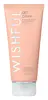
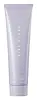
Wishful Get Clean 2% PHA & Sea Moss Gentle Foaming Cleanser Versus Fenty Beauty Total Cleans'r Remove-It-All Cleanser
This foaming cleanser uses mild cleansing ingredients, but contains alcohol that may feel drying for some.
This mild gel cleanser is made to cleanse without leaving your skin tight or dry.

What's inside
What's inside
 Key Ingredients
Benefits
Concerns
Ingredients Side-by-side
Water
Skin ConditioningGlycerin
Humectant


Cocamidopropyl Betaine
Cleansing



Potassium Cocoyl Glycinate
Surfactant
Disodium Cocoamphodiacetate
CleansingAcrylates Copolymer
Sodium Chloride
MaskingGluconolactone
Chelating






Tromethamine
Buffering1,2-Hexanediol
Skin Conditioning
Chondrus Crispus Extract
Skin Conditioning

Salix Alba Bark Extract
Astringent

Ceramide NP
Skin Conditioning
Salicylic Acid
Masking


Styrene/Vp Copolymer
Lauryl Glucoside
CleansingButylene Glycol
Humectant
Caprylyl Glycol
Emollient
Polyglyceryl-10 Laurate
Skin Conditioning
Ethylhexylglycerin
Skin ConditioningHexylene Glycol
EmulsifyingSodium Dodoxynol-40 Sulfate
Surfactant
Benzotriazolyl Dodecyl P-Cresol
UV AbsorberAlcohol
Antimicrobial
Tris(Tetramethylhydroxypiperidinol)Citrate
StabilisingSorbic Acid
Preservative
Parfum
Masking

Benzyl Salicylate
Perfuming
Water, Glycerin, Cocamidopropyl Betaine, Potassium Cocoyl Glycinate, Disodium Cocoamphodiacetate, Acrylates Copolymer, Sodium Chloride, Gluconolactone, Tromethamine, 1,2-Hexanediol, Chondrus Crispus Extract, Salix Alba Bark Extract, Ceramide NP, Salicylic Acid, Styrene/Vp Copolymer, Lauryl Glucoside, Butylene Glycol, Caprylyl Glycol, Polyglyceryl-10 Laurate, Ethylhexylglycerin, Hexylene Glycol, Sodium Dodoxynol-40 Sulfate, Benzotriazolyl Dodecyl P-Cresol, Alcohol, Tris(Tetramethylhydroxypiperidinol)Citrate, Sorbic Acid, Parfum, Benzyl Salicylate
Water
Skin ConditioningSodium Cocoyl Glycinate
Cleansing
Sodium Cocoamphoacetate
CleansingCocamidopropyl Betaine
Cleansing
Sodium Chloride
MaskingPolyglyceryl-10 Laurate
Skin Conditioning
Glycerin
Humectant
Acrylates/C10-30 Alkyl Acrylate Crosspolymer
Emulsion StabilisingGlycol Distearate
Emollient
Sucrose
Humectant
Malpighia Punicifolia Fruit Extract
Antioxidant
Chaenomeles Sinensis Fruit Extract
Antioxidant
Camellia Sinensis Leaf Extract
Antimicrobial
Ficus Carica Fruit Extract
Humectant
Ginkgo Biloba Leaf Extract
Skin Conditioning
Tocopheryl Acetate
Antioxidant
Coconut Acid
Cleansing
Sodium Cocoate
Cleansing
Sodium Metabisulfite
Antioxidant
Polyquaternium-7
Sodium Benzotriazolyl Butylphenol Sulfonate
UV AbsorberButylene Glycol
Humectant
Caprylyl Glycol
Emollient
Sodium Benzoate
Masking
Phenoxyethanol
Preservative
Parfum
Masking
Benzyl Salicylate
Perfuming
CI 42090
Cosmetic ColorantCI 16035
Cosmetic ColorantCI 77891
Cosmetic ColorantCI 19140
Cosmetic ColorantCI 15985
Cosmetic ColorantWater, Sodium Cocoyl Glycinate, Sodium Cocoamphoacetate, Cocamidopropyl Betaine, Sodium Chloride, Polyglyceryl-10 Laurate, Glycerin, Acrylates/C10-30 Alkyl Acrylate Crosspolymer, Glycol Distearate, Sucrose, Malpighia Punicifolia Fruit Extract, Chaenomeles Sinensis Fruit Extract, Camellia Sinensis Leaf Extract, Ficus Carica Fruit Extract, Ginkgo Biloba Leaf Extract, Tocopheryl Acetate, Coconut Acid, Sodium Cocoate, Sodium Metabisulfite, Polyquaternium-7, Sodium Benzotriazolyl Butylphenol Sulfonate, Butylene Glycol, Caprylyl Glycol, Sodium Benzoate, Phenoxyethanol, Parfum, Benzyl Salicylate, CI 42090, CI 16035, CI 77891, CI 19140, CI 15985
Reviews
Ingredients Explained
These ingredients are found in both products.
Ingredients higher up in an ingredient list are typically present in a larger amount.
Benzyl Salicylate is a solvent and fragrance additive. It is an ester of benzyl alcohol and salicylic acid. This ingredient can be naturally found in some plants and plant extracts.
In fragrances, Benzyl Salicylate may be a solvent or a fragrance component. In synthetic musk scents, it is used as a solvent. For floral fragrances such as lilac and jasmine, it is used as a fragrance component. The natural scent of Benzyl Salicylate is described as "lightly-sweet, slightly balsamic".
While Benzyl Salicylate has been associated with contact dermatitis and allergies, emerging studies show it may not be caused by this ingredient alone.
However, this ingredient is often used with fragrances and other components that may cause allergies. It is still listed as a known allergen in the EU. We recommend speaking with a professional if you have concerns.
Another study from 2021 shows Benzyl Salicylate may have anti-inflammatory properties.
Learn more about Benzyl SalicylateButylene Glycol (or BG) is used within cosmetic products for a few different reasons:
Overall, Butylene Glycol is a safe and well-rounded ingredient that works well with other ingredients.
Though this ingredient works well with most skin types, some people with sensitive skin may experience a reaction such as allergic rashes, closed comedones, or itchiness.
Learn more about Butylene GlycolCaprylyl Glycol is a humectant, skin conditioner, emollient, and preservative booster derived from either caprylic acid or synthetically created.
Typical use levels vary from 0.3-1% as a preservative booster and go up to 2% to condition skin.
Because it is not a free-fatty acid, this ingredient is fungal acne safe (there's nothing for Malassezia to feed on).
Learn more about Caprylyl GlycolCocamidopropyl Betaine is a fatty acid created by mixing similar compounds in coconut oil and dimethylaminopropylamine, a compound with two amino groups.
This ingredient is a surfactant and cleanser. It helps gather the dirt, pollutants, and other impurities in your skin to be washed away. It also helps thicken a product and make the texture more creamy.
Being created from coconut oil means Cocamidopropyl Betaine is hydrating for the skin.
While Cocamidopropyl Betaine was believed to be an allergen, a study from 2012 disproved this. It found two compounds in unpure Cocamidopropyl Betaine to be the irritants: aminoamide and 3-dimethylaminopropylamine. High-grade and pure Cocamidopropyl Betaine did not induce allergic reactions during this study.
Learn more about Cocamidopropyl BetaineGlycerin (or glycerol) is a compound naturally found in your skin. It's a powerhouse humectant that pulls water into the stratum corneum.
Topically, glycerin does several things at once:
Your skin makes glycerin on its own (mostly from sebaceous oil breakdown) and shuttles it to your outermost layer of skin, or your epidermis, via aquaporin-3.
Aquaporin-3 is a transporter that is essential for normal skin hydration, elasticity, and repair. Interestingly, mice lacking in AQP3 have dry and less elastic skin that can be fully corrected with glycerin.
This ingredient is non-irritating, plays well with almost every ingredient, and works across all skin types. Typical use is anywhere between 3-10% but can go up to 79% in some leave-on products.
Just know very high concentrations (>40%) can feel tacky in low humidity.
Glycerin is the name for this ingredient in American English. British English uses Glycerol/Glycerine.
Learn more about GlycerinParfum is a catch-all term for an ingredient or more that is used to give a scent to products.
Also called "fragrance", this ingredient can be a blend of hundreds of chemicals or plant oils. This means every product with "fragrance" or "parfum" in the ingredients list is a different mixture.
For instance, Habanolide is a proprietary trade name for a specific aroma chemical. When used as a fragrance ingredient in cosmetics, most aroma chemicals fall under the broad labeling category of “FRAGRANCE” or “PARFUM” according to EU and US regulations.
The term 'parfum' or 'fragrance' is not regulated in many countries. In many cases, it is up to the brand to define this term.
For instance, many brands choose to label themselves as "fragrance-free" because they are not using synthetic fragrances. However, their products may still contain ingredients such as essential oils that are considered a fragrance by INCI standards.
One example is Calendula flower extract. Calendula is an essential oil that still imparts a scent or 'fragrance'.
Depending on the blend, the ingredients in the mixture can cause allergies and sensitivities on the skin. Some ingredients that are known EU allergens include linalool and citronellol.
Parfum can also be used to mask or cover an unpleasant scent.
The bottom line is: not all fragrances/parfum/ingredients are created equally. If you are worried about fragrances, we recommend taking a closer look at an ingredient. And of course, we always recommend speaking with a professional.
Learn more about ParfumPolyglyceryl-10 Laurate is a cleansing agent and emulsifier.
It rounds up dirt, oil, and grime, so they can be rinsed off easily as a cleanser.
On the emulsifier side, it keeps your formula smooth and well-mixed by playing peacekeeper for ingredients that don't naturally get along (like oil and water).
Because it has a C12 (lauric acid) fatty acid chain, this ingredient can potentially feed the Malassezia yeast that causes fungal acne. The Malassezia yeast prefers esters with C11-C24 fatty acids.
This ingredient is an ester of lauric acid and Polyglycerin-10.
Learn more about Polyglyceryl-10 LaurateChances are, you eat sodium chloride every day. Sodium Chloride is also known as table salt. This ingredient has many purposes in skincare: thickener, emulsifier, and exfoliator.
You'll most likely find this ingredient in cleansers where it is used to create a gel-like texture. As an emulsifier, it also prevents ingredients from separating.
You might see people debate whether Sodium Chloride is comedogenic, but there actually haven't been any comedogenic tests done on it. Either way, the overall formulation of a product matters a lot more than any single ingredient.
You might see this ingredient used in scrubs as a primary exfoliating ingredient.
Learn more about Sodium ChlorideWater. It's the most common cosmetic ingredient of all. You'll usually see it at the top of ingredient lists, meaning that it makes up the largest part of the product.
So why is it so popular? Water most often acts as a solvent - this means that it helps dissolve other ingredients into the formulation.
You'll also recognize water as that liquid we all need to stay alive. If you see this, drink a glass of water. Remember to stay hydrated!
Learn more about Water

