
What's inside
What's inside
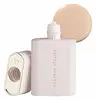 Key Ingredients
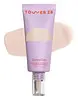
Benefits
Concerns
Ingredients Side-by-side
Squalane
Emollient


Water
Skin ConditioningPersea Gratissima Oil
Skin Conditioning




Punica Granatum Seed Oil
Emollient
Mica
Cosmetic ColorantPentylene Glycol
Skin Conditioning
Camellia Japonica Seed Oil
Emollient
Polyglyceryl-3 Polyricinoleate
Emulsifying
Sorbitan Isostearate
Emulsifying
Propanediol
Solvent
Helianthus Annuus Seed Oil
Emollient
Panax Ginseng Root Extract
Emollient

Zingiber Officinale Root Extract
Masking
Oryza Sativa Extract
Absorbent
Oryza Sativa Germ Extract
EmollientBisabolol
Antioxidant
Disteardimonium Hectorite
StabilisingGlycine Soja Oil
Emollient
Gossypium Hirsutum Seed Oil
Skin Conditioning
Prunus Amygdalus Dulcis Oil
Skin Conditioning
Triticum Vulgare Germ Oil
Emollient
Zea Mays Germ Oil
Emollient
4-T-Butylcyclohexanol
Masking

Glyceryl Caprylate/Caprate
EmollientAluminum Hydroxide
EmollientPolyglyceryl-3 Diisostearate
Emulsifying
Dimer Dilinoleyl Dimer Dilinoleate
EmollientTin Oxide
Abrasive
Sodium Lauroyl Glutamate
SurfactantLysine
Skin ConditioningMagnesium Chloride
Tocopherol
Antioxidant

CI 77891
Cosmetic ColorantIron Oxides
CI 77491
Cosmetic ColorantCI 77492
Cosmetic ColorantCI 77499
Cosmetic ColorantSqualane, Water, Persea Gratissima Oil, Punica Granatum Seed Oil, Mica, Pentylene Glycol, Camellia Japonica Seed Oil, Polyglyceryl-3 Polyricinoleate, Sorbitan Isostearate, Propanediol, Helianthus Annuus Seed Oil, Panax Ginseng Root Extract, Zingiber Officinale Root Extract, Oryza Sativa Extract, Oryza Sativa Germ Extract, Bisabolol, Disteardimonium Hectorite, Glycine Soja Oil, Gossypium Hirsutum Seed Oil, Prunus Amygdalus Dulcis Oil, Triticum Vulgare Germ Oil, Zea Mays Germ Oil, 4-T-Butylcyclohexanol, Glyceryl Caprylate/Caprate, Aluminum Hydroxide, Polyglyceryl-3 Diisostearate, Dimer Dilinoleyl Dimer Dilinoleate, Tin Oxide, Sodium Lauroyl Glutamate, Lysine, Magnesium Chloride, Tocopherol, CI 77891, Iron Oxides, CI 77491, CI 77492, CI 77499
Zinc Oxide 12.6%
Cosmetic Colorant


Water
Skin ConditioningIsononyl Isononanoate
EmollientC9-12 Alkane
SolventButyloctyl Salicylate
Skin Conditioning
Polyglyceryl-6 Polyricinoleate
Emulsifying
Caprylic/Capric Triglyceride
Masking
Glycerin
Humectant
Ethylhexyl Methoxycrylene
Skin Conditioning
Trimethylsiloxysilicate
Emollient
Mica
Cosmetic ColorantPolyglyceryl-2 Isostearate
Emulsifying
Sodium Chloride
MaskingPhenoxyethanol
Preservative
Disteardimonium Hectorite
StabilisingPolyglyceryl-3 Polyricinoleate
Emulsifying
Polyhydroxystearic Acid
Emulsifying
Coco-Caprylate/Caprate
Emollient
Isostearic Acid
Cleansing
Lecithin
Emollient
Polyglyceryl-6 Polyhydroxystearate
Emulsifying
Jojoba Esters
Emollient
Ethylhexylglycerin
Skin ConditioningSodium Phytate
ChelatingAloe Barbadensis Leaf Water
MaskingCentella Asiatica Extract
Cleansing
Opuntia Tuna Fruit
Skin ConditioningSalvia Officinalis Extract
Antimicrobial
Iron Oxides
CI 77891
Cosmetic ColorantZinc Oxide 12.6%, Water, Isononyl Isononanoate, C9-12 Alkane, Butyloctyl Salicylate, Polyglyceryl-6 Polyricinoleate, Caprylic/Capric Triglyceride, Glycerin, Ethylhexyl Methoxycrylene, Trimethylsiloxysilicate, Mica, Polyglyceryl-2 Isostearate, Sodium Chloride, Phenoxyethanol, Disteardimonium Hectorite, Polyglyceryl-3 Polyricinoleate, Polyhydroxystearic Acid, Coco-Caprylate/Caprate, Isostearic Acid, Lecithin, Polyglyceryl-6 Polyhydroxystearate, Jojoba Esters, Ethylhexylglycerin, Sodium Phytate, Aloe Barbadensis Leaf Water, Centella Asiatica Extract, Opuntia Tuna Fruit, Salvia Officinalis Extract, Iron Oxides, CI 77891
Reviews
Ingredients Explained
These ingredients are found in both products.
Ingredients higher up in an ingredient list are typically present in a larger amount.
Ci 77891 is a white pigment from Titanium dioxide. It is naturally found in minerals such as rutile and ilmenite.
It's main function is to add a white color to cosmetics. It can also be mixed with other colors to create different shades.
Ci 77891 is commonly found in sunscreens due to its ability to block UV rays.
Learn more about CI 77891Disteardimonium Hectorite comes from the clay mineral named hectorite. It is used to add thickness to a product.
It can also help stabilize a product by helping to disperse other ingredients.
Hectorite is a rare, white clay mineral.
Learn more about Disteardimonium HectoriteMica is a naturally occurring mineral used to add shimmer and color in cosmetics. It can also help improve the texture of a product or give it an opaque, white/silver color.
Serecite is the name for very fine but ragged grains of mica.
This ingredient is often coated with metal oxides like titanium dioxide. Trace amounts of heavy metals may be found in mica, but these metals are not harmful in our personal products.
Mica has been used since prehistoric times throughout the world. Ancient Egyptian, Indian, Greek, Roman, Aztec, and Chinese civilizations have used mica.
Learn more about MicaPolyglyceryl-3 Polyricinoleate is a plant-derived emulsifier made by combining glycerin and ricinoleic acid.
It works well for giving buttery lip balms and low-viscosity water-in-oil emulsions a non-greasy and pleasant skin feel.
Typical concentrations range from 0.1-3%.
This ingredient is mild and non-irritating in nature.
Because it is derived from ricinoleic acid, this ingredient may not be fungal acne safe. Ricinoleic acid is an unsaturated fatty acid that the Malassezia yeast can metabolize.
Learn more about Polyglyceryl-3 PolyricinoleateWater. It's the most common cosmetic ingredient of all. You'll usually see it at the top of ingredient lists, meaning that it makes up the largest part of the product.
So why is it so popular? Water most often acts as a solvent - this means that it helps dissolve other ingredients into the formulation.
You'll also recognize water as that liquid we all need to stay alive. If you see this, drink a glass of water. Remember to stay hydrated!
Learn more about WaterThis ingredient is a combination of red, black, and yellow iron oxide pigments. This combination of colors is usually found in foundation, because it results in a "skin" color.
The EU typically uses CI numbers for colorants when applicable, such as CI 77489. In the US, iron oxides are regulated as color additives and "iron oxides" is the most commonly used name in US cosmetic practice.
A 2021 paper looked at skincare formulations containing iron oxides and found that they reduced transmission of blue light when measured optically. In simple terms, the pigment particles helped block or scatter part of the visible light spectrum in lab testing and the authors suggest this could translate into better protection against blue-light-related skin effects.
There is also clinical and experimental research showing that tinted products containing iron oxides can reduce visible light-induced pigmentation:
Please note, whether a product reduces visible or blue light depends on things like:
In the EU's CosIng database, iron oxides are only listed as a colorant. CosIng groups ingredients by their main cosmetic role, such as colorant, preservative, or UV filter.
Though studies say iron oxides can "attenuate blue light", they're describing an optical property and not an officially recognized cosmetic function.
So CosIng isn’t contradicting the research. It’s just classifying iron oxides by what they officially are: pigments that add color.
Learn more about Iron Oxides

