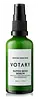
This calming serum is formulated around Avena Sativa Kernel Flour and Rosa Canina Fruit Oil to calm redness and hydrate skin.
This night moisturizer is formulated around Calophyllum Inophyllum Seed Oil and Macadamia Ternifolia Seed Oil to hydrate skin.


What's inside
What's inside
 Key Ingredients
Benefits
Concerns
Ingredients Side-by-side
Water
Skin ConditioningGlycerin
Humectant


Avena Sativa Kernel Flour
Abrasive

Cetearyl Olivate


Sorbitan Olivate
Emulsifying
Brassica Oleracea Italica Seed Oil
Emollient
Rubus Chamaemorus Seed Oil
Skin Conditioning
Sodium Hyaluronate
Humectant


Carnosine
Skin Conditioning
Plukenetia Volubilis Seed Oil
Emollient
Rubus Idaeus Seed Oil
Emollient
Rosa Canina Fruit Oil
Emollient
Avena Sativa Kernel Oil
Skin Conditioning
Punica Granatum Seed Oil
Emollient
Salvia Hispanica Seed Oil
Emollient
Camellia Sinensis Leaf Extract
Antimicrobial



Vitis Vinifera Seed Oil
Emollient
Helianthus Annuus Seed Oil
Emollient
Salicylic Acid
Masking





Xanthan Gum
EmulsifyingTocopherol
Antioxidant

Sorbic Acid
Preservative
Sodium Phytate
ChelatingBenzyl Alcohol
Perfuming



Cetearyl Alcohol
Emollient



Hydroxyacetophenone
Antioxidant
Water, Glycerin, Avena Sativa Kernel Flour, Cetearyl Olivate, Sorbitan Olivate, Brassica Oleracea Italica Seed Oil, Rubus Chamaemorus Seed Oil, Sodium Hyaluronate, Carnosine, Plukenetia Volubilis Seed Oil, Rubus Idaeus Seed Oil, Rosa Canina Fruit Oil, Avena Sativa Kernel Oil, Punica Granatum Seed Oil, Salvia Hispanica Seed Oil, Camellia Sinensis Leaf Extract, Vitis Vinifera Seed Oil, Helianthus Annuus Seed Oil, Salicylic Acid, Xanthan Gum, Tocopherol, Sorbic Acid, Sodium Phytate, Benzyl Alcohol, Cetearyl Alcohol, Hydroxyacetophenone
Citrus Junos Fruit Water 65%
Masking
Calophyllum Inophyllum Seed Oil 5%
Antimicrobial
Macadamia Ternifolia Seed Oil 5%
Emollient
Isoamyl Laurate
Emollient
Water
Skin ConditioningGlycerin
Humectant
Cetearyl Alcohol
Emollient
Butyrospermum Parkii Butter 2%
Skin Conditioning
Stearic Acid
Cleansing
Glyceryl Stearate Se
Emulsifying
Cetearyl Glucoside
Emulsifying
Akebia Quinata Extract
Skin ConditioningSodium Hyaluronate
Humectant
Centella Asiatica Extract
Cleansing
Polygonum Cuspidatum Root Extract
Antioxidant
Camellia Sinensis Leaf Extract
Antimicrobial
Chamomilla Recutita Flower Extract
Masking
Rosmarinus Officinalis Leaf Extract
AntimicrobialHydrogenated Olive Oil
Skin Conditioning
Olea Europaea Fruit Oil
Masking
Olea Europaea Oil Unsaponifiables
Skin Conditioning
Cetearyl Olivate
Sorbitan Olivate
Emulsifying
Hydrogenated Vegetable Oil
Emollient
Allantoin
Skin Conditioning
Tocopherol
Antioxidant
Beta-Glucan
Skin Conditioning
Scutellaria Baicalensis Root Extract
Astringent
Paeonia Suffruticosa Root Extract
Skin ProtectingGlycyrrhiza Glabra Root Extract
Bleaching
Arginine
Masking
P-Anisic Acid
MaskingSclerotium Gum
Emulsion StabilisingCitric Acid
Buffering
Citrus Junos Fruit Water 65%, Calophyllum Inophyllum Seed Oil 5%, Macadamia Ternifolia Seed Oil 5%, Isoamyl Laurate, Water, Glycerin, Cetearyl Alcohol, Butyrospermum Parkii Butter 2%, Stearic Acid, Glyceryl Stearate Se, Cetearyl Glucoside, Akebia Quinata Extract, Sodium Hyaluronate, Centella Asiatica Extract, Polygonum Cuspidatum Root Extract, Camellia Sinensis Leaf Extract, Chamomilla Recutita Flower Extract, Rosmarinus Officinalis Leaf Extract, Hydrogenated Olive Oil, Olea Europaea Fruit Oil, Olea Europaea Oil Unsaponifiables, Cetearyl Olivate, Sorbitan Olivate, Hydrogenated Vegetable Oil, Allantoin, Tocopherol, Beta-Glucan, Scutellaria Baicalensis Root Extract, Paeonia Suffruticosa Root Extract, Glycyrrhiza Glabra Root Extract, Arginine, P-Anisic Acid, Sclerotium Gum, Citric Acid
Reviews
Ingredients Explained
These ingredients are found in both products.
Ingredients higher up in an ingredient list are typically present in a larger amount.
Camellia Sinensis Leaf Extract (tea extract) is one of the most well-researched plant extracts in skincare with an impressive resume.
Black tea, green tea, and oolong tea are all harvested from the Camellia Sinensis plant.
Studies show green tea extract and its catechins (like epigallocatechin gallate (EGCG)) help your skin cells product energy more efficiently and reducing the number of free-radicals that can damage your skin from the inside.
In lab-grown skin models, this translated to younger, healthier, and stronger skin.
There's also good sun protection data; researchers saw less DNA damage and redness on human skin when green tea was applied before UVB exposure. And the more they applied, the better the protection.
Needless to say, this ingredient shouldn't replace your sunscreen. But it is a great supportive ingredient that you can already find in many sunscreens and antioxidant serums.
A 2009 study found a 2% green tea lotion was effective for mild-to-moderate acne thanks to its anti-inflammatory and mild antimicrobial activity.
The quality of the extract matters a lot here:
Good extracts contain 50-90% catechins while lower quality ones are mostly there for marketing. We recommend reaching out to the brand if you have questions about the quality or source of their ingredients.
Human Repeated Insult Patch Testing showed no irritation or sensitization at use concentrations (0.86% in leave-on products and up to 30% as leaf water).
Learn more about Camellia Sinensis Leaf ExtractCetearyl alcohol is a waxy mixture of two fatty alcohols: cetyl alcohol and stearyl alcohol. It is an emollient and emulsifier.
Despite having "alcohol" in its name, it has nothing to do with drying solvent alcohols; the FDA also allows "alcohol-free" products to contain fatty alcohols like this ingredient.
It plays several roles in a formula:
Typical use levels for this ingredient sit around 1-10% and the Cosmetic Ingredient Review Expert Panel has affirmed safety at concentrations up to 25% in leave-on products.
Multiple assessments have found it to be non-irritating and non-sensitizing to most people.
However, there have been some cases of allergic contact dermatitis in patients with chronically compromised skin barriers.
Cetearyl alcohol has a comedogenic rating of 2 and irritancy rating of 1. Both of these numbers come from the 1989 study that used rabbit ears; a "2" means mildly comedogenic and a "1" means low irritancy.
Here's the catch: rabbit skin is more sensitive than human skin and throws a lot of false positives. A 1996 reappraisal found that ingredients rated 1-2 in the rabbit ear tests are generally safe for humans.
Remember comedogenic ratings are unable to assess the entire formula of a product or how it will react on your skin. Just be sure to patch test if you are unsure about certain ingredients.
This ingredient is not fungal acne safe. Cetearyl alcohol is a fatty alcohol with chain lengths that fall within the range that Malassezia can metabolize.
A 2019 study has also observed Malassezia growth in the presence of this ingredient, confirming it to be not-fungal acne safe.
Learn more about Cetearyl AlcoholCetearyl Olivate is a plant-derived emulsifier and texture enhancer. It helps keep the oil and water phases from separating so your formulas stay stable.
You'll likely see it combined with Sorbitan Olivate (together sold as the trade name Olivem 1000). This combination generates a liquid crystal structure that closely resemble the lipid organization of the stratum corneum.
These "skin-like" liquid crystals improve skin barrier integrity and promote the delivery of actives into the skin.
This ingredient is well-tolerated and has no significant sensitization data.
Because it is derived from the fatty acids in olive oil, this ingredient may not be fungal acne safe.
Learn more about Cetearyl OlivateGlycerin (or glycerol) is a compound naturally found in your skin. It's a powerhouse humectant that pulls water into the stratum corneum.
Topically, glycerin does several things at once:
Your skin makes glycerin on its own (mostly from sebaceous oil breakdown) and shuttles it to your outermost layer of skin, or your epidermis, via aquaporin-3.
Aquaporin-3 is a transporter that is essential for normal skin hydration, elasticity, and repair. Interestingly, mice lacking in AQP3 have dry and less elastic skin that can be fully corrected with glycerin.
This ingredient is non-irritating, plays well with almost every ingredient, and works across all skin types. Typical use is anywhere between 3-10% but can go up to 79% in some leave-on products.
Just know very high concentrations (>40%) can feel tacky in low humidity.
Glycerin is the name for this ingredient in American English. British English uses Glycerol/Glycerine.
Learn more about GlycerinSodium Hyaluronate is the salt form of hyaluronic acid. It is a long sugar chain that is naturally found in your skin, joints, and connective tissue that maintains hydration and elasticity.
In skincare, it works as a humectant. It pulls water from the environment and deeper layers of skin and binds it to the surface.
Interestingly, the size of the molecule affects its behavior:
Some clinical evidence links low molecular weight versions to improved wrinkle depth, elasticity, anti-inflammatory effects, and barrier repair.
Many serums use a blend of both weights so you can get surface hydration plus longer-lasting and deeper effects.
You'll typically see concentrations between 0.1-2% for this ingredient.
Learn more about Sodium HyaluronateSorbitan Olivate is created from the fatty acids in olive oil and sorbitol.
This ingredient is an oil in water emulsifier. It helps stabilize a product by preventing oils and waters from separating. Sorbitan Olivate also helps hydrate the skin.
This ingredient is also known as part of Olivem 1000, with Cetearyl Olivate being the other part.
According to a manufacturer, this ingredient helps preserve the natural microbiome of skin. Having a healthy microbiome helps keep our skin healthy and protects against harmful bacteria.
Please note, having a healthy microbiome is different from fungal acne; a healthy microbiome includes small amounts of yeast that normally live on your skin without causing problems.
Fungal acne happens when one type of yeast (Malassezia) grows out of control. This is usually because it's feeding on certain oils or fatty acids. Due to the olive oil base, this ingredient may not be fungal acne safe.
Learn more about Sorbitan OlivateTocopherol is a fat-soluble antioxidant known as Vitamin E.
You'll find this ingredient in the vast majority of skincare (for good reason). It works to neutralize free radicals, or unstable molecules generated by UV exposure, pollution, and other environmental stressors, before they can cause oxidative damage to your skin cells.
Topically applied tocopherol has been shown to protect against UV damage by ramping up the skin's own natural defense enzymes.
It also acts as a skin conditioning agent; some studies show that regular topical use can improve the skin's water-binding capacity over 2-4 weeks.
This ingredient is especially loved for being a team player. When combined with Vitamin C, the photoprotective effect of both ingredients roughly doubles and the combo also helps reduce UV-induced DNA damage.
This ingredient has some brightening potential but it's more of a prevention ingredient than spot-fader. Cell studies show it can slow down melanin production but it's worth noting that it's not the most powerful brightener out there.
In formulations, it also serves as a stabilizer that helps protect other oxidation-prone ingredients from degrading.
Concentrations usually range from 0.1-1% in most leave-on products.
Learn more about TocopherolWater. It's the most common cosmetic ingredient of all. You'll usually see it at the top of ingredient lists, meaning that it makes up the largest part of the product.
So why is it so popular? Water most often acts as a solvent - this means that it helps dissolve other ingredients into the formulation.
You'll also recognize water as that liquid we all need to stay alive. If you see this, drink a glass of water. Remember to stay hydrated!
Learn more about Water

