
What's inside
What's inside
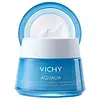 Key Ingredients
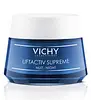
Benefits
Concerns
Ingredients Side-by-side
Water
Skin ConditioningGlycerin
Humectant



Caprylic/Capric Triglyceride
Masking
Alcohol Denat.
Antimicrobial





Propanediol
Solvent
Isopropyl Palmitate
Emollient

Butyrospermum Parkii Butter
Skin Conditioning
Ammonium Polyacryloyldimethyl Taurate
Emulsion StabilisingZea Mays Starch
AbsorbentMannose
HumectantP-Anisic Acid
MaskingSodium Hyaluronate
Humectant
Sodium Hydroxide
BufferingSodium PCA
Humectant

Acrylates/C10-30 Alkyl Acrylate Crosspolymer
Emulsion StabilisingCaprylyl Glycol
Emollient
Cetearyl Alcohol
Emollient
Cetearyl Glucoside
EmulsifyingCitric Acid
Buffering



Glyceryl Isostearate
Emollient
Water, Glycerin, Caprylic/Capric Triglyceride, Alcohol Denat., Propanediol, Isopropyl Palmitate, Butyrospermum Parkii Butter, Ammonium Polyacryloyldimethyl Taurate, Zea Mays Starch, Mannose, P-Anisic Acid, Sodium Hyaluronate, Sodium Hydroxide, Sodium PCA, Acrylates/C10-30 Alkyl Acrylate Crosspolymer, Caprylyl Glycol, Cetearyl Alcohol, Cetearyl Glucoside, Citric Acid, Glyceryl Isostearate
Water
Skin ConditioningGlycerin
Humectant
Rhamnose
HumectantPrunus Armeniaca Kernel Oil
Masking
Caprylic/Capric Triglyceride
Masking
Pentaerythrityl Tetraethylhexanoate
Emollient
Cetyl Alcohol
Emollient
Zea Mays Starch
AbsorbentButyrospermum Parkii Butter
Skin Conditioning
Petrolatum
Emollient
Glyceryl Stearate
Emollient
Pentylene Glycol
Skin ConditioningDimethicone
Emollient
PEG-40 Stearate
Emulsifying
Cera Alba
Emollient
Hydroxyethylpiperazine Ethane Sulfonic Acid
BufferingStearyl Alcohol
Emollient
Sorbitan Tristearate
EmulsifyingDimethiconol
Emollient
Triethanolamine
BufferingMyristyl Alcohol
Emollient
Phenoxyethanol
Preservative
Adenosine
Skin Conditioning
Magnesium Ascorbyl Phosphate
Antioxidant

Ascorbyl Glucoside
Antioxidant
Poloxamer 338
EmulsifyingCaprylyl Glycol
Emollient
Xanthan Gum
EmulsifyingPentaerythrityl Tetra-Di-T-Butyl Hydroxyhydrocinnamate
Antioxidant
Parfum
Masking
Ceramide AP
Skin Conditioning
Water, Glycerin, Rhamnose, Prunus Armeniaca Kernel Oil, Caprylic/Capric Triglyceride, Pentaerythrityl Tetraethylhexanoate, Cetyl Alcohol, Zea Mays Starch, Butyrospermum Parkii Butter, Petrolatum, Glyceryl Stearate, Pentylene Glycol, Dimethicone, PEG-40 Stearate, Cera Alba, Hydroxyethylpiperazine Ethane Sulfonic Acid, Stearyl Alcohol, Sorbitan Tristearate, Dimethiconol, Triethanolamine, Myristyl Alcohol, Phenoxyethanol, Adenosine, Magnesium Ascorbyl Phosphate, Ascorbyl Glucoside, Poloxamer 338, Caprylyl Glycol, Xanthan Gum, Pentaerythrityl Tetra-Di-T-Butyl Hydroxyhydrocinnamate, Parfum, Ceramide AP
Ingredients Explained
These ingredients are found in both products.
Ingredients higher up in an ingredient list are typically present in a larger amount.
This ingredient is also known as shea butter. It is an effective skin hydrator and emollient.
Emollients help soothe and soften your skin. It does this by creating a protective film on your skin. This barrier helps trap moisture and keeps your skin hydrated. Emollients may be effective at treating dry or itchy skin.
Shea butter is rich in antioxidants. Antioxidants help fight free-radicals, or molecules that may harm the body. It is also full of fatty acids including stearic acid and linoleic acid. These acids help replenish the skin and keep skin moisturized.
While Shea Butter has an SPF rating of about 3-4, it is not a sunscreen replacement.
Shea butter may not be fungal acne safe. We recommend speaking with a professional if you have any concerns.
Learn more about Butyrospermum Parkii ButterThis ingredient is an emollient, solvent, and texture enhancer. It is considered a skin-softener by helping the skin prevent moisture loss.
It helps thicken a product's formula and makes it easier to spread by dissolving clumping compounds.
Caprylic Triglyceride is made by combining glycerin with coconut oil, forming a clear liquid.
While there is an assumption Caprylic Triglyceride can clog pores due to it being derived from coconut oil, there is no research supporting this.
Learn more about Caprylic/Capric TriglycerideCaprylyl Glycol is a humectant and emollient, meaning it attracts and preserves moisture.
It is a common ingredient in many products, especially those designed to hydrate skin. The primary benefits are retaining moisture, skin softening, and promoting a healthy skin barrier.
Though Caprylyl Glycol is an alcohol derived from fatty acids, it is not the kind that can dry out skin.
This ingredient is also used as a preservative to extend the life of products. It has slight antimicrobial properties.
Learn more about Caprylyl GlycolGlycerin is already naturally found in your skin. It helps moisturize and protect your skin.
A study from 2016 found glycerin to be more effective as a humectant than AHAs and hyaluronic acid.
As a humectant, it helps the skin stay hydrated by pulling moisture to your skin. The low molecular weight of glycerin allows it to pull moisture into the deeper layers of your skin.
Hydrated skin improves your skin barrier; Your skin barrier helps protect against irritants and bacteria.
Glycerin has also been found to have antimicrobial and antiviral properties. Due to these properties, glycerin is often used in wound and burn treatments.
In cosmetics, glycerin is usually derived from plants such as soybean or palm. However, it can also be sourced from animals, such as tallow or animal fat.
This ingredient is organic, colorless, odorless, and non-toxic.
Glycerin is the name for this ingredient in American English. British English uses Glycerol/Glycerine.
Learn more about GlycerinWater. It's the most common cosmetic ingredient of all. You'll usually see it at the top of ingredient lists, meaning that it makes up the largest part of the product.
So why is it so popular? Water most often acts as a solvent - this means that it helps dissolve other ingredients into the formulation.
You'll also recognize water as that liquid we all need to stay alive. If you see this, drink a glass of water. Stay hydrated!
Learn more about WaterZea Mays Starch is starch made from corn. You might know this as cornstarch . It is used to thicken a product. It can replace talc as an absorbent.
The pH of cornstarch is 5.92.
Cornstarch is a common food ingredient used to thicken soups or to make corn syrup.
Learn more about Zea Mays Starch
