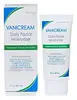
This barrier-repair moisturizer is formulated around Squalane and Hyaluronic Acid to strengthen the skin barrier and hydrate skin.
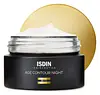
This anti-aging night moisturizer is formulated around Niacinamide and Carnosine to soften the look of wrinkles and strengthen the skin barrier.


What's inside
What's inside
 Key Ingredients
Benefits
Concerns
Ingredients Side-by-side
Water
Skin ConditioningSqualane
Emollient


Glycerin
Humectant
Pentylene Glycol
Skin Conditioning
Polyglyceryl-2 Stearate
Emulsifying

Glyceryl Stearate
Emollient
Stearyl Alcohol
Emollient
Hyaluronic Acid
Humectant
Ceramide EOP
Skin Conditioning


Ceramide Ng
Skin Conditioning
Ceramide NP
Skin Conditioning
Ceramide As
Skin Conditioning
Ceramide AP
Skin Conditioning
Carnosine
Skin Conditioning
Hydrogenated Lecithin
Emulsifying
Phytosterols
Skin Conditioning
Caprylyl Glycol
Emollient
Polyacrylate Crosspolymer-11
Emulsion Stabilising1,2-Hexanediol
Skin Conditioning
Water
Skin ConditioningGlycerin
Humectant
Propanediol
Solvent
Niacinamide
Smoothing






Betaine
Humectant
Vegetable Oil
Skin Conditioning
Caprylic/Capric Triglyceride
Masking
Silica
Abrasive
Dimethicone
Emollient
Hydrogenated Polyisobutene
EmollientIsodecyl Neopentanoate
EmollientOctyldodecanol
Emollient
Stearyl Alcohol
Emollient
Dipentaerythrityl Hexacaprylate/Hexacaprate
EmulsifyingTridecyl Trimellitate
EmollientAlcohol Denat.
Antimicrobial



Butylene Glycol
Humectant
Phenylpropanol
Masking

Ammonium Acryloyldimethyltaurate/Vp Copolymer
Panthenol
Skin Conditioning
Tocopheryl Acetate
Antioxidant

Acrylates/C10-30 Alkyl Acrylate Crosspolymer
Emulsion StabilisingCaprylyl Glycol
Emollient
Tridecyl Stearate
Emollient
Carnosine
Skin Conditioning
Parfum
Masking
Neopentyl Glycol Dicaprylate/Dicaprate
EmollientMelatonin
Antioxidant
Cetyl Alcohol
Emollient
Glyceryl Stearate
Emollient
Pentylene Glycol
Skin Conditioning
Sodium Hyaluronate Crosspolymer
Humectant
Disodium EDTA
ChelatingPEG-75 Stearate
Surfactant
PEG-8
HumectantCarbomer
Emulsion StabilisingPolysorbate 20
Emulsifying
Sodium Lactate
Buffering
Ceteth-20
CleansingSteareth-20
CleansingTetradecyl Aminobutyroylvalylaminobutyric Urea Trifluoroacetate
Skin ConditioningTocopherol
Antioxidant
Ascorbyl Palmitate
Antioxidant
Magnesium Chloride
Helichrysum Italicum Extract
AntiseborrhoeicAscorbic Acid
Antioxidant
Citric Acid
Buffering
Palmitoyl Tripeptide-1
Skin Conditioning
Palmitoyl Tetrapeptide-7
Skin Conditioning
CI 15985
Cosmetic ColorantCI 19140
Cosmetic ColorantWater, Glycerin, Propanediol, Niacinamide, Betaine, Vegetable Oil, Caprylic/Capric Triglyceride, Silica, Dimethicone, Hydrogenated Polyisobutene, Isodecyl Neopentanoate, Octyldodecanol, Stearyl Alcohol, Dipentaerythrityl Hexacaprylate/Hexacaprate, Tridecyl Trimellitate, Alcohol Denat., Butylene Glycol, Phenylpropanol, Ammonium Acryloyldimethyltaurate/Vp Copolymer, Panthenol, Tocopheryl Acetate, Acrylates/C10-30 Alkyl Acrylate Crosspolymer, Caprylyl Glycol, Tridecyl Stearate, Carnosine, Parfum, Neopentyl Glycol Dicaprylate/Dicaprate, Melatonin, Cetyl Alcohol, Glyceryl Stearate, Pentylene Glycol, Sodium Hyaluronate Crosspolymer, Disodium EDTA, PEG-75 Stearate, PEG-8, Carbomer, Polysorbate 20, Sodium Lactate, Ceteth-20, Steareth-20, Tetradecyl Aminobutyroylvalylaminobutyric Urea Trifluoroacetate, Tocopherol, Ascorbyl Palmitate, Magnesium Chloride, Helichrysum Italicum Extract, Ascorbic Acid, Citric Acid, Palmitoyl Tripeptide-1, Palmitoyl Tetrapeptide-7, CI 15985, CI 19140
Reviews
Ingredients Explained
These ingredients are found in both products.
Ingredients higher up in an ingredient list are typically present in a larger amount.
Caprylyl Glycol is a humectant, skin conditioner, emollient, and preservative booster derived from either caprylic acid or synthetically created.
Typical use levels vary from 0.3-1% as a preservative booster and go up to 2% to condition skin.
Because it is not a free-fatty acid, this ingredient is fungal acne safe (there's nothing for Malassezia to feed on).
Learn more about Caprylyl GlycolCarnosine is a dipeptide made from two amino acids.
This ingredient helps:
Glycation is the process of sugars binding to and damaging proteins. Too much sugar in our skin can lead to damaged collagen, contributing to factors of aging.
Carnosine is water-soluble and is not able to travel deeper layers of skin. This leads to some doubt about whether it can boost collagen in skin, since collagen is located in the deeper layers of skin.
Fun fact: Carnosine can be naturally found in our muscles and brain.
Learn more about CarnosineGlycerin (or glycerol) is a compound naturally found in your skin. It's a powerhouse humectant that pulls water into the stratum corneum.
Topically, glycerin does several things at once:
Your skin makes glycerin on its own (mostly from sebaceous oil breakdown) and shuttles it to your outermost layer of skin, or your epidermis, via aquaporin-3.
Aquaporin-3 is a transporter that is essential for normal skin hydration, elasticity, and repair. Interestingly, mice lacking in AQP3 have dry and less elastic skin that can be fully corrected with glycerin.
This ingredient is non-irritating, plays well with almost every ingredient, and works across all skin types. Typical use is anywhere between 3-10% but can go up to 79% in some leave-on products.
Just know very high concentrations (>40%) can feel tacky in low humidity.
Glycerin is the name for this ingredient in American English. British English uses Glycerol/Glycerine.
Learn more about GlycerinGlyceryl Stearate is made by reacting glycerin with stearic acid (typically sourced from plant oils like palm or coconut). It's an emulsifier, emollient, and mild occlusive.
Emulsifiers help ingredients like oil and water stay mixed so your formula stays nicely blended and uniform in texture.
This ingredient is typically used in concentrations between 1-10%. Studies have found it to be non-sensitizing, non-phototoxic, and non-photoallergenic.
A close cousin of this ingredient is Glyceryl Stearate SE ("self-emulsifying"). This just has a small amount of sodium or potassium stearate added so it can emulsify without a co-emulsifier.
Since this ingredient is an ester of a C18 fatty acid, it may not be fungal acne safe. The Malassezia yeast can potentially metabolize within the C11-C24 range.
Fun fact: The human body also creates Glyceryl Stearate naturally.
Learn more about Glyceryl StearatePentylene Glycol (1,2-pentanediol) is a multitasking little diol with three main roles in a formula:
Research on alkanediols (the family pentylene glycol belongs to) show they work by disrupting microbial cell membranes. This disruption helps the primary preservative system in a product work more effectively at lower doses.
On the safety side, the Cosmetic Ingredient Review Expert Panel has concluded this ingredient to be safe as used in current cosmetic practices + concentrations.
Typical use levels in a formula run about 1-5%.
Learn more about Pentylene GlycolStearyl Alcohol is a type of fatty alcohol from stearic acid. It is a white, waxy compound used to emulsify ingredients used as an emollient or to thicken a product.
Emollients help soothe and hydrate the skin by trapping moisture.
Fatty alcohols are usually derived from natural fats and oils and therefore do not have the same drying or irritating effect as solvent (ethanol) alcohols.
The FDA allows products labeled "alcohol-free" to have fatty alcohols.
This ingredient may not be fungal acne safe. It is a primary fatty alcohol with a chain length above 12 carbons. A study from 2019 show Malassezia can feed on fatty alcohols in this range, so it may trigger fungal acne in those prone to it.
Learn more about Stearyl AlcoholWater. It's the most common cosmetic ingredient of all. You'll usually see it at the top of ingredient lists, meaning that it makes up the largest part of the product.
So why is it so popular? Water most often acts as a solvent - this means that it helps dissolve other ingredients into the formulation.
You'll also recognize water as that liquid we all need to stay alive. If you see this, drink a glass of water. Remember to stay hydrated!
Learn more about Water

