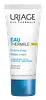
This chemical sunscreen covers most of the UV range, lighter on the deep UVA that drives aging.
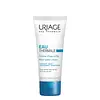
This barrier-repair moisturizer is formulated around Butyrospermum Parkii Butter and Squalane to strengthen the skin barrier and hydrate skin.

What's inside
What's inside
 Key Ingredients
Benefits
Concerns
Ingredients Side-by-side
Water
Skin ConditioningEthylhexyl Methoxycinnamate
UV Absorber


Ethylhexyl Salicylate
UV Absorber
Butyl Methoxydibenzoylmethane
UV Absorber
Dimethicone
Emollient

Isononyl Isononanoate
EmollientPolymethyl Methacrylate

Hydroxyethyl Acrylate/Sodium Acryloyldimethyl Taurate Copolymer
Emulsion StabilisingSqualane
Emollient


Steareth-2
EmulsifyingSteareth-21
CleansingPhenoxyethanol
Preservative
Butylene Glycol
Humectant
Parfum
Masking



Glycerin
Humectant
Trehalose
Humectant
Urea
Buffering

Cetyl Alcohol
Emollient


Chlorphenesin
Antimicrobial
Tetrasodium EDTA
ChelatingXylitylglucoside
Humectant
Anhydroxylitol
Humectant
Citric Acid
Buffering

O-Cymen-5-Ol
Antimicrobial
Tocopheryl Acetate
Antioxidant

Xanthan Gum
EmulsifyingPentylene Glycol
Skin Conditioning
Serine
Masking
Polysorbate 60
Emulsifying
Sorbitan Isostearate
Emulsifying
Xylitol
Humectant
Glucose
Humectant
Algin
MaskingCaprylyl Glycol
Emollient
Disodium Phosphate
BufferingGlyceryl Polyacrylate
Pullulan
Sodium Hyaluronate
Humectant

Ascorbyl Tetraisopalmitate
Antioxidant

BHT
Antioxidant
Potassium Phosphate
BufferingWater, Ethylhexyl Methoxycinnamate, Ethylhexyl Salicylate, Butyl Methoxydibenzoylmethane, Dimethicone, Isononyl Isononanoate, Polymethyl Methacrylate, Hydroxyethyl Acrylate/Sodium Acryloyldimethyl Taurate Copolymer, Squalane, Steareth-2, Steareth-21, Phenoxyethanol, Butylene Glycol, Parfum, Glycerin, Trehalose, Urea, Cetyl Alcohol, Chlorphenesin, Tetrasodium EDTA, Xylitylglucoside, Anhydroxylitol, Citric Acid, O-Cymen-5-Ol, Tocopheryl Acetate, Xanthan Gum, Pentylene Glycol, Serine, Polysorbate 60, Sorbitan Isostearate, Xylitol, Glucose, Algin, Caprylyl Glycol, Disodium Phosphate, Glyceryl Polyacrylate, Pullulan, Sodium Hyaluronate, Ascorbyl Tetraisopalmitate, BHT, Potassium Phosphate
Water
Skin ConditioningButyrospermum Parkii Butter
Skin Conditioning

Dimethicone
Emollient
Squalane
Emollient
Hydrogenated Polydecene
EmollientGlycerin
Humectant
Diglycerin
Humectant
Ethylhexyl Palmitate
Emollient
Limnanthes Alba Seed Oil
Skin Conditioning
Polymethyl Methacrylate
Propanediol
Solvent
Propylheptyl Caprylate
EmollientButylene Glycol
Humectant
Xylitylglucoside
Humectant
1,2-Hexanediol
Skin Conditioning
Steareth-2
EmulsifyingSteareth-21
CleansingAnhydroxylitol
Humectant
Cetyl Alcohol
Emollient
Trehalose
Humectant
Urea
Buffering
Xylitol
Humectant
Acrylates/C10-30 Alkyl Acrylate Crosspolymer
Emulsion StabilisingChlorphenesin
Antimicrobial
Pentaerythrityl Distearate
Emulsifying
Sodium Polyacrylate
Absorbent
Parfum
Masking
Glucose
Humectant
O-Cymen-5-Ol
Antimicrobial
Tocopheryl Acetate
Antioxidant
Pentylene Glycol
Skin Conditioning
Serine
Masking
Sodium Hydroxide
BufferingAlgin
MaskingCaprylyl Glycol
Emollient
Disodium Phosphate
BufferingGlyceryl Polyacrylate
Pullulan
Sodium Hyaluronate
Humectant
Potassium Phosphate
BufferingWater, Butyrospermum Parkii Butter, Dimethicone, Squalane, Hydrogenated Polydecene, Glycerin, Diglycerin, Ethylhexyl Palmitate, Limnanthes Alba Seed Oil, Polymethyl Methacrylate, Propanediol, Propylheptyl Caprylate, Butylene Glycol, Xylitylglucoside, 1,2-Hexanediol, Steareth-2, Steareth-21, Anhydroxylitol, Cetyl Alcohol, Trehalose, Urea, Xylitol, Acrylates/C10-30 Alkyl Acrylate Crosspolymer, Chlorphenesin, Pentaerythrityl Distearate, Sodium Polyacrylate, Parfum, Glucose, O-Cymen-5-Ol, Tocopheryl Acetate, Pentylene Glycol, Serine, Sodium Hydroxide, Algin, Caprylyl Glycol, Disodium Phosphate, Glyceryl Polyacrylate, Pullulan, Sodium Hyaluronate, Potassium Phosphate
Reviews
Ingredients Explained
These ingredients are found in both products.
Ingredients higher up in an ingredient list are typically present in a larger amount.
Algin is the sodium salt of alginic acid, a sugar-based polymer pulled out of brown seaweed.
In cosmetics, it's a workhorse thickener, binder, and film former rather than an active; it's mostly there for texture and slip.
Industry survey data collected by the Cosmetic Ingredient Review put its maximum reported use at 50% in paste masks and mud packs with reported use going all the way down to 0.001% in aerosol products. Most formulas sit at the low end since a little goes a long way as a thickener.
Allergy-wise, this ingredient is about as low-risk as it gets topically:
The "algae causes acne" idea comes from three places that got tangled together:
None of that transfers to a purified polysaccharide like algin. Clogged pores are a lipid problem where an ingredient has to get into the follicle and mix with sebum to form a comedone. Algin is a big, water-loving sugar chain that does neither; it gels and then sits on the surface as a film until it's rinsed off.
Learn more about AlginThis ingredient is created from dehydrating xylitol in acidic conditions. Xylitol is a famous sugar and humectant.
Much like its predecessor, anhydroxylitol is a humectant. Humectants attract and hold water to moisturize the skin.
This ingredient is most commonly found in a popular trio called Aquaxyl. Aquaxyl is made up of anhydroxylitol (24 - 34%), xylitylglucoside (35 - 50%), and xylitol (5 - 15%).
According to a manufacturer, Aquaxyl is known for a 3-D hydration concept and an anti-dehydration shield to reinforce the outer layer of skin.
This ingredient is often derived from plants such as wood and sugarcane.
Learn more about AnhydroxylitolButylene Glycol (or BG) is used within cosmetic products for a few different reasons:
Overall, Butylene Glycol is a safe and well-rounded ingredient that works well with other ingredients.
Though this ingredient works well with most skin types, some people with sensitive skin may experience a reaction such as allergic rashes, closed comedones, or itchiness.
Learn more about Butylene GlycolCaprylyl Glycol is a humectant, skin conditioner, emollient, and preservative booster derived from either caprylic acid or synthetically created.
Typical use levels vary from 0.3-1% as a preservative booster and go up to 2% to condition skin.
Because it is not a free-fatty acid, this ingredient is fungal acne safe (there's nothing for Malassezia to feed on).
Learn more about Caprylyl GlycolCetyl Alcohol is a fatty alcohol. Fatty Alcohols are most often used as an emollient or to thicken a product.
Its main roles are:
Though it has "alcohol" in the name, it is not related to denatured alcohol or ethyl alcohol.
The FDA allows products labeled "alcohol-free" to have fatty alcohols.
This ingredient may not be fungal acne safe. It is a primary fatty alcohol with a chain length above 12 carbons. A study from 2019 show Malassezia can feed on fatty alcohols in this range, so it may trigger fungal acne in those prone to it.
Learn more about Cetyl AlcoholChlorphenesin is a synthetic preservative. It helps protect a product against bacteria in order to extend shelf life. In most cases, Chlorphenesin is paired with other preservatives such as phenoxyethanol and caprylyl glycol.
Chlorphenesin is a biocide. This means it is able to help fight the microorganisms on our skin. It is also able to fight odor-releasing bacteria.
Chlorphenesin is soluble in both water and glycerin.
Studies show Chlorphenesin is easily absorbed by our skin. You should speak with a skincare professional if you have concerns about using Chlorphenesin.
Learn more about ChlorphenesinDimethicone is a type of synthetic silicone created from natural materials such as quartz. It is also known as polydimethylsiloxane.
What it does:
Dimethicone comes in different viscosities:
Depending on the viscosity, dimethicone has different properties.
Ingredients lists don't always show which type is used, so we recommend reaching out to the brand if you have questions about the viscosity.
This ingredient is unlikely to cause irritation because it does not get absorbed into skin. However, people with silicone allergies should be careful about using this ingredient.
Note: Dimethicone may contribute to pilling. This is because it is not oil or water soluble, so pilling may occur when layered with products. When mixed with heavy oils in a formula, the outcome is also quite greasy.
Learn more about DimethiconeDisodium Phosphate is a water-soluble powder used as a pH adjuster and mild chelating agent. It basically holds a specific pH and binds stray metal ions so your product stays stable.
This ingredient is usually used at very low levels and concentrations range from 0.000054% - 2.9%. The CIR Expert Panel states this ingredient to be non-irritating at current use levels.
Glucose is a simple sugar (a monosaccharide). In skincare, it is mostly a humectant and skin conditioning agent.
Mechanistically, it has multiple hydroxyl groups that hydrogen-bond to water. This pulls moisture into the upper layers of skin to keep the surface soft and hydrated.
It's worth knowing sugars are already a natural component of the skin's NMF (natural moisturizing factor) so it's a molecule that your stratum corneum is well-acquainted with.
Just so you know, glucose is hydrophilic (water-loving) and the stratum corneum is a strong barrier to hydrophilic compounds. This just means penetration is slow and most of the action is happening on the surface.
Gram-to-gram, glucose is not as efficient as a humectant as glycerin. This is why you'll likely see glycose paired with stronger humectants for a bigger hydration payoff.
In skincare, glucose is typically derived from corn or other starch sources.
Learn more about GlucoseGlycerin (or glycerol) is a compound naturally found in your skin. It's a powerhouse humectant that pulls water into the stratum corneum.
Topically, glycerin does several things at once:
Your skin makes glycerin on its own (mostly from sebaceous oil breakdown) and shuttles it to your outermost layer of skin, or your epidermis, via aquaporin-3.
Aquaporin-3 is a transporter that is essential for normal skin hydration, elasticity, and repair. Interestingly, mice lacking in AQP3 have dry and less elastic skin that can be fully corrected with glycerin.
This ingredient is non-irritating, plays well with almost every ingredient, and works across all skin types. Typical use is anywhere between 3-10% but can go up to 79% in some leave-on products.
Just know very high concentrations (>40%) can feel tacky in low humidity.
Glycerin is the name for this ingredient in American English. British English uses Glycerol/Glycerine.
Learn more about GlycerinWe don't have a description for Glyceryl Polyacrylate yet.
This ingredient is more commonly known as IPMP or Isopropyl Methylphenol. It is a preservative and has antimicrobial properties.
According to the EPA, this ingredient is allowed for use in cleansers, creams, powders, bath products, toothpaste, perfume, and more.
Parfum is a catch-all term for an ingredient or more that is used to give a scent to products.
Also called "fragrance", this ingredient can be a blend of hundreds of chemicals or plant oils. This means every product with "fragrance" or "parfum" in the ingredients list is a different mixture.
For instance, Habanolide is a proprietary trade name for a specific aroma chemical. When used as a fragrance ingredient in cosmetics, most aroma chemicals fall under the broad labeling category of “FRAGRANCE” or “PARFUM” according to EU and US regulations.
The term 'parfum' or 'fragrance' is not regulated in many countries. In many cases, it is up to the brand to define this term.
For instance, many brands choose to label themselves as "fragrance-free" because they are not using synthetic fragrances. However, their products may still contain ingredients such as essential oils that are considered a fragrance by INCI standards.
One example is Calendula flower extract. Calendula is an essential oil that still imparts a scent or 'fragrance'.
Depending on the blend, the ingredients in the mixture can cause allergies and sensitivities on the skin. Some ingredients that are known EU allergens include linalool and citronellol.
Parfum can also be used to mask or cover an unpleasant scent.
The bottom line is: not all fragrances/parfum/ingredients are created equally. If you are worried about fragrances, we recommend taking a closer look at an ingredient. And of course, we always recommend speaking with a professional.
Learn more about ParfumPentylene Glycol (1,2-pentanediol) is a multitasking little diol with three main roles in a formula:
Research on alkanediols (the family pentylene glycol belongs to) show they work by disrupting microbial cell membranes. This disruption helps the primary preservative system in a product work more effectively at lower doses.
On the safety side, the Cosmetic Ingredient Review Expert Panel has concluded this ingredient to be safe as used in current cosmetic practices + concentrations.
Typical use levels in a formula run about 1-5%.
Learn more about Pentylene GlycolThis ingredient is also known as PMMA. It is a polymer microsphere, composed of tiny, perfectly spherical particles formed from repeating units.
In cosmetics, PMMA is mainly used to give a soft or blurring effect. The transparent particles are able to scatter light and help reduce the appearance of fine-lines and imperfections.
PMMA is also able to enhance the texture of products by add a smooth feel.
Learn more about Polymethyl MethacrylatePotassium Phosphate is the term for the salts of potassium and phosphate ions. Our bodies naturally create and use potassium phosphate.
In cosmetics, potassium phosphate is used to adjust the pH level of products. Our skin has a natural pH level. Maintaining this pH level is important for our skin barrier. If the skin barrier is disrupted, our skin can experience dehydration and irritation.
This ingredient is used in medicine to help treat low blood levels of phosphorus.
Learn more about Potassium PhosphatePullulan is a low viscosity polysaccharide (a long chain carbohydrate) with binding and film forming properties when dissolved in water. It is used to create a "silicone-like" or silky feel in cosmetics without adding viscosity.
According to a manufacturer, this ingredient's ability to easily dissolves makes it a great carrier for active ingredients.
Due to it being edible and tasteless, you'll likely find this ingredient in breath freshener strips. This ingredient is produced from the starch of the fungus, Aureobasidium pullulans.
Pullulan is stable over a broad-range of pH.
Learn more about PullulanSerine is a non-essential amino acid (your body makes it on its own!). It is a major player in your skin's natural moisturizing factor (NMF), or the water-loving molecules in your outermost layer of skin (stratum corneum) that keeps everything hydrated and happy.
Serine is one of your NMF's most abundant components that works as a skin-identical humectant. Its hydroxyl group grabs onto water molecules to boost hydration without any heaviness or occlusion.
Research on a hydrogel with serine confirmed this serine got delivered to your stratum corneum and demonstrated enhanced skin moisturization.
Interestingly serine also helps your skin produce filaggrin, a protein that keeps your skin barrier strong and used to create collagen.
Learn more about SerineSodium Hyaluronate is the salt form of hyaluronic acid. It is a long sugar chain that is naturally found in your skin, joints, and connective tissue that maintains hydration and elasticity.
In skincare, it works as a humectant. It pulls water from the environment and deeper layers of skin and binds it to the surface.
Interestingly, the size of the molecule affects its behavior:
Some clinical evidence links low molecular weight versions to improved wrinkle depth, elasticity, anti-inflammatory effects, and barrier repair.
Many serums use a blend of both weights so you can get surface hydration plus longer-lasting and deeper effects.
You'll typically see concentrations between 0.1-2% for this ingredient.
Learn more about Sodium HyaluronateSqualane is the hydrogenated and shelf-stable form of squalene (a lipid that naturally occurs in human sebum).
It is an emollient and skin conditioning agent that is able to integrate seamlessly into the skin's lipid barrier without clogging pores.
This is due to how structurally similar it is to what your skin already produces.
Though it is mostly an emollient that helps soften and hydrate skin, it also has some humectant and occlusive action. Humectants help the skin retain moisture while occlusives seal it in, making squalane a triple-threat moisturizer.
Research shows it has antioxidant capabilities that help protect against stressors like UV exposure, specifically UVA induced oxidative stress. This study also found that it supports collagen biosynthesis in human dermal fibroblasts.
No clinical study has reported significant adverse effects and irritation reactions are very rare from this ingredient (even at 100% concentration).
Overall, it's a fantastic ingredient for hydration and is suitable for all skin types.
This depends on the source. Squalane can be derived from both plants and animals. Most squalane used in skincare comes from plants.
Please note: the source of squalane is only known if disclosed by the brand. We recommend reaching out to the brand if you have any questions about their squalane.
Read more about squalene with an "e".
Though squalane is often called an oil, it’s technically not one. It is a hydrocarbon, meaning it is only made of carbon and hydrogen. True oils are triglycerides and made of fatty acids and glycerol.
The term “oil-free” isn’t regulated so companies can define it however they want. Some exclude all oils, while others just avoid mineral oil or comedogenic oils.
Squalane has a comedogenic rating of 1 from the original 1972 study that tested raw ingredients under occlusion on rabbit ears. This system is not standardized or peer-reviewed, and using the raw ingredients is very different from how diluted cosmetic formulations are used on human skin.
A comedogenic rating of 1 means it is "unlikely to clog pores" according to the original rating system.
The overall formula of a product matters more than the individual ingredients on whether or not it will cause clogged pores.
Learn more about SqualaneSteareth-2 is a waxy compound used to emulsify ingredients. It is created from polyethylene glycol and stearyl alcohol. The 2 stands for the number of ethylene oxide units used to create this ingredient.
Due to the low degree of ethoxylation, the molecule stays mostly oil-loving. That's why you'll often see it paired with water-loving steareth-20 or steareth-21 to create elegant emulsions.
In testing, this ingredient was nontoxic in acute oral studies and not a skin irritant or sensitizer.
You might hear concerns about 1,4-dioxane as a byproduct of ethoxylation; this is well-known in the industry and is controlled through purification steps before the ingredient is blended into finished products.
Learn more about Steareth-2Steareth-21 is a nonionic emulsifier made by reacting stearyl alcohol with 21 units of ethylene oxide. It is mainly a cleansing agent and emulsifier.
The "21" in the name just tells you it has a longer water-loving chain. This makes it more gentle and less likely to irritate skin compared to lower-numbered steareths.
You'll most likely see it paired with steareth-2 because the two work together to create stable formulations.
1,4-dioxane is often brought up as a concern but this is usually removed through purification.
Learn more about Steareth-21Tocopheryl Acetate is a stable, shelf-friendly form of vitamin E.
Formulators love it because plain vitamin E oxidizes quickly once it hits air. This acetate version stays stable and resists going off, helping to extend a product's shelf life.
It's actually inactive on its own and works like a slow-release "storage" form; the enzymes in your skin called esterases gradually convert it into active vitamin E over time.
One in vivo study showed 5% of the acetate in the living layer of the epidermis converted to vitamin E after 5 days of application. This study also found the skin gained protection against UV damage even though the conversion was slow and small.
Once converted, vitamin E acts as a skin's main fat-soluble antioxidant that fights free radicals to protect skin from damage.
Topical vitamin E generally boosts the skin's photoprotection, and it reduced UV-damage in animal models.
This ingredient has some brightening potential but it's more of a prevention ingredient than spot-fader. Cell studies show it can slow down melanin production but it's worth noting that it's not the most powerful brightener out there.
Overall, it has a pretty solid safety profile and has been found to be non-irritating and non-comedogenic. Allergic reactions may happen but stay rare due to how widely the ingredient gets used.
The concentration will vary depending on the formula; industry data shows 0.1% in baby lotions, 3% in lipsticks, and 5% in foot powders. You can also find this ingredient at 100% in a pure vitamin E oil.
Most leave-on skincare keeps it at the lower end, often between 0.5-1%.
Learn more about Tocopheryl AcetateTrehalose is a disaccharide made of two glucose molecules (glucose is sugar!). Trehalose is used to help moisturize skin. It also has antioxidant properties.
As a humectant, trehalose helps draw moisture from the air to your skin. This helps keep your skin hydrated.
Due to its antioxidant properties, trehalose may help with signs of aging. Antioxidants help fight free-radical molecules, unstable molecules that may damage your skin.
In medicine, trehalose and hyaluronic acid are used to help treat dry eyes.
Some animals, plants, and bacteria create trehalose as a source of energy to survive freeze or lack of water.
Learn more about TrehaloseUrea is also called carbamide and is the diamide of carbonic acid. In cosmetics, urea is used to hydrate the skin. It also provides exfoliation in higher concentrations.
As a humectant, urea helps draw moisture from the air and from deep within the skin. This helps hydrate your skin. Studies show urea is an effective moisturizer for dry skin conditions. 40% urea is typical in medications for treating eczema and other skin conditions.
Urea has the strongest exfoliation effect in concentrations higher than 10%. It is a keratolytic agent, meaning it breaks down the keratin protein in the top layer of skin. This helps remove dead skin cells and flaking skin.
In medicine, urea has been shown to help increase the potency of other ingredients, such as fungal treatments.
Humans and animals use urea to metabolize nitrogen-containing compounds. Urea is highly soluble in water. Once dissolved, it is neither acidic nor alkaline.
Urea is actually one of the more well-studied and well-supported ingredients out there if you have eczema.
Clinical trials have shown that urea creams in the 5 - 10% range can:
Higher concentrations (20 -30%) can also help with thickened, scaly patches but is also more likely to sting on active flares.
Skip urea if you have rosacea. The AAD (American Academy of Dermatology) lists it alongside alcohol, menthol, and fragrance as a potential irritant for rosacea-prone skin. Urea's keratolytic and penetration-enhancing properties can trigger stinging, burning, and redness.
As always, your skin is unique, so definitely check in with your dermatologist.
Learn more about UreaWater. It's the most common cosmetic ingredient of all. You'll usually see it at the top of ingredient lists, meaning that it makes up the largest part of the product.
So why is it so popular? Water most often acts as a solvent - this means that it helps dissolve other ingredients into the formulation.
You'll also recognize water as that liquid we all need to stay alive. If you see this, drink a glass of water. Remember to stay hydrated!
Learn more about WaterXylitol is a humectant and prebiotic. It can help with dry skin.
In studies, xylitol has been shown to improve dry skin. It decreased transepidermal water loss, or when water passes through the skin and evaporates. Xylitol also showed to help improve the biomechanical properties of the skin barrier.
The prebiotic property of xylitol may also help reinforce our skin's natural microbiome. Having a healthy microbiome prevents infection by bad bacteria and helps with hydration.
As a humectant, Xylitol helps draw moisture from both the air and from deeper skin layers. This helps keep skin hydrated.
Xylitol is a sugar alcohol and commonly used as a sugar substitute. It is naturally occurring in plants such as strawberries and pumpkin.
Learn more about XylitolXylitylglucoside is created from xylitol and glucose, two humectants.
Not surprisingly, this ingredient is also a humectant. It attracts and holds water in your skin, helping to maintain hydration.
This ingredient is most commonly found in a popular trio called Aquaxyl. Aquaxyl is made up of anhydroxylitol(24 - 34%), xylitylglucoside (35 - 50%), and xylitol (5 - 15%).
According to a manufacturer, Aquaxyl is known for a 3-D hydration concept and an anti-dehydration shield to reinforce the outer layer of skin.
Learn more about Xylitylglucoside

