Urban Hydration Bright & Balanced Aloe Vera Leaf Gel Moisturizer Versus Versed Press Restart Gentle Retinol Serum
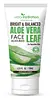
This calming moisturizer is formulated around Aloe Barbadensis Leaf Juice and Glycyrrhiza Uralensis Root Extract to calm redness and hydrate skin.
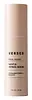
This anti-aging serum is formulated around Aloe Barbadensis Leaf Juice and Retinol to soften the look of wrinkles and refine skin texture.

What's inside
What's inside
 Key Ingredients
Benefits
Concerns
Ingredients Side-by-side
Water
Skin ConditioningGlycerin
Humectant


Hamamelis Virginiana Water
Astringent



Propanediol
Solvent
Aloe Barbadensis Leaf Juice
Skin Conditioning

Biosaccharide Gum-1
Humectant
Butylene Glycol
Humectant
Glycyrrhiza Uralensis Root Extract
Skin Conditioning
Gentiana Scabra Extract
HumectantSophora Angustifolia Root Extract
Skin ConditioningCentella Asiatica Extract
Cleansing

Carbomer
Emulsion StabilisingPolysorbate 20
Emulsifying
Panthenol
Skin Conditioning
Allantoin
Skin Conditioning
Cucumis Sativus Fruit Extract
Emollient
Tetrasodium Glutamate Diacetate
ChelatingSodium Hydroxide
BufferingMentha Piperita Oil
Masking



O-Cymen-5-Ol
Antimicrobial
Ethylhexylglycerin
Skin Conditioning1,2-Hexanediol
Skin Conditioning
Propylene Glycol
Humectant
Sodium Hyaluronate
Humectant
Ricinus Communis Seed Oil
Masking
Tocopheryl Acetate
Antioxidant


Water, Glycerin, Hamamelis Virginiana Water, Propanediol, Aloe Barbadensis Leaf Juice, Biosaccharide Gum-1, Butylene Glycol, Glycyrrhiza Uralensis Root Extract, Gentiana Scabra Extract, Sophora Angustifolia Root Extract, Centella Asiatica Extract, Carbomer, Polysorbate 20, Panthenol, Allantoin, Cucumis Sativus Fruit Extract, Tetrasodium Glutamate Diacetate, Sodium Hydroxide, Mentha Piperita Oil, O-Cymen-5-Ol, Ethylhexylglycerin, 1,2-Hexanediol, Propylene Glycol, Sodium Hyaluronate, Ricinus Communis Seed Oil, Tocopheryl Acetate
Water
Skin ConditioningHelianthus Annuus Seed Oil
Emollient
Aloe Barbadensis Leaf Juice
Skin Conditioning
Sodium Acrylate/Sodium Acryloyldimethyl Taurate Copolymer
Emulsion StabilisingSilica
Abrasive


Retinol
Skin Conditioning


Tocopherol
Antioxidant
Tocopheryl Acetate
Antioxidant
Bakuchiol
Antimicrobial
Crithmum Maritimum Extract
Skin ConditioningChamomilla Recutita Extract
Skin Conditioning
Melia Azadirachta Flower Extract
Skin ConditioningMelia Azadirachta Leaf Extract
Skin ConditioningPaeonia Lactiflora Root Extract
Skin ConditioningOpuntia Streptacantha Stem Extract
HumectantLactobacillus/Papaya Fruit Ferment Extract
Abrasive
Butyrospermum Parkii Butter
Skin Conditioning

Rosa Canina Seed Oil
Emollient
Hippophae Rhamnoides Seed Oil
Skin Protecting
Hydrogenated Vegetable Oil
Emollient
Sodium Hyaluronate
Humectant
Glycerin
Humectant
Lecithin
Emollient
Caprylyl Glycol
Emollient
Caprylic/Capric Triglyceride
Masking
Xylitol
Humectant
Anhydroxylitol
Humectant
Xylitylglucoside
Humectant
Trehalose
Humectant
Sorbitan Oleate
Emulsifying
Polysorbate 20
Emulsifying
Polysorbate 80
Emulsifying
Hexylene Glycol
EmulsifyingIsohexadecane
EmollientPhenoxyethanol
Preservative
Ethylhexylglycerin
Skin ConditioningSorbic Acid
Preservative
Potassium Sorbate
Preservative
Sodium Benzoate
Masking
Leuconostoc/Radish Root Ferment Filtrate
Antimicrobial
Citric Acid
Buffering
Water, Helianthus Annuus Seed Oil, Aloe Barbadensis Leaf Juice, Sodium Acrylate/Sodium Acryloyldimethyl Taurate Copolymer, Silica, Retinol, Tocopherol, Tocopheryl Acetate, Bakuchiol, Crithmum Maritimum Extract, Chamomilla Recutita Extract, Melia Azadirachta Flower Extract, Melia Azadirachta Leaf Extract, Paeonia Lactiflora Root Extract, Opuntia Streptacantha Stem Extract, Lactobacillus/Papaya Fruit Ferment Extract, Butyrospermum Parkii Butter, Rosa Canina Seed Oil, Hippophae Rhamnoides Seed Oil, Hydrogenated Vegetable Oil, Sodium Hyaluronate, Glycerin, Lecithin, Caprylyl Glycol, Caprylic/Capric Triglyceride, Xylitol, Anhydroxylitol, Xylitylglucoside, Trehalose, Sorbitan Oleate, Polysorbate 20, Polysorbate 80, Hexylene Glycol, Isohexadecane, Phenoxyethanol, Ethylhexylglycerin, Sorbic Acid, Potassium Sorbate, Sodium Benzoate, Leuconostoc/Radish Root Ferment Filtrate, Citric Acid
Reviews
Ingredients Explained
These ingredients are found in both products.
Ingredients higher up in an ingredient list are typically present in a larger amount.
Aloe Barbadensis Leaf Juice is the filtered, stabilized liquid pressed from the inner gel of the aloe vera leaf.
In cosmetics, it shows up as either soothing active or a water-replacement base. It is roughly 98-99% water and the last 1-2% is an interesting mix of polysaccharides, amino acids, vitamins, minerals, and enzymes.
The polysaccharides do most of the work: they bind water at the skin surface for a light, non-greasy hydration boost. And one of the polysaccharides, glycomannan, is linked to fibroblast stimulation + collagen synthesis. This is also why aloe has such a long track record in wound and burn healing.
This ingredient is also calming with anti-inflammatory and mild antimicrobial activity, making it a great pick for sensitive, irritated, or post-sun skin.
Realistic expectations matter though; the solid evidence is mostly limited to hydration, soothing, and wound support. Deeper claims about anti-aging or sun protection are not well backed, and science reviews note it does not prevent radiation-induced skin injury.
Because it plays well with almost everything, it's commonly used as a base alongside other actives like niacinamide or vitamin C.
Typical usage concentrations range from 0.5% (where hydration benefits already show up) all the way to 90%+ (where it replaces water as the main base).
The safety for this ingredient is well-establish as well. Overall, this is a great supporting ingredient for those who want a boost in hydration.
Learn more about Aloe Barbadensis Leaf JuiceEthylhexylglycerin is created from glycerin. It is a multitasker ingredient that:
The CIR Expert Panel found minimal skin absorption or sensitization of any kind in a safety assessment. Though this ingredient is considered well-tolerated, a small number of cases of allergic dermatitis have been published since 2002. Just be sure to patch test if you are unsure.
Industry-reported use ranges from 8% in rinse-off products and 2% in leave-on formulations.
Learn more about EthylhexylglycerinGlycerin (or glycerol) is a compound naturally found in your skin. It's a powerhouse humectant that pulls water into the stratum corneum.
Topically, glycerin does several things at once:
Your skin makes glycerin on its own (mostly from sebaceous oil breakdown) and shuttles it to your outermost layer of skin, or your epidermis, via aquaporin-3.
Aquaporin-3 is a transporter that is essential for normal skin hydration, elasticity, and repair. Interestingly, mice lacking in AQP3 have dry and less elastic skin that can be fully corrected with glycerin.
This ingredient is non-irritating, plays well with almost every ingredient, and works across all skin types. Typical use is anywhere between 3-10% but can go up to 79% in some leave-on products.
Just know very high concentrations (>40%) can feel tacky in low humidity.
Glycerin is the name for this ingredient in American English. British English uses Glycerol/Glycerine.
Learn more about GlycerinPolysorbate 20 is a gentle, water-soluble emulsifier and mild surfactant. It stops oil and water from separating to keep your formulas blended and stable.
It also acts as a mild penetration enhancer by helping active ingredients absorb slightly better.
The common safety discussion around this ingredient involves a manufacturing byproduct called 1,4-dioxane.
Trace amounts can form during production but the EU's Scientific Committee on Consumer Safety has concluded that levels at/below 10 ppm in finished products are safe (commercial products consistently fall within acceptable margins).
True allergic reactions are uncommon and the CIR Expert Panel has confirmed this ingredient to be safe as used in cosmetics.
Because it is derived from lauric acid, it may not be fungal acne safe.
Learn more about Polysorbate 20Sodium Hyaluronate is the salt form of hyaluronic acid. It is a long sugar chain that is naturally found in your skin, joints, and connective tissue that maintains hydration and elasticity.
In skincare, it works as a humectant. It pulls water from the environment and deeper layers of skin and binds it to the surface.
Interestingly, the size of the molecule affects its behavior:
Some clinical evidence links low molecular weight versions to improved wrinkle depth, elasticity, anti-inflammatory effects, and barrier repair.
Many serums use a blend of both weights so you can get surface hydration plus longer-lasting and deeper effects.
You'll typically see concentrations between 0.1-2% for this ingredient.
Learn more about Sodium HyaluronateTocopheryl Acetate is a stable, shelf-friendly form of vitamin E.
Formulators love it because plain vitamin E oxidizes quickly once it hits air. This acetate version stays stable and resists going off, helping to extend a product's shelf life.
It's actually inactive on its own and works like a slow-release "storage" form; the enzymes in your skin called esterases gradually convert it into active vitamin E over time.
One in vivo study showed 5% of the acetate in the living layer of the epidermis converted to vitamin E after 5 days of application. This study also found the skin gained protection against UV damage even though the conversion was slow and small.
Once converted, vitamin E acts as a skin's main fat-soluble antioxidant that fights free radicals to protect skin from damage.
Topical vitamin E generally boosts the skin's photoprotection, and it reduced UV-damage in animal models.
This ingredient has some brightening potential but it's more of a prevention ingredient than spot-fader. Cell studies show it can slow down melanin production but it's worth noting that it's not the most powerful brightener out there.
Overall, it has a pretty solid safety profile and has been found to be non-irritating and non-comedogenic. Allergic reactions may happen but stay rare due to how widely the ingredient gets used.
The concentration will vary depending on the formula; industry data shows 0.1% in baby lotions, 3% in lipsticks, and 5% in foot powders. You can also find this ingredient at 100% in a pure vitamin E oil.
Most leave-on skincare keeps it at the lower end, often between 0.5-1%.
Learn more about Tocopheryl AcetateWater. It's the most common cosmetic ingredient of all. You'll usually see it at the top of ingredient lists, meaning that it makes up the largest part of the product.
So why is it so popular? Water most often acts as a solvent - this means that it helps dissolve other ingredients into the formulation.
You'll also recognize water as that liquid we all need to stay alive. If you see this, drink a glass of water. Remember to stay hydrated!
Learn more about Water

