
What's inside
What's inside
 Key Ingredients
Benefits
Concerns
Ingredients Side-by-side
Water
Skin ConditioningButyrospermum Parkii Butter
Skin Conditioning






Glycerin
Humectant
Helianthus Annuus Seed Oil
Emollient
Vitis Vinifera Seed Oil
Emollient
Coffea Arabica Seed Extract
Masking

Cucumis Sativus Fruit Extract
Emollient
C14-22 Alcohols
Emulsion Stabilising
C12-20 Alkyl Glucoside
EmulsifyingOlea Europaea Fruit Oil
Masking
Sodium Hyaluronate
Humectant
Acer Rubrum Extract
Skin ConditioningTocopherol
Antioxidant



Rosmarinus Officinalis Leaf Extract
AntimicrobialAnthemis Nobilis Flower Oil
Masking

Calendula Officinalis Extract
Skin Conditioning
Xanthan Gum
EmulsifyingSalicylic Acid
Masking






Glucose
Humectant
Sorbic Acid
Preservative
Citric Acid
Buffering
Sodium Benzoate
Masking
Potassium Sorbate
Preservative
Benzyl Alcohol
Perfuming


Limonene
Perfuming
Linalool
Perfuming
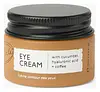
Water, Butyrospermum Parkii Butter, Glycerin, Helianthus Annuus Seed Oil, Vitis Vinifera Seed Oil, Coffea Arabica Seed Extract, Cucumis Sativus Fruit Extract, C14-22 Alcohols, C12-20 Alkyl Glucoside, Olea Europaea Fruit Oil, Sodium Hyaluronate, Acer Rubrum Extract, Tocopherol, Rosmarinus Officinalis Leaf Extract, Anthemis Nobilis Flower Oil, Calendula Officinalis Extract, Xanthan Gum, Salicylic Acid, Glucose, Sorbic Acid, Citric Acid, Sodium Benzoate, Potassium Sorbate, Benzyl Alcohol, Limonene, Linalool
Water
Skin ConditioningDimethicone
Emollient
Coco-Caprylate/Caprate
Emollient
Glycerin
Humectant
Caprylic/Capric Triglyceride
Masking
Glyceryl Stearate
Emollient
Candelilla/Jojoba/Rice Bran Polyglyceryl-3 Esters
Emulsifying
Punica Granatum Seed Oil
Emollient
Ethylhexyl Palmitate
Emollient
Mica
Cosmetic ColorantPhenoxyethanol
Preservative
Cetearyl Alcohol
Emollient
Sodium Stearoyl Lactylate
EmulsifyingBenzyl Alcohol
Perfuming
Polysilicone-11
Hydroxyacetophenone
Antioxidant
Sodium Stearoyl Glutamate
CleansingTocopheryl Acetate
Antioxidant
Acrylates/C10-30 Alkyl Acrylate Crosspolymer
Emulsion StabilisingSodium Gluconate
Skin ConditioningEthylhexylglycerin
Skin ConditioningSilica
Abrasive
Dehydroacetic Acid
Preservative
Diglucosyl Gallic Acid
Sodium Hydroxide
BufferingTrihydroxystearin
Skin Conditioning
Tin Oxide
Abrasive
Sodium Hyaluronate
Humectant
Glucomannan
Skin ConditioningCI 77891
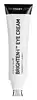
Cosmetic ColorantWater, Dimethicone, Coco-Caprylate/Caprate, Glycerin, Caprylic/Capric Triglyceride, Glyceryl Stearate, Candelilla/Jojoba/Rice Bran Polyglyceryl-3 Esters, Punica Granatum Seed Oil, Ethylhexyl Palmitate, Mica, Phenoxyethanol, Cetearyl Alcohol, Sodium Stearoyl Lactylate, Benzyl Alcohol, Polysilicone-11, Hydroxyacetophenone, Sodium Stearoyl Glutamate, Tocopheryl Acetate, Acrylates/C10-30 Alkyl Acrylate Crosspolymer, Sodium Gluconate, Ethylhexylglycerin, Silica, Dehydroacetic Acid, Diglucosyl Gallic Acid, Sodium Hydroxide, Trihydroxystearin, Tin Oxide, Sodium Hyaluronate, Glucomannan, CI 77891
Reviews
Ingredients Explained
These ingredients are found in both products.
Ingredients higher up in an ingredient list are typically present in a larger amount.
Benzyl Alcohol is an aromatic alcohol with several roles: it's a preservative, solvent, and mild fragrance component with a floral scent.
This ingredient has been deemed safe for use in cosmetic formulations at concentrations up to 5%, and up to 10% in hair dyes. You'll typically see 0.5-2% in most rinse-off or leave-on products.
As a preservative, it works by disrupting the membrane of microbial proteins. This helps keep bacteria and fungi from growing in your products.
The sensitization picture is actually quite assuring as well:of nearly 71,000 patients patch tested with benzyl alcohol, only 0.21% showed a positive reaction with most of them being weakly positive.
This led researchers to conclude that benzyl alcohol cannot be regarded as a significant contact allergen.
It is worth noting this ingredient is classified as one of the EU's regulated fragrance allergens and restricted to 1% in finished products.
Labels must also declare it in concentrations above 0.001% in leave-on products and 0.01% in rinse-off products.
At concentrations around 5%, localized redness and itching can appear as a direct irritant response and not as a true allergic reaction.
Learn more about Benzyl AlcoholGlycerin (or glycerol) is a compound naturally found in your skin. It's a powerhouse humectant that pulls water into the stratum corneum.
Topically, glycerin does several things at once:
Your skin makes glycerin on its own (mostly from sebaceous oil breakdown) and shuttles it to your outermost layer of skin, or your epidermis, via aquaporin-3.
Aquaporin-3 is a transporter that is essential for normal skin hydration, elasticity, and repair. Interestingly, mice lacking in AQP3 have dry and less elastic skin that can be fully corrected with glycerin.
This ingredient is non-irritating, plays well with almost every ingredient, and works across all skin types. Typical use is anywhere between 3-10% but can go up to 79% in some leave-on products.
Just know very high concentrations (>40%) can feel tacky in low humidity.
Glycerin is the name for this ingredient in American English. British English uses Glycerol/Glycerine.
Learn more about GlycerinSodium Hyaluronate is the salt form of hyaluronic acid. It is a long sugar chain that is naturally found in your skin, joints, and connective tissue that maintains hydration and elasticity.
In skincare, it works as a humectant. It pulls water from the environment and deeper layers of skin and binds it to the surface.
Interestingly, the size of the molecule affects its behavior:
Some clinical evidence links low molecular weight versions to improved wrinkle depth, elasticity, anti-inflammatory effects, and barrier repair.
Many serums use a blend of both weights so you can get surface hydration plus longer-lasting and deeper effects.
You'll typically see concentrations between 0.1-2% for this ingredient.
Learn more about Sodium HyaluronateWater. It's the most common cosmetic ingredient of all. You'll usually see it at the top of ingredient lists, meaning that it makes up the largest part of the product.
So why is it so popular? Water most often acts as a solvent - this means that it helps dissolve other ingredients into the formulation.
You'll also recognize water as that liquid we all need to stay alive. If you see this, drink a glass of water. Remember to stay hydrated!
Learn more about Water

