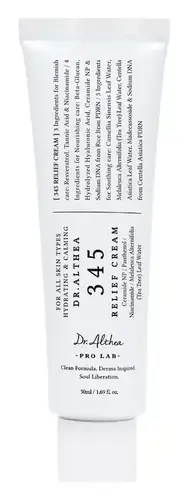
Unleashia 2-Step Zero Pore Overnight Bubble Serum Mask Versus House of Hur Clearing Skin Prep Essence Pad
This pore-care overnight mask is formulated around Lactic Acid and Niacinamide to refine the look of pores and refine skin texture.
This smoothing toner pad uses a pre-saturated pad with Gluconolactone and Glycolic Acid to refine skin texture and refine the look of pores.

What's inside
What's inside
 Key Ingredients
Benefits
Concerns
Ingredients Side-by-side
Water
Skin ConditioningLactic Acid
Buffering










Tromethamine
BufferingNiacinamide
Smoothing




Gluconolactone
Chelating
Dipropylene Glycol
HumectantC12-14 Alketh-12
Emulsifying1,2-Hexanediol
Skin Conditioning
Trehalose
Humectant
Panthenol
Skin Conditioning
Glyceryl Glucoside
Humectant
Tripropylene Glycol
Antioxidant
Glycerin
Humectant
Salicylic Acid
Masking


Ethylhexylglycerin
Skin ConditioningZinc PCA
Humectant
Sargassum Fulvellum Extract
Skin ConditioningUndaria Pinnatifida Extract
Skin ConditioningSpirulina Maxima Extract
SmoothingEctoin
Skin Conditioning
Ceramide NP
Skin Conditioning
Capryloyl Salicylic Acid
Exfoliating
Butylene Glycol
Humectant
Vitis Vinifera Fruit Extract
Skin ConditioningUlmus Davidiana Root Extract
Skin Conditioning
Pueraria Lobata Root Extract
HumectantPinus Palustris Leaf Extract
TonicOenothera Biennis Flower Extract
AstringentDiospyros Kaki Fruit Extract
Skin ConditioningCastanea Crenata Shell Extract
Skin ConditioningCamellia Sinensis Leaf Extract
Antimicrobial
Propanediol
Solvent
Glycereth-26
Humectant
Sodium Polyacryloyldimethyl Taurate
Emulsion StabilisingPullulan
Polyglycerin-3
Humectant
Methyl Gluceth-20
Humectant
Methyl Gluceth-10
EmulsifyingAmmonium Acryloyldimethyltaurate/Vp Copolymer
Coptis Japonica Extract
AntimicrobialGardenia Florida Fruit Extract
Skin ConditioningAllantoin
Skin Conditioning
Hydroxyethylcellulose
Emulsion StabilisingAdenosine
Skin Conditioning
Beta-Glucan
Skin Conditioning
Litsea Cubeba Fruit Oil
Masking


Water, Lactic Acid, Tromethamine, Niacinamide, Gluconolactone, Dipropylene Glycol, C12-14 Alketh-12, 1,2-Hexanediol, Trehalose, Panthenol, Glyceryl Glucoside, Tripropylene Glycol, Glycerin, Salicylic Acid, Ethylhexylglycerin, Zinc PCA, Sargassum Fulvellum Extract, Undaria Pinnatifida Extract, Spirulina Maxima Extract, Ectoin, Ceramide NP, Capryloyl Salicylic Acid, Butylene Glycol, Vitis Vinifera Fruit Extract, Ulmus Davidiana Root Extract, Pueraria Lobata Root Extract, Pinus Palustris Leaf Extract, Oenothera Biennis Flower Extract, Diospyros Kaki Fruit Extract, Castanea Crenata Shell Extract, Camellia Sinensis Leaf Extract, Propanediol, Glycereth-26, Sodium Polyacryloyldimethyl Taurate, Pullulan, Polyglycerin-3, Methyl Gluceth-20, Methyl Gluceth-10, Ammonium Acryloyldimethyltaurate/Vp Copolymer, Coptis Japonica Extract, Gardenia Florida Fruit Extract, Allantoin, Hydroxyethylcellulose, Adenosine, Beta-Glucan, Litsea Cubeba Fruit Oil
Beta Vulgaris Root Extract
Skin ConditioningWater
Skin ConditioningDipropylene Glycol
HumectantMethylpropanediol
SolventButylene Glycol
Humectant
1,2-Hexanediol
Skin Conditioning
Theobroma Cacao Seed Extract
Antioxidant
Gardenia Florida Fruit Extract
Skin ConditioningPanthenol
Skin Conditioning
Trehalose
Humectant
Disodium EDTA
ChelatingXanthan Gum
EmulsifyingTromethamine
BufferingGluconolactone
Chelating
Allantoin
Skin Conditioning
Glycolic Acid
Buffering
Dextrin
AbsorbentCyanocobalamin
Skin ConditioningSalicylic Acid
Masking
Hydroxyacetophenone
Antioxidant
Beta Vulgaris Root Extract, Water, Dipropylene Glycol, Methylpropanediol, Butylene Glycol, 1,2-Hexanediol, Theobroma Cacao Seed Extract, Gardenia Florida Fruit Extract, Panthenol, Trehalose, Disodium EDTA, Xanthan Gum, Tromethamine, Gluconolactone, Allantoin, Glycolic Acid, Dextrin, Cyanocobalamin, Salicylic Acid, Hydroxyacetophenone
Reviews
Ingredients Explained
These ingredients are found in both products.
Ingredients higher up in an ingredient list are typically present in a larger amount.
1,2-Hexanediol is a synthetic liquid and another multi-functional powerhouse.
It is a:
- Humectant, drawing moisture into the skin
- Emollient, helping to soften skin
- Solvent, dispersing and stabilizing formulas
- Preservative booster, enhancing the antimicrobial activity of other preservatives
Allantoin is a soothing ingredient known for its protective and moisturizing properties; it's basically a quiet workhorse ingredient you can find in a huge range of cosmetics.
Though it can be derived from the comfrey plant, allantoin is produced synthetically for cosmetic products to ensure purity.
Research shows it can encourage your skin cells to turn over and renew by stimulating keratinocyte and fibroblast proliferation.
It also has mild keratolytic properties to help loosen and shed dead skin cells without being harsh.
Studies also suggest allantoin can help calm inflammation by dialing down some of the chemical signals your skin sends out when it is irritated.
This ingredient is typically used in the 0.1-0.5% range, and the FDA recognizes it as a skin protectant in OTC products up to 2%.
Overall, allantoin is a wonderful addition to most routines; it is stable across a wide pH range (~4-8), works well with other ingredients, and is considered non-sensitizing/non-irritating.
Fun fact: Allantoin is naturally occurring in comfrey root, beets, chamomile, and wheat sprouts. Our bodies even produce it as a byproduct of uric acid metabolism.
Learn more about AllantoinButylene Glycol (or BG) is used within cosmetic products for a few different reasons:
Overall, Butylene Glycol is a safe and well-rounded ingredient that works well with other ingredients.
Though this ingredient works well with most skin types, some people with sensitive skin may experience a reaction such as allergic rashes, closed comedones, or itchiness.
Learn more about Butylene GlycolDipropylene Glycol is a synthetically created humectant, stabilizer, and solvent.
This ingredient helps:
Dipropylene glycol is technically an alcohol, but it belongs to the glycol family (often considered part of the ‘good’ alcohols). This means it is hydrating and gentle on skin unlike drying solvent alcohols like denatured alcohol.
As a masking agent, Dipropylene Glycol can be used to cover the smell of other ingredients. However, it does not have a scent.
Studies show Dipropylene Glycol is considered safe to use in skincare.
Learn more about Dipropylene GlycolThis ingredient comes from the evergreen flowering plant, gardenia. It has skin conditioning properties.
Gluconolactone is a PHA. PHAs are a great gentle alternative to traditional AHAs.
When applied, Gluconolactone has the same affect on skin as AHAs such as lactic acid. It helps dissolve the dead skin cells in the top layer of your skin. This improves texture and brightens the skin.
PHAs are more gentle than AHAs due to their larger structure. They do not penetrate as deeply as AHAs and take a longer time to dissolve dead cells. Studies show PHAs do not cause as much irritation.
Gluconolactone has some interesting properties:
In a 2004 study, Gluconolactone was found to prevent UV damage in mouse skin cells and has not been found to increase sun sensitivity. However, we still recommend wearing SPF daily.
This ingredient is is an created by reacting gluconic acid with an alcohol.
Learn more about GluconolactonePanthenol is a common ingredient that helps hydrate and soothe the skin. It is found naturally in our skin and hair.
There are two forms of panthenol: D and L.
D-panthenol is also known as dexpanthenol. Most cosmetics use dexpanthenol or a mixture of D and L-panthenol.
Panthenol is famous due to its ability to go deeper into the skin's layers. Using this ingredient has numerous pros (and no cons):
Like hyaluronic acid, panthenol is a humectant. Humectants are able to bind and hold large amounts of water to keep skin hydrated.
This ingredient works well for wound healing. It works by increasing tissue in the wound and helps close open wounds.
Once oxidized, panthenol converts to pantothenic acid. Panthothenic acid is found in all living cells.
This ingredient is also referred to as pro-vitamin B5.
Learn more about PanthenolSalicylic Acid (also known as beta hydroxy acid or BHA) is a well-known ingredient for treating skin that struggles with acne and clogged pores. It exfoliates both the skin's surface and deep within the pores to help clear out buildup, control oil, and reduce inflammation.
Unlike AHAs (alpha hydroxy acids), salicylic acid is oil-soluble. This allows it to penetrate into pores which makes it especially effective for treating blackheads and preventing future breakouts.
Salicylic acid is also known for its soothing properties. It has a similar structure to aspirin and can calm inflamed or irritated skin, making it a good option for acne-prone skin that is also sensitive.
Concentrations of 0.5-2% are recognized by the U.S. FDA as an over-the-counter topical acne product.
It can cause irritation and/or dryness if one's skin already has a compromised moisture barrier, so it's best to focus on repairing that before introducing this ingredient into your routine.
While salicylic acid does not increase sun sensitivity, it’s still important to wear sunscreen daily to protect your skin.
If you are looking for the ingredient called BHA or Butylated Hydroxyanisole, click here.
Learn more about Salicylic AcidTrehalose is a disaccharide made of two glucose molecules (glucose is sugar!). Trehalose is used to help moisturize skin. It also has antioxidant properties.
As a humectant, trehalose helps draw moisture from the air to your skin. This helps keep your skin hydrated.
Due to its antioxidant properties, trehalose may help with signs of aging. Antioxidants help fight free-radical molecules, unstable molecules that may damage your skin.
In medicine, trehalose and hyaluronic acid are used to help treat dry eyes.
Some animals, plants, and bacteria create trehalose as a source of energy to survive freeze or lack of water.
Learn more about TrehaloseTromethamine (aka THAM) is a synthetic amino acid that shows up in skincare as a helper ingredient.
It functions as a pH adjuster to help neutralize acidic ingredients and set a formula's pH to the right spot.
This matters a lot because a lot of actives (like vitamin C) needs a specific pH to work well and feel comfortable on skin.
Concentration use ranges from 0.1-1.0% depending on the formula.
Learn more about TromethamineWater. It's the most common cosmetic ingredient of all. You'll usually see it at the top of ingredient lists, meaning that it makes up the largest part of the product.
So why is it so popular? Water most often acts as a solvent - this means that it helps dissolve other ingredients into the formulation.
You'll also recognize water as that liquid we all need to stay alive. If you see this, drink a glass of water. Remember to stay hydrated!
Learn more about Water