
What's inside
What's inside
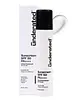 Key Ingredients
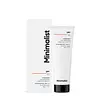
Benefits
Concerns
Ingredients Side-by-side
Ethylhexyl Methoxydibenzoylmethane
UV AbsorberButyl Methoxydibenzoylmethane
UV Absorber


Propylene Glycol
Humectant

Caprylic/Capric Triglyceride
Masking
Methyl Methacrylate Crosspolymer
Acrylates/C10-30 Alkyl Acrylate Crosspolymer
Emulsion StabilisingPhenoxyethanol
Preservative
Sodium Gluconate
Skin ConditioningXanthophylls
Skin ConditioningHelianthus Annuus Seed Oil
Emollient

Rosmarinus Officinalis Leaf Extract
AntimicrobialBeta-Carotene
Skin ConditioningTocopherol
Antioxidant




Crambe Abyssinica Seed Oil
Skin Conditioning
Porphyridium Cruentum Extract
Skin Conditioning3-O-Ethyl Ascorbic Acid
Skin Conditioning



Sodium Hydroxide
BufferingParfum
Masking
Ethylhexyl Methoxydibenzoylmethane, Butyl Methoxydibenzoylmethane, Propylene Glycol, Caprylic/Capric Triglyceride, Methyl Methacrylate Crosspolymer, Acrylates/C10-30 Alkyl Acrylate Crosspolymer, Phenoxyethanol, Sodium Gluconate, Xanthophylls, Helianthus Annuus Seed Oil, Rosmarinus Officinalis Leaf Extract, Beta-Carotene, Tocopherol, Crambe Abyssinica Seed Oil, Porphyridium Cruentum Extract, 3-O-Ethyl Ascorbic Acid, Sodium Hydroxide, Parfum
Water
Skin ConditioningOctocrylene
UV Absorber
Diisopropyl Adipate
EmollientPropylene Glycol Dicaprylate/Dicaprate
EmollientC12-15 Alkyl Benzoate
AntimicrobialDiisopropyl Sebacate
EmollientButyl Methoxydibenzoylmethane
UV Absorber
Isododecane
EmollientNiacinamide
Smoothing





Arachidyl Alcohol
EmollientBehenyl Alcohol
Emollient
Arachidyl Glucoside
EmulsifyingCaprylic/Capric Triglyceride
Masking
Titanium Dioxide
Cosmetic Colorant
Ethylhexyl Triazone
UV Absorber
PEG-100 Stearate
Glyceryl Stearate
Emollient
Butylene Glycol
Humectant
Linoleic Acid
Cleansing

Linolenic Acid
Cleansing
Panthenol
Skin Conditioning
Sodium Hyaluronate
Humectant
Allantoin
Skin Conditioning
Tocopheryl Acetate
Antioxidant
Retinol
Skin Conditioning
Polysorbate 20
Emulsifying
Hydroxyethyl Acrylate/Sodium Acryloyldimethyl Taurate Copolymer
Emulsion StabilisingXanthan Gum
EmulsifyingPolyacrylate Crosspolymer-6
Emulsion StabilisingSilica
Abrasive
Acacia Seyal Gum
HumectantPhenoxyethanol
Preservative
Ethylhexylglycerin
Skin ConditioningTrisodium Ethylenediamine Disuccinate
Water, Octocrylene, Diisopropyl Adipate, Propylene Glycol Dicaprylate/Dicaprate, C12-15 Alkyl Benzoate, Diisopropyl Sebacate, Butyl Methoxydibenzoylmethane, Isododecane, Niacinamide, Arachidyl Alcohol, Behenyl Alcohol, Arachidyl Glucoside, Caprylic/Capric Triglyceride, Titanium Dioxide, Ethylhexyl Triazone, PEG-100 Stearate, Glyceryl Stearate, Butylene Glycol, Linoleic Acid, Linolenic Acid, Panthenol, Sodium Hyaluronate, Allantoin, Tocopheryl Acetate, Retinol, Polysorbate 20, Hydroxyethyl Acrylate/Sodium Acryloyldimethyl Taurate Copolymer, Xanthan Gum, Polyacrylate Crosspolymer-6, Silica, Acacia Seyal Gum, Phenoxyethanol, Ethylhexylglycerin, Trisodium Ethylenediamine Disuccinate
Reviews
Ingredients Explained
These ingredients are found in both products.
Ingredients higher up in an ingredient list are typically present in a larger amount.
Also known as Avobenzone, this ingredient is a chemical sunscreen filter that provides protection in the UV-A range.
Avobenzone is globally approved and is the most commonly used UV-A filter in the world.
Studies have found that avobenzone becomes ineffective when exposed to UV light (it is not photostable; meaning that it breaks down in sunlight). Because of this, formulations that include avobenzone will usually contain stabilizers such as octocrylene.
However, some modern formulations (looking at you, EU!) are able to stabilize avobenzone by coating the molecules.
Avobenzone does not protect against the UV-B range, so it's important to check that the sunscreen you're using contains other UV filters that do!
The highest concentration of avobenzone permitted is 3% in the US, and 5% in the EU.
Learn more about Butyl MethoxydibenzoylmethaneThis ingredient is an emollient, solvent, and texture enhancer. It is considered a skin-softener by helping the skin prevent moisture loss.
It helps thicken a product's formula and makes it easier to spread by dissolving clumping compounds.
Caprylic Triglyceride is made by combining glycerin with coconut oil, forming a clear liquid.
While there is an assumption Caprylic Triglyceride can clog pores due to it being derived from coconut oil, there is no research supporting this.
Learn more about Caprylic/Capric TriglyceridePhenoxyethanol is a preservative that has germicide, antimicrobial, and aromatic properties. Studies show that phenoxyethanol can prevent microbial growth. By itself, it has a scent that is similar to that of a rose.
It's often used in formulations along with Caprylyl Glycol to preserve the shelf life of products.

