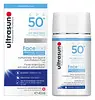
This hybrid sunscreen covers the full UV range and blocks ~98% of UVB at SPF 50.
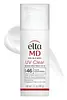
This hybrid sunscreen covers the full UV range and blocks ~98% of UVB at SPF 46.


What's inside
What's inside
 Key Ingredients
Benefits
Concerns
Ingredients Side-by-side
Water
Skin ConditioningCaprylic/Capric Triglyceride
Masking


Pentylene Glycol
Skin Conditioning
Glycerin
Humectant
Methylene Bis-Benzotriazolyl Tetramethylbutylphenol
UV Filter
Titanium Dioxide
Cosmetic Colorant
Ethylhexyl Salicylate
UV Absorber
Bis-Ethylhexyloxyphenol Methoxyphenyl Triazine
UV Absorber
C12-15 Alkyl Benzoate
AntimicrobialDiethylamino Hydroxybenzoyl Hexyl Benzoate
UV Filter
Silica
Abrasive


Ethylhexyl Triazone
UV Absorber
Acrylates Copolymer
Squalane
Emollient
Cocoglycerides
Emollient

Hydrogenated Phosphatidylcholine
Emulsifying
C8-22 Alkyl Acrylates/Methacrylic Acid Crosspolymer
Ectoin
Skin Conditioning


Decyl Glucoside
Cleansing
Vitis Vinifera Seed Extract
Antimicrobial
Cetyl Alcohol
Emollient
Propyl Alcohol
Solvent
Cetyl Phosphate
EmulsifyingXanthan Gum
EmulsifyingAlcohol
Antimicrobial


Lecithin
Emollient
Sodium Hydroxide
BufferingPropylene Glycol
Humectant
Lepidium Sativum Sprout Extract
Skin ConditioningTocopheryl Acetate
Antioxidant

Ascorbyl Tetraisopalmitate
Antioxidant

Tocopherol
Antioxidant
Diisopropyl Adipate
EmollientUbiquinone
Antioxidant
Water, Caprylic/Capric Triglyceride, Pentylene Glycol, Glycerin, Methylene Bis-Benzotriazolyl Tetramethylbutylphenol, Titanium Dioxide, Ethylhexyl Salicylate, Bis-Ethylhexyloxyphenol Methoxyphenyl Triazine, C12-15 Alkyl Benzoate, Diethylamino Hydroxybenzoyl Hexyl Benzoate, Silica, Ethylhexyl Triazone, Acrylates Copolymer, Squalane, Cocoglycerides, Hydrogenated Phosphatidylcholine, C8-22 Alkyl Acrylates/Methacrylic Acid Crosspolymer, Ectoin, Decyl Glucoside, Vitis Vinifera Seed Extract, Cetyl Alcohol, Propyl Alcohol, Cetyl Phosphate, Xanthan Gum, Alcohol, Lecithin, Sodium Hydroxide, Propylene Glycol, Lepidium Sativum Sprout Extract, Tocopheryl Acetate, Ascorbyl Tetraisopalmitate, Tocopherol, Diisopropyl Adipate, Ubiquinone
Zinc Oxide 9%
Cosmetic Colorant
Ethylhexyl Methoxycinnamate 7.5%
UV Absorber
Water
Skin ConditioningCyclopentasiloxane
Emollient
Niacinamide
Smoothing


Octyldodecyl Neopentanoate
EmollientHydroxyethyl Acrylate/Sodium Acryloyldimethyl Taurate Copolymer
Emulsion StabilisingButylene Glycol
Humectant
Phenoxyethanol
Preservative
Polyisobutene
Triethoxycaprylylsilane
Tocopheryl Acetate
Antioxidant
PEG-7 Trimethylolpropane Coconut Ether
Emulsifying
Oleth-3 Phosphate
SurfactantIodopropynyl Butylcarbamate
Preservative
Lactic Acid
Buffering
Sodium Hyaluronate
Humectant
Phosphoric Acid
BufferingZinc Oxide 9%, Ethylhexyl Methoxycinnamate 7.5%, Water, Cyclopentasiloxane, Niacinamide, Octyldodecyl Neopentanoate, Hydroxyethyl Acrylate/Sodium Acryloyldimethyl Taurate Copolymer, Butylene Glycol, Phenoxyethanol, Polyisobutene, Triethoxycaprylylsilane, Tocopheryl Acetate, PEG-7 Trimethylolpropane Coconut Ether, Oleth-3 Phosphate, Iodopropynyl Butylcarbamate, Lactic Acid, Sodium Hyaluronate, Phosphoric Acid
Reviews
Ingredients Explained
These ingredients are found in both products.
Ingredients higher up in an ingredient list are typically present in a larger amount.
Tocopheryl Acetate is a stable, shelf-friendly form of vitamin E.
Formulators love it because plain vitamin E oxidizes quickly once it hits air. This acetate version stays stable and resists going off, helping to extend a product's shelf life.
It's actually inactive on its own and works like a slow-release "storage" form; the enzymes in your skin called esterases gradually convert it into active vitamin E over time.
One in vivo study showed 5% of the acetate in the living layer of the epidermis converted to vitamin E after 5 days of application. This study also found the skin gained protection against UV damage even though the conversion was slow and small.
Once converted, vitamin E acts as a skin's main fat-soluble antioxidant that fights free radicals to protect skin from damage.
Topical vitamin E generally boosts the skin's photoprotection, and it reduced UV-damage in animal models.
This ingredient has some brightening potential but it's more of a prevention ingredient than spot-fader. Cell studies show it can slow down melanin production but it's worth noting that it's not the most powerful brightener out there.
Overall, it has a pretty solid safety profile and has been found to be non-irritating and non-comedogenic. Allergic reactions may happen but stay rare due to how widely the ingredient gets used.
The concentration will vary depending on the formula; industry data shows 0.1% in baby lotions, 3% in lipsticks, and 5% in foot powders. You can also find this ingredient at 100% in a pure vitamin E oil.
Most leave-on skincare keeps it at the lower end, often between 0.5-1%.
Learn more about Tocopheryl AcetateWater. It's the most common cosmetic ingredient of all. You'll usually see it at the top of ingredient lists, meaning that it makes up the largest part of the product.
So why is it so popular? Water most often acts as a solvent - this means that it helps dissolve other ingredients into the formulation.
You'll also recognize water as that liquid we all need to stay alive. If you see this, drink a glass of water. Remember to stay hydrated!
Learn more about Water

