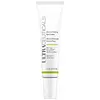
This anti-aging eye moisturizer is formulated around Ascorbic Acid and Squalane to soften the look of wrinkles and refine skin texture.
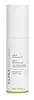
This anti-aging serum is formulated around Ascorbic Acid and Palmitoyl Tripeptide-1 to soften the look of wrinkles and brighten dull-looking skin.

What's inside
What's inside
 Key Ingredients
Benefits
Concerns
Ingredients Side-by-side
Dimethicone
Emollient

C12-15 Alkyl Benzoate
AntimicrobialAscorbic Acid
Antioxidant





Squalane
Emollient

Dimethicone/Vinyl Dimethicone Crosspolymer
Skin Conditioning
Ethylhexyl Palmitate
Emollient




Hydrogenated Vegetable Oil
Emollient
Polysilicone-11

Dipropylene Glycol Dibenzoate
EmollientHydroxyethyl Acrylate/Sodium Acryloyldimethyl Taurate Copolymer
Emulsion StabilisingTetradecane
Perfuming

Cetearyl Dimethicone Crosspolymer
Dimethicone Crosspolymer
Emulsion Stabilising
Bisabolol
Antioxidant

Hydrated Silica
Abrasive
PPG-15 Stearyl Ether Benzoate
EmollientTocopherol
Antioxidant
Tribehenin
Emollient
Salicyloyl Phytosphingosine
Skin ConditioningGlycine Soja Oil
Emollient
Sorbitan Laurate
Emulsifying
C18-36 Acid Glycol Ester
EmollientC18-36 Acid Triglyceride
EmollientCeramide Ng
Skin Conditioning
Trihydroxystearin
Skin Conditioning
PEG-10 Phytosterol
EmulsifyingLactic Acid
Buffering


Sodium Hyaluronate
Humectant
Palmitoyl Hexapeptide-12
Skin Conditioning
Palmitoyl Tripeptide-1
Skin Conditioning
Palmitoyl Tetrapeptide-7
Skin Conditioning
Glucomannan
Skin ConditioningDimethicone, C12-15 Alkyl Benzoate, Ascorbic Acid, Squalane, Dimethicone/Vinyl Dimethicone Crosspolymer, Ethylhexyl Palmitate, Hydrogenated Vegetable Oil, Polysilicone-11, Dipropylene Glycol Dibenzoate, Hydroxyethyl Acrylate/Sodium Acryloyldimethyl Taurate Copolymer, Tetradecane, Cetearyl Dimethicone Crosspolymer, Dimethicone Crosspolymer, Bisabolol, Hydrated Silica, PPG-15 Stearyl Ether Benzoate, Tocopherol, Tribehenin, Salicyloyl Phytosphingosine, Glycine Soja Oil, Sorbitan Laurate, C18-36 Acid Glycol Ester, C18-36 Acid Triglyceride, Ceramide Ng, Trihydroxystearin, PEG-10 Phytosterol, Lactic Acid, Sodium Hyaluronate, Palmitoyl Hexapeptide-12, Palmitoyl Tripeptide-1, Palmitoyl Tetrapeptide-7, Glucomannan
Water
Skin ConditioningAlcohol Denat.
Antimicrobial

Ascorbic Acid
Antioxidant
Dimethyl Isosorbide
SolventGlycerin
Humectant
Glyceryl Polymethacrylate
Polysorbate 20
Emulsifying
Propanediol
Solvent
PEG-8
HumectantButylene Glycol
Humectant
Caprylyl Glycol
Emollient
Sodium PCA
Humectant
Hydroxyethylcellulose
Emulsion StabilisingCitrus Reticulata Peel Oil
Masking
Sodium Lactate
Buffering
Disodium EDTA
ChelatingSodium Metabisulfite
Antioxidant
Sodium Sulfite
Preservative
Lavandula Angustifolia Oil
Masking
Anogeissus Leiocarpus Bark Extract
Skin ProtectingCaprylhydroxamic Acid
ChelatingPelargonium Graveolens Leaf Oil
Cananga Odorata Flower Oil
Masking
Carbomer
Emulsion StabilisingMenyanthes Trifoliata Leaf Extract
Skin ConditioningAnthemis Nobilis Flower Oil
Masking
Caprooyl Tetrapeptide-3
Skin Protecting
Dextran
Palmitoyl Hexapeptide-12
Skin Conditioning
Disodium Phosphate
BufferingPolysorbate 60
Emulsifying
Palmitoyl Tripeptide-1
Skin Conditioning
Palmitoyl Tetrapeptide-7
Skin Conditioning
Sodium Phosphate
BufferingLactic Acid
Buffering
Limonene
Perfuming
Linalool
Perfuming
Geraniol
Perfuming
Citronellol
Perfuming
Citral
Perfuming
Water, Alcohol Denat., Ascorbic Acid, Dimethyl Isosorbide, Glycerin, Glyceryl Polymethacrylate, Polysorbate 20, Propanediol, PEG-8, Butylene Glycol, Caprylyl Glycol, Sodium PCA, Hydroxyethylcellulose, Citrus Reticulata Peel Oil, Sodium Lactate, Disodium EDTA, Sodium Metabisulfite, Sodium Sulfite, Lavandula Angustifolia Oil, Anogeissus Leiocarpus Bark Extract, Caprylhydroxamic Acid, Pelargonium Graveolens Leaf Oil, Cananga Odorata Flower Oil, Carbomer, Menyanthes Trifoliata Leaf Extract, Anthemis Nobilis Flower Oil, Caprooyl Tetrapeptide-3, Dextran, Palmitoyl Hexapeptide-12, Disodium Phosphate, Polysorbate 60, Palmitoyl Tripeptide-1, Palmitoyl Tetrapeptide-7, Sodium Phosphate, Lactic Acid, Limonene, Linalool, Geraniol, Citronellol, Citral
Alternatives
Ingredients Explained
These ingredients are found in both products.
Ingredients higher up in an ingredient list are typically present in a larger amount.
Ascorbic Acid is is pure Vitamin C and is the biologically active form used directly by skin.
Not only is vitamin C great for your overall health and immune system, but it also has plenty of benefits for your skin. It is best supported by academic literature for:
Topical vitamin C has been shown to help neutralize oxidative stress from UV and pollution, helping to improve photoaging and hyperpigmentation when used consistently.
One clinical study found that using 5% topical vitamin C for six months improved signs of photodamaged skin, both on the surface and in the deeper structural layers of the skin.
While vitamin C doesn’t replace sunscreen, studies show it can boost photoprotection when combined with Vitamin E and ferulic acid. These two ingredients help improve stability and protective effects.
The big downside of this ingredient is formulation difficulty. Vitamin C is prone to oxidation and doesn't penetrate the skin unless formulated correctly. Research found that vitamin C absorbs into the skin best at a low pH (< 3.5) with about 20% being the upper limit for effective absorption.
Skin levels can saturate after repeated application; this means your skin won’t keep absorbing more once it’s full of vitamin C. This is why more isn’t always better with vitamin C and why very high concentrations don’t necessarily give extra benefits.
Ascorbic acid generally works well with many skincare ingredients but can be irritating when combined with other active ingredients. Strong oxidizing acne treatments like benzoyl peroxide can reduce the effectiveness of vitamin C if they are used at the same time; they are often recommended for use at different times of day.
Read more about other types of Vitamin C:
Foods rich with vitamin C include oranges, strawberries, broccoli, bell peppers, and more. When consuming Vitamin C, your skin receives a portion of the nutrients.
Learn more about Ascorbic AcidLactic Acid is another well-loved alpha hydroxy acid (AHA). It is gentler than glycolic acid but still highly effective.
Its main role is to exfoliate the surface of the skin by loosening the “glue” that holds dead skin cells together. Shedding those old cells leads to smoother, softer, and more even-toned skin.
Because lactic acid molecules are larger than glycolic acid, they don’t penetrate as deeply. This means they’re less likely to sting or irritate, making it a great choice for beginners or those with sensitive skin.
Like glycolic acid, it can:
Lactic acid also acts as a humectant (like hyaluronic acid). It can draw water into the skin to improve hydration and also plays a role in the skin's natural moisturizing factor (NMF) in the form of sodium lactate.
Studies show it can boost ceramide production to strengthen the skin barrier and even help balance the skin’s microbiome.
To get results, choose products with a pH between 3-4.
Lower strengths (5-12%) focus on surface exfoliation; higher strengths (12% and up) can reach deeper in the dermis (deeper, supportive layer) to improve skin texture and firmness over time.
Though it was originally derived from milk, most modern lactic acid used in skincare is vegan. It is made through non-dairy fermentation to create a bio-identical and stable form suitable for all formulations.
When lactic acid shows up near the end of an ingredient list, it usually means the brand added just a tiny amount to adjust the product’s pH.
Legend has it that Cleopatra used to bathe in sour milk to help reduce wrinkles.
Lactic acid is truly a gentle multitasker: it exfoliates, hydrates, strengthens, and brightens. It's a great ingredient for giving your skin a smooth, glowing, and healthy look without the harshness of stronger acids.
Read more about some other popular AHA's here:
Learn more about Lactic AcidPalmitoyl Hexapeptide-12 is a synthetic lipopeptide. This just means it's a short chain of six amino acids with a palmitic acid molecule attached to one end.
The palmitoyl group increases the lipophilicity, helping it penetrate the lipid-rich outer layer of skin more effectively.
Once inside, it helps with keeping skin springy and firm. It works by mimicking the skin repair signals your skin naturally sends out when it's damaged and telling it to kick into rebuild mode.
Studies have shown it can help strengthen the skin barrier as well so it's useful beyond just anti-aging.
In vitro studies suggest it can switch on genes that help skin cells grow, move around, and rebuild skin structure. Just keep in mind most of the strong evidence is from lab studies rather than large-scale clinical trials.
Lab studies suggest it can switch on genes that help skin cells grow, move around, and rebuild skin structure.
This ingredient is usually used at very low concentrations (0.002% in leave-on products).
Fungal acne note:
Usually a palmitic acid component can feed Malassezia in unbound form, but here is is covalently bonded to the peptide. This means it is very difficult for Malassezia to access, and therefore very unlikely to cause fungal acne.
Palmitoyl Tetrapeptide-7 (formerly Palmitoyl Tetrapeptide-3) is a synthetic peptide. Its main job is to fight what researchers call "inflammaging".
"Inflammaging" is the slow, low-grade chronic inflammation that quietly breaks down collagen as we age.
This ingredient calms down a specific inflammation signal in your skin cells (called IL-6). When left unchecked, this signal triggers enzymes that break down collagen and elastin.
Clinical testing showed statistically significant improvements in:
Studies also found the more of this ingredient used, the more your skin produces Collagen I, fibronectin, and hyaluronic acid.
You'll likely see this ingredient paired with Palmitoyl Tripeptide-1 in the well-known Matrixyl 3000 complex for enhanced anti-aging effects.
A 3% concentration applied twice daily for two months showed meaningful skin rejuvenation results in clinical panels.
Fungal acne note:
Usually a palmitic acid component can feed Malassezia in unbound form, but here is is covalently bonded to the peptide. This means it is very difficult for Malassezia to access, and therefore very unlikely to cause fungal acne.
Palmitoyl Tripeptide-1 (aka Pal-GHK) is a synthetic signal peptide made of three amino acids attached to palmitic acid.
That fatty acid attachment is the key: it boosts the peptide's ability to penetrate the skin barrier. This puts it closer to the dermal cells where it can actually make a difference.
Once there, it acts as a matrikine, a signaling peptide that prompts fibroblasts to produce more collagen, fibronectin, and hyaluronic acid.
In vitro studies show it can boost collagen production in skin cells even when UV-damaged skin samples were treated with it at a tiny concentration (it almost fully restored dermal collagen at 5ppm). It achieved this at 100x lower concentration than retinoic acid, which needed 500 ppm to do the same thing.
Human clinical data is promising, but modest:
A study of 23 female volunteers found a small but statistically significant increase (~4%) in skin thickness after treatment at 4 ppm.
A separate small trial of 15 women showed statistically significant reductions in wrinkle length, depth, and skin roughness after applying it twice daily for four weeks.
You'll likely see Pal-GHK paired with Palmitoyl Tetrapeptide-7 as part of the Matrixyl 3000 complex.
Fungal acne note:
Usually a palmitic acid component can feed Malassezia in unbound form, but here is is covalently bonded to the peptide. This means it is very difficult for Malassezia to access, and therefore very unlikely to cause fungal acne.


