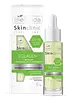
Bielenda Skin Clinic Professional Collagen Regenerating & Anti-wrinkle Serum Versus Ultraceuticals Ultra C Firming Serum
This hydrating serum is formulated around Polyglutamic Acid and Panthenol to hydrate skin and strengthen the skin barrier.
This anti-aging serum is formulated around Ascorbic Acid and Palmitoyl Tripeptide-1 to soften the look of wrinkles and brighten dull-looking skin.


What's inside
What's inside
 Key Ingredients
No key ingredients
Benefits
Concerns
Ingredients Side-by-side
Water
Skin ConditioningBetaine
Humectant


Butylene Glycol
Humectant
Glycerin
Humectant
Propanediol
Solvent
Polyglutamic Acid
Skin Conditioning
Panthenol
Skin Conditioning
Rice Amino Acids
Skin Conditioning

Hydrolyzed Soy Protein
Humectant
Proline
Skin Conditioning
Hydrolyzed Adansonia Digitata Seed Extract
Hydroxyethylcellulose
Emulsion StabilisingDisodium Phosphate
BufferingSodium Phosphate
BufferingLactic Acid
Buffering








Polysorbate 20
Emulsifying
Ethylhexylglycerin
Skin ConditioningPhenoxyethanol
Preservative
Parfum
Masking

Limonene
Perfuming
Linalool
Perfuming
CI 42090
Cosmetic ColorantCI 19140
Cosmetic ColorantWater, Betaine, Butylene Glycol, Glycerin, Propanediol, Polyglutamic Acid, Panthenol, Rice Amino Acids, Hydrolyzed Soy Protein, Proline, Hydrolyzed Adansonia Digitata Seed Extract, Hydroxyethylcellulose, Disodium Phosphate, Sodium Phosphate, Lactic Acid, Polysorbate 20, Ethylhexylglycerin, Phenoxyethanol, Parfum, Limonene, Linalool, CI 42090, CI 19140
Water
Skin ConditioningAlcohol Denat.
Antimicrobial

Ascorbic Acid
Antioxidant

Dimethyl Isosorbide
SolventGlycerin
Humectant
Glyceryl Polymethacrylate
Polysorbate 20
Emulsifying
Propanediol
Solvent
PEG-8
HumectantButylene Glycol
Humectant
Caprylyl Glycol
Emollient
Sodium PCA
Humectant
Hydroxyethylcellulose
Emulsion StabilisingCitrus Reticulata Peel Oil
Masking

Sodium Lactate
Buffering
Disodium EDTA
ChelatingSodium Metabisulfite
Antioxidant
Sodium Sulfite
Preservative
Lavandula Angustifolia Oil
Masking
Anogeissus Leiocarpus Bark Extract
Skin ProtectingCaprylhydroxamic Acid
ChelatingPelargonium Graveolens Leaf Oil
Cananga Odorata Flower Oil
Masking
Carbomer
Emulsion StabilisingMenyanthes Trifoliata Leaf Extract
Skin ConditioningAnthemis Nobilis Flower Oil
Masking
Caprooyl Tetrapeptide-3
Skin Protecting
Dextran
Palmitoyl Hexapeptide-12
Skin Conditioning
Disodium Phosphate
BufferingPolysorbate 60
Emulsifying
Palmitoyl Tripeptide-1
Skin Conditioning
Palmitoyl Tetrapeptide-7
Skin Conditioning
Sodium Phosphate
BufferingLactic Acid
Buffering
Limonene
Perfuming
Linalool
Perfuming
Geraniol
Perfuming
Citronellol
Perfuming
Citral
Perfuming
Water, Alcohol Denat., Ascorbic Acid, Dimethyl Isosorbide, Glycerin, Glyceryl Polymethacrylate, Polysorbate 20, Propanediol, PEG-8, Butylene Glycol, Caprylyl Glycol, Sodium PCA, Hydroxyethylcellulose, Citrus Reticulata Peel Oil, Sodium Lactate, Disodium EDTA, Sodium Metabisulfite, Sodium Sulfite, Lavandula Angustifolia Oil, Anogeissus Leiocarpus Bark Extract, Caprylhydroxamic Acid, Pelargonium Graveolens Leaf Oil, Cananga Odorata Flower Oil, Carbomer, Menyanthes Trifoliata Leaf Extract, Anthemis Nobilis Flower Oil, Caprooyl Tetrapeptide-3, Dextran, Palmitoyl Hexapeptide-12, Disodium Phosphate, Polysorbate 60, Palmitoyl Tripeptide-1, Palmitoyl Tetrapeptide-7, Sodium Phosphate, Lactic Acid, Limonene, Linalool, Geraniol, Citronellol, Citral
Ingredients Explained
These ingredients are found in both products.
Ingredients higher up in an ingredient list are typically present in a larger amount.
Butylene Glycol (or BG) is used within cosmetic products for a few different reasons:
Overall, Butylene Glycol is a safe and well-rounded ingredient that works well with other ingredients.
Though this ingredient works well with most skin types, some people with sensitive skin may experience a reaction such as allergic rashes, closed comedones, or itchiness.
Learn more about Butylene GlycolDisodium Phosphate is a water-soluble powder used as a pH adjuster and mild chelating agent. It basically holds a specific pH and binds stray metal ions so your product stays stable.
This ingredient is usually used at very low levels and concentrations range from 0.000054% - 2.9%. The CIR Expert Panel states this ingredient to be non-irritating at current use levels.
Glycerin (or glycerol) is a compound naturally found in your skin. It's a powerhouse humectant that pulls water into the stratum corneum.
Topically, glycerin does several things at once:
Your skin makes glycerin on its own (mostly from sebaceous oil breakdown) and shuttles it to your outermost layer of skin, or your epidermis, via aquaporin-3.
Aquaporin-3 is a transporter that is essential for normal skin hydration, elasticity, and repair. Interestingly, mice lacking in AQP3 have dry and less elastic skin that can be fully corrected with glycerin.
This ingredient is non-irritating, plays well with almost every ingredient, and works across all skin types. Typical use is anywhere between 3-10% but can go up to 79% in some leave-on products.
Just know very high concentrations (>40%) can feel tacky in low humidity.
Glycerin is the name for this ingredient in American English. British English uses Glycerol/Glycerine.
Learn more about GlycerinHydroxyethylcellulose is used to improve the texture of products. It is created from a chemical reaction involving ethylene oxide and alkali-cellulose. Cellulose is a sugar found in plant cell walls and help give plants structure.
This ingredient helps stabilize products by preventing ingredients from separating. It can also help thicken the texture of a product.
This ingredient can also be found in pill medicines to help our bodies digest other ingredients.
Learn more about HydroxyethylcelluloseLactic Acid is another well-loved alpha hydroxy acid (AHA). It is gentler than glycolic acid but still highly effective.
Its main role is to exfoliate the surface of the skin by loosening the “glue” that holds dead skin cells together. Shedding those old cells leads to smoother, softer, and more even-toned skin.
Because lactic acid molecules are larger than glycolic acid, they don’t penetrate as deeply. This means they’re less likely to sting or irritate, making it a great choice for beginners or those with sensitive skin.
Like glycolic acid, it can:
Lactic acid also acts as a humectant (like hyaluronic acid). It can draw water into the skin to improve hydration and also plays a role in the skin's natural moisturizing factor (NMF) in the form of sodium lactate.
Studies show it can boost ceramide production to strengthen the skin barrier and even help balance the skin’s microbiome.
To get results, choose products with a pH between 3-4.
Lower strengths (5-12%) focus on surface exfoliation; higher strengths (12% and up) can reach deeper in the dermis (deeper, supportive layer) to improve skin texture and firmness over time.
Though it was originally derived from milk, most modern lactic acid used in skincare is vegan. It is made through non-dairy fermentation to create a bio-identical and stable form suitable for all formulations.
When lactic acid shows up near the end of an ingredient list, it usually means the brand added just a tiny amount to adjust the product’s pH.
Legend has it that Cleopatra used to bathe in sour milk to help reduce wrinkles.
Lactic acid is truly a gentle multitasker: it exfoliates, hydrates, strengthens, and brightens. It's a great ingredient for giving your skin a smooth, glowing, and healthy look without the harshness of stronger acids.
Read more about some other popular AHA's here:
Learn more about Lactic AcidLimonene is the compound that gives citrus peel its smell.
In skincare, it shows up as a standalone fragrance ingredient or as a natural compound of citrus and other essential oils.
You'll typically see this ingredient used in very small amounts; anything above 0.001% in a leave-on product or 0.01% in a rinse-off has to be named on the label in the EU. The citrus oils that carry it sit around 0.5-1% in a finished formula.
Fresh limonene is a weak allergen; the real issue is that it slowly reacts with air and then breaks down from oxidation to create hydroperoxides (which are strong sensitizers). This is why suppliers are required to keep the peroxide value below 20 mmol.
Positive reactions in people being investigated for eczema vary:
It's worth skipping if you have a known fragrance allergy or a compromised barrier, but the risk is low for most people.
Older or long-opened products are also more likely to bother you than fresh ones due to oxidation.
Learn more about LimoneneLinalool is a small, naturally occurring scent molecule found in plants like lavender, coriander, bergamot, and more.
It is one of the two most-used fragrance ingredients in cosmetics and added purely for smell. Since it's not used for a skin benefit, there's no "effective dose". Concentration depends on the fragrance load of the product.
The EU requires it to be named on the label above 0.001% in leave-on and 0.01% in rinse-off products.
Fresh linalool is a weak sensitizer but air exposure turns some of it into hydroperoxides, which are strong sensitizers. Those oxidation products are the actual allergy concern.
Patch-test clinics see positive reactions to linalool hydroperoxides in about 4% to 12% of dermatitis patients depending on country and test concentration.
Resassuringly, one analytical study found hydroperoxide levels in real fragranced products to be orders of magnitude below what induced sensitization in animal studies with no evidence of oxidation building up during normal storage.
The practical takeaway is that linalool is fine for most people but worth avoiding if you have a confirmed fragrance contact allergy or a badly compromised barrier.
Products stored a long time after opening are also the high-risk scenario since that is when oxidation happens.
The scent of linalool is described as floral, spicy tropical, and citrus-like.
Learn more about LinaloolPolysorbate 20 is a gentle, water-soluble emulsifier and mild surfactant. It stops oil and water from separating to keep your formulas blended and stable.
It also acts as a mild penetration enhancer by helping active ingredients absorb slightly better.
The common safety discussion around this ingredient involves a manufacturing byproduct called 1,4-dioxane.
Trace amounts can form during production but the EU's Scientific Committee on Consumer Safety has concluded that levels at/below 10 ppm in finished products are safe (commercial products consistently fall within acceptable margins).
True allergic reactions are uncommon and the CIR Expert Panel has confirmed this ingredient to be safe as used in cosmetics.
Because it is derived from lauric acid, it may not be fungal acne safe.
Learn more about Polysorbate 20Propanediol is an all-star ingredient. It softens, hydrates, and smooths the skin.
It’s often used to:
Propanediol is not likely to cause sensitivity and considered safe to use. It is derived from corn or petroleum with a clear color and no scent.
Learn more about PropanediolSodium Phosphate is is behind-the-scenes formulation helper. Its main job is buffering, or locking in the product's pH.
This helps ensure the formula stays at its intended acidity through manufacturing, shipping, and sitting on your shelf. Many active ingredients like vitamin C or retinoids are pH sensitive so maintaining their happy pH range matters.
It is synthetic and reported use concentrations are very low (up to 0.086% in face powders).
Learn more about Sodium PhosphateWater. It's the most common cosmetic ingredient of all. You'll usually see it at the top of ingredient lists, meaning that it makes up the largest part of the product.
So why is it so popular? Water most often acts as a solvent - this means that it helps dissolve other ingredients into the formulation.
You'll also recognize water as that liquid we all need to stay alive. If you see this, drink a glass of water. Remember to stay hydrated!
Learn more about Water

