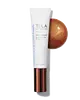
This tanning is formulated around Niacinamide to brighten dull-looking skin and strengthen the skin barrier.
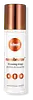
This tanning is formulated around Squalane and Sodium Hyaluronate to hydrate skin and strengthen the skin barrier.


What's inside
What's inside
 Key Ingredients
Benefits
Concerns
Ingredients Side-by-side
Water
Skin ConditioningButylene Glycol
Humectant

Glycerin
Humectant
Caprylic/Capric Triglyceride
Masking
Coco-Caprylate/Caprate
Emollient
Mica
Cosmetic ColorantGlyceryl Stearate Se
Emulsifying




Cetyl Alcohol
Emollient
Copper Palmitoyl Heptapeptide-14
Skin Conditioning
Hydrolyzed Hyaluronic Acid
Humectant

Niacinamide
Smoothing








Lactococcus Ferment Lysate
Skin Conditioning
Lactobacillus Ferment
Skin Conditioning
Lactobacillus
Skin ConditioningCurcuma Longa Root Extract
Antioxidant

Beta Vulgaris Root Extract
Skin ConditioningAlpha-Glucan Oligosaccharide
Cleansing
Inulin
Skin Conditioning
Cystoseira Tamariscifolia Extract
Skin Conditioning
Aspergillus/Camellia Sinensis Leaf Ferment Extract
Antimicrobial
Dunaliella Salina Extract
Skin ConditioningLactic Acid
Buffering

Phenoxyethanol
Preservative
Ammonium Acryloyldimethyltaurate/Vp Copolymer
Hydroxyacetophenone
Antioxidant
Propanediol
Solvent
Squalane
Emollient
Pongamia Glabra Seed Oil
Skin Conditioning
Sodium Dilauramidoglutamide Lysine
HumectantEthylhexylglycerin
Skin ConditioningSodium Citrate
BufferingCaprylyl Glycol
Emollient
Polymnia Sonchifolia Root Juice
Skin ConditioningHaematococcus Pluvialis Extract
Antioxidant
Maltodextrin
Absorbent
Glyceryl Caprylate
EmollientPolyvinyl Alcohol
Palmitoyl Sh-Hexapeptide-13 Serine Sp Amide
Phenylpropanol
Masking
Sodium Benzoate
Masking
Lactic Acid/Glycolic Acid Copolymer
Skin Conditioning1,2-Hexanediol
Skin Conditioning
Sodium Chloride
MaskingXanthan Gum
EmulsifyingWater, Butylene Glycol, Glycerin, Caprylic/Capric Triglyceride, Coco-Caprylate/Caprate, Mica, Glyceryl Stearate Se, Cetyl Alcohol, Copper Palmitoyl Heptapeptide-14, Hydrolyzed Hyaluronic Acid, Niacinamide, Lactococcus Ferment Lysate, Lactobacillus Ferment, Lactobacillus, Curcuma Longa Root Extract, Beta Vulgaris Root Extract, Alpha-Glucan Oligosaccharide, Inulin, Cystoseira Tamariscifolia Extract, Aspergillus/Camellia Sinensis Leaf Ferment Extract, Dunaliella Salina Extract, Lactic Acid, Phenoxyethanol, Ammonium Acryloyldimethyltaurate/Vp Copolymer, Hydroxyacetophenone, Propanediol, Squalane, Pongamia Glabra Seed Oil, Sodium Dilauramidoglutamide Lysine, Ethylhexylglycerin, Sodium Citrate, Caprylyl Glycol, Polymnia Sonchifolia Root Juice, Haematococcus Pluvialis Extract, Maltodextrin, Glyceryl Caprylate, Polyvinyl Alcohol, Palmitoyl Sh-Hexapeptide-13 Serine Sp Amide, Phenylpropanol, Sodium Benzoate, Lactic Acid/Glycolic Acid Copolymer, 1,2-Hexanediol, Sodium Chloride, Xanthan Gum
Water
Skin ConditioningGlycerin
Humectant
Caprylic/Capric Triglyceride
Masking
Butylene Glycol
Humectant
Mica
Cosmetic ColorantPvp
Emulsion StabilisingSodium Acrylates Copolymer
CI 77491
Cosmetic ColorantCI 77163
Cosmetic Colorant
Synthetic Fluorphlogopite
Macrocystis Pyrifera Extract
Skin Conditioning
CI 77947
Octyldodecanol
Emollient
Phenoxyethanol
Preservative
Squalane
Emollient
Lecithin
Emollient
Ethylhexylglycerin
Skin ConditioningCI 77499
Cosmetic ColorantSodium Hyaluronate
Humectant
Cucumis Sativus Fruit Extract
Emollient
Theobroma Cacao Seed Extract
Antioxidant
Sodium Benzoate
Masking
Pisum Sativum Extract
Skin ConditioningPotassium Sorbate
Preservative
Water, Glycerin, Caprylic/Capric Triglyceride, Butylene Glycol, Mica, Pvp, Sodium Acrylates Copolymer, CI 77491, CI 77163, Synthetic Fluorphlogopite, Macrocystis Pyrifera Extract, CI 77947, Octyldodecanol, Phenoxyethanol, Squalane, Lecithin, Ethylhexylglycerin, CI 77499, Sodium Hyaluronate, Cucumis Sativus Fruit Extract, Theobroma Cacao Seed Extract, Sodium Benzoate, Pisum Sativum Extract, Potassium Sorbate
Ingredients Explained
These ingredients are found in both products.
Ingredients higher up in an ingredient list are typically present in a larger amount.
Butylene Glycol (or BG) is used within cosmetic products for a few different reasons:
Overall, Butylene Glycol is a safe and well-rounded ingredient that works well with other ingredients.
Though this ingredient works well with most skin types, some people with sensitive skin may experience a reaction such as allergic rashes, closed comedones, or itchiness.
Learn more about Butylene GlycolCaprylic/Capric Triglyceride (aka MCT Oil) is a lightweight emollient, solvent, and texture enhancer. It is considered a skin-softener by helping to prevent moisture loss.
Though it behaves like an oil, it is not technically one due to its chemical composition. One perk of this ingredient is that it is very stable, resistant to oxidation, and unlikely to go rancid.
In practice, that translates to a long shelf life and a consistently elegant skin feel.
While there is an assumption Caprylic Triglyceride can clog pores due to it being derived from coconut oil, there is no research supporting this. Just patch test if you have concerns.
Fractionated coconut oil and MCT Oil are both listed as Caprylic/Capric Triglyceride according to INCI. This is because INCI names are based on the ingredient’s final chemical composition and not its marketing name or source.
This ingredient is treated as the gold standard fungal acne safe oil. Even though it is coconut derived, the problematic lauric acid is stripped out.
This leaves just caprylic (C8) and capric (C10) acid. These chain lengths actually trend antifungal; a 2020 study found caprylic acid was enough to disrupt Malassezia furfur cell membrane, with a caprylic acid derivative damaging membrane structures at concentrations as low as 0.2%.
Learn more about Caprylic/Capric TriglycerideEthylhexylglycerin is created from glycerin. It is a multitasker ingredient that:
The CIR Expert Panel found minimal skin absorption or sensitization of any kind in a safety assessment. Though this ingredient is considered well-tolerated, a small number of cases of allergic dermatitis have been published since 2002. Just be sure to patch test if you are unsure.
Industry-reported use ranges from 8% in rinse-off products and 2% in leave-on formulations.
Learn more about EthylhexylglycerinGlycerin (or glycerol) is a compound naturally found in your skin. It's a powerhouse humectant that pulls water into the stratum corneum.
Topically, glycerin does several things at once:
Your skin makes glycerin on its own (mostly from sebaceous oil breakdown) and shuttles it to your outermost layer of skin, or your epidermis, via aquaporin-3.
Aquaporin-3 is a transporter that is essential for normal skin hydration, elasticity, and repair. Interestingly, mice lacking in AQP3 have dry and less elastic skin that can be fully corrected with glycerin.
This ingredient is non-irritating, plays well with almost every ingredient, and works across all skin types. Typical use is anywhere between 3-10% but can go up to 79% in some leave-on products.
Just know very high concentrations (>40%) can feel tacky in low humidity.
Glycerin is the name for this ingredient in American English. British English uses Glycerol/Glycerine.
Learn more about GlycerinMica is a naturally occurring mineral used to add shimmer and color in cosmetics. It can also help improve the texture of a product or give it an opaque, white/silver color.
Serecite is the name for very fine but ragged grains of mica.
This ingredient is often coated with metal oxides like titanium dioxide. Trace amounts of heavy metals may be found in mica, but these metals are not harmful in our personal products.
Mica has been used since prehistoric times throughout the world. Ancient Egyptian, Indian, Greek, Roman, Aztec, and Chinese civilizations have used mica.
Learn more about MicaPhenoxyethanol is one of the most widely used preservatives in skincare (and for good reason!).
It has a large spectrum of antimicrobial activity and especially effective bacteria, yeast, and mold while only having a weak effect on your skin's natural microbiome.
On a cellular level, it disrupts the cell membranes of microbes by poking holes that make the cell leak. This shuts down the chemical reactions the microbe needs to make energy so it can no longer survive.
Another perk of this ingredient is that it stays functional across a wide pH range (3-10).
You'll often see it paired with boosters like Ethylhexylglycerin; one study showed that a 1:9 ratio of Ethylhexylglycerin to Phenoxyethanol damages bacterial membranes as effectively as doubling the Phenoxyethanol concentration on its own.
Typical use concentrations range from 0.3-1% depending on the formula, and this ingredient is capped at 1% int the EU.
Safety-wise, the fear mongering does not hold up to the evidence. The EU's Scientific Committee on Consumer Safety and FDA consider it safe as a preservative at up to 1%, including for children of all ages.
Adverse systemic effects only showed up in animal studies at exposures roughly 200x higher than what people get from cosmetics. And despite its very widespread use, this ingredient is a rare sensitizer and allergic reactions are uncommon.
Learn more about PhenoxyethanolSodium Benzoate is a preservative. It's used in both cosmetic and food products to inhibit the growth of mold and bacteria. It is typically produced synthetically.
Both the US FDA and EU Health Committee have approved the use of sodium benzoate. In the US, levels of 0.1% (of the total product) are allowed.
Sodium benzoate works as a preservative by inhibiting the growth of bacteria inside of cells. It prevents the cell from fermenting a type of sugar using an enzyme called phosphofructokinase.
It is the salt of benzoic acid. Foods containing sodium benzoate include soda, salad dressings, condiments, fruit juices, wines, and snack foods.
Studies for using ascorbic acid and sodium benzoate in cosmetics are lacking, especially in skincare routines with multiple steps.
We always recommend speaking with a professional, such as a dermatologist, if you have any concerns.
Learn more about Sodium BenzoateSqualane is the hydrogenated and shelf-stable form of squalene (a lipid that naturally occurs in human sebum).
It is an emollient and skin conditioning agent that is able to integrate seamlessly into the skin's lipid barrier without clogging pores.
This is due to how structurally similar it is to what your skin already produces.
Though it is mostly an emollient that helps soften and hydrate skin, it also has some humectant and occlusive action. Humectants help the skin retain moisture while occlusives seal it in, making squalane a triple-threat moisturizer.
Research shows it has antioxidant capabilities that help protect against stressors like UV exposure, specifically UVA induced oxidative stress. This study also found that it supports collagen biosynthesis in human dermal fibroblasts.
No clinical study has reported significant adverse effects and irritation reactions are very rare from this ingredient (even at 100% concentration).
Overall, it's a fantastic ingredient for hydration and is suitable for all skin types.
This depends on the source. Squalane can be derived from both plants and animals. Most squalane used in skincare comes from plants.
Please note: the source of squalane is only known if disclosed by the brand. We recommend reaching out to the brand if you have any questions about their squalane.
Read more about squalene with an "e".
Though squalane is often called an oil, it’s technically not one. It is a hydrocarbon, meaning it is only made of carbon and hydrogen. True oils are triglycerides and made of fatty acids and glycerol.
The term “oil-free” isn’t regulated so companies can define it however they want. Some exclude all oils, while others just avoid mineral oil or comedogenic oils.
Squalane has a comedogenic rating of 1 from the original 1972 study that tested raw ingredients under occlusion on rabbit ears. This system is not standardized or peer-reviewed, and using the raw ingredients is very different from how diluted cosmetic formulations are used on human skin.
A comedogenic rating of 1 means it is "unlikely to clog pores" according to the original rating system.
The overall formula of a product matters more than the individual ingredients on whether or not it will cause clogged pores.
Learn more about SqualaneWater. It's the most common cosmetic ingredient of all. You'll usually see it at the top of ingredient lists, meaning that it makes up the largest part of the product.
So why is it so popular? Water most often acts as a solvent - this means that it helps dissolve other ingredients into the formulation.
You'll also recognize water as that liquid we all need to stay alive. If you see this, drink a glass of water. Remember to stay hydrated!
Learn more about Water

