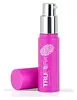
This anti-aging serum is formulated around Bakuchiol to soften the look of wrinkles and refine skin texture.
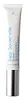
This brightening serum is formulated around Dimethicone and Sodium Ascorbyl Glucoside to fade the look of dark spots and refine skin texture.

What's inside
What's inside
 Key Ingredients
Benefits
Concerns
Ingredients Side-by-side
Water
Skin ConditioningButylene Glycol
Humectant

Caprylyl Caprylate/Caprate
Emollient
Glycerin
Humectant
Propanediol
Solvent
Pyrus Malus Fruit Extract
Skin Conditioning
Bakuchiol
Antimicrobial








Caprylic/Capric Triglyceride
Masking
Raphanus Sativus Seed Oil
Emollient
Oryza Sativa Bran Extract
Skin Conditioning
Ammonium Acryloyldimethyltaurate/Vp Copolymer
Elaeis Guineensis Oil
Emollient



Gossypium Herbaceum Seed Oil
Skin Conditioning
Polyglyceryl-2 Stearate
Emulsifying
Glycine Soja Extract
Skin ConditioningBidens Pilosa Extract
HumectantGlyceryl Stearate
Emollient
Citric Acid
Buffering
Stearyl Alcohol
Emollient
Linum Usitatissimum Seed Oil
Perfuming

Mucor Miehei Extract
AstringentEthylhexylglycerin
Skin ConditioningAvena Sativa Kernel Flour
Abrasive
Chondrus Crispus Extract
Skin Conditioning
Potassium Sorbate
Preservative
Helianthus Annuus Seed Oil
Emollient
Xanthan Gum
EmulsifyingAllantoin
Skin Conditioning
Aloe Barbadensis Leaf Extract
Emollient
Tetrahexyldecyl Ascorbate
Antioxidant

Trisodium Ethylenediamine Disuccinate
ChelatingAvena Sativa Kernel Extract
Abrasive
Palmitoyl Hexapeptide-19
Skin Conditioning
Rosmarinus Officinalis Leaf Extract
AntimicrobialTocopherol
Antioxidant
Myristoyl Tripeptide-31
Skin Conditioning
Sodium Hyaluronate
Humectant
Capryloyl Pentapeptide-26
Skin Conditioning
Water, Butylene Glycol, Caprylyl Caprylate/Caprate, Glycerin, Propanediol, Pyrus Malus Fruit Extract, Bakuchiol, Caprylic/Capric Triglyceride, Raphanus Sativus Seed Oil, Oryza Sativa Bran Extract, Ammonium Acryloyldimethyltaurate/Vp Copolymer, Elaeis Guineensis Oil, Gossypium Herbaceum Seed Oil, Polyglyceryl-2 Stearate, Glycine Soja Extract, Bidens Pilosa Extract, Glyceryl Stearate, Citric Acid, Stearyl Alcohol, Linum Usitatissimum Seed Oil, Mucor Miehei Extract, Ethylhexylglycerin, Avena Sativa Kernel Flour, Chondrus Crispus Extract, Potassium Sorbate, Helianthus Annuus Seed Oil, Xanthan Gum, Allantoin, Aloe Barbadensis Leaf Extract, Tetrahexyldecyl Ascorbate, Trisodium Ethylenediamine Disuccinate, Avena Sativa Kernel Extract, Palmitoyl Hexapeptide-19, Rosmarinus Officinalis Leaf Extract, Tocopherol, Myristoyl Tripeptide-31, Sodium Hyaluronate, Capryloyl Pentapeptide-26
Water
Skin ConditioningCaprylic/Capric Triglyceride
Masking
Divinyldimethicone/Dimethicone Copolymer

Cetearyl Alcohol
Emollient
Dimethicone
Emollient
Glycerin
Humectant
Propanediol
Solvent
Cyclopentasiloxane
Emollient
Sodium Ascorbyl Glucoside
Humectant
Bis-PEG/PPG-20/5 PEG/PPG-20/5 Dimethicone
Emulsifying
Methoxy PEG/PPG-25/4 Dimethicone
Emulsifying
Glyceryl Stearate
Emollient
Sh-Polypeptide-7
Antiseborrhoeic
Sodium Chloride
MaskingSodium Phosphate
BufferingDisodium EDTA
ChelatingAmmonium Acryloyldimethyltaurate/Vp Copolymer
Dimethiconol
Emollient
Cyclohexasiloxane
Emollient
Glucosamine Hcl
Tocopheryl Acetate
Antioxidant
Allantoin
Skin Conditioning
Portulaca Oleracea Extract
Skin Conditioning
Butylene Glycol
Humectant
Elaeis Guineensis Oil
Emollient
Tocotrienols
Skin Conditioning
Pisum Sativum Extract
Skin ConditioningBambusa Vulgaris Extract
Skin Conditioning
C12-13 Pareth-23
CleansingC12-13 Pareth-3
EmulsifyingTocopherol
Antioxidant
Xanthan Gum
EmulsifyingProtease
Exfoliating
Sodium Hydroxide
BufferingHippophae Rhamnoides Fruit Extract
Skin Conditioning
Maltodextrin
Absorbent
Ethylhexylglycerin
Skin ConditioningPhenoxyethanol
Preservative
Water, Caprylic/Capric Triglyceride, Divinyldimethicone/Dimethicone Copolymer, Cetearyl Alcohol, Dimethicone, Glycerin, Propanediol, Cyclopentasiloxane, Sodium Ascorbyl Glucoside, Bis-PEG/PPG-20/5 PEG/PPG-20/5 Dimethicone, Methoxy PEG/PPG-25/4 Dimethicone, Glyceryl Stearate, Sh-Polypeptide-7, Sodium Chloride, Sodium Phosphate, Disodium EDTA, Ammonium Acryloyldimethyltaurate/Vp Copolymer, Dimethiconol, Cyclohexasiloxane, Glucosamine Hcl, Tocopheryl Acetate, Allantoin, Portulaca Oleracea Extract, Butylene Glycol, Elaeis Guineensis Oil, Tocotrienols, Pisum Sativum Extract, Bambusa Vulgaris Extract, C12-13 Pareth-23, C12-13 Pareth-3, Tocopherol, Xanthan Gum, Protease, Sodium Hydroxide, Hippophae Rhamnoides Fruit Extract, Maltodextrin, Ethylhexylglycerin, Phenoxyethanol
Ingredients Explained
These ingredients are found in both products.
Ingredients higher up in an ingredient list are typically present in a larger amount.
Allantoin is a soothing ingredient known for its protective and moisturizing properties; it's basically a quiet workhorse ingredient you can find in a huge range of cosmetics.
Though it can be derived from the comfrey plant, allantoin is produced synthetically for cosmetic products to ensure purity.
Research shows it can encourage your skin cells to turn over and renew by stimulating keratinocyte and fibroblast proliferation.
It also has mild keratolytic properties to help loosen and shed dead skin cells without being harsh.
Studies also suggest allantoin can help calm inflammation by dialing down some of the chemical signals your skin sends out when it is irritated.
This ingredient is typically used in the 0.1-0.5% range, and the FDA recognizes it as a skin protectant in OTC products up to 2%.
Overall, allantoin is a wonderful addition to most routines; it is stable across a wide pH range (~4-8), works well with other ingredients, and is considered non-sensitizing/non-irritating.
Fun fact: Allantoin is naturally occurring in comfrey root, beets, chamomile, and wheat sprouts. Our bodies even produce it as a byproduct of uric acid metabolism.
Learn more about AllantoinAmmonium Acryloyldimethyltaurate/Vp Copolymer is a synthetically created polymer. It's used as a film-forming agent and used to thicken the consistency of products.
Think of it as a supportive ingredient that helps your gel-creams feel silky, "cloud cream-like", and spread evenly without being greasy.
The Cosmetic Ingredient Review (CIR) Expert Panel evaluated it (along with 22 other acryloyldimethyltaurate polymers) and concluded it's:
Due to its large molecular size, it sits on the surface of skin rather than penetrating it.
Learn more about Ammonium Acryloyldimethyltaurate/Vp CopolymerButylene Glycol (or BG) is used within cosmetic products for a few different reasons:
Overall, Butylene Glycol is a safe and well-rounded ingredient that works well with other ingredients.
Though this ingredient works well with most skin types, some people with sensitive skin may experience a reaction such as allergic rashes, closed comedones, or itchiness.
Learn more about Butylene GlycolCaprylic/Capric Triglyceride (aka MCT Oil) is a lightweight emollient, solvent, and texture enhancer. It is considered a skin-softener by helping to prevent moisture loss.
Though it behaves like an oil, it is not technically one due to its chemical composition. One perk of this ingredient is that it is very stable, resistant to oxidation, and unlikely to go rancid.
In practice, that translates to a long shelf life and a consistently elegant skin feel.
While there is an assumption Caprylic Triglyceride can clog pores due to it being derived from coconut oil, there is no research supporting this. Just patch test if you have concerns.
Fractionated coconut oil and MCT Oil are both listed as Caprylic/Capric Triglyceride according to INCI. This is because INCI names are based on the ingredient’s final chemical composition and not its marketing name or source.
This ingredient is treated as the gold standard fungal acne safe oil. Even though it is coconut derived, the problematic lauric acid is stripped out.
This leaves just caprylic (C8) and capric (C10) acid. These chain lengths actually trend antifungal; a 2020 study found caprylic acid was enough to disrupt Malassezia furfur cell membrane, with a caprylic acid derivative damaging membrane structures at concentrations as low as 0.2%.
Learn more about Caprylic/Capric TriglycerideThis ingredient is also known as African Palm Oil. It is a plant-based emollient that is slightly occlusive leaning.
As an emollient, it helps moisturize the skin and supports the lipid barrier. Clinical testing found it improved skin hydration, reduced transepidermal water loss (TEWL), and increased skin elasticity.
The Cosmetic Ingredient Review Panel has assessed the available safety data and found it to safe in cosmetics.
The comedogenic rating of 2/5 means it is low-to-moderate risk of pore clogging; please remember comedogenic ratings cannot predict how the overall formula will behave on skin.
Because its dominant fatty acids (palmitic and oleic acid) fall within the C11-24 range that Malassezia can use as a growth substrate, this ingredient may not be fungal acne safe.
Learn more about Elaeis Guineensis OilEthylhexylglycerin is created from glycerin. It is a multitasker ingredient that:
The CIR Expert Panel found minimal skin absorption or sensitization of any kind in a safety assessment. Though this ingredient is considered well-tolerated, a small number of cases of allergic dermatitis have been published since 2002. Just be sure to patch test if you are unsure.
Industry-reported use ranges from 8% in rinse-off products and 2% in leave-on formulations.
Learn more about EthylhexylglycerinGlycerin (or glycerol) is a compound naturally found in your skin. It's a powerhouse humectant that pulls water into the stratum corneum.
Topically, glycerin does several things at once:
Your skin makes glycerin on its own (mostly from sebaceous oil breakdown) and shuttles it to your outermost layer of skin, or your epidermis, via aquaporin-3.
Aquaporin-3 is a transporter that is essential for normal skin hydration, elasticity, and repair. Interestingly, mice lacking in AQP3 have dry and less elastic skin that can be fully corrected with glycerin.
This ingredient is non-irritating, plays well with almost every ingredient, and works across all skin types. Typical use is anywhere between 3-10% but can go up to 79% in some leave-on products.
Just know very high concentrations (>40%) can feel tacky in low humidity.
Glycerin is the name for this ingredient in American English. British English uses Glycerol/Glycerine.
Learn more about GlycerinGlyceryl Stearate is made by reacting glycerin with stearic acid (typically sourced from plant oils like palm or coconut). It's an emulsifier, emollient, and mild occlusive.
Emulsifiers help ingredients like oil and water stay mixed so your formula stays nicely blended and uniform in texture.
This ingredient is typically used in concentrations between 1-10%. Studies have found it to be non-sensitizing, non-phototoxic, and non-photoallergenic.
A close cousin of this ingredient is Glyceryl Stearate SE ("self-emulsifying"). This just has a small amount of sodium or potassium stearate added so it can emulsify without a co-emulsifier.
Since this ingredient is an ester of a C18 fatty acid, it may not be fungal acne safe. The Malassezia yeast can potentially metabolize within the C11-C24 range.
Fun fact: The human body also creates Glyceryl Stearate naturally.
Learn more about Glyceryl StearatePropanediol is an all-star ingredient. It softens, hydrates, and smooths the skin.
It’s often used to:
Propanediol is not likely to cause sensitivity and considered safe to use. It is derived from corn or petroleum with a clear color and no scent.
Learn more about PropanediolTocopherol is a fat-soluble antioxidant known as Vitamin E.
You'll find this ingredient in the vast majority of skincare (for good reason). It works to neutralize free radicals, or unstable molecules generated by UV exposure, pollution, and other environmental stressors, before they can cause oxidative damage to your skin cells.
Topically applied tocopherol has been shown to protect against UV damage by ramping up the skin's own natural defense enzymes.
It also acts as a skin conditioning agent; some studies show that regular topical use can improve the skin's water-binding capacity over 2-4 weeks.
This ingredient is especially loved for being a team player. When combined with Vitamin C, the photoprotective effect of both ingredients roughly doubles and the combo also helps reduce UV-induced DNA damage.
This ingredient has some brightening potential but it's more of a prevention ingredient than spot-fader. Cell studies show it can slow down melanin production but it's worth noting that it's not the most powerful brightener out there.
In formulations, it also serves as a stabilizer that helps protect other oxidation-prone ingredients from degrading.
Concentrations usually range from 0.1-1% in most leave-on products.
Learn more about TocopherolWater. It's the most common cosmetic ingredient of all. You'll usually see it at the top of ingredient lists, meaning that it makes up the largest part of the product.
So why is it so popular? Water most often acts as a solvent - this means that it helps dissolve other ingredients into the formulation.
You'll also recognize water as that liquid we all need to stay alive. If you see this, drink a glass of water. Remember to stay hydrated!
Learn more about WaterXanthan gum is used as a stabilizer and thickener within cosmetic products. It helps give products a sticky, thick feeling - preventing them from being too runny.
On the technical side of things, xanthan gum is a polysaccharide - a combination consisting of multiple sugar molecules bonded together.
Xanthan gum is a pretty common and great ingredient. It is a natural, non-toxic, non-irritating ingredient that is also commonly used in food products.
Learn more about Xanthan Gum

