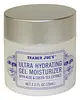
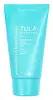
Trader Joe's Ultra Hydrating Gel Moisturizer Versus Tula Skincare Super Soothe Calming Moisturizing Lotion
This barrier-repair moisturizer is formulated around Saccharide Isomerate and Squalane to strengthen the skin barrier and hydrate skin.
This calming moisturizer is formulated around Squalane and Lactococcus Ferment Lysate to calm redness and hydrate skin.

What's inside
What's inside
 Key Ingredients
Benefits
Concerns
Ingredients Side-by-side
Water
Skin ConditioningGlycerin
Humectant


Saccharide Isomerate
Humectant
Propanediol
Solvent
Ammonium Acryloyldimethyltaurate/Vp Copolymer
Phenoxyethanol
Preservative
Polyamide-5
Skin ConditioningDimethicone
Emollient
Hydroxyacetophenone
Antioxidant
Polysilicone-11

Squalane
Emollient
Aloe Barbadensis Leaf Juice
Skin Conditioning
Laureth-12
EmulsifyingCetearyl Olivate


Glyceryl Stearate
Emollient
Ethylhexylglycerin
Skin ConditioningSorbitan Olivate
Emulsifying
Helianthus Annuus Seed Oil
Emollient
Cetearyl Alcohol
Emollient




Lactobacillus Ferment
Skin Conditioning
Tocopherol
Antioxidant


Sodium Stearoyl Lactylate
EmulsifyingSodium Hyaluronate
Humectant
Silybum Marianum Extract
Skin Conditioning
Betula Alba Leaf Extract
AstringentBeta-Sitosterol
Emulsion Stabilising
Panthenol
Skin Conditioning
Squalene
Emollient
Cocos Nucifera Fruit Extract
Emollient
Citric Acid
Buffering
Camellia Sinensis Leaf Extract
Antimicrobial
Sodium Citrate
BufferingWater, Glycerin, Saccharide Isomerate, Propanediol, Ammonium Acryloyldimethyltaurate/Vp Copolymer, Phenoxyethanol, Polyamide-5, Dimethicone, Hydroxyacetophenone, Polysilicone-11, Squalane, Aloe Barbadensis Leaf Juice, Laureth-12, Cetearyl Olivate, Glyceryl Stearate, Ethylhexylglycerin, Sorbitan Olivate, Helianthus Annuus Seed Oil, Cetearyl Alcohol, Lactobacillus Ferment, Tocopherol, Sodium Stearoyl Lactylate, Sodium Hyaluronate, Silybum Marianum Extract, Betula Alba Leaf Extract, Beta-Sitosterol, Panthenol, Squalene, Cocos Nucifera Fruit Extract, Citric Acid, Camellia Sinensis Leaf Extract, Sodium Citrate
Water
Skin ConditioningGlycerin
Humectant
C13-15 Alkane
SolventPropanediol
Solvent
Squalane
Emollient
Cetearyl Olivate
Jojoba Esters
Emollient
Hydrogenated Olive Oil
Skin Conditioning
Sorbitan Olivate
Emulsifying
Lactococcus Ferment Lysate
Skin Conditioning
Sclerotium Gum
Emulsion StabilisingButyrospermum Parkii Butter
Skin Conditioning
Opuntia Ficus-Indica Fruit Extract
Skin ConditioningOlea Europaea Fruit Oil
Masking
Colloidal Oatmeal
Absorbent
Hydroxyacetophenone
Antioxidant
1,2-Hexanediol
Skin Conditioning
Caprylyl Glycol
Emollient
Helianthus Annuus Seed Extract
Skin Conditioning
Olea Europaea Oil Unsaponifiables
Skin Conditioning
Saccharomyces Cerevisiae Extract
Skin Conditioning
Cucumis Sativus Fruit Extract
Emollient
Trisodium Ethylenediamine Disuccinate
ChelatingHordeum Vulgare Extract
EmollientAgastache Mexicana Flower/Leaf/Stem Extract
Skin ConditioningZingiber Officinale Root Extract
Masking
Phenoxyethanol
Preservative
Lactic Acid
Buffering

Maltodextrin
Absorbent
Sodium Benzoate
Masking
Sodium Chloride
MaskingPotassium Sorbate
Preservative
Aloe Barbadensis Leaf Juice
Skin Conditioning
Tocopherol
Antioxidant
Linum Usitatissimum Seed Extract
Perfuming
Water, Glycerin, C13-15 Alkane, Propanediol, Squalane, Cetearyl Olivate, Jojoba Esters, Hydrogenated Olive Oil, Sorbitan Olivate, Lactococcus Ferment Lysate, Sclerotium Gum, Butyrospermum Parkii Butter, Opuntia Ficus-Indica Fruit Extract, Olea Europaea Fruit Oil, Colloidal Oatmeal, Hydroxyacetophenone, 1,2-Hexanediol, Caprylyl Glycol, Helianthus Annuus Seed Extract, Olea Europaea Oil Unsaponifiables, Saccharomyces Cerevisiae Extract, Cucumis Sativus Fruit Extract, Trisodium Ethylenediamine Disuccinate, Hordeum Vulgare Extract, Agastache Mexicana Flower/Leaf/Stem Extract, Zingiber Officinale Root Extract, Phenoxyethanol, Lactic Acid, Maltodextrin, Sodium Benzoate, Sodium Chloride, Potassium Sorbate, Aloe Barbadensis Leaf Juice, Tocopherol, Linum Usitatissimum Seed Extract
Reviews
Ingredients Explained
These ingredients are found in both products.
Ingredients higher up in an ingredient list are typically present in a larger amount.
Aloe Barbadensis Leaf Juice is the filtered, stabilized liquid pressed from the inner gel of the aloe vera leaf.
In cosmetics, it shows up as either soothing active or a water-replacement base. It is roughly 98-99% water and the last 1-2% is an interesting mix of polysaccharides, amino acids, vitamins, minerals, and enzymes.
The polysaccharides do most of the work: they bind water at the skin surface for a light, non-greasy hydration boost. And one of the polysaccharides, glycomannan, is linked to fibroblast stimulation + collagen synthesis. This is also why aloe has such a long track record in wound and burn healing.
This ingredient is also calming with anti-inflammatory and mild antimicrobial activity, making it a great pick for sensitive, irritated, or post-sun skin.
Realistic expectations matter though; the solid evidence is mostly limited to hydration, soothing, and wound support. Deeper claims about anti-aging or sun protection are not well backed, and science reviews note it does not prevent radiation-induced skin injury.
Because it plays well with almost everything, it's commonly used as a base alongside other actives like niacinamide or vitamin C.
Typical usage concentrations range from 0.5% (where hydration benefits already show up) all the way to 90%+ (where it replaces water as the main base).
The safety for this ingredient is well-establish as well. Overall, this is a great supporting ingredient for those who want a boost in hydration.
Learn more about Aloe Barbadensis Leaf JuiceCetearyl Olivate is a plant-derived emulsifier and texture enhancer. It helps keep the oil and water phases from separating so your formulas stay stable.
You'll likely see it combined with Sorbitan Olivate (together sold as the trade name Olivem 1000). This combination generates a liquid crystal structure that closely resemble the lipid organization of the stratum corneum.
These "skin-like" liquid crystals improve skin barrier integrity and promote the delivery of actives into the skin.
This ingredient is well-tolerated and has no significant sensitization data.
Because it is derived from the fatty acids in olive oil, this ingredient may not be fungal acne safe.
Learn more about Cetearyl OlivateGlycerin (or glycerol) is a compound naturally found in your skin. It's a powerhouse humectant that pulls water into the stratum corneum.
Topically, glycerin does several things at once:
Your skin makes glycerin on its own (mostly from sebaceous oil breakdown) and shuttles it to your outermost layer of skin, or your epidermis, via aquaporin-3.
Aquaporin-3 is a transporter that is essential for normal skin hydration, elasticity, and repair. Interestingly, mice lacking in AQP3 have dry and less elastic skin that can be fully corrected with glycerin.
This ingredient is non-irritating, plays well with almost every ingredient, and works across all skin types. Typical use is anywhere between 3-10% but can go up to 79% in some leave-on products.
Just know very high concentrations (>40%) can feel tacky in low humidity.
Glycerin is the name for this ingredient in American English. British English uses Glycerol/Glycerine.
Learn more about GlycerinHydroxyacetophenone is a small phenolic molecule that earns its place in a formulas as an antioxidant and preservative booster.
As a phenol, it is able to neutralize free radicals to protect both the product and the skin from oxidative stress.
Though it can't kill microbes on its own, it works as a good supporting agent when combined with other preservatives like Phenoxyethanol or 1,2-Hexanediol.
This ingredient naturally occurs as piceol in Norwegian spruce needles (~0.4-1.1% dry weight and in cloudberries). Though the cosmetic-grade material is synthesized for purity and consistency.
You'll usually see it used at low levels and suppliers recommend up to 1% added to a water phase.
Safety testing was done at concentrations like 0.05% in SPF products and 0.5% in a Human Repeated Insult Patch Test. The safety evidence is assuring; this ingredient is safe for cosmetics in current use and also holds safety status as a food flavoring as well.
An honest caveat: the "soothing" and "anti-inflammatory" claims come mostly from supplier marketing rather than published clinical trials. The Cosmetic Ingredient Review's own literature search found no useful efficacy studies on this ingredient.
So the antioxidant and preservative-boosting roles are the well supported ones while the calming benefit is plausible but thinly evidenced.
Overall, this is a well-tolerated, low-irritation multitasker that quietly helps a formula stay fresh and stable.
Learn more about HydroxyacetophenonePhenoxyethanol is one of the most widely used preservatives in skincare (and for good reason!).
It has a large spectrum of antimicrobial activity and especially effective bacteria, yeast, and mold while only having a weak effect on your skin's natural microbiome.
On a cellular level, it disrupts the cell membranes of microbes by poking holes that make the cell leak. This shuts down the chemical reactions the microbe needs to make energy so it can no longer survive.
Another perk of this ingredient is that it stays functional across a wide pH range (3-10).
You'll often see it paired with boosters like Ethylhexylglycerin; one study showed that a 1:9 ratio of Ethylhexylglycerin to Phenoxyethanol damages bacterial membranes as effectively as doubling the Phenoxyethanol concentration on its own.
Typical use concentrations range from 0.3-1% depending on the formula, and this ingredient is capped at 1% int the EU.
Safety-wise, the fear mongering does not hold up to the evidence. The EU's Scientific Committee on Consumer Safety and FDA consider it safe as a preservative at up to 1%, including for children of all ages.
Adverse systemic effects only showed up in animal studies at exposures roughly 200x higher than what people get from cosmetics. And despite its very widespread use, this ingredient is a rare sensitizer and allergic reactions are uncommon.
Learn more about PhenoxyethanolPropanediol is an all-star ingredient. It softens, hydrates, and smooths the skin.
It’s often used to:
Propanediol is not likely to cause sensitivity and considered safe to use. It is derived from corn or petroleum with a clear color and no scent.
Learn more about PropanediolSorbitan Olivate is created from the fatty acids in olive oil and sorbitol.
This ingredient is an oil in water emulsifier. It helps stabilize a product by preventing oils and waters from separating. Sorbitan Olivate also helps hydrate the skin.
This ingredient is also known as part of Olivem 1000, with Cetearyl Olivate being the other part.
According to a manufacturer, this ingredient helps preserve the natural microbiome of skin. Having a healthy microbiome helps keep our skin healthy and protects against harmful bacteria.
Please note, having a healthy microbiome is different from fungal acne; a healthy microbiome includes small amounts of yeast that normally live on your skin without causing problems.
Fungal acne happens when one type of yeast (Malassezia) grows out of control. This is usually because it's feeding on certain oils or fatty acids. Due to the olive oil base, this ingredient may not be fungal acne safe.
Learn more about Sorbitan OlivateSqualane is the hydrogenated and shelf-stable form of squalene (a lipid that naturally occurs in human sebum).
It is an emollient and skin conditioning agent that is able to integrate seamlessly into the skin's lipid barrier without clogging pores.
This is due to how structurally similar it is to what your skin already produces.
Though it is mostly an emollient that helps soften and hydrate skin, it also has some humectant and occlusive action. Humectants help the skin retain moisture while occlusives seal it in, making squalane a triple-threat moisturizer.
Research shows it has antioxidant capabilities that help protect against stressors like UV exposure, specifically UVA induced oxidative stress. This study also found that it supports collagen biosynthesis in human dermal fibroblasts.
No clinical study has reported significant adverse effects and irritation reactions are very rare from this ingredient (even at 100% concentration).
Overall, it's a fantastic ingredient for hydration and is suitable for all skin types.
This depends on the source. Squalane can be derived from both plants and animals. Most squalane used in skincare comes from plants.
Please note: the source of squalane is only known if disclosed by the brand. We recommend reaching out to the brand if you have any questions about their squalane.
Read more about squalene with an "e".
Though squalane is often called an oil, it’s technically not one. It is a hydrocarbon, meaning it is only made of carbon and hydrogen. True oils are triglycerides and made of fatty acids and glycerol.
The term “oil-free” isn’t regulated so companies can define it however they want. Some exclude all oils, while others just avoid mineral oil or comedogenic oils.
Squalane has a comedogenic rating of 1 from the original 1972 study that tested raw ingredients under occlusion on rabbit ears. This system is not standardized or peer-reviewed, and using the raw ingredients is very different from how diluted cosmetic formulations are used on human skin.
A comedogenic rating of 1 means it is "unlikely to clog pores" according to the original rating system.
The overall formula of a product matters more than the individual ingredients on whether or not it will cause clogged pores.
Learn more about SqualaneTocopherol is a fat-soluble antioxidant known as Vitamin E.
You'll find this ingredient in the vast majority of skincare (for good reason). It works to neutralize free radicals, or unstable molecules generated by UV exposure, pollution, and other environmental stressors, before they can cause oxidative damage to your skin cells.
Topically applied tocopherol has been shown to protect against UV damage by ramping up the skin's own natural defense enzymes.
It also acts as a skin conditioning agent; some studies show that regular topical use can improve the skin's water-binding capacity over 2-4 weeks.
This ingredient is especially loved for being a team player. When combined with Vitamin C, the photoprotective effect of both ingredients roughly doubles and the combo also helps reduce UV-induced DNA damage.
This ingredient has some brightening potential but it's more of a prevention ingredient than spot-fader. Cell studies show it can slow down melanin production but it's worth noting that it's not the most powerful brightener out there.
In formulations, it also serves as a stabilizer that helps protect other oxidation-prone ingredients from degrading.
Concentrations usually range from 0.1-1% in most leave-on products.
Learn more about TocopherolWater. It's the most common cosmetic ingredient of all. You'll usually see it at the top of ingredient lists, meaning that it makes up the largest part of the product.
So why is it so popular? Water most often acts as a solvent - this means that it helps dissolve other ingredients into the formulation.
You'll also recognize water as that liquid we all need to stay alive. If you see this, drink a glass of water. Remember to stay hydrated!
Learn more about Water

