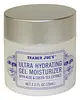
This barrier-repair moisturizer is formulated around Saccharide Isomerate and Squalane to strengthen the skin barrier and hydrate skin.
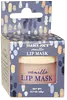
This hydrating lip mask is formulated around Butyrospermum Parkii Butter and Cocos Nucifera Oil to hydrate lips and strengthen the lip barrier.

What's inside
What's inside
 Key Ingredients
Benefits
Concerns
Ingredients Side-by-side
Water
Skin ConditioningGlycerin
Humectant


Saccharide Isomerate
Humectant
Propanediol
Solvent
Ammonium Acryloyldimethyltaurate/Vp Copolymer
Phenoxyethanol
Preservative
Polyamide-5
Skin ConditioningDimethicone
Emollient
Hydroxyacetophenone
Antioxidant
Polysilicone-11

Squalane
Emollient
Aloe Barbadensis Leaf Juice
Skin Conditioning
Laureth-12
EmulsifyingCetearyl Olivate


Glyceryl Stearate
Emollient
Ethylhexylglycerin
Skin ConditioningSorbitan Olivate
Emulsifying
Helianthus Annuus Seed Oil
Emollient
Cetearyl Alcohol
Emollient




Lactobacillus Ferment
Skin Conditioning
Tocopherol
Antioxidant


Sodium Stearoyl Lactylate
EmulsifyingSodium Hyaluronate
Humectant
Silybum Marianum Extract
Skin Conditioning
Betula Alba Leaf Extract
AstringentBeta-Sitosterol
Emulsion Stabilising
Panthenol
Skin Conditioning
Squalene
Emollient
Cocos Nucifera Fruit Extract
Emollient
Citric Acid
Buffering
Camellia Sinensis Leaf Extract
Antimicrobial
Sodium Citrate
BufferingWater, Glycerin, Saccharide Isomerate, Propanediol, Ammonium Acryloyldimethyltaurate/Vp Copolymer, Phenoxyethanol, Polyamide-5, Dimethicone, Hydroxyacetophenone, Polysilicone-11, Squalane, Aloe Barbadensis Leaf Juice, Laureth-12, Cetearyl Olivate, Glyceryl Stearate, Ethylhexylglycerin, Sorbitan Olivate, Helianthus Annuus Seed Oil, Cetearyl Alcohol, Lactobacillus Ferment, Tocopherol, Sodium Stearoyl Lactylate, Sodium Hyaluronate, Silybum Marianum Extract, Betula Alba Leaf Extract, Beta-Sitosterol, Panthenol, Squalene, Cocos Nucifera Fruit Extract, Citric Acid, Camellia Sinensis Leaf Extract, Sodium Citrate
Hydrogenated Poly(C6-14 Olefin)
EmollientDiisostearyl Malate
EmollientSynthetic Wax
Abrasive
Hydrogenated Polyisobutene
EmollientPhytosteryl/Isostearyl/Cetyl/Stearyl/Behenyl Dimer Dilinoleate
Skin Conditioning
Butyrospermum Parkii Butter
Skin Conditioning
Polybutene
Ethylene/Propylene/Styrene Copolymer
Vanilla Planifolia Fruit Extract
Skin Conditioning
Cocos Nucifera Oil
Masking
Helianthus Annuus Seed Oil
Emollient
Siraitia Grosvenorii Fruit Extract
Skin ConditioningRicinus Communis Seed Oil
Masking
Copernicia Cerifera Wax
Tetrahexyldecyl Ascorbate
Antioxidant

Tocopherol
Antioxidant
Tocopheryl Acetate
Antioxidant
Caprylyl Glycol
Emollient
Isopropyl Titanium Triisostearate
Emollient
Butylene/Ethylene/Styrene Copolymer
Pentaerythrityl Tetra-Di-T-Butyl Hydroxyhydrocinnamate
Antioxidant
1,2-Hexanediol
Skin Conditioning
Parfum
Masking

Iron Oxides
Hydrogenated Poly(C6-14 Olefin), Diisostearyl Malate, Synthetic Wax, Hydrogenated Polyisobutene, Phytosteryl/Isostearyl/Cetyl/Stearyl/Behenyl Dimer Dilinoleate, Butyrospermum Parkii Butter, Polybutene, Ethylene/Propylene/Styrene Copolymer, Vanilla Planifolia Fruit Extract, Cocos Nucifera Oil, Helianthus Annuus Seed Oil, Siraitia Grosvenorii Fruit Extract, Ricinus Communis Seed Oil, Copernicia Cerifera Wax, Tetrahexyldecyl Ascorbate, Tocopherol, Tocopheryl Acetate, Caprylyl Glycol, Isopropyl Titanium Triisostearate, Butylene/Ethylene/Styrene Copolymer, Pentaerythrityl Tetra-Di-T-Butyl Hydroxyhydrocinnamate, 1,2-Hexanediol, Parfum, Iron Oxides
Reviews
Ingredients Explained
These ingredients are found in both products.
Ingredients higher up in an ingredient list are typically present in a larger amount.
Helianthus Annuus Seed Oil is a plant oil derived from the seeds of a sunflower.
It is rich in fatty acids, primarily linoleic acid and oleic acid. This gives it emollient and skin conditioning properties.
The reason this ingredient is so effective is because it forms a thin film on the skin that reduces transepidermal water loss (TEWL) while supplying linoleic acid to the stratum corneum to improve barrier strength.
The high linoleic acid content is particularly noteworthy for acne-prone skin.
Research suggests that acne-prone skin tends to be deficient in linoleic acid in sebum. Topical application may help replenish this to support a healthier follicular environment and less comedone-promoting sebum.
One randomized study found sunflower seed oil preserved skin barrier integrity in adult volunteers with and without atopic dermatitis (outperforming olive oil).
This ingredient is well-studied, gentle, and an effective emollient suitable for most skin types.
On fungal acne: This ingredient may not be Fungal acne (Malassezia folliculitis) safe. This is because it contains fatty acids with carbon chain lengths in the C11-C24 range.
Learn more about Helianthus Annuus Seed OilTocopherol is a fat-soluble antioxidant known as Vitamin E.
You'll find this ingredient in the vast majority of skincare (for good reason). It works to neutralize free radicals, or unstable molecules generated by UV exposure, pollution, and other environmental stressors, before they can cause oxidative damage to your skin cells.
Topically applied tocopherol has been shown to protect against UV damage by ramping up the skin's own natural defense enzymes.
It also acts as a skin conditioning agent; some studies show that regular topical use can improve the skin's water-binding capacity over 2-4 weeks.
This ingredient is especially loved for being a team player. When combined with Vitamin C, the photoprotective effect of both ingredients roughly doubles and the combo also helps reduce UV-induced DNA damage.
This ingredient has some brightening potential but it's more of a prevention ingredient than spot-fader. Cell studies show it can slow down melanin production but it's worth noting that it's not the most powerful brightener out there.
In formulations, it also serves as a stabilizer that helps protect other oxidation-prone ingredients from degrading.
Concentrations usually range from 0.1-1% in most leave-on products.
Learn more about Tocopherol

