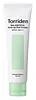
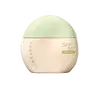
Torriden Balanceful Cica Tone-up Sun Cream SPF50 PA++++ Versus Judydoll Bandage Sunscreen Primer SPF 50+
This hybrid sunscreen covers the full UV range and blocks ~98% of UVB at SPF 50.


What's inside
What's inside
 Key Ingredients
Benefits
Concerns
Ingredients Side-by-side
Water
Skin ConditioningZinc Oxide
Cosmetic Colorant


Propanediol
Solvent

Butyloctyl Salicylate
Skin Conditioning
Methyl Trimethicone
Skin Conditioning
Cyclohexasiloxane
Emollient
Coco-Caprylate/Caprate
Emollient
Isododecane
EmollientTriethylhexanoin
MaskingNiacinamide
Smoothing









Dicaprylyl Carbonate
EmollientPropylheptyl Caprylate
EmollientMethyl Methacrylate Crosspolymer
Centella Asiatica Extract
Cleansing
Madecassic Acid
Skin Conditioning
Asiaticoside
Antioxidant
Asiatic Acid
Skin Conditioning
Madecassoside
Antioxidant
Panthenol
Skin Conditioning
Allantoin
Skin Conditioning
Lactobacillus Ferment
Skin Conditioning
Althaea Rosea Flower Extract
Skin ConditioningAdenosine
Skin Conditioning
Tocopherol
Antioxidant
Caprylyl Methicone
Skin Conditioning
Lauryl Polyglyceryl-3 Polydimethylsiloxyethyl Dimethicone
Skin Conditioning
1,2-Hexanediol
Skin Conditioning
Caprylyl Glycol
Emollient
Glyceryl Caprylate
EmollientPolyglyceryl-3 Polydimethylsiloxyethyl Dimethicone
Skin Conditioning
Magnesium Sulfate
Dipropylene Glycol
HumectantTriethoxycaprylylsilane
Mica
Cosmetic ColorantPolyglyceryl-2 Dipolyhydroxystearate
Skin Conditioning

Disteardimonium Hectorite
StabilisingLauryl Dimethicone/Polyglycerin-3 Crosspolymer
Cleansing
Aluminum Hydroxide
EmollientCI 77891
Cosmetic ColorantCI 77288
Cosmetic ColorantSodium Citrate
BufferingSwertia Japonica Extract
Skin ConditioningNymphaea Caerulea Flower Extract
Skin ConditioningWater, Zinc Oxide, Propanediol, Butyloctyl Salicylate, Methyl Trimethicone, Cyclohexasiloxane, Coco-Caprylate/Caprate, Isododecane, Triethylhexanoin, Niacinamide, Dicaprylyl Carbonate, Propylheptyl Caprylate, Methyl Methacrylate Crosspolymer, Centella Asiatica Extract, Madecassic Acid, Asiaticoside, Asiatic Acid, Madecassoside, Panthenol, Allantoin, Lactobacillus Ferment, Althaea Rosea Flower Extract, Adenosine, Tocopherol, Caprylyl Methicone, Lauryl Polyglyceryl-3 Polydimethylsiloxyethyl Dimethicone, 1,2-Hexanediol, Caprylyl Glycol, Glyceryl Caprylate, Polyglyceryl-3 Polydimethylsiloxyethyl Dimethicone, Magnesium Sulfate, Dipropylene Glycol, Triethoxycaprylylsilane, Mica, Polyglyceryl-2 Dipolyhydroxystearate, Disteardimonium Hectorite, Lauryl Dimethicone/Polyglycerin-3 Crosspolymer, Aluminum Hydroxide, CI 77891, CI 77288, Sodium Citrate, Swertia Japonica Extract, Nymphaea Caerulea Flower Extract
Water
Skin ConditioningCyclopentasiloxane
Emollient
Ethylhexyl Methoxycrylene
Skin Conditioning
Zinc Oxide
Cosmetic Colorant
Butylene Glycol
Humectant
Ethylhexyl Salicylate
UV Absorber
Titanium Dioxide
Cosmetic Colorant
Dimethicone
Emollient
Diethyl Carbonate
Silica
Abrasive
Disteardimonium Hectorite
StabilisingGlycerin
Humectant
Magnesium Sulfate
Diethylhexyl Adipate
EmollientMethyl Methacrylate Crosspolymer
Bis-Ethylhexyloxyphenol Methoxyphenyl Triazine
UV Absorber
Aluminum Hydroxide
EmollientPolydimethylsiloxyethyl Dimethicone/Bis-Vinyldimethicone Crosspolymer
Stearic Acid
Cleansing
1,2-Hexanediol
Skin Conditioning
Polymethylsilsesquioxane/Silica Crosspolymer
Caprylyl Glycol
Emollient
Glyceryl Caprylate
EmollientCI 77007
Cosmetic ColorantTriethoxycaprylylsilane
Water, Cyclopentasiloxane, Ethylhexyl Methoxycrylene, Zinc Oxide, Butylene Glycol, Ethylhexyl Salicylate, Titanium Dioxide, Dimethicone, Diethyl Carbonate, Silica, Disteardimonium Hectorite, Glycerin, Magnesium Sulfate, Diethylhexyl Adipate, Methyl Methacrylate Crosspolymer, Bis-Ethylhexyloxyphenol Methoxyphenyl Triazine, Aluminum Hydroxide, Polydimethylsiloxyethyl Dimethicone/Bis-Vinyldimethicone Crosspolymer, Stearic Acid, 1,2-Hexanediol, Polymethylsilsesquioxane/Silica Crosspolymer, Caprylyl Glycol, Glyceryl Caprylate, CI 77007, Triethoxycaprylylsilane
Reviews
Ingredients Explained
These ingredients are found in both products.
Ingredients higher up in an ingredient list are typically present in a larger amount.
1,2-Hexanediol is a synthetic liquid and another multi-functional powerhouse.
It is a:
- Humectant, drawing moisture into the skin
- Emollient, helping to soften skin
- Solvent, dispersing and stabilizing formulas
- Preservative booster, enhancing the antimicrobial activity of other preservatives
Aluminum Hydroxide is a form of aluminum. It can be naturally found in nature as the mineral gibbsite. In cosmetics, Aluminum Hydroxide is used as a colorant, pH adjuster, and absorbent.
As a colorant, Aluminum Hydroxide may add opacity, or reduce the transparency. Aluminum hydroxide is contains both basic and acidic properties.
According to manufacturers, this ingredient is an emollient and humectant. This means it helps hydrate the skin.
In medicine, this ingredient is used to help relieve heartburn and help heal ulcers.
There is currently no credible scientific evidence linking aluminum hydroxide in cosmetics to increased cancer risk.
Major health organizations allow the use of aluminum hydroxide in personal care products and have not flagged it as a carcinogenic risk at typical usage levels.
Learn more about Aluminum HydroxideCaprylyl Glycol is a humectant, skin conditioner, emollient, and preservative booster derived from either caprylic acid or synthetically created.
Typical use levels vary from 0.3-1% as a preservative booster and go up to 2% to condition skin.
Because it is not a free-fatty acid, this ingredient is fungal acne safe (there's nothing for Malassezia to feed on).
Learn more about Caprylyl GlycolDisteardimonium Hectorite comes from the clay mineral named hectorite. It is used to add thickness to a product.
It can also help stabilize a product by helping to disperse other ingredients.
Hectorite is a rare, white clay mineral.
Learn more about Disteardimonium HectoriteGlyceryl Caprylate comes from glycerin and caprylic acid. It is an emollient, co-emulsifier, and preservative booster.
Its short C8 fatty acid chain makes it behave differently from its longer-chain emollient cousins like Glyceryl Stearate. It feels more lightweight, fast-absorbing, and silky instead of rich and waxy.
As a co-emulsifier, its "head" and "tail" sit at the oil-water interface. But overall, the short C8 tail and not being water soluble means it doesn't really have the muscle to emulsify a formula on its own. That's why you'll often see it paired with a primary emulsifier like Cetearyl Glucoside.
Interestingly, Glyceryl Caprylate acts as a preservative booster. This is because its fatty-acid backbone disrupts microbial lipid membranes. It shows excellent activity against bacteria and yeast but is weaker against mold.
Typical concentrations range from 0.5-1% and this ingredient is generally non-irritating.
Because this ingredient has a C8 fatty acid chain, it is outside the range that the Malassezia yeast metabolizes (making it fungal acne safe).
Learn more about Glyceryl CaprylateMagnesium Sulfate is a salt. More specifically, it is an epsom salt, or the bath salt used to help relieve muscle aches.
Despite having ‘sulfate’ in the name, it isn’t a surfactant or cleansing agent like sodium lauryl sulfate. Unlike those sulfates, magnesium sulfate doesn’t have the same cleansing or foaming properties (it's simply a type of salt).
In cosmetics, Magnesium Sulfate is used to thicken a product or help dilute other solids. It is a non-reactive and non-irritating ingredient.
One study shows magnesium deficiency may lead to inflammation of the skin. Applying magnesium topically may help reduce inflammation.
You can find this ingredient in sea water or mineral deposits.
Learn more about Magnesium SulfateThis ingredient comes as a powder made up of small, porous, microbeads. It is used to add a silky feel to products and also helps absorb oil.
Triethoxycaprylylsilane is a silicon-based surface modifier that makes sunscreens feel silky and makeup stay put.
Its main job is to coat mineral particles like titanium dioxide, zinc oxide, and color pigments in a thin, oily layer so they spread smoothly, don't clump, and stick to skin better.
This ingredient is typically used at low levels (up to 2.5% in eyeshadow and 1% in lipstick).
Learn more about TriethoxycaprylylsilaneWater. It's the most common cosmetic ingredient of all. You'll usually see it at the top of ingredient lists, meaning that it makes up the largest part of the product.
So why is it so popular? Water most often acts as a solvent - this means that it helps dissolve other ingredients into the formulation.
You'll also recognize water as that liquid we all need to stay alive. If you see this, drink a glass of water. Remember to stay hydrated!
Learn more about WaterZinc Oxide (ZO) is a mineral broad-spectrum UV filter and the broadest-spectrum filter recognized by the FDA. It covers everything from UVB through to long-wave UVA.
On top of sun protection, it has skin protectant and skin-soothing properties too.
Here's a myth worth busting: mineral filters are usually described as working by "reflecting" or "bouncing" UV off your skin.
That's mostly not true: when researchers actually measured it, ZO and Titanium Dioxide reflect only about 4-5% of UV (less than SPF 2 worth of protection).
The vast majority of the work (~95%) is done by absorption, similar to chemical UV filters. ZO is a semiconductor that absorbs UV photos through its energy band gap.
So the old "physical blocker vs. chemical absorber" framing is really an oversimplification.
Zinc Oxide is one of the most effective broad-spectrum UV filters out there. It protects across UVB, UVA2, and UVA1 with a flat, even absorption curve across the whole UVA-UVB range.
That uniform UVA coverage is its standout feature; titanium dioxide skews more toward UVB as its particle size drops so ZO gives more consistent and extended UVA protection.
It's also very photostable. As an inorganic oxide, ZO doesn't break down in sunlight the way some organic filters can, so it holds up over a day of wear.
This ingredient is gentle and soothing, making it go-to for sunscreens aimed at sensitive skin, rosacea, or ecezma-prone skin, babies, and children.
It's also unlikely to cause the "eye sting" that some sunscreen ingredients are known for, and regulatory agencies broadly consider it non-toxic and safe for topical use.
Beyond sun protection, ZO is also a recognized OTC skin protectant. It forms a breathable barrier that shields skin from moisture and irritation while supporting healing. This is why you'll see it as a classic active in diaper rash creams.
The only downside to ZO is that it can leave a visible white cast, especially on deeper skin tones. This is the main reason mineral sunscreens have historically felt less cosmetically elegant than chemical or hybrid formulas.
Zinc Oxide comes in both non-nano and nano forms. The dividing line is 100nm and anything under is classified as a nanomaterial by the EU.
The nano version scatters less visible light which cuts down white case and gives a lighter, more wearable texture.
Another thing worth understanding about formulation:
Uncoated ZO has some inherent photocatalytic activity. This just means it can generate reactive oxygen species under UV. It's exactly why cosmetic-grade ZO is almost always surface-coated; this coating suppresses that reactivity and improves how the powder disperses and feels.
A well-formulated coated ZO largely sidesteps this issue.
Zinc Oxide is commonly used anywhere from 10% up to the regulatory maximum in sunscreens (25%).
Mineral-only broad-spectrum products often land in the 15-25% range to hit higher SPF and UVA values. Keep in mind SPF performance depends heavily on particle size, dispersion, and the rest of the formula, and not just the percentage.
As an OTC skin protectant like diaper creams, ZO typically runs higher at roughly 10-40%.
This ingredient is generally easy to work with and doesn't photodegrade.
The only thing to know is that uncoated ZO can be a bit reactive in a formula.
Under UV, it can break down sensitive ingredients like other actives or UV filters. This is another reason coated versions are standard. ZO can also react with very acidic ingredients or throw off stability of some creams. A good formula will get around this with the right coatings and dispersion.
The EU's Scientific Committee on Consumer Safety has concluded that ZO nanoparticles "can be considered to not pose any risk of adverse effects in humans after application on healthy, intact or sunburnt skin".
You might hear that ZO is "toxic"; this is because an in-vitro (test tube) study suggested micronized ZO had potential phototoxicity. In vivo (human) investigations have disputed this and the results have come back reassuring.
So does ZO penetrate skin? The short answer is no, not in any way that matters.
The most relevant evidence comes from real-world human studies: in one, volunteers applied ZO nanoparticle sunscreen hourly for six hours and daily for five days. The advanced imaging showed the particles stayed on the surface and never reached the living epidermis, and no cellular toxicity was found.
Other in-vivo and ex-vivo work agree; ZO nanoparticles don't cross the stratum corneum, even on flexed, massaged, or barrier-impaired skin.
A small amount of solubilized zinc ions can dissolve off the particles and enter the upper skin. But the quantities are tiny compared to the zinc already naturally present in your body, and studies haven't found this to cause local toxicity.
The sunscreen bans you've heard of (like Hawaii's) are aimed at two chemical filters, Oxybenzone and Octinoxate. ZO itself it not banned and is often recommended instead.
So far, there's no solid evidence that any form of ZO harms reefs. It is an ongoing and active area of study, and worth keeping an eye on.
If you're traveling somewhere with these rules, a non-nano mineral sunscreen is the safe bet.
Learn more about Zinc Oxide

