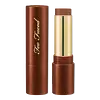
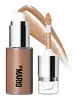
Too Faced Chocolate Soleil Melting Bronzing & Sculpting Stick Versus Makeup by Mario Softsculpt Bronzing & Shaping Serum

What's inside
What's inside
 Key Ingredients
Benefits
Concerns
Ingredients Side-by-side
Water
Skin ConditioningC12-15 Alkyl Benzoate
AntimicrobialPhenyl Trimethicone
Skin Conditioning
Synthetic Wax
Abrasive

Mica
Cosmetic ColorantSilica
Abrasive

Dimethicone
Emollient
Octyldodecanol
Emollient
Hydrogenated Polyisobutene
EmollientSorbitan Olivate
Emulsifying

Boron Nitride
Absorbent
Dipentaerythrityl Hexa C5-9 Acid Esters
Skin ConditioningDiisostearyl Malate
EmollientCaprylyl Glycol
Emollient
Methicone
Emollient
Squalane
Emollient


Theobroma Cacao Fruit Powder
Skin ConditioningButylene Glycol
Humectant
Citrus Aurantium Dulcis Fruit Extract
MaskingPropylene Carbonate
Solvent1,2-Hexanediol
Skin Conditioning
Palmitic Acid
Emollient

Stearic Acid
Cleansing
Oleic Acid
Emollient
Arachidic Acid
Cleansing
Cetyl Alcohol
Emollient
Sodium Chloride
MaskingEthylene/Propylene Copolymer
Abrasive
Triethoxycaprylylsilane
Myristic Acid
Cleansing
Disteardimonium Hectorite
StabilisingParfum
Masking


Limonene
Perfuming
Benzyl Benzoate
Antimicrobial
Tocopheryl Acetate
Antioxidant


CI 77891
Cosmetic ColorantCI 77491
Cosmetic ColorantCI 77492
Cosmetic ColorantCI 77499
Cosmetic ColorantWater, C12-15 Alkyl Benzoate, Phenyl Trimethicone, Synthetic Wax, Mica, Silica, Dimethicone, Octyldodecanol, Hydrogenated Polyisobutene, Sorbitan Olivate, Boron Nitride, Dipentaerythrityl Hexa C5-9 Acid Esters, Diisostearyl Malate, Caprylyl Glycol, Methicone, Squalane, Theobroma Cacao Fruit Powder, Butylene Glycol, Citrus Aurantium Dulcis Fruit Extract, Propylene Carbonate, 1,2-Hexanediol, Palmitic Acid, Stearic Acid, Oleic Acid, Arachidic Acid, Cetyl Alcohol, Sodium Chloride, Ethylene/Propylene Copolymer, Triethoxycaprylylsilane, Myristic Acid, Disteardimonium Hectorite, Parfum, Limonene, Benzyl Benzoate, Tocopheryl Acetate, CI 77891, CI 77491, CI 77492, CI 77499
Water
Skin ConditioningHydrogenated Polyisobutene
EmollientGlycerin
Humectant
Caprylic/Capric Triglyceride
Masking
Glyceryl Oleate Citrate
Emulsifying
Hexyl Laurate
Emollient
Silica
Abrasive
Hyaluronic Acid
Humectant
Caffeine
Skin Conditioning
Palmitoyl Tripeptide-1
Skin Conditioning

Palmitoyl Tetrapeptide-7
Skin Conditioning
Tocopherol
Antioxidant

Hydroxyethyl Acrylate/Sodium Acryloyldimethyl Taurate Copolymer
Emulsion StabilisingPolyacrylate Crosspolymer-6
Emulsion StabilisingC18-36 Acid Glycol Ester
EmollientC18-36 Acid Triglyceride
EmollientC12-15 Alkyl Benzoate
AntimicrobialBoron Nitride
Absorbent
Sorbitan Isostearate
Emulsifying
Sorbitan Laurate
Emulsifying
Sodium Benzoate
Masking
Triethoxycaprylylsilane
Tin Oxide
Abrasive
Mica
Cosmetic ColorantEthylhexylglycerin
Skin ConditioningPhenoxyethanol
Preservative
CI 77891
Cosmetic ColorantIron Oxides
Water, Hydrogenated Polyisobutene, Glycerin, Caprylic/Capric Triglyceride, Glyceryl Oleate Citrate, Hexyl Laurate, Silica, Hyaluronic Acid, Caffeine, Palmitoyl Tripeptide-1, Palmitoyl Tetrapeptide-7, Tocopherol, Hydroxyethyl Acrylate/Sodium Acryloyldimethyl Taurate Copolymer, Polyacrylate Crosspolymer-6, C18-36 Acid Glycol Ester, C18-36 Acid Triglyceride, C12-15 Alkyl Benzoate, Boron Nitride, Sorbitan Isostearate, Sorbitan Laurate, Sodium Benzoate, Triethoxycaprylylsilane, Tin Oxide, Mica, Ethylhexylglycerin, Phenoxyethanol, CI 77891, Iron Oxides
Reviews
Ingredients Explained
These ingredients are found in both products.
Ingredients higher up in an ingredient list are typically present in a larger amount.
Boron Nitride is compound consisting of boron and nitrogen. It is used to absorb oil and modify adherence/ slip in products.
This means it is often used in makeup products to help them last longer.
C12-15 Alkyl Benzoate is a lightweight emollient made by combinig benzoic acid with fatty alcohols that are 12-15 carbons long.
In cosmetics, it plays several roles:
The Cosmetic Review Expert Panel has concluded the alkyl benzoate group to be safe as used in cosmetics; it wasn't found to be a skin irritant and unlikely to be absorbed due to its low water solubility.
This report recorded almost 1000 reported uses with concentrations up to 59% in leave-on products but your cosmetics will typically use 0.5-15% depending on the product.
It's often called a "SPF booster": this is because it keeps UV filters properly dissolved and evenly distributed to support a sunscreen's performance. It doesn't actually raise SPF on its own.
Overall, this ingredient is well tolerated.
This ingredient is fungal acne safe because it is an ester of benzoic acid.
Think of this ingredient as two parts stuck together: an oily part and an acid part. Malassezia only gets a meal when it can snip off a fatty acid to eat. With C12-15 Alkyl Benzoate, the acid part is benzoic acid, which isn't a fatty acid and which the yeast can't use as food.
Benzoic acid is actually used as a preservative to stop yeast from growing.
The oily part is a blend of C12-15 fatty alcohols but fatty alcohols in this size range can support only a little Malassezia growth (mostly for one species of Malassezia as well).
In the ingredient, those alcohols stay locked inside the molecule. The yeast can only reach them by snipping the benzoate bond, and that type of bond is harder for it to cut than a normal fatty bond.
So not much gets released. And whatever does get snipped comes packaged with benzoic acid, which discourages yeast growth.
Learn more about C12-15 Alkyl BenzoateCi 77891 is a white pigment from Titanium dioxide. It is naturally found in minerals such as rutile and ilmenite.
It's main function is to add a white color to cosmetics. It can also be mixed with other colors to create different shades.
Ci 77891 is commonly found in sunscreens due to its ability to block UV rays.
Learn more about CI 77891Hydrogenated Polyisobutene is a synthetic polymer. Polymers are compounds with high molecular weight. Hydrogenated Polyisobutene is an emollient and texture enhancer.
In one study, Hydrogenated Polyisobutene showed better skin hydration levels than Caprylic/Capric Triglyceride. As an emollient, it helps keep your skin soft and hydrated by trapping moisture in.
Hydrogenated Polyisobutene is often used as a mineral oil replacement.
Learn more about Hydrogenated PolyisobuteneMica is a naturally occurring mineral used to add shimmer and color in cosmetics. It can also help improve the texture of a product or give it an opaque, white/silver color.
Serecite is the name for very fine but ragged grains of mica.
This ingredient is often coated with metal oxides like titanium dioxide. Trace amounts of heavy metals may be found in mica, but these metals are not harmful in our personal products.
Mica has been used since prehistoric times throughout the world. Ancient Egyptian, Indian, Greek, Roman, Aztec, and Chinese civilizations have used mica.
Learn more about MicaSilica, also known as silicon dioxide, is a naturally occurring mineral. It is used as a fine, spherical, and porous powder in cosmetics.
Though it has exfoliant properties, the function of silica varies depending on the product.
The unique structure of silica enhances the spreadability and adds smoothness, making it a great texture enhancer.
It is also used as an active carrier, emulsifier, and mattifier due to its ability to absorb excess oil.
In some products, tiny microneedles called spicules are made from silica or hydrolyzed sponge. When you rub them in, they lightly polish away dead skin layers and enhance the penetration of active ingredients.
Learn more about SilicaTriethoxycaprylylsilane is a silicon-based surface modifier that makes sunscreens feel silky and makeup stay put.
Its main job is to coat mineral particles like titanium dioxide, zinc oxide, and color pigments in a thin, oily layer so they spread smoothly, don't clump, and stick to skin better.
This ingredient is typically used at low levels (up to 2.5% in eyeshadow and 1% in lipstick).
Learn more about TriethoxycaprylylsilaneWater. It's the most common cosmetic ingredient of all. You'll usually see it at the top of ingredient lists, meaning that it makes up the largest part of the product.
So why is it so popular? Water most often acts as a solvent - this means that it helps dissolve other ingredients into the formulation.
You'll also recognize water as that liquid we all need to stay alive. If you see this, drink a glass of water. Remember to stay hydrated!
Learn more about Water

