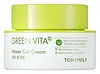
This calming moisturizer is formulated around Xylitol and Chamomilla Recutita Flower Extract to calm redness and hydrate skin.
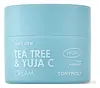
This moisturizer is formulated around Propanediol to hydrate skin.

What's inside
What's inside
 Key Ingredients
Benefits
Concerns
Ingredients Side-by-side
Xylitol
Humectant

Melia Azadirachta Leaf Extract
Skin ConditioningVitex Agnus Castus Extract
AstringentChamomilla Recutita Flower Extract
Masking

Melia Azadirachta Flower Extract
Skin ConditioningGlucose
Humectant
Sodium Hyaluronate
Humectant

Citrus Unshiu Peel Extract
MaskingArctium Lappa Root Extract
Skin Conditioning
Phellinus Linteus Extract
Skin ConditioningCurcuma Longa Root Extract
Antioxidant

Ocimum Sanctum Leaf Extract
Skin ConditioningCorallina Officinalis Extract
Skin Conditioning

Polyglyceryl-10 Laurate
Skin Conditioning

Polyglyceryl-3 Polydimethylsiloxyethyl Dimethicone
Skin Conditioning
Trisiloxane
Skin Conditioning
Dimethiconol
Emollient
Octyldodeceth-16
EmulsifyingPolyglyceryl-10 Myristate
Skin Conditioning
PEG-240/Hdi Copolymer Bis-Decyltetradeceth-20 Ether
StabilisingAmmonium Acryloyldimethyltaurate/Vp Copolymer
Carbomer
Emulsion StabilisingArginine
Masking
Tromethamine
BufferingDisodium EDTA
Biosaccharide Gum-1
Humectant
Hydroxypropyltrimonium Hyaluronate
Hydrolyzed Hyaluronic Acid
Humectant
Sodium Acetylated Hyaluronate
Humectant
Hyaluronic Acid
Humectant
Sodium Hyaluronate Crosspolymer
Humectant
Potassium Hyaluronate
Skin Conditioning3-O-Ethyl Ascorbic Acid
Skin Conditioning



Ethylhexylglycerin
Skin ConditioningCitrus Aurantium Dulcis Peel Oil
Masking

Olea Europaea Fruit Oil
Masking
Citrus Aurantium Bergamia Fruit Oil
Masking

Copaifera Officinalis Resin
MaskingCymbopogon Martini Oil
Masking
Pelargonium Graveolens Flower Oil
Masking
Citrus Nobilis Peel Oil
Masking
Salvia Sclarea Oil
Masking
Xylitol, Melia Azadirachta Leaf Extract, Vitex Agnus Castus Extract, Chamomilla Recutita Flower Extract, Melia Azadirachta Flower Extract, Glucose, Sodium Hyaluronate, Citrus Unshiu Peel Extract, Arctium Lappa Root Extract, Phellinus Linteus Extract, Curcuma Longa Root Extract, Ocimum Sanctum Leaf Extract, Corallina Officinalis Extract, Polyglyceryl-10 Laurate, Polyglyceryl-3 Polydimethylsiloxyethyl Dimethicone, Trisiloxane, Dimethiconol, Octyldodeceth-16, Polyglyceryl-10 Myristate, PEG-240/Hdi Copolymer Bis-Decyltetradeceth-20 Ether, Ammonium Acryloyldimethyltaurate/Vp Copolymer, Carbomer, Arginine, Tromethamine, Disodium EDTA, Biosaccharide Gum-1, Hydroxypropyltrimonium Hyaluronate, Hydrolyzed Hyaluronic Acid, Sodium Acetylated Hyaluronate, Hyaluronic Acid, Sodium Hyaluronate Crosspolymer, Potassium Hyaluronate, 3-O-Ethyl Ascorbic Acid, Ethylhexylglycerin, Citrus Aurantium Dulcis Peel Oil, Olea Europaea Fruit Oil, Citrus Aurantium Bergamia Fruit Oil, Copaifera Officinalis Resin, Cymbopogon Martini Oil, Pelargonium Graveolens Flower Oil, Citrus Nobilis Peel Oil, Salvia Sclarea Oil
Water
Skin ConditioningDipropylene Glycol
HumectantPropanediol
Solvent
C9-12 Alkane
Solvent1,2-Hexanediol
Skin Conditioning
Hydrogenated Poly(C6-14 Olefin)
EmollientPentaerythrityl Tetraethylhexanoate
Emollient
Arachidyl Alcohol
Emollient
Polymethylsilsesquioxane
Polyglyceryl-2 Stearate
Emulsifying
Behenyl Alcohol
Emollient
Ammonium Acryloyldimethyltaurate/Vp Copolymer
Glyceryl Stearate
Emollient
Arachidyl Glucoside
EmulsifyingStearyl Alcohol
Emollient
Dimethicone/Vinyl Dimethicone Crosspolymer
Skin Conditioning
Acrylates/C10-30 Alkyl Acrylate Crosspolymer
Emulsion StabilisingDimethiconol
Emollient
Trisiloxane
Skin Conditioning
Hydroxyethyl Acrylate/Sodium Acryloyldimethyl Taurate Copolymer
Emulsion StabilisingTromethamine
BufferingPyrus Communis Fruit Extract
Skin ConditioningRosa Damascena Flower Water
Masking
Anthemis Nobilis Flower Oil
Masking
Xanthan Gum
EmulsifyingThuja Occidentalis Leaf Oil
Masking
Butylene Glycol
Humectant
Disodium EDTA
Prunus Persica Fruit Extract
Abrasive
Jasminum Officinale Flower Water
MaskingRosmarinus Officinalis Leaf Oil
Masking
Citrus Aurantium Amara Flower Cera
Skin ProtectingHedera Helix Leaf/Stem Extract
AntimicrobialCucumis Melo Fruit Extract
Skin ConditioningSorbitan Isostearate
Emulsifying
Melaleuca Alternifolia Leaf Extract
Perfuming
Citrus Junos Fruit Extract
Skin ConditioningHydroxyacetophenone
Antioxidant
Ethylhexylglycerin
Skin ConditioningWater, Dipropylene Glycol, Propanediol, C9-12 Alkane, 1,2-Hexanediol, Hydrogenated Poly(C6-14 Olefin), Pentaerythrityl Tetraethylhexanoate, Arachidyl Alcohol, Polymethylsilsesquioxane, Polyglyceryl-2 Stearate, Behenyl Alcohol, Ammonium Acryloyldimethyltaurate/Vp Copolymer, Glyceryl Stearate, Arachidyl Glucoside, Stearyl Alcohol, Dimethicone/Vinyl Dimethicone Crosspolymer, Acrylates/C10-30 Alkyl Acrylate Crosspolymer, Dimethiconol, Trisiloxane, Hydroxyethyl Acrylate/Sodium Acryloyldimethyl Taurate Copolymer, Tromethamine, Pyrus Communis Fruit Extract, Rosa Damascena Flower Water, Anthemis Nobilis Flower Oil, Xanthan Gum, Thuja Occidentalis Leaf Oil, Butylene Glycol, Disodium EDTA, Prunus Persica Fruit Extract, Jasminum Officinale Flower Water, Rosmarinus Officinalis Leaf Oil, Citrus Aurantium Amara Flower Cera, Hedera Helix Leaf/Stem Extract, Cucumis Melo Fruit Extract, Sorbitan Isostearate, Melaleuca Alternifolia Leaf Extract, Citrus Junos Fruit Extract, Hydroxyacetophenone, Ethylhexylglycerin
Ingredients Explained
These ingredients are found in both products.
Ingredients higher up in an ingredient list are typically present in a larger amount.
Ammonium Acryloyldimethyltaurate/Vp Copolymer is a synthetically created polymer. It's used as a film-forming agent and used to thicken the consistency of products.
Think of it as a supportive ingredient that helps your gel-creams feel silky, "cloud cream-like", and spread evenly without being greasy.
The Cosmetic Ingredient Review (CIR) Expert Panel evaluated it (along with 22 other acryloyldimethyltaurate polymers) and concluded it's:
Due to its large molecular size, it sits on the surface of skin rather than penetrating it.
Learn more about Ammonium Acryloyldimethyltaurate/Vp CopolymerDimethiconol is a silicone that resembles the popular dimethicone. Like other silicones, it is an emollient. Emollients create a thin film on skin to prevent moisture from escaping.
This ingredient helps to create a silky texture and improve spreadability. Due to its high molecular weight and thickness, it is often combined with cyclopentasiloxane.
Disodium EDTA is a chelating agent. It grabs onto and deactivates metal ions that sneak into your products from water, packaging, or air.
This ingredient mainly works behind the scenes and helps with:
On top of that, this ingredient can counteract the effects of hard water by binding to the minerals in it.
One thing worth knowing is that Disodium EDTA has been shown to be a mild penetration enhancer. It can help other ingredients absorb into skin more effectively which can be a double-edged sword (great for actives, but can also make the active too strong if you have sensitive skin).
Clinical patch testing showed no significant skin irritation at typical use concentrations and minimal dermal absorption.
You'll most likely see this ingredient near the end of an ingredient list. It's typically found in concentrations less than 1%.
Learn more about Disodium EDTAEthylhexylglycerin is created from glycerin. It is a multitasker ingredient that:
The CIR Expert Panel found minimal skin absorption or sensitization of any kind in a safety assessment. Though this ingredient is considered well-tolerated, a small number of cases of allergic dermatitis have been published since 2002. Just be sure to patch test if you are unsure.
Industry-reported use ranges from 8% in rinse-off products and 2% in leave-on formulations.
Learn more about EthylhexylglycerinTrisiloxane is a type of silicone.
Tromethamine (aka THAM) is a synthetic amino acid that shows up in skincare as a helper ingredient.
It functions as a pH adjuster to help neutralize acidic ingredients and set a formula's pH to the right spot.
This matters a lot because a lot of actives (like vitamin C) needs a specific pH to work well and feel comfortable on skin.
Concentration use ranges from 0.1-1.0% depending on the formula.
Learn more about Tromethamine


