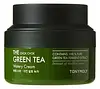
This calming moisturizer is formulated around Camellia Sinensis Leaf Extract and 3-O-Ethyl Ascorbic Acid to calm redness and hydrate skin.
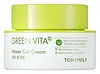
This calming moisturizer is formulated around Xylitol and Chamomilla Recutita Flower Extract to calm redness and hydrate skin.

What's inside
What's inside
 Key Ingredients
Benefits
Concerns
Ingredients Side-by-side
Camellia Sinensis Leaf Extract
Antimicrobial







Cyclomethicone
Emollient
Propanediol
Solvent
Glycerin
Humectant
Glycereth-26
Humectant
Pentaerythrityl Tetraethylhexanoate
Emollient
Butylene Glycol Dicaprylate/Dicaprate
EmollientSorbitan Olivate
Emulsifying

Cetearyl Olivate
1,2-Hexanediol
Skin Conditioning
Polyacrylate Crosspolymer-6
Emulsion StabilisingPolysilicone-11
Phytosteryl/Octyldodecyl Lauroyl Glutamate
Skin ConditioningAmmonium Acryloyldimethyltaurate/Vp Copolymer
Aniba Rosodora Wood Oil
Astringent
Citrus Limon Seed Oil
Masking
Disodium EDTA
Chelating3-O-Ethyl Ascorbic Acid
Skin Conditioning

Camellia Sinensis Leaf Extract, Cyclomethicone, Propanediol, Glycerin, Glycereth-26, Pentaerythrityl Tetraethylhexanoate, Butylene Glycol Dicaprylate/Dicaprate, Sorbitan Olivate, Cetearyl Olivate, 1,2-Hexanediol, Polyacrylate Crosspolymer-6, Polysilicone-11, Phytosteryl/Octyldodecyl Lauroyl Glutamate, Ammonium Acryloyldimethyltaurate/Vp Copolymer, Aniba Rosodora Wood Oil, Citrus Limon Seed Oil, Disodium EDTA, 3-O-Ethyl Ascorbic Acid
Xylitol
Humectant
Melia Azadirachta Leaf Extract
Skin ConditioningVitex Agnus Castus Extract
AstringentChamomilla Recutita Flower Extract
Masking
Melia Azadirachta Flower Extract
Skin ConditioningGlucose
Humectant
Sodium Hyaluronate
Humectant
Citrus Unshiu Peel Extract
MaskingArctium Lappa Root Extract
Skin Conditioning
Phellinus Linteus Extract
Skin ConditioningCurcuma Longa Root Extract
Antioxidant
Ocimum Sanctum Leaf Extract
Skin ConditioningCorallina Officinalis Extract
Skin Conditioning

Polyglyceryl-10 Laurate
Skin Conditioning
Polyglyceryl-3 Polydimethylsiloxyethyl Dimethicone
Skin Conditioning
Trisiloxane
Skin Conditioning
Dimethiconol
Emollient
Octyldodeceth-16
EmulsifyingPolyglyceryl-10 Myristate
Skin Conditioning
PEG-240/Hdi Copolymer Bis-Decyltetradeceth-20 Ether
StabilisingAmmonium Acryloyldimethyltaurate/Vp Copolymer
Carbomer
Emulsion StabilisingArginine
Masking
Tromethamine
BufferingDisodium EDTA
ChelatingBiosaccharide Gum-1
Humectant
Hydroxypropyltrimonium Hyaluronate
Hydrolyzed Hyaluronic Acid
Humectant
Sodium Acetylated Hyaluronate
Humectant
Hyaluronic Acid
Humectant
Sodium Hyaluronate Crosspolymer
Humectant
Potassium Hyaluronate
Skin Conditioning3-O-Ethyl Ascorbic Acid
Skin Conditioning
Ethylhexylglycerin
Skin ConditioningCitrus Aurantium Dulcis Peel Oil
Masking
Olea Europaea Fruit Oil
Masking
Citrus Aurantium Bergamia Fruit Oil
Masking

Copaifera Officinalis Resin
MaskingCymbopogon Martini Oil
Masking
Pelargonium Graveolens Flower Oil
Masking
Citrus Nobilis Peel Oil
Masking
Salvia Sclarea Oil
Masking
Xylitol, Melia Azadirachta Leaf Extract, Vitex Agnus Castus Extract, Chamomilla Recutita Flower Extract, Melia Azadirachta Flower Extract, Glucose, Sodium Hyaluronate, Citrus Unshiu Peel Extract, Arctium Lappa Root Extract, Phellinus Linteus Extract, Curcuma Longa Root Extract, Ocimum Sanctum Leaf Extract, Corallina Officinalis Extract, Polyglyceryl-10 Laurate, Polyglyceryl-3 Polydimethylsiloxyethyl Dimethicone, Trisiloxane, Dimethiconol, Octyldodeceth-16, Polyglyceryl-10 Myristate, PEG-240/Hdi Copolymer Bis-Decyltetradeceth-20 Ether, Ammonium Acryloyldimethyltaurate/Vp Copolymer, Carbomer, Arginine, Tromethamine, Disodium EDTA, Biosaccharide Gum-1, Hydroxypropyltrimonium Hyaluronate, Hydrolyzed Hyaluronic Acid, Sodium Acetylated Hyaluronate, Hyaluronic Acid, Sodium Hyaluronate Crosspolymer, Potassium Hyaluronate, 3-O-Ethyl Ascorbic Acid, Ethylhexylglycerin, Citrus Aurantium Dulcis Peel Oil, Olea Europaea Fruit Oil, Citrus Aurantium Bergamia Fruit Oil, Copaifera Officinalis Resin, Cymbopogon Martini Oil, Pelargonium Graveolens Flower Oil, Citrus Nobilis Peel Oil, Salvia Sclarea Oil
Reviews
Ingredients Explained
These ingredients are found in both products.
Ingredients higher up in an ingredient list are typically present in a larger amount.
3-O-Ethyl Ascorbic Acid is one of the most popular "stable" vitamin C derivatives in skincare.
Plain ascorbic acid is fantastic but notoriously fragile; it browns, oxidizes, and loses potency fast. So attaching an ethyl group to the third carbon of the molecule gives it some cool perks:
In a formula, it does the 3 classic vitamin C jobs: it acts as an antioxidant, helps brighten skin tone by inhibiting tyrosinase, and supports collagen.
The evidence is reasonably solid for a cosmetic ingredient; Liao and colleagues (2018) showed it's significantly more stable than ascorbic acid while still being effective.
A 2021 study by Zerbinati and colleagues tested a serum with 30% 3-O-ethyl-l-ascorbic acid and 1% lactic acid significantly increased collagen production, reduced UVB-induced DNA damage, and decreased melanin on a reconstructed pigmented skin model.
Typical real world usage sits around 0.5-5% (and 1-2% is common for daily serums).
Amounts up to 30% have been shown to be non-irritating on human skin samples, but two isolated cases reported allergic contact dermatitis so a patch test is sensible if you have reactive skin.
Learn more about 3-O-Ethyl Ascorbic AcidAmmonium Acryloyldimethyltaurate/Vp Copolymer is a synthetically created polymer. It's used as a film-forming agent and used to thicken the consistency of products.
Think of it as a supportive ingredient that helps your gel-creams feel silky, "cloud cream-like", and spread evenly without being greasy.
The Cosmetic Ingredient Review (CIR) Expert Panel evaluated it (along with 22 other acryloyldimethyltaurate polymers) and concluded it's:
Due to its large molecular size, it sits on the surface of skin rather than penetrating it.
Learn more about Ammonium Acryloyldimethyltaurate/Vp CopolymerDisodium EDTA is a chelating agent. It grabs onto and deactivates metal ions that sneak into your products from water, packaging, or air.
This ingredient mainly works behind the scenes and helps with:
On top of that, this ingredient can counteract the effects of hard water by binding to the minerals in it.
One thing worth knowing is that Disodium EDTA has been shown to be a mild penetration enhancer. It can help other ingredients absorb into skin more effectively which can be a double-edged sword (great for actives, but can also make the active too strong if you have sensitive skin).
Clinical patch testing showed no significant skin irritation at typical use concentrations and minimal dermal absorption.
You'll most likely see this ingredient near the end of an ingredient list. It's typically found in concentrations less than 1%.
Learn more about Disodium EDTA



