This barrier-repair lip moisturizer is formulated around Helianthus Annuus Seed Oil and Olea Europaea Fruit Oil to strengthen the lip barrier and hydrate lips.
This barrier-repair lip moisturizer is formulated around Squalane and Macadamia Integrifolia Seed Oil to strengthen the lip barrier and hydrate lips.

What's inside
What's inside
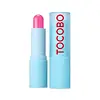 Key Ingredients
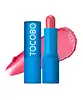
Benefits
Concerns
Ingredients Side-by-side
Polyglyceryl-2 Triisostearate
Emulsifying

Diisostearyl Malate
EmollientPolyisobutene
Octyldodecanol
Emollient
Dipentaerythrityl Hexahydroxystearate/Hexastearate/Hexarosinate
Skin ConditioningSynthetic Wax
Abrasive

Helianthus Annuus Seed Oil
Emollient

Olea Europaea Fruit Oil
Masking


Simmondsia Chinensis Seed Oil
Emollient

Microcrystalline Wax
Emulsion StabilisingSynthetic Beeswax
Emulsion Stabilising
Titanium Dioxide
Cosmetic Colorant

Ethylene/Propylene Copolymer
Abrasive
CI 45410
Cosmetic Colorant1,2-Hexanediol
Skin Conditioning
Parfum
Masking

CI 19140
Cosmetic ColorantCaprylyl Glycol
Emollient
CI 15985
Cosmetic ColorantEthylhexylglycerin
Skin ConditioningPentaerythrityl Tetra-Di-T-Butyl Hydroxyhydrocinnamate
Antioxidant
Linalool
Perfuming
Hexyl Cinnamal
Perfuming
Geraniol
Perfuming
Benzyl Benzoate
Antimicrobial
Hydroxycitronellal
Perfuming
Citronellol
Perfuming
Limonene
Perfuming
Citral
Perfuming
Polyglyceryl-2 Triisostearate, Diisostearyl Malate, Polyisobutene, Octyldodecanol, Dipentaerythrityl Hexahydroxystearate/Hexastearate/Hexarosinate, Synthetic Wax, Helianthus Annuus Seed Oil, Olea Europaea Fruit Oil, Simmondsia Chinensis Seed Oil, Microcrystalline Wax, Synthetic Beeswax, Titanium Dioxide, Ethylene/Propylene Copolymer, CI 45410, 1,2-Hexanediol, Parfum, CI 19140, Caprylyl Glycol, CI 15985, Ethylhexylglycerin, Pentaerythrityl Tetra-Di-T-Butyl Hydroxyhydrocinnamate, Linalool, Hexyl Cinnamal, Geraniol, Benzyl Benzoate, Hydroxycitronellal, Citronellol, Limonene, Citral
Dimethicone
Emollient
Hdi/Trimethylol Hexyllactone Crosspolymer
Tridecyl Trimellitate
EmollientSynthetic Wax
Abrasive
Microcrystalline Wax
Emulsion StabilisingSqualane
Emollient
Macadamia Integrifolia Seed Oil
Skin Conditioning
Phenyl Trimethicone
Skin Conditioning
Prunus Amygdalus Dulcis Oil
Skin Conditioning
Diisostearyl Malate
EmollientVinyl Dimethicone/Methicone Silsesquioxane Crosspolymer

C12-15 Alkyl Benzoate
AntimicrobialDibutyl Adipate
EmollientMica
Cosmetic ColorantHydrogenated Polyisobutene
EmollientDimethicone Crosspolymer
Emulsion Stabilising
Sorbitan Isostearate
Emulsifying
Dimethicone/Vinyl Dimethicone Crosspolymer
Skin Conditioning
CI 77891
Cosmetic ColorantEthylene/Propylene Copolymer
Abrasive
CI 77492
Cosmetic ColorantSorbitan Sesquioleate
Emulsifying
Polyglyceryl-3 Polydimethylsiloxyethyl Dimethicone
Skin Conditioning
Hydrogenated Polydecene
EmollientGlyceryl Caprylate
EmollientCI 15850
Cosmetic ColorantParfum
Masking
Silica
Abrasive
Caprylyl Glycol
Emollient
Ethylhexylglycerin
Skin ConditioningTocopheryl Acetate
Antioxidant

Triethoxycaprylylsilane
Tocopherol
Antioxidant

Dimethicone, Hdi/Trimethylol Hexyllactone Crosspolymer, Tridecyl Trimellitate, Synthetic Wax, Microcrystalline Wax, Squalane, Macadamia Integrifolia Seed Oil, Phenyl Trimethicone, Prunus Amygdalus Dulcis Oil, Diisostearyl Malate, Vinyl Dimethicone/Methicone Silsesquioxane Crosspolymer, C12-15 Alkyl Benzoate, Dibutyl Adipate, Mica, Hydrogenated Polyisobutene, Dimethicone Crosspolymer, Sorbitan Isostearate, Dimethicone/Vinyl Dimethicone Crosspolymer, CI 77891, Ethylene/Propylene Copolymer, CI 77492, Sorbitan Sesquioleate, Polyglyceryl-3 Polydimethylsiloxyethyl Dimethicone, Hydrogenated Polydecene, Glyceryl Caprylate, CI 15850, Parfum, Silica, Caprylyl Glycol, Ethylhexylglycerin, Tocopheryl Acetate, Triethoxycaprylylsilane, Tocopherol
Ingredients Explained
These ingredients are found in both products.
Ingredients higher up in an ingredient list are typically present in a larger amount.
Caprylyl Glycol is a humectant, skin conditioner, emollient, and preservative booster derived from either caprylic acid or synthetically created.
Typical use levels vary from 0.3-1% as a preservative booster and go up to 2% to condition skin.
Because it is not a free-fatty acid, this ingredient is fungal acne safe (there's nothing for Malassezia to feed on).
Learn more about Caprylyl GlycolDiisostearyl Malate is an emollient and most often used in lip products. It comes from isostearyl alcohol, a fatty acid, and malic acid, an AHA.
As an emollient, Diisostearyl Malate helps create a thin film on your skin to trap moisture in. This helps keep your skin soft and smooth.
Ethylene/Propylene Copolymer is an exfoliant.
Ethylhexylglycerin is created from glycerin. It is a multitasker ingredient that:
The CIR Expert Panel found minimal skin absorption or sensitization of any kind in a safety assessment. Though this ingredient is considered well-tolerated, a small number of cases of allergic dermatitis have been published since 2002. Just be sure to patch test if you are unsure.
Industry-reported use ranges from 8% in rinse-off products and 2% in leave-on formulations.
Learn more about EthylhexylglycerinMicrocrystalline Wax is derived from petroleum through a de-oiling process, then highly refined and purified before use in cosmetics.
In skincare formulations, it is used to improve texture and create a smooth, even consistency. It also helps stabilize products by preventing ingredients from separating.
Parfum is a catch-all term for an ingredient or more that is used to give a scent to products.
Also called "fragrance", this ingredient can be a blend of hundreds of chemicals or plant oils. This means every product with "fragrance" or "parfum" in the ingredients list is a different mixture.
For instance, Habanolide is a proprietary trade name for a specific aroma chemical. When used as a fragrance ingredient in cosmetics, most aroma chemicals fall under the broad labeling category of “FRAGRANCE” or “PARFUM” according to EU and US regulations.
The term 'parfum' or 'fragrance' is not regulated in many countries. In many cases, it is up to the brand to define this term.
For instance, many brands choose to label themselves as "fragrance-free" because they are not using synthetic fragrances. However, their products may still contain ingredients such as essential oils that are considered a fragrance by INCI standards.
One example is Calendula flower extract. Calendula is an essential oil that still imparts a scent or 'fragrance'.
Depending on the blend, the ingredients in the mixture can cause allergies and sensitivities on the skin. Some ingredients that are known EU allergens include linalool and citronellol.
Parfum can also be used to mask or cover an unpleasant scent.
The bottom line is: not all fragrances/parfum/ingredients are created equally. If you are worried about fragrances, we recommend taking a closer look at an ingredient. And of course, we always recommend speaking with a professional.
Learn more about ParfumSynthetic Wax is a manufactured hydrocarbon wax. In formulas, it works as an occlusive emollient that helps reduce water loss and improves the spreadability of products.
Research comparing synthetic wax to traditional mineral-derived products found that formulas containing it perform as well for skin hydration.
It is considered non-comedogenic and vegan-friendly.
This ingredient has a well-established safety record by the CIR Expert Panel for Cosmetic Ingredient Safety.
Synthetic Waxes are straight/branched-chain hydrocarbons with no ester bond or fatty acids. That means there is nothing for the Malassezia yeast to feed on.
Learn more about Synthetic Wax

