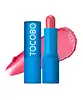
This barrier-repair lip moisturizer is formulated around Squalane and Macadamia Integrifolia Seed Oil to strengthen the lip barrier and hydrate lips.
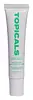
This barrier-repair lip moisturizer is formulated around Ceramide NP and Palmitoyl Tripeptide-38 to strengthen the lip barrier and hydrate lips.


What's inside
What's inside
 Key Ingredients
Benefits
Concerns
Ingredients Side-by-side
Dimethicone
Emollient

Hdi/Trimethylol Hexyllactone Crosspolymer
Tridecyl Trimellitate
EmollientSynthetic Wax
Abrasive

Microcrystalline Wax
Emulsion StabilisingSqualane
Emollient


Macadamia Integrifolia Seed Oil
Skin Conditioning


Phenyl Trimethicone
Skin Conditioning
Prunus Amygdalus Dulcis Oil
Skin Conditioning

Diisostearyl Malate
EmollientVinyl Dimethicone/Methicone Silsesquioxane Crosspolymer

C12-15 Alkyl Benzoate
AntimicrobialDibutyl Adipate
EmollientMica
Cosmetic ColorantHydrogenated Polyisobutene
EmollientDimethicone Crosspolymer
Emulsion Stabilising
Sorbitan Isostearate
Emulsifying
Dimethicone/Vinyl Dimethicone Crosspolymer
Skin Conditioning
CI 77891
Cosmetic ColorantEthylene/Propylene Copolymer
Abrasive
CI 77492
Cosmetic ColorantSorbitan Sesquioleate
Emulsifying
Polyglyceryl-3 Polydimethylsiloxyethyl Dimethicone
Skin Conditioning
Hydrogenated Polydecene
EmollientGlyceryl Caprylate
EmollientCI 15850
Cosmetic ColorantParfum
Masking


Silica
Abrasive
Caprylyl Glycol
Emollient
Ethylhexylglycerin
Skin ConditioningTocopheryl Acetate
Antioxidant


Triethoxycaprylylsilane
Tocopherol
Antioxidant

Dimethicone, Hdi/Trimethylol Hexyllactone Crosspolymer, Tridecyl Trimellitate, Synthetic Wax, Microcrystalline Wax, Squalane, Macadamia Integrifolia Seed Oil, Phenyl Trimethicone, Prunus Amygdalus Dulcis Oil, Diisostearyl Malate, Vinyl Dimethicone/Methicone Silsesquioxane Crosspolymer, C12-15 Alkyl Benzoate, Dibutyl Adipate, Mica, Hydrogenated Polyisobutene, Dimethicone Crosspolymer, Sorbitan Isostearate, Dimethicone/Vinyl Dimethicone Crosspolymer, CI 77891, Ethylene/Propylene Copolymer, CI 77492, Sorbitan Sesquioleate, Polyglyceryl-3 Polydimethylsiloxyethyl Dimethicone, Hydrogenated Polydecene, Glyceryl Caprylate, CI 15850, Parfum, Silica, Caprylyl Glycol, Ethylhexylglycerin, Tocopheryl Acetate, Triethoxycaprylylsilane, Tocopherol
Hydrogenated Polyisobutene
EmollientEthylene/Propylene/Styrene Copolymer
Butylene/Ethylene/Styrene Copolymer
Oryza Sativa Bran Wax
Skin Conditioning
Ceramide NP
Skin Conditioning

Ceramide AP
Skin Conditioning
Ceramide EOP
Skin Conditioning
Palmitoyl Tripeptide-38
Skin Conditioning

Sodium Hyaluronate
Humectant
Hydrolyzed Sodium Hyaluronate
Skin Conditioning
Tocopheryl Acetate
Antioxidant
Ergothioneine
Antioxidant
Glycerin
Humectant
Phytosphingosine
Skin Conditioning
Cholesterol
Emollient
Portulaca Pilosa Extract
Skin ConditioningSucrose Cocoate
Emulsifying

Panthenol
Skin Conditioning
Sodium Lauroyl Lactylate
EmulsifyingCarbomer
Emulsion StabilisingXanthan Gum
EmulsifyingCetearyl Ethylhexanoate
Emollient
Sorbitan Isostearate
Emulsifying
Mentha Arvensis Leaf Oil
Masking
Mentha Piperita Flower/Leaf/Stem Oil
Skin Conditioning
Water
Skin ConditioningHydrogenated Polyisobutene, Ethylene/Propylene/Styrene Copolymer, Butylene/Ethylene/Styrene Copolymer, Oryza Sativa Bran Wax, Ceramide NP, Ceramide AP, Ceramide EOP, Palmitoyl Tripeptide-38, Sodium Hyaluronate, Hydrolyzed Sodium Hyaluronate, Tocopheryl Acetate, Ergothioneine, Glycerin, Phytosphingosine, Cholesterol, Portulaca Pilosa Extract, Sucrose Cocoate, Panthenol, Sodium Lauroyl Lactylate, Carbomer, Xanthan Gum, Cetearyl Ethylhexanoate, Sorbitan Isostearate, Mentha Arvensis Leaf Oil, Mentha Piperita Flower/Leaf/Stem Oil, Water
Reviews
Ingredients Explained
These ingredients are found in both products.
Ingredients higher up in an ingredient list are typically present in a larger amount.
Hydrogenated Polyisobutene is a synthetic polymer. Polymers are compounds with high molecular weight. Hydrogenated Polyisobutene is an emollient and texture enhancer.
In one study, Hydrogenated Polyisobutene showed better skin hydration levels than Caprylic/Capric Triglyceride. As an emollient, it helps keep your skin soft and hydrated by trapping moisture in.
Hydrogenated Polyisobutene is often used as a mineral oil replacement.
Learn more about Hydrogenated PolyisobuteneSorbitan Isostearate is an emulsifer. It is created from isostearic acid and sorbitol.
As an emulsifier, it keeps the water and oil ingredients from separating. This keeps formulas stable and smooth.
In a 24 hour occlusive patch test on 56 subjects, 10% sorbitan isostearate was completely non-irritating. Most formulas use less than 10%.
Because it's a fatty acid ester, it may not be fungal acne safe since the Malassezia yeast can utilize it as a nutrient source.
Learn more about Sorbitan IsostearateTocopheryl Acetate is a stable, shelf-friendly form of vitamin E.
Formulators love it because plain vitamin E oxidizes quickly once it hits air. This acetate version stays stable and resists going off, helping to extend a product's shelf life.
It's actually inactive on its own and works like a slow-release "storage" form; the enzymes in your skin called esterases gradually convert it into active vitamin E over time.
One in vivo study showed 5% of the acetate in the living layer of the epidermis converted to vitamin E after 5 days of application. This study also found the skin gained protection against UV damage even though the conversion was slow and small.
Once converted, vitamin E acts as a skin's main fat-soluble antioxidant that fights free radicals to protect skin from damage.
Topical vitamin E generally boosts the skin's photoprotection, and it reduced UV-damage in animal models.
This ingredient has some brightening potential but it's more of a prevention ingredient than spot-fader. Cell studies show it can slow down melanin production but it's worth noting that it's not the most powerful brightener out there.
Overall, it has a pretty solid safety profile and has been found to be non-irritating and non-comedogenic. Allergic reactions may happen but stay rare due to how widely the ingredient gets used.
The concentration will vary depending on the formula; industry data shows 0.1% in baby lotions, 3% in lipsticks, and 5% in foot powders. You can also find this ingredient at 100% in a pure vitamin E oil.
Most leave-on skincare keeps it at the lower end, often between 0.5-1%.
Learn more about Tocopheryl Acetate

