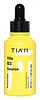
This brightening serum is formulated around Niacinamide and Arbutin to fade the look of dark spots and brighten dull-looking skin.


What's inside
What's inside
 Key Ingredients
Benefits
Concerns
No concerns
Ingredients Side-by-side
Water
Skin ConditioningNiacinamide 10%
Smoothing











Butylene Glycol
Humectant
Arbutin 2%
Antioxidant

Allantoin
Skin Conditioning
Dipotassium Glycyrrhizate
Humectant
Lindera Erythrocarpa Extract
Cornus Officinalis Fruit Extract
Skin ConditioningGeranium Thunbergii Extract
Skin ConditioningHydroxyethylcellulose
Emulsion StabilisingSodium Hyaluronate
Humectant
Methylpropanediol
SolventLaurylpyridinium Chloride
AntimicrobialChlorphenesin
Antimicrobial
1,2-Hexanediol
Skin Conditioning
Water, Niacinamide 10%, Butylene Glycol, Arbutin 2%, Allantoin, Dipotassium Glycyrrhizate, Lindera Erythrocarpa Extract, Cornus Officinalis Fruit Extract, Geranium Thunbergii Extract, Hydroxyethylcellulose, Sodium Hyaluronate, Methylpropanediol, Laurylpyridinium Chloride, Chlorphenesin, 1,2-Hexanediol
Water
Skin ConditioningGlycerin
Humectant
Panthenol
Skin Conditioning
Butylene Glycol
Humectant
Niacinamide
Smoothing
Methyl Hydrogenated Rosinate
Perfuming

Dimethicone
Emollient
Polyacrylamide
Erythritol
Humectant
Phenoxyethanol
Preservative
C13-14 Isoparaffin
Emollient
Sodium Polyacrylate
Absorbent
Chlorphenesin
Antimicrobial
Bisabolol
Antioxidant
Laureth-7
EmulsifyingCyclopentasiloxane
Emollient
Centella Asiatica Extract
Cleansing
Parfum
Masking


Hydroxypropyl Cyclodextrin
MaskingGlycyrrhiza Glabra Root Extract
Bleaching
Ethylhexylglycerin
Skin ConditioningAluminum Hydroxide
EmollientScutellaria Baicalensis Root Extract
Astringent
Polygonum Cuspidatum Root Extract
Antioxidant
Triethoxycaprylylsilane
Panicum Miliaceum Seed Extract
Skin ConditioningHibiscus Abelmoschus Seed Extract
Masking
Pyrus Cydonia Seed Extract
MaskingCamellia Sinensis Leaf Extract
Antimicrobial
Secale Cereale Seed Extract
Abrasive
Glycine Soja Seed Extract
Skin Conditioning
Leontopodium Alpinum Extract
Skin ConditioningArbutin
Antioxidant
Tranexamic Acid
Astringent
Chamomilla Recutita Flower Extract
Masking
Rosmarinus Officinalis Leaf Extract
AntimicrobialYeast Extract
Skin ConditioningMorus Alba Root Extract
Bleaching1,2-Hexanediol
Skin Conditioning
Castanea Sativa Seed Extract
Skin ConditioningHelianthus Annuus Seed Extract
Skin Conditioning
Pentylene Glycol
Skin Conditioning
Hydroxyacetophenone
Antioxidant
Artemisia Capillaris Extract
Lycium Chinense Fruit Extract
Antioxidant
Morus Alba Bark Extract
Skin ConditioningCitric Acid
Buffering
Sodium Benzoate
Masking
Methylparaben
Preservative

Titanium Dioxide
Cosmetic Colorant
Water, Glycerin, Panthenol, Butylene Glycol, Niacinamide, Methyl Hydrogenated Rosinate, Dimethicone, Polyacrylamide, Erythritol, Phenoxyethanol, C13-14 Isoparaffin, Sodium Polyacrylate, Chlorphenesin, Bisabolol, Laureth-7, Cyclopentasiloxane, Centella Asiatica Extract, Parfum, Hydroxypropyl Cyclodextrin, Glycyrrhiza Glabra Root Extract, Ethylhexylglycerin, Aluminum Hydroxide, Scutellaria Baicalensis Root Extract, Polygonum Cuspidatum Root Extract, Triethoxycaprylylsilane, Panicum Miliaceum Seed Extract, Hibiscus Abelmoschus Seed Extract, Pyrus Cydonia Seed Extract, Camellia Sinensis Leaf Extract, Secale Cereale Seed Extract, Glycine Soja Seed Extract, Leontopodium Alpinum Extract, Arbutin, Tranexamic Acid, Chamomilla Recutita Flower Extract, Rosmarinus Officinalis Leaf Extract, Yeast Extract, Morus Alba Root Extract, 1,2-Hexanediol, Castanea Sativa Seed Extract, Helianthus Annuus Seed Extract, Pentylene Glycol, Hydroxyacetophenone, Artemisia Capillaris Extract, Lycium Chinense Fruit Extract, Morus Alba Bark Extract, Citric Acid, Sodium Benzoate, Methylparaben, Titanium Dioxide
Reviews
Ingredients Explained
These ingredients are found in both products.
Ingredients higher up in an ingredient list are typically present in a larger amount.
1,2-Hexanediol is a synthetic liquid and another multi-functional powerhouse.
It is a:
- Humectant, drawing moisture into the skin
- Emollient, helping to soften skin
- Solvent, dispersing and stabilizing formulas
- Preservative booster, enhancing the antimicrobial activity of other preservatives
Arbutin is a naturally occurring molecule (found in bearberry, cranberry, and blueberry) that is used in skincare as a gentle brightening agent to fade dark spots, melasma, and post-inflammatory hyperpigmentation.
Chemically, it is a sugar-bound form of hydroquinone.
It works mainly by inhibiting tyrosinase, the enzyme your skin uses to make melanin. This means less new pigment gets produced over time.
There are two forms you'll see on labels: beta-arbutin (listed as just "Arbutin") and alpha-arbutin (the more stable and effective of the two).
The evidence behind this is solid: it's less cytotoxic to melanocytes than hydroquinone and comparably effective with kojic acid for hyperpigmentation.
One human study using a 10% solution reduced UVR-induced hyperpigmentation by 43.5% (jumping to 63.3% when paired with aloesin).
More recent clinical work backs it up too; a 2025 study on a 5% alpha-arbutin + 2% kojic acid cream found it comparable to triple combination prescription formulas but with lower recurrence for melasma.
Typical usage in cosmetics serums land in the 1-2% range.
It's a well-tolerated, non-irritating, and non-photoreactive ingredient that also gives some antioxidant benefits too.
Learn more about ArbutinButylene Glycol (or BG) is used within cosmetic products for a few different reasons:
Overall, Butylene Glycol is a safe and well-rounded ingredient that works well with other ingredients.
Though this ingredient works well with most skin types, some people with sensitive skin may experience a reaction such as allergic rashes, closed comedones, or itchiness.
Learn more about Butylene GlycolChlorphenesin is a synthetic preservative. It helps protect a product against bacteria in order to extend shelf life. In most cases, Chlorphenesin is paired with other preservatives such as phenoxyethanol and caprylyl glycol.
Chlorphenesin is a biocide. This means it is able to help fight the microorganisms on our skin. It is also able to fight odor-releasing bacteria.
Chlorphenesin is soluble in both water and glycerin.
Studies show Chlorphenesin is easily absorbed by our skin. You should speak with a skincare professional if you have concerns about using Chlorphenesin.
Learn more about ChlorphenesinNiacinamide is a multitasking form of vitamin B3 that strengthens the skin barrier, reduces pores and dark spots, regulates oil, and improves signs of aging.
And the best part? It's gentle and well-tolerated by most skin types, including sensitive and reactive skin.
You might have heard of "niacin flush", or the reddening of skin that causes itchiness. Niacinamide has not been found to cause this.
In very rare cases, some individuals may not be able to tolerate niacinamide at all or experience an allergic reaction to it.
If you are experiencing flaking, irritation, and dryness with this ingredient, be sure to double check all your products as this ingredient can be found in all categories of skincare.
When incorporating niacinamide into your routine, look out for concentration amounts. Typically, 5% niacinamide provides benefits such as fading dark spots. However, if you have sensitive skin, it is better to begin with a smaller concentration.
When you apply niacinamide to your skin, your body converts it into nicotinamide adenine dinucleotide (NAD). NAD is an essential coenzyme that is already found in your cells as "fuel" and powers countless biological processes.
In your skin, NAD helps repair cell damage, produce new healthy cells, support collagen production, strengthen the skin barrier, and fight environmental stressors (like UV and pollution).
Our natural NAD levels start to decline with age, leading to slower skin repair, visible aging, and a weaker skin barrier. By providing your skin niacinamide, you're recharging your skin's NAD levels. This leads to stronger, healthier, and younger looking skin.
Another name for vitamin B3 is nicotinamide. This vitamin is water-soluble and our bodies don't store it. We obtain Vitamin B3 from either food or skincare. Meat, fish, wheat, yeast, and leafy greens contain vitamin B3.
The type of niacinamide used in skincare is synthetically created.
Learn more about NiacinamideWater. It's the most common cosmetic ingredient of all. You'll usually see it at the top of ingredient lists, meaning that it makes up the largest part of the product.
So why is it so popular? Water most often acts as a solvent - this means that it helps dissolve other ingredients into the formulation.
You'll also recognize water as that liquid we all need to stay alive. If you see this, drink a glass of water. Remember to stay hydrated!
Learn more about Water

