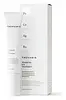
This anti-aging eye moisturizer is formulated around Ascorbyl Glucoside and Ceramide NP to soften the look of wrinkles and strengthen the skin barrier.
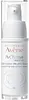
This anti-aging eye moisturizer is formulated around Retinal to soften the look of wrinkles and refine skin texture.


What's inside
What's inside
 Key Ingredients
Benefits
Concerns
Ingredients Side-by-side
Water
Skin ConditioningGlycerin
Humectant


Caprylic/Capric Triglyceride
Masking
C10-18 Triglycerides
Emollient

Propanediol
Solvent
Ascorbyl Glucoside
Antioxidant



Jojoba Esters
Emollient
Ceramide NP
Skin Conditioning


Polyglyceryl-6 Distearate
Emulsifying
Hydrogenated Lecithin
Emulsifying
Disodium Stearoyl Glutamate
CleansingCaffeine
Skin Conditioning
Helianthus Annuus Seed Wax
Skin Conditioning
Betaine
Humectant
Sh-Oligopeptide-1
Skin Conditioning
Sh-Oligopeptide-2
Skin Conditioning
Sh-Polypeptide-1
Skin Conditioning
Sh-Polypeptide-9
Skin Conditioning
Sh-Polypeptide-11
Retinol
Skin Conditioning






Ceramide EOP
Skin Conditioning
Ceramide Ns
Skin Conditioning
Ceramide As
Skin Conditioning
Ceramide AP
Skin Conditioning
Punica Granatum Extract
AstringentCamellia Sinensis Leaf Extract
Antimicrobial
Bacillus/Folic Acid Ferment Filtrate Extract
Antioxidant
Lactobacillus Ferment Lysate
Skin Conditioning
Sodium Hyaluronate
Humectant
Ethylhexylglycerin
Skin ConditioningCholesterol
Emollient
Lecithin
Emollient
Tricaprylin
Perfuming

Polyglycerin-3
Humectant
Xanthan Gum
EmulsifyingAcacia Decurrens Flower Wax
Emollient
Acetyl Glutamine
Skin ConditioningCellulose Acetate Butyrate
Sucrose Distearate
Emollient
Glyceryl Stearate
Emollient
Cetearyl Alcohol
Emollient



Cetyl Alcohol
Emollient
Pentaerythrityl Tetra-Di-T-Butyl Hydroxyhydrocinnamate
Antioxidant
Caprylyl Glycol
Emollient
1,2-Hexanediol
Skin Conditioning
Butylene Glycol
Humectant
Dipropylene Glycol
HumectantSodium Hydroxide
BufferingPhenoxyethanol
Preservative
Citric Acid
Buffering
Sodium Citrate
BufferingWater, Glycerin, Caprylic/Capric Triglyceride, C10-18 Triglycerides, Propanediol, Ascorbyl Glucoside, Jojoba Esters, Ceramide NP, Polyglyceryl-6 Distearate, Hydrogenated Lecithin, Disodium Stearoyl Glutamate, Caffeine, Helianthus Annuus Seed Wax, Betaine, Sh-Oligopeptide-1, Sh-Oligopeptide-2, Sh-Polypeptide-1, Sh-Polypeptide-9, Sh-Polypeptide-11, Retinol, Ceramide EOP, Ceramide Ns, Ceramide As, Ceramide AP, Punica Granatum Extract, Camellia Sinensis Leaf Extract, Bacillus/Folic Acid Ferment Filtrate Extract, Lactobacillus Ferment Lysate, Sodium Hyaluronate, Ethylhexylglycerin, Cholesterol, Lecithin, Tricaprylin, Polyglycerin-3, Xanthan Gum, Acacia Decurrens Flower Wax, Acetyl Glutamine, Cellulose Acetate Butyrate, Sucrose Distearate, Glyceryl Stearate, Cetearyl Alcohol, Cetyl Alcohol, Pentaerythrityl Tetra-Di-T-Butyl Hydroxyhydrocinnamate, Caprylyl Glycol, 1,2-Hexanediol, Butylene Glycol, Dipropylene Glycol, Sodium Hydroxide, Phenoxyethanol, Citric Acid, Sodium Citrate
Water
Skin ConditioningParaffinum Liquidum
Emollient
Butylene Glycol
Humectant
Polysorbate 40
Emulsifying
Squalane
Emollient
Caprylic/Capric Triglyceride
Masking
Sorbitan Palmitate
Emulsifying
1,2-Hexanediol
Skin Conditioning
BHT
Antioxidant
Caprylyl Glycol
Emollient
Carbomer
Emulsion StabilisingDisodium EDTA
ChelatingOleoyl Dipeptide-15
Skin Conditioning
Oleoyl Tetrapeptide-31
Antioxidant
CI 17200
Cosmetic ColorantRetinal
Skin Conditioning
Sodium Hydroxide
BufferingTocopheryl Glucoside
EmollientXanthan Gum
EmulsifyingIngredients Explained
These ingredients are found in both products.
Ingredients higher up in an ingredient list are typically present in a larger amount.
1,2-Hexanediol is a synthetic liquid and another multi-functional powerhouse.
It is a:
- Humectant, drawing moisture into the skin
- Emollient, helping to soften skin
- Solvent, dispersing and stabilizing formulas
- Preservative booster, enhancing the antimicrobial activity of other preservatives
Butylene Glycol (or BG) is used within cosmetic products for a few different reasons:
Overall, Butylene Glycol is a safe and well-rounded ingredient that works well with other ingredients.
Though this ingredient works well with most skin types, some people with sensitive skin may experience a reaction such as allergic rashes, closed comedones, or itchiness.
Learn more about Butylene GlycolCaprylic/Capric Triglyceride (aka MCT Oil) is a lightweight emollient, solvent, and texture enhancer. It is considered a skin-softener by helping to prevent moisture loss.
Though it behaves like an oil, it is not technically one due to its chemical composition. One perk of this ingredient is that it is very stable, resistant to oxidation, and unlikely to go rancid.
In practice, that translates to a long shelf life and a consistently elegant skin feel.
While there is an assumption Caprylic Triglyceride can clog pores due to it being derived from coconut oil, there is no research supporting this. Just patch test if you have concerns.
Fractionated coconut oil and MCT Oil are both listed as Caprylic/Capric Triglyceride according to INCI. This is because INCI names are based on the ingredient’s final chemical composition and not its marketing name or source.
This ingredient is treated as the gold standard fungal acne safe oil. Even though it is coconut derived, the problematic lauric acid is stripped out.
This leaves just caprylic (C8) and capric (C10) acid. These chain lengths actually trend antifungal; a 2020 study found caprylic acid was enough to disrupt Malassezia furfur cell membrane, with a caprylic acid derivative damaging membrane structures at concentrations as low as 0.2%.
Learn more about Caprylic/Capric TriglycerideCaprylyl Glycol is a humectant, skin conditioner, emollient, and preservative booster derived from either caprylic acid or synthetically created.
Typical use levels vary from 0.3-1% as a preservative booster and go up to 2% to condition skin.
Because it is not a free-fatty acid, this ingredient is fungal acne safe (there's nothing for Malassezia to feed on).
Learn more about Caprylyl GlycolSodium Hydroxide is also known as lye or caustic soda. It is used to adjust the pH of products; many ingredients require a specific pH to be effective.
In small amounts, sodium hydroxide is considered safe to use. However, large amounts may cause chemical burns due to its high alkaline.
Your skin has a natural pH and acid mantle. This acid mantle helps prevent harmful bacteria from breaking through. The acid mantle also helps keep your skin hydrated.
"Alkaline" refers to a high pH level. A low pH level would be considered acidic.
Learn more about Sodium HydroxideWater. It's the most common cosmetic ingredient of all. You'll usually see it at the top of ingredient lists, meaning that it makes up the largest part of the product.
So why is it so popular? Water most often acts as a solvent - this means that it helps dissolve other ingredients into the formulation.
You'll also recognize water as that liquid we all need to stay alive. If you see this, drink a glass of water. Remember to stay hydrated!
Learn more about WaterXanthan gum is used as a stabilizer and thickener within cosmetic products. It helps give products a sticky, thick feeling - preventing them from being too runny.
On the technical side of things, xanthan gum is a polysaccharide - a combination consisting of multiple sugar molecules bonded together.
Xanthan gum is a pretty common and great ingredient. It is a natural, non-toxic, non-irritating ingredient that is also commonly used in food products.
Learn more about Xanthan Gum

