This oil-based makeup remover is made to dissolve makeup, sunscreen, and daily buildup.
This oil-based makeup remover is made to dissolve makeup, sunscreen, and daily buildup.

What's inside
What's inside
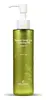 Key Ingredients
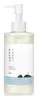
Benefits
Concerns
Ingredients Side-by-side
Canola Oil
Emollient





Triethylhexanoin
MaskingPEG-20 Glyceryl Triisostearate
Emollient
PEG-8 Isostearate
Emulsifying
Helianthus Annuus Seed Oil
Emollient
Squalane
Emollient

Olea Europaea Fruit Oil
Masking
Rosa Canina Fruit Oil
Emollient
Camellia Japonica Seed Oil
Emollient
Macadamia Ternifolia Seed Oil
Emollient
Sodium Hyaluronate
Humectant

Euterpe Oleracea Fruit Extract

Propolis Extract
Skin Conditioning

Tocopheryl Acetate
Antioxidant


Camellia Sinensis Leaf Extract
Antimicrobial

Pyrus Communis Fruit Extract
Skin ConditioningRosa Damascena Flower Water
Masking
Iris Florentina Root Extract
MaskingCucumis Melo Fruit Extract
Skin ConditioningHedera Helix Leaf/Stem Extract
AntimicrobialCanola Oil, Triethylhexanoin, PEG-20 Glyceryl Triisostearate, PEG-8 Isostearate, Helianthus Annuus Seed Oil, Squalane, Olea Europaea Fruit Oil, Rosa Canina Fruit Oil, Camellia Japonica Seed Oil, Macadamia Ternifolia Seed Oil, Sodium Hyaluronate, Euterpe Oleracea Fruit Extract, Propolis Extract, Tocopheryl Acetate, Camellia Sinensis Leaf Extract, Pyrus Communis Fruit Extract, Rosa Damascena Flower Water, Iris Florentina Root Extract, Cucumis Melo Fruit Extract, Hedera Helix Leaf/Stem Extract
Ethylhexyl Stearate
Emollient
Sorbeth-30 Tetraoleate
Emulsifying
Diisostearyl Malate
EmollientEthylhexylglycerin
Skin ConditioningWater
Skin ConditioningOenothera Biennis Oil
Emollient
Limnanthes Alba Seed Oil
Skin Conditioning
Persea Gratissima Oil
Skin Conditioning
Vitis Vinifera Seed Oil
Emollient
Canola Oil
Emollient
Macadamia Integrifolia Seed Oil
Skin Conditioning
Sea Water
HumectantButylene Glycol
Humectant
Allantoin
Skin Conditioning
Panthenol
Skin Conditioning
1,2-Hexanediol
Skin Conditioning
Caprylic/Capric Triglyceride
Masking
Phosphatidylcholine
EmulsifyingHyaluronic Acid
Humectant
Ceramide NP
Skin Conditioning
Glycine
Buffering
Hydrolyzed Hyaluronic Acid
Humectant
Glutamic Acid
Humectant
Serine
Masking
Sodium Hyaluronate
Humectant
Lysine
Skin ConditioningAlanine
Masking
Arginine
Masking
Threonine
Proline
Skin Conditioning
Citrus Aurantium Bergamia Fruit Oil
Masking

Salvia Officinalis Oil
Masking
Tocopherol
Antioxidant
Limonene
Perfuming
Linalool
Perfuming
Ethylhexyl Stearate, Sorbeth-30 Tetraoleate, Diisostearyl Malate, Ethylhexylglycerin, Water, Oenothera Biennis Oil, Limnanthes Alba Seed Oil, Persea Gratissima Oil, Vitis Vinifera Seed Oil, Canola Oil, Macadamia Integrifolia Seed Oil, Sea Water, Butylene Glycol, Allantoin, Panthenol, 1,2-Hexanediol, Caprylic/Capric Triglyceride, Phosphatidylcholine, Hyaluronic Acid, Ceramide NP, Glycine, Hydrolyzed Hyaluronic Acid, Glutamic Acid, Serine, Sodium Hyaluronate, Lysine, Alanine, Arginine, Threonine, Proline, Citrus Aurantium Bergamia Fruit Oil, Salvia Officinalis Oil, Tocopherol, Limonene, Linalool
Reviews
Ingredients Explained
These ingredients are found in both products.
Ingredients higher up in an ingredient list are typically present in a larger amount.
Canola Oil is a plant-oil and low-erucic-acid variety of rapeseed. Like other seed oils, it functions as an emollient that softens skin and slows water loss.
Its fatty acid profile is mostly linoleic acid (55-65%) with some oleic, palmitic, and stearic acids. There are also some small amounts of vitamin E and plant sterols.
The sterol content is pretty interesting:
In a controlled human study, a single application of canola oil and especially its sterol-enriched fraction reduced visible irritation, redness, and water loss caused by SLS. Plain canola oil and most other tested oils did little on healthy, un-irritated skin.
It's pretty much just a calm, moisturizing oil that helps with soothing if your skin is already irritated.
Fun fact: Canadian growers bred the low-erucic variety in the 1970's, and the name stands for "Canadian oil, Low Acid").
Since canola oil is made up of C18 fatty acids, it may not be fungal acne safe. The Malassezia yeast feeds on chain lengths C11-24.
This ingredient shows up on a lot of "pore-clogging" lists but there's no real evidence behind that. It doesn't even have a comedogenic rating from an actual study; the numbers you'll find online come from blogs citing other blogs.
Some people still find it breaks them out. So if that's you, definitely trust your skin.
Learn more about Canola OilSodium Hyaluronate is the salt form of hyaluronic acid. It is a long sugar chain that is naturally found in your skin, joints, and connective tissue that maintains hydration and elasticity.
In skincare, it works as a humectant. It pulls water from the environment and deeper layers of skin and binds it to the surface.
Interestingly, the size of the molecule affects its behavior:
Some clinical evidence links low molecular weight versions to improved wrinkle depth, elasticity, anti-inflammatory effects, and barrier repair.
Many serums use a blend of both weights so you can get surface hydration plus longer-lasting and deeper effects.
You'll typically see concentrations between 0.1-2% for this ingredient.
Learn more about Sodium Hyaluronate

