The Saem Derma Plan Balancing Moisturizer Versus Paula's Choice Calm Redness Relief Moisturizer for Normal to Oily Skin
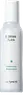
This barrier-repair moisturizer is formulated around Beta-Glucan and Centella Asiatica Extract to strengthen the skin barrier and calm redness.
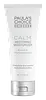
This calming moisturizer is formulated around Glycyrrhiza Glabra Root Extract and Allantoin to calm redness and strengthen the skin barrier.


What's inside
What's inside
 Key Ingredients
Benefits
Concerns
Ingredients Side-by-side
Water
Skin ConditioningGlycerin
Humectant


Dipropylene Glycol
HumectantPhenyl Trimethicone
Skin Conditioning
1,2-Hexanediol
Skin Conditioning
Caprylic/Capric Triglyceride
Masking
Caprylyl Methicone
Skin Conditioning
Polyglycerin-3
Humectant
Pentaerythrityl Tetraethylhexanoate
Emollient
Cetearyl Alcohol
Emollient





Beta-Glucan
Skin Conditioning

Centella Asiatica Extract
Cleansing

Polygonum Cuspidatum Root Extract
Antioxidant
Scutellaria Baicalensis Root Extract
Astringent
Glycyrrhiza Glabra Root Extract
Bleaching

Camellia Sinensis Leaf Extract
Antimicrobial

Chamomilla Recutita Flower Extract
Masking
Rosmarinus Officinalis Leaf Extract
AntimicrobialBetaine
Humectant
Allantoin
Skin Conditioning
Cyanocobalamin
Skin ConditioningRosa Hybrid Callus Culture Extract
HumectantButyrospermum Parkii Butter
Skin Conditioning
C14-22 Alcohols
Emulsion Stabilising
Butylene Glycol
Humectant
C12-16 Alcohols
EmollientC12-20 Alkyl Glucoside
EmulsifyingCarbomer
Emulsion StabilisingHydrogenated Lecithin
Emulsifying
Palmitic Acid
Emollient
Xanthan Gum
EmulsifyingTromethamine
BufferingDisodium EDTA
ChelatingSodium Hyaluronate
Humectant
Glucose
Humectant
Citric Acid
Buffering
Maltodextrin
Absorbent
Polyglyceryl-10 Oleate
Skin Conditioning
Sodium Citrate
BufferingWater, Glycerin, Dipropylene Glycol, Phenyl Trimethicone, 1,2-Hexanediol, Caprylic/Capric Triglyceride, Caprylyl Methicone, Polyglycerin-3, Pentaerythrityl Tetraethylhexanoate, Cetearyl Alcohol, Beta-Glucan, Centella Asiatica Extract, Polygonum Cuspidatum Root Extract, Scutellaria Baicalensis Root Extract, Glycyrrhiza Glabra Root Extract, Camellia Sinensis Leaf Extract, Chamomilla Recutita Flower Extract, Rosmarinus Officinalis Leaf Extract, Betaine, Allantoin, Cyanocobalamin, Rosa Hybrid Callus Culture Extract, Butyrospermum Parkii Butter, C14-22 Alcohols, Butylene Glycol, C12-16 Alcohols, C12-20 Alkyl Glucoside, Carbomer, Hydrogenated Lecithin, Palmitic Acid, Xanthan Gum, Tromethamine, Disodium EDTA, Sodium Hyaluronate, Glucose, Citric Acid, Maltodextrin, Polyglyceryl-10 Oleate, Sodium Citrate
Water
Skin ConditioningCyclopentasiloxane
Emollient
Glycerin
Humectant
Butylene Glycol
Humectant
Bis-Phenylpropyl Dimethicone
Glycyrrhiza Glabra Root Extract
Bleaching
Allantoin
Skin Conditioning
Beta-Glucan
Skin Conditioning
Dipotassium Glycyrrhizate
Humectant
Epilobium Angustifolium Flower/Leaf/Stem Extract
Skin ConditioningPhenyl Trimethicone
Skin Conditioning
Dimethicone
Emollient
Dimethicone/Vinyl Dimethicone Crosspolymer
Skin Conditioning
Sodium Hyaluronate
Humectant
Arctium Majus Root Extract
Skin Conditioning
Camellia Sinensis Leaf Extract
Antimicrobial
Laminaria Saccharina Extract
Skin Protecting
Vitis Vinifera Seed Extract
Antimicrobial
Panthenol
Skin Conditioning
Sodium Acrylate/Sodium Acryloyldimethyl Taurate Copolymer
Emulsion StabilisingHydroxyethylcellulose
Emulsion StabilisingIsohexadecane
EmollientSodium Carbomer
Emulsion StabilisingPolysorbate 80
Emulsifying
Ethylhexylglycerin
Skin ConditioningPhenoxyethanol
Preservative
Water, Cyclopentasiloxane, Glycerin, Butylene Glycol, Bis-Phenylpropyl Dimethicone, Glycyrrhiza Glabra Root Extract, Allantoin, Beta-Glucan, Dipotassium Glycyrrhizate, Epilobium Angustifolium Flower/Leaf/Stem Extract, Phenyl Trimethicone, Dimethicone, Dimethicone/Vinyl Dimethicone Crosspolymer, Sodium Hyaluronate, Arctium Majus Root Extract, Camellia Sinensis Leaf Extract, Laminaria Saccharina Extract, Vitis Vinifera Seed Extract, Panthenol, Sodium Acrylate/Sodium Acryloyldimethyl Taurate Copolymer, Hydroxyethylcellulose, Isohexadecane, Sodium Carbomer, Polysorbate 80, Ethylhexylglycerin, Phenoxyethanol
Ingredients Explained
These ingredients are found in both products.
Ingredients higher up in an ingredient list are typically present in a larger amount.
Allantoin is a soothing ingredient known for its protective and moisturizing properties; it's basically a quiet workhorse ingredient you can find in a huge range of cosmetics.
Though it can be derived from the comfrey plant, allantoin is produced synthetically for cosmetic products to ensure purity.
Research shows it can encourage your skin cells to turn over and renew by stimulating keratinocyte and fibroblast proliferation.
It also has mild keratolytic properties to help loosen and shed dead skin cells without being harsh.
Studies also suggest allantoin can help calm inflammation by dialing down some of the chemical signals your skin sends out when it is irritated.
This ingredient is typically used in the 0.1-0.5% range, and the FDA recognizes it as a skin protectant in OTC products up to 2%.
Overall, allantoin is a wonderful addition to most routines; it is stable across a wide pH range (~4-8), works well with other ingredients, and is considered non-sensitizing/non-irritating.
Fun fact: Allantoin is naturally occurring in comfrey root, beets, chamomile, and wheat sprouts. Our bodies even produce it as a byproduct of uric acid metabolism.
Learn more about AllantoinBeta-Glucan is a soluble polysaccharide (a chain of glucose sugars) sourced from the cells walls of oats, baker's yeast, mushrooms, and seaweed.
It's a rare ingredient that pulls double-duty as a heavy-duty hydrator and skin-soothing repair agent.
On the surface, it acts as a humectant that holds water in place and reduces moisture loss for a plumper, smoother feel, while its anti-inflammatory and antioxidant properties make it a great pick for calming redness or sensitive skin
The more interesting story is underneath:
Despite its large molecular size, oat beta-glucan has been shown to penetrate the epidermis and reach the dermis by slipping between skin cells. Here, it interacts with fibroblasts and macrophages to nudge collagen synthesis and support wound repair.
A small 2005 split-face clinical study of 27 subjects found topical beta-glucan produced measurable reductions in wrinkle depth, height, and roughness after 8 weeks of use.
It is worth noting the trial was small and the penetration testing used frozen, irradiated skin so the anti-aging data is encouraging rather than definitive.
This ingredient gets along with pretty much everything and is typically used around 0.1-1%.
Fungal acne: This ingredient is not a food source for the Malassezia yeast because it is a glucose polysaccharide with no fatty acid or ester component.
Learn more about Beta-GlucanButylene Glycol (or BG) is used within cosmetic products for a few different reasons:
Overall, Butylene Glycol is a safe and well-rounded ingredient that works well with other ingredients.
Though this ingredient works well with most skin types, some people with sensitive skin may experience a reaction such as allergic rashes, closed comedones, or itchiness.
Learn more about Butylene GlycolCamellia Sinensis Leaf Extract (tea extract) is one of the most well-researched plant extracts in skincare with an impressive resume.
Black tea, green tea, and oolong tea are all harvested from the Camellia Sinensis plant.
Studies show green tea extract and its catechins (like epigallocatechin gallate (EGCG)) help your skin cells product energy more efficiently and reducing the number of free-radicals that can damage your skin from the inside.
In lab-grown skin models, this translated to younger, healthier, and stronger skin.
There's also good sun protection data; researchers saw less DNA damage and redness on human skin when green tea was applied before UVB exposure. And the more they applied, the better the protection.
Needless to say, this ingredient shouldn't replace your sunscreen. But it is a great supportive ingredient that you can already find in many sunscreens and antioxidant serums.
A 2009 study found a 2% green tea lotion was effective for mild-to-moderate acne thanks to its anti-inflammatory and mild antimicrobial activity.
The quality of the extract matters a lot here:
Good extracts contain 50-90% catechins while lower quality ones are mostly there for marketing. We recommend reaching out to the brand if you have questions about the quality or source of their ingredients.
Human Repeated Insult Patch Testing showed no irritation or sensitization at use concentrations (0.86% in leave-on products and up to 30% as leaf water).
Learn more about Camellia Sinensis Leaf ExtractGlycerin (or glycerol) is a compound naturally found in your skin. It's a powerhouse humectant that pulls water into the stratum corneum.
Topically, glycerin does several things at once:
Your skin makes glycerin on its own (mostly from sebaceous oil breakdown) and shuttles it to your outermost layer of skin, or your epidermis, via aquaporin-3.
Aquaporin-3 is a transporter that is essential for normal skin hydration, elasticity, and repair. Interestingly, mice lacking in AQP3 have dry and less elastic skin that can be fully corrected with glycerin.
This ingredient is non-irritating, plays well with almost every ingredient, and works across all skin types. Typical use is anywhere between 3-10% but can go up to 79% in some leave-on products.
Just know very high concentrations (>40%) can feel tacky in low humidity.
Glycerin is the name for this ingredient in American English. British English uses Glycerol/Glycerine.
Learn more about GlycerinGlycyrrhiza Glabra Root Extract is an extract of the roots of Licorice. It has been found to have several benefits such as skin hydrating, conditioning, and soothing.
One component, glabridin, has extra potent antioxidant and soothing properties. It has also been found to block pigmentation from UVB rays in guinea pigs.
Licorice Root also contains a flavonoid. Flavonoids are a natural substance from in plants. Flavonoids also have antioxidant properties.
Another component, glycyrrhizin, has been found to have anti-inflammatory and antimicrobial benefits. This may make licorice root extract effective at treating acne. However, more research is needed to support this.
Liquiritin is one of the flavone compounds found in licorice. It has been found to help lighten skin by preventing tyrosinase from reacting with tyrosine. When the two react, protein is converted to melanin. Melanin is the substance in your body that gives your features pigmentation.
Learn more about Glycyrrhiza Glabra Root ExtractPhenyl Trimethicone is a silicon-based polymer. It is derived from silica.
Phenyl Trimethicone is used as an emollient and prevents products from foaming.
As an emollient, it helps trap moisture in the skin. It is considered an occlusive.
Learn more about Phenyl TrimethiconeSodium Hyaluronate is the salt form of hyaluronic acid. It is a long sugar chain that is naturally found in your skin, joints, and connective tissue that maintains hydration and elasticity.
In skincare, it works as a humectant. It pulls water from the environment and deeper layers of skin and binds it to the surface.
Interestingly, the size of the molecule affects its behavior:
Some clinical evidence links low molecular weight versions to improved wrinkle depth, elasticity, anti-inflammatory effects, and barrier repair.
Many serums use a blend of both weights so you can get surface hydration plus longer-lasting and deeper effects.
You'll typically see concentrations between 0.1-2% for this ingredient.
Learn more about Sodium HyaluronateWater. It's the most common cosmetic ingredient of all. You'll usually see it at the top of ingredient lists, meaning that it makes up the largest part of the product.
So why is it so popular? Water most often acts as a solvent - this means that it helps dissolve other ingredients into the formulation.
You'll also recognize water as that liquid we all need to stay alive. If you see this, drink a glass of water. Remember to stay hydrated!
Learn more about Water

