The Pastels Shop Jicama pH Balanced Gentle Non-Drying Gel Cleansers Versus Torriden Balanceful Cica Cleansing Gel
This mild gel cleanser is made to cleanse while calming and soothing your skin.
This mild gel cleanser is made to cleanse while calming and soothing your skin.


What's inside
What's inside
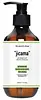 Key Ingredients
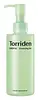
No key ingredients
Benefits
Concerns
Ingredients Side-by-side
Water
Skin ConditioningGlycerin
Humectant


Aloe Barbadensis Leaf Extract
Emollient

Cocamidopropyl Betaine
Cleansing



Panthenol
Skin Conditioning
Propylene Glycol
Humectant
Butylene Glycol
Humectant
Sodium Chloride
MaskingHydroxyethylcellulose
Emulsion StabilisingPhenoxyethanol
Preservative
Sodium Acetate
BufferingChamomilla Recutita Flower Extract
Masking
Ethylhexylglycerin
Skin ConditioningDioscorea Villosa Root Extract
Skin Conditioning
Cellulose
Absorbent
Hamamelis Virginiana Extract
Antiseborrhoeic
Water, Glycerin, Aloe Barbadensis Leaf Extract, Cocamidopropyl Betaine, Panthenol, Propylene Glycol, Butylene Glycol, Sodium Chloride, Hydroxyethylcellulose, Phenoxyethanol, Sodium Acetate, Chamomilla Recutita Flower Extract, Ethylhexylglycerin, Dioscorea Villosa Root Extract, Cellulose, Hamamelis Virginiana Extract
Water
Skin ConditioningGlycerin
Humectant
Sodium Cocoyl Alaninate
Surfactant
Lauryl Glucoside
CleansingLauryl Hydroxysultaine
CleansingCoco-Betaine
Cleansing
Disodium Cocoamphodiacetate
CleansingCentella Asiatica Extract
Cleansing

Madecassoside
Antioxidant
Asiaticoside
Antioxidant
Asiatic Acid
Skin Conditioning
Madecassic Acid
Skin Conditioning
Panthenol
Skin Conditioning
Capryloyl Salicylic Acid
Exfoliating



Ceramide NP
Skin Conditioning
Allantoin
Skin Conditioning
Hamamelis Virginiana Extract
Antiseborrhoeic
Althaea Rosea Flower Extract
Skin ConditioningNymphaea Caerulea Flower Extract
Skin ConditioningSwertia Japonica Extract
Skin ConditioningLactobacillus Ferment
Skin Conditioning
Glycine Soja Seed Extract
Skin Conditioning
Quillaja Saponaria Bark Extract
CleansingAloe Ferox Leaf Extract
Skin ConditioningButylene Glycol
Humectant
Pentylene Glycol
Skin Conditioning
Hexylene Glycol
EmulsifyingCoco-Glucoside
Cleansing
Sodium Chloride
MaskingSodium Cocoyl Isethionate
Cleansing
Caprylyl Glycol
Emollient
Caprylic/Capric Triglyceride
Masking
Octanediol
Acrylates/C10-30 Alkyl Acrylate Crosspolymer
Emulsion StabilisingHydrogenated Lecithin
Emulsifying
Melia Azadirachta Leaf Extract
Skin ConditioningMelia Azadirachta Flower Extract
Skin ConditioningDipotassium Glycyrrhizate
Humectant
Citric Acid
Buffering

1,2-Hexanediol
Skin Conditioning
Rosmarinus Officinalis Leaf Oil
Masking
Ethylhexylglycerin
Skin ConditioningWater, Glycerin, Sodium Cocoyl Alaninate, Lauryl Glucoside, Lauryl Hydroxysultaine, Coco-Betaine, Disodium Cocoamphodiacetate, Centella Asiatica Extract, Madecassoside, Asiaticoside, Asiatic Acid, Madecassic Acid, Panthenol, Capryloyl Salicylic Acid, Ceramide NP, Allantoin, Hamamelis Virginiana Extract, Althaea Rosea Flower Extract, Nymphaea Caerulea Flower Extract, Swertia Japonica Extract, Lactobacillus Ferment, Glycine Soja Seed Extract, Quillaja Saponaria Bark Extract, Aloe Ferox Leaf Extract, Butylene Glycol, Pentylene Glycol, Hexylene Glycol, Coco-Glucoside, Sodium Chloride, Sodium Cocoyl Isethionate, Caprylyl Glycol, Caprylic/Capric Triglyceride, Octanediol, Acrylates/C10-30 Alkyl Acrylate Crosspolymer, Hydrogenated Lecithin, Melia Azadirachta Leaf Extract, Melia Azadirachta Flower Extract, Dipotassium Glycyrrhizate, Citric Acid, 1,2-Hexanediol, Rosmarinus Officinalis Leaf Oil, Ethylhexylglycerin
Reviews
Ingredients Explained
These ingredients are found in both products.
Ingredients higher up in an ingredient list are typically present in a larger amount.
Butylene Glycol (or BG) is used within cosmetic products for a few different reasons:
Overall, Butylene Glycol is a safe and well-rounded ingredient that works well with other ingredients.
Though this ingredient works well with most skin types, some people with sensitive skin may experience a reaction such as allergic rashes, closed comedones, or itchiness.
Learn more about Butylene GlycolEthylhexylglycerin is created from glycerin. It is a multitasker ingredient that:
The CIR Expert Panel found minimal skin absorption or sensitization of any kind in a safety assessment. Though this ingredient is considered well-tolerated, a small number of cases of allergic dermatitis have been published since 2002. Just be sure to patch test if you are unsure.
Industry-reported use ranges from 8% in rinse-off products and 2% in leave-on formulations.
Learn more about EthylhexylglycerinGlycerin (or glycerol) is a compound naturally found in your skin. It's a powerhouse humectant that pulls water into the stratum corneum.
Topically, glycerin does several things at once:
Your skin makes glycerin on its own (mostly from sebaceous oil breakdown) and shuttles it to your outermost layer of skin, or your epidermis, via aquaporin-3.
Aquaporin-3 is a transporter that is essential for normal skin hydration, elasticity, and repair. Interestingly, mice lacking in AQP3 have dry and less elastic skin that can be fully corrected with glycerin.
This ingredient is non-irritating, plays well with almost every ingredient, and works across all skin types. Typical use is anywhere between 3-10% but can go up to 79% in some leave-on products.
Just know very high concentrations (>40%) can feel tacky in low humidity.
Glycerin is the name for this ingredient in American English. British English uses Glycerol/Glycerine.
Learn more about GlycerinHamamelis Virginiana Extract comes from the witch hazel plant.
Unless it is specified to be non-alcohol, many types of witch hazel ingredients are distilled in denatured alcohol.
Witch Hazel has astringent, anti-inflammatory, antioxidant, and antibacterial properties.
The tannin content of witch hazel constrict the appearance of pores by drying out proteins. Witch hazel water gets anti-inflammatory and antibacterial properties from its catechin and gallic acid content.
However, witch hazel may be skin-sensitizing due to the tannin and fragrance compounds.
North American Indigenous groups have used witch hazel to help treat inflammation for centuries.
Learn more about Hamamelis Virginiana ExtractPanthenol is a common ingredient that helps hydrate and soothe the skin. It is found naturally in our skin and hair.
There are two forms of panthenol: D and L.
D-panthenol is also known as dexpanthenol. Most cosmetics use dexpanthenol or a mixture of D and L-panthenol.
Panthenol is famous due to its ability to go deeper into the skin's layers. Using this ingredient has numerous pros (and no cons):
Like hyaluronic acid, panthenol is a humectant. Humectants are able to bind and hold large amounts of water to keep skin hydrated.
This ingredient works well for wound healing. It works by increasing tissue in the wound and helps close open wounds.
Once oxidized, panthenol converts to pantothenic acid. Panthothenic acid is found in all living cells.
This ingredient is also referred to as pro-vitamin B5.
Learn more about PanthenolChances are, you eat sodium chloride every day. Sodium Chloride is also known as table salt. This ingredient has many purposes in skincare: thickener, emulsifier, and exfoliator.
You'll most likely find this ingredient in cleansers where it is used to create a gel-like texture. As an emulsifier, it also prevents ingredients from separating.
You might see people debate whether Sodium Chloride is comedogenic, but there actually haven't been any comedogenic tests done on it. Either way, the overall formulation of a product matters a lot more than any single ingredient.
You might see this ingredient used in scrubs as a primary exfoliating ingredient.
Learn more about Sodium ChlorideWater. It's the most common cosmetic ingredient of all. You'll usually see it at the top of ingredient lists, meaning that it makes up the largest part of the product.
So why is it so popular? Water most often acts as a solvent - this means that it helps dissolve other ingredients into the formulation.
You'll also recognize water as that liquid we all need to stay alive. If you see this, drink a glass of water. Remember to stay hydrated!
Learn more about Water

