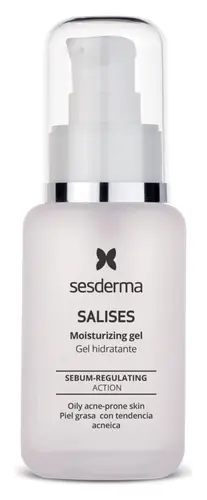
What's inside
What's inside
 Key Ingredients
Benefits
Concerns
Ingredients Side-by-side

Water
Skin ConditioningAlcohol Denat.
Antimicrobial




Propylene Glycol
Humectant
Niacinamide
Smoothing











Triethyl Citrate
Masking
Hydroxyethylcellulose
Emulsion StabilisingButylene Glycol
Humectant
Salicylic Acid
Masking

Epigallocatechin Gallate
Antioxidant
Pentaerythrityl Tetra-Di-T-Butyl Hydroxyhydrocinnamate
Antioxidant
Acetyl Dipeptide-1 Cetyl Ester
Skin Conditioning
Aesculus Hippocastanum Bark Extract
AstringentAlcohol
Antimicrobial
Aloe Barbadensis Leaf Juice
Skin Conditioning
Alpha-Isomethyl Ionone
Perfuming

Ammonium Glycyrrhizate
MaskingBiotin
AntiseborrhoeicBoswellia Serrata Gum
Masking
Butylparaben
Masking

Caffeine
Skin Conditioning
CI 17200
Cosmetic ColorantCitronellol
Perfuming
Dipropylene Glycol
HumectantDisodium EDTA
Ethylhexylglycerin
Skin ConditioningEthylparaben
Preservative
Faex Extract
Skin ConditioningGlycerin
Humectant
Hexyl Cinnamal
Perfuming
Laureth-3
EmulsifyingLeptospermum Scoparium Branch/Leaf Oil
Tonic
Limonene
Perfuming
Linalool
Perfuming
Melaleuca Alternifolia Leaf Oil
Antioxidant
Methylparaben
Preservative
Panthenol
Skin Conditioning
Parfum
Masking
PEG-40 Hydrogenated Castor Oil
Emulsifying
PEG/PPG-20/6 Dimethicone
Emulsifying
Phenoxyethanol
Preservative
Phosphatidylcholine
EmulsifyingPoloxamer 235
EmulsifyingPoloxamer 338
EmulsifyingPolysorbate 20
Emulsifying
Potassium Sorbate
Preservative
Propylparaben
Preservative
Sodium Benzoate
Masking
Sodium Cholate
Skin ConditioningSodium Hyaluronate
Humectant
Tocophersolan
Antioxidant
Trideceth-9
EmulsifyingTriethanolamine
BufferingTriisopropanolamine
BufferingZinc Gluconate
Skin Conditioning
Zinc PCA
Humectant
Water, Alcohol Denat., Propylene Glycol, Niacinamide, Triethyl Citrate, Hydroxyethylcellulose, Butylene Glycol, Salicylic Acid, Epigallocatechin Gallate, Pentaerythrityl Tetra-Di-T-Butyl Hydroxyhydrocinnamate, Acetyl Dipeptide-1 Cetyl Ester, Aesculus Hippocastanum Bark Extract, Alcohol, Aloe Barbadensis Leaf Juice, Alpha-Isomethyl Ionone, Ammonium Glycyrrhizate, Biotin, Boswellia Serrata Gum, Butylparaben, Caffeine, CI 17200, Citronellol, Dipropylene Glycol, Disodium EDTA, Ethylhexylglycerin, Ethylparaben, Faex Extract, Glycerin, Hexyl Cinnamal, Laureth-3, Leptospermum Scoparium Branch/Leaf Oil, Limonene, Linalool, Melaleuca Alternifolia Leaf Oil, Methylparaben, Panthenol, Parfum, PEG-40 Hydrogenated Castor Oil, PEG/PPG-20/6 Dimethicone, Phenoxyethanol, Phosphatidylcholine, Poloxamer 235, Poloxamer 338, Polysorbate 20, Potassium Sorbate, Propylparaben, Sodium Benzoate, Sodium Cholate, Sodium Hyaluronate, Tocophersolan, Trideceth-9, Triethanolamine, Triisopropanolamine, Zinc Gluconate, Zinc PCA
Reviews
Ingredients Explained
These ingredients are found in both products.
Ingredients higher up in an ingredient list are typically present in a larger amount.
Phenoxyethanol is a preservative that has germicide, antimicrobial, and aromatic properties. Studies show that phenoxyethanol can prevent microbial growth. By itself, it has a scent that is similar to that of a rose.
It's often used in formulations along with Caprylyl Glycol to preserve the shelf life of products.
Salicylic Acid (also known as beta hydroxy acid or BHA) is a well-known ingredient for treating skin that struggles with acne and clogged pores. It exfoliates both the skin's surface and deep within the pores to help clear out buildup, control oil, and reduce inflammation.
Unlike AHAs (alpha hydroxy acids), salicylic acid is oil-soluble. This allows it to penetrate into pores which makes it especially effective for treating blackheads and preventing future breakouts.
Salicylic acid is also known for its soothing properties. It has a similar structure to aspirin and can calm inflamed or irritated skin, making it a good option for acne-prone skin that is also sensitive.
Concentrations of 0.5-2% are recognized by the U.S. FDA as an over-the-counter topical acne product.
It can cause irritation and/or dryness if one's skin already has a compromised moisture barrier, so it's best to focus on repairing that before introducing this ingredient into your routine.
While salicylic acid does not increase sun sensitivity, it’s still important to wear sunscreen daily to protect your skin.
If you are looking for the ingredient called BHA or Butylated Hydroxyanisole, click here.
Learn more about Salicylic Acid