

What's inside
What's inside
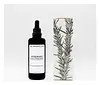 Key Ingredients
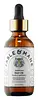
Benefits
Concerns
Ingredients Side-by-side
Ricinus Communis Seed Oil
Masking




Prunus Amygdalus Dulcis Oil
Skin Conditioning

Olea Europaea Fruit Oil
Masking
Cucurbita Pepo Seed Oil
Emollient
Cannabis Sativa Seed Oil
Emollient
Macadamia Ternifolia Seed Oil
Emollient
Persea Gratissima Oil
Skin Conditioning
Nigella Sativa Seed Oil
Emollient
Argania Spinosa Kernel Oil
Emollient



Simmondsia Chinensis Seed Oil
Emollient
Eclipta Prostrata Extract
Skin Conditioning
Bacopa Monnieri Leaf Extract
Skin ConditioningPhyllanthus Emblica Fruit Extract
HumectantOcimum Sanctum Leaf Extract
Skin ConditioningAzadirachta Indica Leaf Extract
Skin ConditioningSalix Alba Bark Extract
Astringent
Foeniculum Vulgare Fruit Extract
EmollientWithania Somnifera Root Extract
Skin Conditioning
Ficus Carica Fruit Extract
Humectant
Serenoa Serrulata Fruit Extract
Skin Conditioning
Trifolium Pratense Extract
Skin ConditioningUrtica Dioica Extract
AstringentCamellia Sinensis Leaf Extract
Antimicrobial




Rosmarinus Officinalis Leaf Extract
AntimicrobialVitis Vinifera Seed Extract
Antimicrobial
Arctium Lappa Root Extract
Skin Conditioning
Taraxacum Officinale Root Extract
Skin ConditioningEquisetum Arvense Extract
AstringentMentha Piperita Oil
Masking



Rosmarinus Officinalis Leaf Oil
Masking
Citrus Aurantium Dulcis Peel Oil
Masking
Essential Oils
Tocopherol
Antioxidant
Ricinus Communis Seed Oil, Prunus Amygdalus Dulcis Oil, Olea Europaea Fruit Oil, Cucurbita Pepo Seed Oil, Cannabis Sativa Seed Oil, Macadamia Ternifolia Seed Oil, Persea Gratissima Oil, Nigella Sativa Seed Oil, Argania Spinosa Kernel Oil, Simmondsia Chinensis Seed Oil, Eclipta Prostrata Extract, Bacopa Monnieri Leaf Extract, Phyllanthus Emblica Fruit Extract, Ocimum Sanctum Leaf Extract, Azadirachta Indica Leaf Extract, Salix Alba Bark Extract, Foeniculum Vulgare Fruit Extract, Withania Somnifera Root Extract, Ficus Carica Fruit Extract, Serenoa Serrulata Fruit Extract, Trifolium Pratense Extract, Urtica Dioica Extract, Camellia Sinensis Leaf Extract, Rosmarinus Officinalis Leaf Extract, Vitis Vinifera Seed Extract, Arctium Lappa Root Extract, Taraxacum Officinale Root Extract, Equisetum Arvense Extract, Mentha Piperita Oil, Rosmarinus Officinalis Leaf Oil, Citrus Aurantium Dulcis Peel Oil, Essential Oils, Tocopherol
Caprylic/Capric Triglyceride
Masking
Carthamus Tinctorius Seed Oil
Masking
Parfum
Masking
Sesamum Indicum Seed Oil
Emollient
Withania Somnifera Root Extract
Skin Conditioning
Phyllanthus Emblica Fruit Extract
HumectantBacopa Monnieri Leaf Extract
Skin ConditioningEclipta Prostrata Extract
Skin Conditioning
Simmondsia Chinensis Seed Oil
Emollient
Ricinus Communis Seed Oil
Masking
Pueraria Lobata Root Extract
HumectantTribulus Terrestris Root Extract
Skin ConditioningStereospermum Suaveolens Root Extract
Skin ConditioningSolanum Xanthocarpum Root Extract
MaskingSolanum Indicum Root Extract
Skin ConditioningPremna Serratifolia Root Extract
Skin ConditioningGlycyrrhiza Glabra Root Extract
Bleaching
Beta-Sitosterol
Emulsion Stabilising
Gmelina Arborea Root Extract
Skin ConditioningDesmodium Gangeticum Root Extract
Skin ConditioningAegle Marmelos Root Extract
Skin ConditioningSqualene
Emollient
Olea Europaea Fruit Oil
Masking
Vitis Vinifera Seed Oil
Emollient
Tocopherol
Antioxidant
Phenoxyethanol
Preservative
Benzyl Salicylate
Perfuming
Isoeugenol
Perfuming
Linalool
Perfuming
Caprylic/Capric Triglyceride, Carthamus Tinctorius Seed Oil, Parfum, Sesamum Indicum Seed Oil, Withania Somnifera Root Extract, Phyllanthus Emblica Fruit Extract, Bacopa Monnieri Leaf Extract, Eclipta Prostrata Extract, Simmondsia Chinensis Seed Oil, Ricinus Communis Seed Oil, Pueraria Lobata Root Extract, Tribulus Terrestris Root Extract, Stereospermum Suaveolens Root Extract, Solanum Xanthocarpum Root Extract, Solanum Indicum Root Extract, Premna Serratifolia Root Extract, Glycyrrhiza Glabra Root Extract, Beta-Sitosterol, Gmelina Arborea Root Extract, Desmodium Gangeticum Root Extract, Aegle Marmelos Root Extract, Squalene, Olea Europaea Fruit Oil, Vitis Vinifera Seed Oil, Tocopherol, Phenoxyethanol, Benzyl Salicylate, Isoeugenol, Linalool
Reviews
Ingredients Explained
These ingredients are found in both products.
Ingredients higher up in an ingredient list are typically present in a larger amount.
We don't have a description for Bacopa Monnieri Leaf Extract yet.
This ingredient is also known as Bhringaraj extract or False Daisy. It is a skin conditioning ingredient that keeps skin soft and hydrated.
Research shows it has antioxidant properties; lab studies have found it can protect skin cells from UV-induced damage and help suppress inflammation.
There's also some interesting research on its potential to support hair growth by promoting the growth phase of the hair cycle.
Those with an allergy to plants in the daisy family may want to patch test this ingredient. This ingredient is generally well-tolerated otherwise.
Learn more about Eclipta Prostrata ExtractThis ingredient is also known as olive oil. It has been used in skincare for centuries and science largely backs up its reputation as a nourishing emollient.
The main components of olive oil are oleic acid (55-83%), linoleic acid (3.5-20%), and palmitic acid (7-20%). Oleic acid promotes skin regeneration and helps regulate inflammatory responses.
Squalene is also naturally present in olive oil and exhibits moisturizing and antioxidant properties.
The polyphenols in olive oil also show anti-aging promise; one clinical study found a measurable improvement in skin appearance after 30 days of topical serum use.
Just be aware that applying olive oil directly to skin can weaken the barrier and cause redness. One study with volunteers found even people without sensitive skin experienced a significant reduction in stratum corneum integrity and induced mild erythema.
It's best to use this ingredient as part of a carefully crafted formula (instead of putting it on skin directly from the bottle).
Because it has a 0-2 on the comedogenic scale, it is low risk for acne-prone skin. Just remember the overall formulation of a product matters more than a few ingredients with comedogenic ratings.
This ingredient may not be fungal acne safe because of the oleic and palmitic acid content. These fall within the C11-24 fatty acid range that the Malassezia yeast can metabolize to grow.
Overall, olive oil is a well-studied and nourishing skincare ingredient.
Learn more about Olea Europaea Fruit OilThis ingredient is also known as Indian Gooseberry or Amla Berry. It is skin hydrating and antioxidant rich.
Indian gooseberry is rich in antioxidants such as polyphenols, tannins, and vitamin C compounds.
This ingredient is also known as castor oil. It is a skin conditioning ingredient.
The star component of castor oil is ricinoleic acid, an unusual fatty acid that makes up ~80-92% of its composition.
In skincare, it is an emollient that dries down to a solid film with water-binding properties. This helps keep skin hydrated and helps reduce transepidermal water loss (TEWL).
A 2026 dermatology review pulls together its broader uses:
Human clinical testing found this ingredient to be non-irritating and non-sensitizing.
Because castor oil contains fatty acids in the C11-24 range, this ingredient may not be fungal acne safe.
At this time, the literature does not support castor oil in regrowing hair. A 2022 systematic review found no strong evidence that it supports hair growth and only weak evidence that it improves hair shine.
Castor oil itself carries "perfuming" and "masking" function tags according to the official CosIng database. This is because of its mild odor and odor-dampening properties.
Learn more about Ricinus Communis Seed OilJojoba oil is one of the most well-studied plant-derived ingredients in cosmetics. It is an emollient with a special structure.
Because it is made up of 97-98% wax esters, it closely mirrors the linear monoesters found in human sebum. This makes it skin compatible, non-greasy, and lightweight.
Unlike other plant oils, jojoba wax doesn't easily penetrate skin. It mostly works in the uppermost layers as an emollient. This just means it forms a light barrier on the skin to help retain moisture.
Formulations with jojoba esters up to 90% reduced transepidermal water loss (TEWL) and increased barrier recovery by 81% (outperforming bisabolol at 47%).
Besides barrier support, the science also suggests jojoba to have anti-inflammatory effects and potential applications for skin infections, aging, and wound healing.
Fun fact: Indigenous cultures have used jojoba as a moisturizer and to help treat burns for centuries.
Fungal acne: The Malassezia yeast is known to metabolize fatty acids in the C11-24 range and jojoba's dominant fatty acid components fall into this range. This ingredient may not be fungal acne safe.
Learn more about Simmondsia Chinensis Seed OilTocopherol is a fat-soluble antioxidant known as Vitamin E.
You'll find this ingredient in the vast majority of skincare (for good reason). It works to neutralize free radicals, or unstable molecules generated by UV exposure, pollution, and other environmental stressors, before they can cause oxidative damage to your skin cells.
Topically applied tocopherol has been shown to protect against UV damage by ramping up the skin's own natural defense enzymes.
It also acts as a skin conditioning agent; some studies show that regular topical use can improve the skin's water-binding capacity over 2-4 weeks.
This ingredient is especially loved for being a team player. When combined with Vitamin C, the photoprotective effect of both ingredients roughly doubles and the combo also helps reduce UV-induced DNA damage.
This ingredient has some brightening potential but it's more of a prevention ingredient than spot-fader. Cell studies show it can slow down melanin production but it's worth noting that it's not the most powerful brightener out there.
In formulations, it also serves as a stabilizer that helps protect other oxidation-prone ingredients from degrading.
Concentrations usually range from 0.1-1% in most leave-on products.
Learn more about TocopherolWithania Somnifera Root Extract is also known as Ashwaganda extract. Ashwaganda is an evergreen shrub grown in India, the Middle East, and parts of Africa.
Ashwaganda contains many antioxidant compounds. Antioxidants may help with anti-aging as they neutralize free-radical molecules. These molecules may damage skin cells and DNA. By neutralizing them, antioxidants may help slow the signs of aging.
Other compounds found in ashwaganda include Vitamin C, caffeic acid, and ferulic acid. These three acids are antioxidants but also provide other skin benefits as well.
Ongoing studies show ashwaganda to prevent damage from UV-B radiation.
Ashwaganda root powder has traditionally been used in Indian medicine.
Learn more about Withania Somnifera Root Extract

