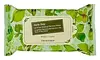
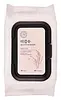
The Face Shop Herb Day Lip & Eye Makeup Remover Tissue Versus The Face Shop Rice Water Bright Cleansing Wipes
This micellar makeup remover is made to dissolve makeup, sunscreen, and daily buildup.
This cleansing wipe is made to dissolve makeup, sunscreen, and daily buildup.

What's inside
What's inside
 Key Ingredients
No key ingredients
Benefits
Concerns
Ingredients Side-by-side
Water
Skin ConditioningAlcohol Denat.
Antimicrobial




PEG-7 Glyceryl Cocoate
Emulsifying

Dipropylene Glycol
HumectantC12-14 Pareth-12
EmulsifyingEthoxydiglycol
HumectantButylene Glycol
Humectant

Methylparaben
Preservative


Phaseolus Radiatus Seed Extract
Skin ConditioningDisodium EDTA
ChelatingPhenoxyethanol
Preservative
Polyglutamic Acid
Skin Conditioning

Betula Platyphylla Japonica Bark Extract
Skin ConditioningRumex Crispus Root Extract
Skin ConditioningAesculus Hippocastanum Bark Extract
AstringentAlchemilla Vulgaris Extract
AstringentSalvia Officinalis Leaf Extract
CleansingSaponaria Officinalis Leaf Extract
AntimicrobialChamomilla Recutita Flower Extract
Masking
Borago Officinalis Extract
Emollient
Centaurea Cyanus Flower Extract
Astringent
Hedera Helix Leaf/Stem Extract
AntimicrobialOenothera Biennis Flower Extract
AstringentPortulaca Oleracea Extract
Skin Conditioning
Rosmarinus Officinalis Leaf Extract
AntimicrobialSalvia Officinalis Extract
Antimicrobial
Thymus Vulgaris Leaf Extract
Skin ProtectingParfum
Masking

Hydroxycitronellal
Perfuming
Water, Alcohol Denat., PEG-7 Glyceryl Cocoate, Dipropylene Glycol, C12-14 Pareth-12, Ethoxydiglycol, Butylene Glycol, Methylparaben, Phaseolus Radiatus Seed Extract, Disodium EDTA, Phenoxyethanol, Polyglutamic Acid, Betula Platyphylla Japonica Bark Extract, Rumex Crispus Root Extract, Aesculus Hippocastanum Bark Extract, Alchemilla Vulgaris Extract, Salvia Officinalis Leaf Extract, Saponaria Officinalis Leaf Extract, Chamomilla Recutita Flower Extract, Borago Officinalis Extract, Centaurea Cyanus Flower Extract, Hedera Helix Leaf/Stem Extract, Oenothera Biennis Flower Extract, Portulaca Oleracea Extract, Rosmarinus Officinalis Leaf Extract, Salvia Officinalis Extract, Thymus Vulgaris Leaf Extract, Parfum, Hydroxycitronellal
Water
Skin ConditioningDipropylene Glycol
HumectantTriethylhexanoin
MaskingAlcohol Denat.
Antimicrobial
PEG-7 Glyceryl Cocoate
Emulsifying
Polysorbate 60
Emulsifying
Diethoxyethyl Succinate
SolventOryza Sativa Extract
Absorbent

Oryza Sativa Bran Oil
Emollient
Aloe Barbadensis Leaf Extract
Emollient
Caprylyl Glycol
Emollient
C12-14 Pareth-12
EmulsifyingHexylene Glycol
EmulsifyingButylene Glycol
Humectant
1,2-Hexanediol
Skin Conditioning
Ethylhexylglycerin
Skin ConditioningCarbomer
Emulsion StabilisingPotassium Hydroxide
BufferingPhenoxyethanol
Preservative
Disodium EDTA
ChelatingParfum
Masking
Water, Dipropylene Glycol, Triethylhexanoin, Alcohol Denat., PEG-7 Glyceryl Cocoate, Polysorbate 60, Diethoxyethyl Succinate, Oryza Sativa Extract, Oryza Sativa Bran Oil, Aloe Barbadensis Leaf Extract, Caprylyl Glycol, C12-14 Pareth-12, Hexylene Glycol, Butylene Glycol, 1,2-Hexanediol, Ethylhexylglycerin, Carbomer, Potassium Hydroxide, Phenoxyethanol, Disodium EDTA, Parfum
Reviews
Ingredients Explained
These ingredients are found in both products.
Ingredients higher up in an ingredient list are typically present in a larger amount.
Alcohol Denat. is an alcohol with a denaturant property. It is created by mixing ethanol with other additives.
The "denat" part just means "denatured"; common denaturants include Denatonium Benzoate, t-butyl alcohol, and Diethyl Phthalate. This step makes the alcohol undrinkable (and lets brand skip taxes related to beverage alcohol).
This ingredient gets a bad rep because it is irritating and drying due to its astringent property. Astringents draw out natural oils in tissue to constrict pores and dry out your skin.
However, alcohol denat. is not all that bad.
Due to its low molecular weight, alcohol denat. tends to evaporate quickly. One study on pig skin found half of applied alcohol evaporated in 10 seconds and less than 3% stayed on skin.
This also helps other ingredients become better absorbed upon application.
Studies are conflicted about whether this ingredient causes skin dehydration. One study from 2005 found adding emollients to propanol-based sanitizer decreased skin dryness and irritation. Another study found irritation only occurs if your skin is already damaged.
Small amounts of alcohol are generally tolerated by oily skin or people who live in humid environments.
The rule of thumb is this ingredient will probably not affect your skin much if it is near the end of an ingredients list.
One thing to note:
People with ALDH2 (aldehyde dehydrogenase 2) deficiency may experience skin irritation from continued alcohol use. About 8% of the world's population have this deficiency.
The Cosmetic Ingredient Review Expert Panel has determined denatured alcohols to be safe for use in concentrations between 0.05% and 12% (depending on which denaturant is used).
Also...
This ingredient has antimicrobial and solvent properties.
The antimicrobial property helps preserve products and increase their shelf life. As a solvent, it helps dissolve other ingredients.
Look for formulas that contain glycerin, hyaluronic acid, or panthenol if you want to offset any drying effect.
This ingredient will trip away your skin's natural oils/lipids that help it lock in moisture. This can worsen dryness, trigger eczema flare-ups, and aggravate rosacea.
Be sure to patch test any product with this ingredient if you have dry or sensitive skin, eczema, or rosacea.
Learn more about Alcohol Denat.Butylene Glycol (or BG) is used within cosmetic products for a few different reasons:
Overall, Butylene Glycol is a safe and well-rounded ingredient that works well with other ingredients.
Though this ingredient works well with most skin types, some people with sensitive skin may experience a reaction such as allergic rashes, closed comedones, or itchiness.
Learn more about Butylene GlycolC12-14 Pareth-12 is created from a mixture of synthetic C12-14 alcohols that have about 12 moles of ethylene oxide.
It is an emulsifying and cleansing ingredient. Emulsifier help prevent ingredients from separating, such as oils and waters.
Dipropylene Glycol is a synthetically created humectant, stabilizer, and solvent.
This ingredient helps:
Dipropylene glycol is technically an alcohol, but it belongs to the glycol family (often considered part of the ‘good’ alcohols). This means it is hydrating and gentle on skin unlike drying solvent alcohols like denatured alcohol.
As a masking agent, Dipropylene Glycol can be used to cover the smell of other ingredients. However, it does not have a scent.
Studies show Dipropylene Glycol is considered safe to use in skincare.
Learn more about Dipropylene GlycolDisodium EDTA is a chelating agent. It grabs onto and deactivates metal ions that sneak into your products from water, packaging, or air.
This ingredient mainly works behind the scenes and helps with:
On top of that, this ingredient can counteract the effects of hard water by binding to the minerals in it.
One thing worth knowing is that Disodium EDTA has been shown to be a mild penetration enhancer. It can help other ingredients absorb into skin more effectively which can be a double-edged sword (great for actives, but can also make the active too strong if you have sensitive skin).
Clinical patch testing showed no significant skin irritation at typical use concentrations and minimal dermal absorption.
You'll most likely see this ingredient near the end of an ingredient list. It's typically found in concentrations less than 1%.
Learn more about Disodium EDTAParfum is a catch-all term for an ingredient or more that is used to give a scent to products.
Also called "fragrance", this ingredient can be a blend of hundreds of chemicals or plant oils. This means every product with "fragrance" or "parfum" in the ingredients list is a different mixture.
For instance, Habanolide is a proprietary trade name for a specific aroma chemical. When used as a fragrance ingredient in cosmetics, most aroma chemicals fall under the broad labeling category of “FRAGRANCE” or “PARFUM” according to EU and US regulations.
The term 'parfum' or 'fragrance' is not regulated in many countries. In many cases, it is up to the brand to define this term.
For instance, many brands choose to label themselves as "fragrance-free" because they are not using synthetic fragrances. However, their products may still contain ingredients such as essential oils that are considered a fragrance by INCI standards.
One example is Calendula flower extract. Calendula is an essential oil that still imparts a scent or 'fragrance'.
Depending on the blend, the ingredients in the mixture can cause allergies and sensitivities on the skin. Some ingredients that are known EU allergens include linalool and citronellol.
Parfum can also be used to mask or cover an unpleasant scent.
The bottom line is: not all fragrances/parfum/ingredients are created equally. If you are worried about fragrances, we recommend taking a closer look at an ingredient. And of course, we always recommend speaking with a professional.
Learn more about ParfumPEG-7 Glyceryl Cocoate is a synthetic, water-soluble surfactant and emulsifier.
It's a "superfatting" agent that helps replenish some of your skin's oils after they're stripped away by other surfactants.
This is why "gentle" and "moisturizing" cleansers feel less stripping than basic ones.
Typical concentrations range from 1-10% and it has a solid safety record. The CIR Expert Panel has concluded this ingredient to be safe at concentrations up to 10% in leave-on products.
Dermal application tests at 50% also did not produce irritation in two studies.
This ingredient may not be fungal acne safe and in vitro studies have shown Malassezia can metabolize it.
Learn more about PEG-7 Glyceryl CocoatePhenoxyethanol is one of the most widely used preservatives in skincare (and for good reason!).
It has a large spectrum of antimicrobial activity and especially effective bacteria, yeast, and mold while only having a weak effect on your skin's natural microbiome.
On a cellular level, it disrupts the cell membranes of microbes by poking holes that make the cell leak. This shuts down the chemical reactions the microbe needs to make energy so it can no longer survive.
Another perk of this ingredient is that it stays functional across a wide pH range (3-10).
You'll often see it paired with boosters like Ethylhexylglycerin; one study showed that a 1:9 ratio of Ethylhexylglycerin to Phenoxyethanol damages bacterial membranes as effectively as doubling the Phenoxyethanol concentration on its own.
Typical use concentrations range from 0.3-1% depending on the formula, and this ingredient is capped at 1% int the EU.
Safety-wise, the fear mongering does not hold up to the evidence. The EU's Scientific Committee on Consumer Safety and FDA consider it safe as a preservative at up to 1%, including for children of all ages.
Adverse systemic effects only showed up in animal studies at exposures roughly 200x higher than what people get from cosmetics. And despite its very widespread use, this ingredient is a rare sensitizer and allergic reactions are uncommon.
Learn more about PhenoxyethanolWater. It's the most common cosmetic ingredient of all. You'll usually see it at the top of ingredient lists, meaning that it makes up the largest part of the product.
So why is it so popular? Water most often acts as a solvent - this means that it helps dissolve other ingredients into the formulation.
You'll also recognize water as that liquid we all need to stay alive. If you see this, drink a glass of water. Remember to stay hydrated!
Learn more about Water

