The Body Shop Edelweiss Daily Serum Concentrate Versus Estée Lauder Advanced Night Repair Intense Reset Concentrate
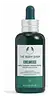
This smoothing serum is formulated around Salicylic Acid and Adenosine to refine skin texture and soften the look of wrinkles.
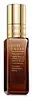
This calming serum is formulated around Lactobacillus Ferment and Resveratrol to calm redness and strengthen the skin barrier.


What's inside
What's inside
 Key Ingredients
Benefits
Concerns
Ingredients Side-by-side
Water
Skin ConditioningGlycerin
Humectant


Propanediol
Solvent
Alcohol Denat.
Antimicrobial




Sodium Hyaluronate
Humectant


Benzyl Alcohol
Perfuming



Xanthan Gum
EmulsifyingSalicylic Acid
Masking





Fagus Sylvatica Bud Extract
TonicSodium Hydroxide
BufferingParfum
Masking
Adenosine
Skin Conditioning
Leontopodium Alpinum Flower/Leaf Extract
Skin ConditioningLinalool
Perfuming
Citronellol
Perfuming
Moringa Oleifera Seed Oil
Emollient


Malva Sylvestris Flower/Leaf/Stem Extract
Skin ConditioningPentylene Glycol
Skin Conditioning
Hydrolyzed Rice Protein
Skin ConditioningBuddleja Officinalis Flower Extract
UV FilterBenzoic Acid
Masking
Citric Acid
Buffering
Potassium Sorbate
Preservative
Sodium Benzoate
Masking
Sorbic Acid
Preservative
Limonene
Perfuming
Leontopodium Alpinum Callus Culture Extract
Antioxidant
Water, Glycerin, Propanediol, Alcohol Denat., Sodium Hyaluronate, Benzyl Alcohol, Xanthan Gum, Salicylic Acid, Fagus Sylvatica Bud Extract, Sodium Hydroxide, Parfum, Adenosine, Leontopodium Alpinum Flower/Leaf Extract, Linalool, Citronellol, Moringa Oleifera Seed Oil, Malva Sylvestris Flower/Leaf/Stem Extract, Pentylene Glycol, Hydrolyzed Rice Protein, Buddleja Officinalis Flower Extract, Benzoic Acid, Citric Acid, Potassium Sorbate, Sodium Benzoate, Sorbic Acid, Limonene, Leontopodium Alpinum Callus Culture Extract
Water
Skin ConditioningDimethicone
Emollient
Glycerin
Humectant
Methyl Trimethicone
Skin Conditioning
Bis-PEG-18 Methyl Ether Dimethyl Silane
EmollientButylene Glycol
Humectant
Isopropyl Isostearate
Emollient
PPG-15 Stearyl Ether
EmollientPEG-10 Dimethicone
Skin Conditioning
Faex Extract
Skin ConditioningTripeptide-32
Skin Conditioning
Sodium Hyaluronate Crosspolymer
Humectant
Sodium Hyaluronate
Humectant
Hydrolyzed Sodium Hyaluronate
Skin Conditioning
Hydrolyzed Algin
Lactobacillus Ferment
Skin Conditioning
Adansonia Digitata Seed Extract
Skin ConditioningSoy Amino Acids
Skin ConditioningAminopropyl Ascorbyl Phosphate
Antioxidant
Resveratrol
Antioxidant
Algae Extract
Emollient
Salicylic Acid
Masking
Ergothioneine
Antioxidant
Tocopheryl Acetate
Antioxidant
Whey Protein
Skin ConditioningAvena Sativa Kernel Extract
Abrasive
Citrullus Lanatus Fruit Extract
Skin Conditioning
Laminaria Digitata Extract
Skin Protecting
Lens Esculenta Fruit Extract
Skin ConditioningPyrus Malus Fruit Extract
Skin Conditioning
Caffeine
Skin Conditioning
Sodium PCA
Humectant
Propylene Glycol Caprylate
Skin ConditioningTriticum Vulgare Germ Extract
Skin ConditioningLavandula Angustifolia Oil
Masking
Hordeum Vulgare Extract
EmollientAnthemis Nobilis Flower Extract
Masking
Isohexadecane
EmollientPolysilicone-11
Methyldihydrojasmonate
MaskingSodium Lactate
Buffering
Disteardimonium Hectorite
StabilisingIsododecane
EmollientPolyacrylate Crosspolymer-6
Emulsion StabilisingSqualane
Emollient
Polyethylene
Abrasive
Propylene Carbonate
SolventPentylene Glycol
Skin Conditioning
Disodium EDTA
ChelatingBHT
Antioxidant
Potassium Sorbate
Preservative
Sodium Benzoate
Masking
Phenoxyethanol
Preservative
Linalool
Perfuming
CI 14700
Cosmetic ColorantCI 19140
Cosmetic ColorantWater, Dimethicone, Glycerin, Methyl Trimethicone, Bis-PEG-18 Methyl Ether Dimethyl Silane, Butylene Glycol, Isopropyl Isostearate, PPG-15 Stearyl Ether, PEG-10 Dimethicone, Faex Extract, Tripeptide-32, Sodium Hyaluronate Crosspolymer, Sodium Hyaluronate, Hydrolyzed Sodium Hyaluronate, Hydrolyzed Algin, Lactobacillus Ferment, Adansonia Digitata Seed Extract, Soy Amino Acids, Aminopropyl Ascorbyl Phosphate, Resveratrol, Algae Extract, Salicylic Acid, Ergothioneine, Tocopheryl Acetate, Whey Protein, Avena Sativa Kernel Extract, Citrullus Lanatus Fruit Extract, Laminaria Digitata Extract, Lens Esculenta Fruit Extract, Pyrus Malus Fruit Extract, Caffeine, Sodium PCA, Propylene Glycol Caprylate, Triticum Vulgare Germ Extract, Lavandula Angustifolia Oil, Hordeum Vulgare Extract, Anthemis Nobilis Flower Extract, Isohexadecane, Polysilicone-11, Methyldihydrojasmonate, Sodium Lactate, Disteardimonium Hectorite, Isododecane, Polyacrylate Crosspolymer-6, Squalane, Polyethylene, Propylene Carbonate, Pentylene Glycol, Disodium EDTA, BHT, Potassium Sorbate, Sodium Benzoate, Phenoxyethanol, Linalool, CI 14700, CI 19140
Reviews
Ingredients Explained
These ingredients are found in both products.
Ingredients higher up in an ingredient list are typically present in a larger amount.
Glycerin (or glycerol) is a compound naturally found in your skin. It's a powerhouse humectant that pulls water into the stratum corneum.
Topically, glycerin does several things at once:
Your skin makes glycerin on its own (mostly from sebaceous oil breakdown) and shuttles it to your outermost layer of skin, or your epidermis, via aquaporin-3.
Aquaporin-3 is a transporter that is essential for normal skin hydration, elasticity, and repair. Interestingly, mice lacking in AQP3 have dry and less elastic skin that can be fully corrected with glycerin.
This ingredient is non-irritating, plays well with almost every ingredient, and works across all skin types. Typical use is anywhere between 3-10% but can go up to 79% in some leave-on products.
Just know very high concentrations (>40%) can feel tacky in low humidity.
Glycerin is the name for this ingredient in American English. British English uses Glycerol/Glycerine.
Learn more about GlycerinLinalool is a small, naturally occurring scent molecule found in plants like lavender, coriander, bergamot, and more.
It is one of the two most-used fragrance ingredients in cosmetics and added purely for smell. Since it's not used for a skin benefit, there's no "effective dose". Concentration depends on the fragrance load of the product.
The EU requires it to be named on the label above 0.001% in leave-on and 0.01% in rinse-off products.
Fresh linalool is a weak sensitizer but air exposure turns some of it into hydroperoxides, which are strong sensitizers. Those oxidation products are the actual allergy concern.
Patch-test clinics see positive reactions to linalool hydroperoxides in about 4% to 12% of dermatitis patients depending on country and test concentration.
Resassuringly, one analytical study found hydroperoxide levels in real fragranced products to be orders of magnitude below what induced sensitization in animal studies with no evidence of oxidation building up during normal storage.
The practical takeaway is that linalool is fine for most people but worth avoiding if you have a confirmed fragrance contact allergy or a badly compromised barrier.
Products stored a long time after opening are also the high-risk scenario since that is when oxidation happens.
The scent of linalool is described as floral, spicy tropical, and citrus-like.
Learn more about LinaloolPentylene Glycol (1,2-pentanediol) is a multitasking little diol with three main roles in a formula:
Research on alkanediols (the family pentylene glycol belongs to) show they work by disrupting microbial cell membranes. This disruption helps the primary preservative system in a product work more effectively at lower doses.
On the safety side, the Cosmetic Ingredient Review Expert Panel has concluded this ingredient to be safe as used in current cosmetic practices + concentrations.
Typical use levels in a formula run about 1-5%.
Learn more about Pentylene GlycolPotassium Sorbate is a preservative used to prevent yeast and mold in products. It is commonly found in both cosmetic and food products.
This ingredient comes from potassium salt derived from sorbic acid. Sorbic acid is a natural antibiotic and effective against fungus.
Both potassium sorbate and sorbic acid can be found in baked goods, cheeses, dried meats, dried fruit, ice cream, pickles, wine, yogurt, and more.
You'll often find this ingredient used with other preservatives.
Learn more about Potassium SorbateSalicylic Acid (also known as beta hydroxy acid or BHA) is a well-known ingredient for treating skin that struggles with acne and clogged pores. It exfoliates both the skin's surface and deep within the pores to help clear out buildup, control oil, and reduce inflammation.
Unlike AHAs (alpha hydroxy acids), salicylic acid is oil-soluble. This allows it to penetrate into pores which makes it especially effective for treating blackheads and preventing future breakouts.
Salicylic acid is also known for its soothing properties. It has a similar structure to aspirin and can calm inflamed or irritated skin, making it a good option for acne-prone skin that is also sensitive.
Concentrations of 0.5-2% are recognized by the U.S. FDA as an over-the-counter topical acne product.
It can cause irritation and/or dryness if one's skin already has a compromised moisture barrier, so it's best to focus on repairing that before introducing this ingredient into your routine.
While salicylic acid does not increase sun sensitivity, it’s still important to wear sunscreen daily to protect your skin.
If you are looking for the ingredient called BHA or Butylated Hydroxyanisole, click here.
Learn more about Salicylic AcidSodium Benzoate is a preservative. It's used in both cosmetic and food products to inhibit the growth of mold and bacteria. It is typically produced synthetically.
Both the US FDA and EU Health Committee have approved the use of sodium benzoate. In the US, levels of 0.1% (of the total product) are allowed.
Sodium benzoate works as a preservative by inhibiting the growth of bacteria inside of cells. It prevents the cell from fermenting a type of sugar using an enzyme called phosphofructokinase.
It is the salt of benzoic acid. Foods containing sodium benzoate include soda, salad dressings, condiments, fruit juices, wines, and snack foods.
Studies for using ascorbic acid and sodium benzoate in cosmetics are lacking, especially in skincare routines with multiple steps.
We always recommend speaking with a professional, such as a dermatologist, if you have any concerns.
Learn more about Sodium BenzoateSodium Hyaluronate is the salt form of hyaluronic acid. It is a long sugar chain that is naturally found in your skin, joints, and connective tissue that maintains hydration and elasticity.
In skincare, it works as a humectant. It pulls water from the environment and deeper layers of skin and binds it to the surface.
Interestingly, the size of the molecule affects its behavior:
Some clinical evidence links low molecular weight versions to improved wrinkle depth, elasticity, anti-inflammatory effects, and barrier repair.
Many serums use a blend of both weights so you can get surface hydration plus longer-lasting and deeper effects.
You'll typically see concentrations between 0.1-2% for this ingredient.
Learn more about Sodium HyaluronateWater. It's the most common cosmetic ingredient of all. You'll usually see it at the top of ingredient lists, meaning that it makes up the largest part of the product.
So why is it so popular? Water most often acts as a solvent - this means that it helps dissolve other ingredients into the formulation.
You'll also recognize water as that liquid we all need to stay alive. If you see this, drink a glass of water. Remember to stay hydrated!
Learn more about Water

