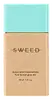
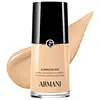
Sweed Beauty Glass Skin Foundation Versus Armani Beauty Luminous Silk Perfect Natural Glow Foundation


What's inside
What's inside
 Key Ingredients
Benefits
Concerns
Ingredients Side-by-side
Water
Skin ConditioningDimethicone
Emollient

Isododecane
EmollientCetyl PEG/PPG-10/1 Dimethicone
Emulsifying
Phenyl Trimethicone
Skin Conditioning
Propanediol
Solvent

Isoamyl Laurate
Emollient

Polyglyceryl-2 Dipolyhydroxystearate
Skin Conditioning
Polyglyceryl-3 Diisostearate
Emulsifying


Disteardimonium Hectorite
StabilisingBoron Nitride
Absorbent
Trimethylsiloxysilicate
Emollient
Caprylyl Glycol
Emollient
1,2-Hexanediol
Skin Conditioning
Sodium Chloride
MaskingSodium Dehydroacetate
Preservative
Triethoxycaprylylsilane
Aluminum Hydroxide
EmollientDimethicone/Vinyl Dimethicone Crosspolymer
Skin Conditioning
Tocopheryl Acetate
Antioxidant


Sodium Phytate
ChelatingParfum
Masking


Maris Aqua
HumectantHydrolyzed Algin
Phenethyl Alcohol
MaskingSucrose
Humectant
CI 77891
Cosmetic ColorantCI 77499
Cosmetic ColorantCI 77492
Cosmetic ColorantCI 77491
Cosmetic ColorantWater, Dimethicone, Isododecane, Cetyl PEG/PPG-10/1 Dimethicone, Phenyl Trimethicone, Propanediol, Isoamyl Laurate, Polyglyceryl-2 Dipolyhydroxystearate, Polyglyceryl-3 Diisostearate, Disteardimonium Hectorite, Boron Nitride, Trimethylsiloxysilicate, Caprylyl Glycol, 1,2-Hexanediol, Sodium Chloride, Sodium Dehydroacetate, Triethoxycaprylylsilane, Aluminum Hydroxide, Dimethicone/Vinyl Dimethicone Crosspolymer, Tocopheryl Acetate, Sodium Phytate, Parfum, Maris Aqua, Hydrolyzed Algin, Phenethyl Alcohol, Sucrose, CI 77891, CI 77499, CI 77492, CI 77491
Water
Skin ConditioningDimethicone
Emollient
C15-19 Alkane
SolventIsododecane
EmollientGlycerin
Humectant
Sorbitol
Humectant
Alcohol Denat.
Antimicrobial

Cetyl PEG/PPG-10/1 Dimethicone
Emulsifying
Polyglyceryl-4 Isostearate
Emulsifying
Aluminum Starch Octenylsuccinate
Absorbent
Synthetic Fluorphlogopite
Disteardimonium Hectorite
StabilisingPhenoxyethanol
Preservative
Magnesium Sulfate
Cellulose Gum
Emulsion StabilisingDimethiconol
Emollient
Silica Silylate
Emollient
Disodium Stearoyl Glutamate
CleansingCaprylyl Glycol
Emollient
Propylene Carbonate
SolventParfum
Masking
PEG/PPG-18/18 Dimethicone
Emulsifying
Trihydroxystearin
Skin Conditioning
Niacinamide
Smoothing







Aluminum Hydroxide
EmollientHydrolyzed Lupine Protein
Skin ConditioningAcetylated Glycol Stearate
Emollient
Silica
Abrasive
Benzyl Salicylate
Perfuming
Hexyl Cinnamal
Perfuming
Kaolin
Abrasive
Benzyl Alcohol
Perfuming
Pancratium Maritimum Extract
BleachingLimonene
Perfuming
Sodium Benzoate
Masking
Linalool
Perfuming
Pentaerythrityl Tetra-Di-T-Butyl Hydroxyhydrocinnamate
Antioxidant
Tocopherol
Antioxidant
CI 77891
Cosmetic ColorantCI 77491
Cosmetic ColorantCI 77492
Cosmetic ColorantCI 77499
Cosmetic ColorantCI 77007
Cosmetic ColorantCI 77288
Cosmetic ColorantWater, Dimethicone, C15-19 Alkane, Isododecane, Glycerin, Sorbitol, Alcohol Denat., Cetyl PEG/PPG-10/1 Dimethicone, Polyglyceryl-4 Isostearate, Aluminum Starch Octenylsuccinate, Synthetic Fluorphlogopite, Disteardimonium Hectorite, Phenoxyethanol, Magnesium Sulfate, Cellulose Gum, Dimethiconol, Silica Silylate, Disodium Stearoyl Glutamate, Caprylyl Glycol, Propylene Carbonate, Parfum, PEG/PPG-18/18 Dimethicone, Trihydroxystearin, Niacinamide, Aluminum Hydroxide, Hydrolyzed Lupine Protein, Acetylated Glycol Stearate, Silica, Benzyl Salicylate, Hexyl Cinnamal, Kaolin, Benzyl Alcohol, Pancratium Maritimum Extract, Limonene, Sodium Benzoate, Linalool, Pentaerythrityl Tetra-Di-T-Butyl Hydroxyhydrocinnamate, Tocopherol, CI 77891, CI 77491, CI 77492, CI 77499, CI 77007, CI 77288
Ingredients Explained
These ingredients are found in both products.
Ingredients higher up in an ingredient list are typically present in a larger amount.
Aluminum Hydroxide is a form of aluminum. It can be naturally found in nature as the mineral gibbsite. In cosmetics, Aluminum Hydroxide is used as a colorant, pH adjuster, and absorbent.
As a colorant, Aluminum Hydroxide may add opacity, or reduce the transparency. Aluminum hydroxide is contains both basic and acidic properties.
According to manufacturers, this ingredient is an emollient and humectant. This means it helps hydrate the skin.
In medicine, this ingredient is used to help relieve heartburn and help heal ulcers.
There is currently no credible scientific evidence linking aluminum hydroxide in cosmetics to increased cancer risk.
Major health organizations allow the use of aluminum hydroxide in personal care products and have not flagged it as a carcinogenic risk at typical usage levels.
Learn more about Aluminum HydroxideCaprylyl Glycol is a humectant, skin conditioner, emollient, and preservative booster derived from either caprylic acid or synthetically created.
Typical use levels vary from 0.3-1% as a preservative booster and go up to 2% to condition skin.
Because it is not a free-fatty acid, this ingredient is fungal acne safe (there's nothing for Malassezia to feed on).
Learn more about Caprylyl GlycolThis ingredient is a silicone-based emulsifer that helps the water and oil phases play nicely together.
It's pretty effective because one end of the molecule loves oil and the other one loves water.
Besides holding formulas together, it also leaves a silky and lightweight feel on skin without the greasiness. A manufacturer also claims it can help with the controlled release of active ingredients.
The CIR Expert Panel found this ingredient to not be sensitizing in concentrations up to 15% in human maximazation testing and dimethicone-based compounds were not comedogenic.
It has a high molecular weight well above 1,000 g/mol which means it limits meaningful skin penetration.
A 2019 study specifically tested this ingredient and found no observable Malassezia growth in its presence.
Learn more about Cetyl PEG/PPG-10/1 DimethiconeCi 77491 is also hydrated iron III oxide. It's sole purpose is to give a red/pink hue to products.
Iron III oxides are classified as inorganic chemicals for coloring.
Synthetically created Ci 77491 is considered safer than those naturally found. This is because the synthetically created version may contain less impurities. Iron oxides are generally non-toxic and non-allergenic.
Learn more about CI 77491CI 77492 is also hydrated iron III oxide. It's sole purpose is to give a yellow hue to products.
Iron III oxides are classified as inorganic chemicals for coloring.
Synthetically created CI 77492 is considered safer than those naturally found. This is because the synthetically created version may contain less impurities. Iron oxides are generally non-toxic and non-allergenic.
Learn more about CI 77492Ci 77499 is also hydrated iron III oxide. It is created from mixing red and black iron oxides. This helps give shades of darkness to a product.
Iron III oxides are classified as inorganic chemicals for coloring.
Ci 77891 is a white pigment from Titanium dioxide. It is naturally found in minerals such as rutile and ilmenite.
It's main function is to add a white color to cosmetics. It can also be mixed with other colors to create different shades.
Ci 77891 is commonly found in sunscreens due to its ability to block UV rays.
Learn more about CI 77891Dimethicone is a type of synthetic silicone created from natural materials such as quartz. It is also known as polydimethylsiloxane.
What it does:
Dimethicone comes in different viscosities:
Depending on the viscosity, dimethicone has different properties.
Ingredients lists don't always show which type is used, so we recommend reaching out to the brand if you have questions about the viscosity.
This ingredient is unlikely to cause irritation because it does not get absorbed into skin. However, people with silicone allergies should be careful about using this ingredient.
Note: Dimethicone may contribute to pilling. This is because it is not oil or water soluble, so pilling may occur when layered with products. When mixed with heavy oils in a formula, the outcome is also quite greasy.
Learn more about DimethiconeDisteardimonium Hectorite comes from the clay mineral named hectorite. It is used to add thickness to a product.
It can also help stabilize a product by helping to disperse other ingredients.
Hectorite is a rare, white clay mineral.
Learn more about Disteardimonium HectoriteIsododecane is a fragrance, emollient, and solvent.
As an emollient, it helps your skin stay soft and hydrated. Emollients help trap moisture into your skin.
Isododecane's role as a solvent makes it a great texture enhancer. It spreads smoothly on skin and does not leave a sticky feeling behind. Isododecane also helps prevent color transfer in makeup products.
Isododecane is not absorbed into skin.
The chemical name for this ingredient is 2,2,4,6,6-PENTAMETHYLHEPTANE.
Learn more about IsododecaneParfum is a catch-all term for an ingredient or more that is used to give a scent to products.
Also called "fragrance", this ingredient can be a blend of hundreds of chemicals or plant oils. This means every product with "fragrance" or "parfum" in the ingredients list is a different mixture.
For instance, Habanolide is a proprietary trade name for a specific aroma chemical. When used as a fragrance ingredient in cosmetics, most aroma chemicals fall under the broad labeling category of “FRAGRANCE” or “PARFUM” according to EU and US regulations.
The term 'parfum' or 'fragrance' is not regulated in many countries. In many cases, it is up to the brand to define this term.
For instance, many brands choose to label themselves as "fragrance-free" because they are not using synthetic fragrances. However, their products may still contain ingredients such as essential oils that are considered a fragrance by INCI standards.
One example is Calendula flower extract. Calendula is an essential oil that still imparts a scent or 'fragrance'.
Depending on the blend, the ingredients in the mixture can cause allergies and sensitivities on the skin. Some ingredients that are known EU allergens include linalool and citronellol.
Parfum can also be used to mask or cover an unpleasant scent.
The bottom line is: not all fragrances/parfum/ingredients are created equally. If you are worried about fragrances, we recommend taking a closer look at an ingredient. And of course, we always recommend speaking with a professional.
Learn more about ParfumWater. It's the most common cosmetic ingredient of all. You'll usually see it at the top of ingredient lists, meaning that it makes up the largest part of the product.
So why is it so popular? Water most often acts as a solvent - this means that it helps dissolve other ingredients into the formulation.
You'll also recognize water as that liquid we all need to stay alive. If you see this, drink a glass of water. Remember to stay hydrated!
Learn more about Water

