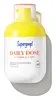
This chemical sunscreen covers most of the UV range, lighter on the deep UVA that drives aging.
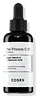
This brightening serum is formulated around Ascorbic Acid and 3-O-Ethyl Ascorbic Acid to brighten dull-looking skin and fade the look of dark spots.


What's inside
What's inside
 Key Ingredients
Benefits
Concerns
Ingredients Side-by-side
Butyl Methoxydibenzoylmethane 3%
UV Absorber
Homosalate 9%
Skin Conditioning
Ethylhexyl Salicylate 5%
UV Absorber
Octocrylene 6%
UV Absorber

Water
Skin Conditioning3-O-Ethyl Ascorbic Acid
Skin Conditioning





C13-15 Alkane
SolventGlycerin
Humectant

Polyglyceryl-6 Polyricinoleate
Emulsifying

Polyglyceryl-6 Polyhydroxystearate
Emulsifying
Octyldodecyl Citrate Crosspolymer
HumectantNiacinamide
Smoothing





Phenethyl Benzoate
Emollient

Polyester-25
Skin Protecting
Silica
Abrasive
Terminalia Ferdinandiana Fruit Extract
Antioxidant
Rosa Centifolia Flower Extract
Astringent
Jasminum Officinale Flower Extract
Masking
Bellis Perennis Flower Extract
Skin ConditioningHydrolyzed Sodium Hyaluronate
Skin Conditioning
Sodium Hyaluronate
Humectant
Pseudoalteromonas Ferment Extract
Humectant
Glyceryl Caprylate
EmollientDisteardimonium Hectorite
StabilisingXanthan Gum
EmulsifyingPolyglyceryl-2 Isostearate
Emulsifying
Magnesium Sulfate
Sodium Chloride
MaskingCitric Acid
Buffering
Trisodium Ethylenediamine Disuccinate
Sodium Citrate
BufferingPentylene Glycol
Skin Conditioning
Propanediol
Solvent
Caprylyl Glycol
Emollient
Ethylhexylglycerin
Skin ConditioningChlorphenesin
Antimicrobial
Butyl Methoxydibenzoylmethane 3%, Homosalate 9%, Ethylhexyl Salicylate 5%, Octocrylene 6%, Water, 3-O-Ethyl Ascorbic Acid, C13-15 Alkane, Glycerin, Polyglyceryl-6 Polyricinoleate, Polyglyceryl-6 Polyhydroxystearate, Octyldodecyl Citrate Crosspolymer, Niacinamide, Phenethyl Benzoate, Polyester-25, Silica, Terminalia Ferdinandiana Fruit Extract, Rosa Centifolia Flower Extract, Jasminum Officinale Flower Extract, Bellis Perennis Flower Extract, Hydrolyzed Sodium Hyaluronate, Sodium Hyaluronate, Pseudoalteromonas Ferment Extract, Glyceryl Caprylate, Disteardimonium Hectorite, Xanthan Gum, Polyglyceryl-2 Isostearate, Magnesium Sulfate, Sodium Chloride, Citric Acid, Trisodium Ethylenediamine Disuccinate, Sodium Citrate, Pentylene Glycol, Propanediol, Caprylyl Glycol, Ethylhexylglycerin, Chlorphenesin
Water
Skin ConditioningAscorbic Acid 23%
Antioxidant
Propanediol
Solvent
Dimethicone
Emollient
Tromethamine
BufferingPanthenol
Skin Conditioning
3-O-Ethyl Ascorbic Acid
Skin Conditioning
Squalane
Emollient
Caffeine
Skin Conditioning
Sodium Chloride
MaskingSodium Hyaluronate
Humectant
Sodium Sulfite
Preservative
Disodium EDTA
Glutathione
Adenosine
Skin Conditioning
Acetyl Glucosamine
Skin Conditioning
Gardenia Florida Fruit Extract
Skin ConditioningAllantoin
Skin Conditioning
Dextrin
AbsorbentTocotrienols
Skin Conditioning
Tocopherol
Antioxidant
Elaeis Guineensis Oil
Emollient
Butylene Glycol
Humectant
Arginine
Masking
Niacinamide
Smoothing
Pentylene Glycol
Skin Conditioning
Alcohol Denat.
Antimicrobial

Helianthus Annuus Seed Oil
Emollient
Glycyrrhiza Glabra Root Extract
Bleaching
Methyl Trimethicone
Skin Conditioning
Carthamus Tinctorius Seed Oil
Masking
Camellia Japonica Seed Oil
Emollient
Daucus Carota Sativa Root Extract
Skin Conditioning
Beta-Carotene
Skin ConditioningWater, Ascorbic Acid 23%, Propanediol, Dimethicone, Tromethamine, Panthenol, 3-O-Ethyl Ascorbic Acid, Squalane, Caffeine, Sodium Chloride, Sodium Hyaluronate, Sodium Sulfite, Disodium EDTA, Glutathione, Adenosine, Acetyl Glucosamine, Gardenia Florida Fruit Extract, Allantoin, Dextrin, Tocotrienols, Tocopherol, Elaeis Guineensis Oil, Butylene Glycol, Arginine, Niacinamide, Pentylene Glycol, Alcohol Denat., Helianthus Annuus Seed Oil, Glycyrrhiza Glabra Root Extract, Methyl Trimethicone, Carthamus Tinctorius Seed Oil, Camellia Japonica Seed Oil, Daucus Carota Sativa Root Extract, Beta-Carotene
Reviews
Ingredients Explained
These ingredients are found in both products.
Ingredients higher up in an ingredient list are typically present in a larger amount.
3-O-Ethyl Ascorbic Acid is one of the most popular "stable" vitamin C derivatives in skincare.
Plain ascorbic acid is fantastic but notoriously fragile; it browns, oxidizes, and loses potency fast. So attaching an ethyl group to the third carbon of the molecule gives it some cool perks:
In a formula, it does the 3 classic vitamin C jobs: it acts as an antioxidant, helps brighten skin tone by inhibiting tyrosinase, and supports collagen.
The evidence is reasonably solid for a cosmetic ingredient; Liao and colleagues (2018) showed it's significantly more stable than ascorbic acid while still being effective.
A 2021 study by Zerbinati and colleagues tested a serum with 30% 3-O-ethyl-l-ascorbic acid and 1% lactic acid significantly increased collagen production, reduced UVB-induced DNA damage, and decreased melanin on a reconstructed pigmented skin model.
Typical real world usage sits around 0.5-5% (and 1-2% is common for daily serums).
Amounts up to 30% have been shown to be non-irritating on human skin samples, but two isolated cases reported allergic contact dermatitis so a patch test is sensible if you have reactive skin.
Learn more about 3-O-Ethyl Ascorbic AcidNiacinamide is a multitasking form of vitamin B3 that strengthens the skin barrier, reduces pores and dark spots, regulates oil, and improves signs of aging.
And the best part? It's gentle and well-tolerated by most skin types, including sensitive and reactive skin.
You might have heard of "niacin flush", or the reddening of skin that causes itchiness. Niacinamide has not been found to cause this.
In very rare cases, some individuals may not be able to tolerate niacinamide at all or experience an allergic reaction to it.
If you are experiencing flaking, irritation, and dryness with this ingredient, be sure to double check all your products as this ingredient can be found in all categories of skincare.
When incorporating niacinamide into your routine, look out for concentration amounts. Typically, 5% niacinamide provides benefits such as fading dark spots. However, if you have sensitive skin, it is better to begin with a smaller concentration.
When you apply niacinamide to your skin, your body converts it into nicotinamide adenine dinucleotide (NAD). NAD is an essential coenzyme that is already found in your cells as "fuel" and powers countless biological processes.
In your skin, NAD helps repair cell damage, produce new healthy cells, support collagen production, strengthen the skin barrier, and fight environmental stressors (like UV and pollution).
Our natural NAD levels start to decline with age, leading to slower skin repair, visible aging, and a weaker skin barrier. By providing your skin niacinamide, you're recharging your skin's NAD levels. This leads to stronger, healthier, and younger looking skin.
Another name for vitamin B3 is nicotinamide. This vitamin is water-soluble and our bodies don't store it. We obtain Vitamin B3 from either food or skincare. Meat, fish, wheat, yeast, and leafy greens contain vitamin B3.
The type of niacinamide used in skincare is synthetically created.
Learn more about NiacinamidePentylene Glycol (1,2-pentanediol) is a multitasking little diol with three main roles in a formula:
Research on alkanediols (the family pentylene glycol belongs to) show they work by disrupting microbial cell membranes. This disruption helps the primary preservative system in a product work more effectively at lower doses.
On the safety side, the Cosmetic Ingredient Review Expert Panel has concluded this ingredient to be safe as used in current cosmetic practices + concentrations.
Typical use levels in a formula run about 1-5%.
Learn more about Pentylene GlycolPropanediol is an all-star ingredient. It softens, hydrates, and smooths the skin.
It’s often used to:
Propanediol is not likely to cause sensitivity and considered safe to use. It is derived from corn or petroleum with a clear color and no scent.
Learn more about PropanediolChances are, you eat sodium chloride every day. Sodium Chloride is also known as table salt. This ingredient has many purposes in skincare: thickener, emulsifier, and exfoliator.
You'll most likely find this ingredient in cleansers where it is used to create a gel-like texture. As an emulsifier, it also prevents ingredients from separating.
You might see people debate whether Sodium Chloride is comedogenic, but there actually haven't been any comedogenic tests done on it. Either way, the overall formulation of a product matters a lot more than any single ingredient.
You might see this ingredient used in scrubs as a primary exfoliating ingredient.
Learn more about Sodium ChlorideSodium Hyaluronate is the salt form of hyaluronic acid. It is a long sugar chain that is naturally found in your skin, joints, and connective tissue that maintains hydration and elasticity.
In skincare, it works as a humectant. It pulls water from the environment and deeper layers of skin and binds it to the surface.
Interestingly, the size of the molecule affects its behavior:
Some clinical evidence links low molecular weight versions to improved wrinkle depth, elasticity, anti-inflammatory effects, and barrier repair.
Many serums use a blend of both weights so you can get surface hydration plus longer-lasting and deeper effects.
You'll typically see concentrations between 0.1-2% for this ingredient.
Learn more about Sodium HyaluronateWater. It's the most common cosmetic ingredient of all. You'll usually see it at the top of ingredient lists, meaning that it makes up the largest part of the product.
So why is it so popular? Water most often acts as a solvent - this means that it helps dissolve other ingredients into the formulation.
You'll also recognize water as that liquid we all need to stay alive. If you see this, drink a glass of water. Remember to stay hydrated!
Learn more about Water

