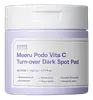
This brightening toner pad uses a pre-saturated pad with Niacinamide and 3-O-Ethyl Ascorbic Acid to fade the look of dark spots and refine skin texture.
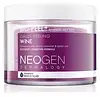
This smoothing exfoliator is formulated around Resveratrol and Glycolic Acid to refine skin texture and brighten dull-looking skin.

What's inside
What's inside
 Key Ingredients
Benefits
Concerns
Ingredients Side-by-side
Vitis Vinifera
MaskingWater
Skin ConditioningGlycerin
Humectant


Vitis Vinifera Fruit Extract
Skin ConditioningDipropylene Glycol
Humectant1,2-Hexanediol
Skin Conditioning
Niacinamide
Smoothing









Butylene Glycol
Humectant
Carbomer
Emulsion Stabilising3-O-Ethyl Ascorbic Acid
Skin Conditioning
PPG-13-Decyltetradeceth-24
EmulsifyingMelia Azadirachta Flower Extract
Skin ConditioningTromethamine
BufferingAdenosine
Skin Conditioning
Disodium EDTA
Coccinia Indica Fruit Extract
Skin Conditioning
Gluconolactone
Skin Conditioning
Allantoin
Skin Conditioning
Tranexamic Acid
Astringent
Prunus Armeniaca Fruit Extract
Skin ConditioningPyrus Malus Fruit Extract
Skin Conditioning
Carica Papaya Fruit Extract
Skin ConditioningFragaria Chiloensis Fruit Extract
Skin Conditioning
Vaccinium Angustifolium Fruit Extract
Skin Protecting
Sodium Hyaluronate
Humectant
Arctostaphylos Uva-Ursi Leaf Extract
Skin Conditioning
Citric Acid
Buffering

Rubus Idaeus Extract
Skin ProtectingLavandula Angustifolia Flower Extract
Cleansing

Resveratrol
Antioxidant
Borago Officinalis Extract
Emollient
Centaurea Cyanus Flower Extract
Astringent
Salvia Sclarea Extract
AntiseborrhoeicHyacinthus Orientalis Extract
Skin ConditioningChamomilla Recutita Flower Extract
Masking
Cynanchum Atratum Extract
Skin ConditioningMadecassoside
Antioxidant
Asiaticoside
Antioxidant
Ethylhexylglycerin
Skin ConditioningHyaluronic Acid
Humectant
Hydrolyzed Hyaluronic Acid
Humectant
Hydroxypropyltrimonium Hyaluronate
Hydrolyzed Sodium Hyaluronate
Skin Conditioning
Potassium Hyaluronate
Skin ConditioningPentylene Glycol
Skin Conditioning
Tocopherol
Antioxidant
Madecassic Acid
Skin Conditioning
Sodium Hyaluronate Crosspolymer
Humectant
Asiatic Acid
Skin Conditioning
Sodium Acetylated Hyaluronate
Humectant
Vitis Vinifera, Water, Glycerin, Vitis Vinifera Fruit Extract, Dipropylene Glycol, 1,2-Hexanediol, Niacinamide, Butylene Glycol, Carbomer, 3-O-Ethyl Ascorbic Acid, PPG-13-Decyltetradeceth-24, Melia Azadirachta Flower Extract, Tromethamine, Adenosine, Disodium EDTA, Coccinia Indica Fruit Extract, Gluconolactone, Allantoin, Tranexamic Acid, Prunus Armeniaca Fruit Extract, Pyrus Malus Fruit Extract, Carica Papaya Fruit Extract, Fragaria Chiloensis Fruit Extract, Vaccinium Angustifolium Fruit Extract, Sodium Hyaluronate, Arctostaphylos Uva-Ursi Leaf Extract, Citric Acid, Rubus Idaeus Extract, Lavandula Angustifolia Flower Extract, Resveratrol, Borago Officinalis Extract, Centaurea Cyanus Flower Extract, Salvia Sclarea Extract, Hyacinthus Orientalis Extract, Chamomilla Recutita Flower Extract, Cynanchum Atratum Extract, Madecassoside, Asiaticoside, Ethylhexylglycerin, Hyaluronic Acid, Hydrolyzed Hyaluronic Acid, Hydroxypropyltrimonium Hyaluronate, Hydrolyzed Sodium Hyaluronate, Potassium Hyaluronate, Pentylene Glycol, Tocopherol, Madecassic Acid, Sodium Hyaluronate Crosspolymer, Asiatic Acid, Sodium Acetylated Hyaluronate
Water
Skin ConditioningButylene Glycol
Humectant
Glycerin
Humectant
Alcohol Denat.
Antimicrobial


PEG/PPG-17/6 Copolymer
SolventWine Extract
Antioxidant
Sodium Hyaluronate
Humectant
Resveratrol
Antioxidant
Carbomer
Emulsion StabilisingVitis Vinifera Seed Extract
Antimicrobial
Rubus Fruticosus Fruit Extract
AstringentRubus Idaeus Fruit Extract
AstringentVaccinium Angustifolium Fruit Extract
Skin Protecting
Coptis Japonica Extract
AntimicrobialTartaric Acid
Buffering
Glycolic Acid
Buffering
Lactic Acid
Buffering
Tromethamine
BufferingCI 19140
Cosmetic ColorantCI 17200
Cosmetic ColorantCI 42090
Cosmetic ColorantBenzophenone-5
UV Absorber
Disodium EDTA
Phenoxyethanol
Preservative
Ethylhexylglycerin
Skin ConditioningPEG-60 Hydrogenated Castor Oil
Emulsifying

1,2-Hexanediol
Skin Conditioning
Parfum
Masking

Water, Butylene Glycol, Glycerin, Alcohol Denat., PEG/PPG-17/6 Copolymer, Wine Extract, Sodium Hyaluronate, Resveratrol, Carbomer, Vitis Vinifera Seed Extract, Rubus Fruticosus Fruit Extract, Rubus Idaeus Fruit Extract, Vaccinium Angustifolium Fruit Extract, Coptis Japonica Extract, Tartaric Acid, Glycolic Acid, Lactic Acid, Tromethamine, CI 19140, CI 17200, CI 42090, Benzophenone-5, Disodium EDTA, Phenoxyethanol, Ethylhexylglycerin, PEG-60 Hydrogenated Castor Oil, 1,2-Hexanediol, Parfum
Reviews
Ingredients Explained
These ingredients are found in both products.
Ingredients higher up in an ingredient list are typically present in a larger amount.
1,2-Hexanediol is a synthetic liquid and another multi-functional powerhouse.
It is a:
- Humectant, drawing moisture into the skin
- Emollient, helping to soften skin
- Solvent, dispersing and stabilizing formulas
- Preservative booster, enhancing the antimicrobial activity of other preservatives
Butylene Glycol (or BG) is used within cosmetic products for a few different reasons:
Overall, Butylene Glycol is a safe and well-rounded ingredient that works well with other ingredients.
Though this ingredient works well with most skin types, some people with sensitive skin may experience a reaction such as allergic rashes, closed comedones, or itchiness.
Learn more about Butylene GlycolCarbomer is a synthetic thickening and gelling agent. It's basically the ingredient that gives a lot of serums, gels, creams, and sunscreens their smooth, non-sticky texture.
Although legally permitted at very high levels, carbomers are normally used at concentrations below 1%.
It also needs to be neutralized to actually thicken, and because it is a large molecule, it doesn't really penetrate the skin barrier.
Allergy-wise, the risk is very low. Clinical studies show carbomers have low potential for skin irritation/sensitization even at concentrations up to 100%.
A 2024 UK study patch-tested 1,302 patients and found true allergy to the parent group of carbomer to be rare with no confirmed relevant reactions.
Learn more about CarbomerDisodium EDTA is a chelating agent. It grabs onto and deactivates metal ions that sneak into your products from water, packaging, or air.
This ingredient mainly works behind the scenes and helps with:
On top of that, this ingredient can counteract the effects of hard water by binding to the minerals in it.
One thing worth knowing is that Disodium EDTA has been shown to be a mild penetration enhancer. It can help other ingredients absorb into skin more effectively which can be a double-edged sword (great for actives, but can also make the active too strong if you have sensitive skin).
Clinical patch testing showed no significant skin irritation at typical use concentrations and minimal dermal absorption.
You'll most likely see this ingredient near the end of an ingredient list. It's typically found in concentrations less than 1%.
Learn more about Disodium EDTAEthylhexylglycerin is created from glycerin. It is a multitasker ingredient that:
The CIR Expert Panel found minimal skin absorption or sensitization of any kind in a safety assessment. Though this ingredient is considered well-tolerated, a small number of cases of allergic dermatitis have been published since 2002. Just be sure to patch test if you are unsure.
Industry-reported use ranges from 8% in rinse-off products and 2% in leave-on formulations.
Learn more about EthylhexylglycerinGlycerin (or glycerol) is a compound naturally found in your skin. It's a powerhouse humectant that pulls water into the stratum corneum.
Topically, glycerin does several things at once:
Your skin makes glycerin on its own (mostly from sebaceous oil breakdown) and shuttles it to your outermost layer of skin, or your epidermis, via aquaporin-3.
Aquaporin-3 is a transporter that is essential for normal skin hydration, elasticity, and repair. Interestingly, mice lacking in AQP3 have dry and less elastic skin that can be fully corrected with glycerin.
This ingredient is non-irritating, plays well with almost every ingredient, and works across all skin types. Typical use is anywhere between 3-10% but can go up to 79% in some leave-on products.
Just know very high concentrations (>40%) can feel tacky in low humidity.
Glycerin is the name for this ingredient in American English. British English uses Glycerol/Glycerine.
Learn more about GlycerinResveratrol is a well-studied polyphenol antioxidant that has gained attention in skincare for its protective and calming effects on the skin. It’s often considered a gentler option for people who can’t tolerate retinoids.
This antioxidant is best known for its anti-aging benefits. Research suggests resveratrol helps combat visible signs of aging by:
Beyond anti-aging, resveratrol is also valued for its skin-brightening and soothing properties.
Some forms of resveratrol appear to be more effective than others. Resveratrol isobutyrate and resveratrol butyrate are often cited as more stable derivatives.
Research also suggests these two forms have stronger effects on Type I collagen stimulation and inflammation reduction compared to basic resveratrol.
Resveratrol is naturally unstable and can degrade when exposed to light and oxygen. Well-designed products often use stabilized derivatives, airless or opaque packaging, and supporting antioxidants to help maintain effectiveness on skin.
A note on resveratrol as a retinoid alternative:
While resveratrol offers antioxidant protection, inflammation control, and some collagen-supporting benefits, it does not replace retinoids in terms of cell turnover or acne treatment.
However, it can be a useful option for people with retinoid sensitivity or intolerance, or for those looking to support skin health without irritation.
Fun fact: Resveratrol is naturally found in grapes, peanuts, and berries, which is why it’s frequently associated with wine and grape-derived skincare ingredients.
Learn more about ResveratrolSodium Hyaluronate is the salt form of hyaluronic acid. It is a long sugar chain that is naturally found in your skin, joints, and connective tissue that maintains hydration and elasticity.
In skincare, it works as a humectant. It pulls water from the environment and deeper layers of skin and binds it to the surface.
Interestingly, the size of the molecule affects its behavior:
Some clinical evidence links low molecular weight versions to improved wrinkle depth, elasticity, anti-inflammatory effects, and barrier repair.
Many serums use a blend of both weights so you can get surface hydration plus longer-lasting and deeper effects.
You'll typically see concentrations between 0.1-2% for this ingredient.
Learn more about Sodium HyaluronateTromethamine (aka THAM) is a synthetic amino acid that shows up in skincare as a helper ingredient.
It functions as a pH adjuster to help neutralize acidic ingredients and set a formula's pH to the right spot.
This matters a lot because a lot of actives (like vitamin C) needs a specific pH to work well and feel comfortable on skin.
Concentration use ranges from 0.1-1.0% depending on the formula.
Learn more about TromethamineThis extract comes from the blueberry native to North America. It has great antioxidant and skin soothing properties.
The antioxidant properties from blueberries come from its polyphenolic and vitamin C content. Polyphenols are a compound famous for their antioxidant properties and are commonly found in fruits.
A 2023 study found blueberries to protect skin from UV-B related inflammation. However, this ingredient should not replace your sunscreen.
Learn more about Vaccinium Angustifolium Fruit ExtractWater. It's the most common cosmetic ingredient of all. You'll usually see it at the top of ingredient lists, meaning that it makes up the largest part of the product.
So why is it so popular? Water most often acts as a solvent - this means that it helps dissolve other ingredients into the formulation.
You'll also recognize water as that liquid we all need to stay alive. If you see this, drink a glass of water. Remember to stay hydrated!
Learn more about Water

