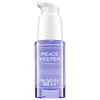
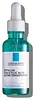
Sunday Riley Peacekeeper Acne Treatment Serum Versus La Roche-Posay Effaclar Salicylic Acid Acne Treatment Serum
This acne serum is formulated around Salicylic Acid and Azelaic Acid to clear breakouts and calm redness.
This acne treatment is formulated around Glycolic Acid and Niacinamide to clear breakouts and refine skin texture.


What's inside
What's inside
 Key Ingredients
Benefits
Concerns
Ingredients Side-by-side
Salicylic Acid 2%
Masking










Water
Skin ConditioningAloe Barbadensis Leaf Juice
Skin Conditioning


Octyldodecanol
Emollient
Azelaic Acid
Buffering


Algin
MaskingDimethyl Isosorbide
SolventNeopentyl Glycol Diethylhexanoate
Emollient
Glycerin
Humectant
Propanediol
Solvent
Disteardimonium Hectorite
StabilisingAzelamidopropyl Dimethyl Amine
AntimicrobialSodium Polyacryloyldimethyl Taurate
Emulsion StabilisingSodium PCA
Humectant
Potassium Azeloyl Diglycinate
Skin Conditioning
Beta-Glucan
Skin Conditioning
Carrageenan


Leptospermum Scoparium Branch/Leaf Oil
Tonic
Magnolia Officinalis Bark Extract
Antimicrobial
Piper Nigrum Seed Extract
RefreshingSodium Hyaluronate Crosspolymer
Humectant
Potassium Hydroxide
BufferingPhenoxyethanol
Preservative
Propylene Carbonate
SolventKaolin
Abrasive
Hydroxyethyl Acrylate/Sodium Acryloyldimethyl Taurate Copolymer
Emulsion StabilisingButylene Glycol
Humectant
Erythritol
Humectant
Potassium Lactate
BufferingCaprylyl Glycol
Emollient
Chlorphenesin
Antimicrobial
Ethylhexylglycerin
Skin ConditioningXanthan Gum
EmulsifyingSodium Phytate
ChelatingCitric Acid
Buffering
Benzoic Acid
Masking
Sodium Hydroxide
BufferingSorbic Acid
Preservative
Polysorbate 60
Emulsifying
Sorbitan Isostearate
Emulsifying
Pentylene Glycol
Skin Conditioning
1,2-Hexanediol
Skin Conditioning
Sodium Benzoate
Masking
Salicylic Acid 2%, Water, Aloe Barbadensis Leaf Juice, Octyldodecanol, Azelaic Acid, Algin, Dimethyl Isosorbide, Neopentyl Glycol Diethylhexanoate, Glycerin, Propanediol, Disteardimonium Hectorite, Azelamidopropyl Dimethyl Amine, Sodium Polyacryloyldimethyl Taurate, Sodium PCA, Potassium Azeloyl Diglycinate, Beta-Glucan, Carrageenan, Leptospermum Scoparium Branch/Leaf Oil, Magnolia Officinalis Bark Extract, Piper Nigrum Seed Extract, Sodium Hyaluronate Crosspolymer, Potassium Hydroxide, Phenoxyethanol, Propylene Carbonate, Kaolin, Hydroxyethyl Acrylate/Sodium Acryloyldimethyl Taurate Copolymer, Butylene Glycol, Erythritol, Potassium Lactate, Caprylyl Glycol, Chlorphenesin, Ethylhexylglycerin, Xanthan Gum, Sodium Phytate, Citric Acid, Benzoic Acid, Sodium Hydroxide, Sorbic Acid, Polysorbate 60, Sorbitan Isostearate, Pentylene Glycol, 1,2-Hexanediol, Sodium Benzoate
Water
Skin ConditioningAlcohol Denat.
Antimicrobial
Propanediol
Solvent
Glycolic Acid
Buffering
Niacinamide
Smoothing
Dimethyl Isosorbide
SolventPentylene Glycol
Skin Conditioning
Sodium Hydroxide
BufferingPPG-26-Buteth-26
Skin ConditioningHydroxyethylpiperazine Ethane Sulfonic Acid
BufferingCitric Acid
Buffering
PEG-30 Glyceryl Cocoate
Emulsifying
PEG-40 Hydrogenated Castor Oil
Emulsifying
PEG-60 Hydrogenated Castor Oil
Emulsifying
Capryloyl Salicylic Acid
Exfoliating
Biosaccharide Gum-1
Humectant
Maltodextrin
Absorbent
Phytic Acid
Chelating
Polyquaternium-10
Parfum
Masking

Water, Alcohol Denat., Propanediol, Glycolic Acid, Niacinamide, Dimethyl Isosorbide, Pentylene Glycol, Sodium Hydroxide, PPG-26-Buteth-26, Hydroxyethylpiperazine Ethane Sulfonic Acid, Citric Acid, PEG-30 Glyceryl Cocoate, PEG-40 Hydrogenated Castor Oil, PEG-60 Hydrogenated Castor Oil, Capryloyl Salicylic Acid, Biosaccharide Gum-1, Maltodextrin, Phytic Acid, Polyquaternium-10, Parfum
Reviews
Ingredients Explained
These ingredients are found in both products.
Ingredients higher up in an ingredient list are typically present in a larger amount.
Citric Acid is an alpha hydroxy acid (AHA) naturally found in citrus fruits like oranges, lemons, and limes.
Like other AHAs, citric acid can exfoliate skin by breaking down the bonds that hold dead skin cells together. This helps reveal smoother and brighter skin underneath.
However, this exfoliating effect only happens at high concentrations (20%) which can be hard to find in cosmetic products.
Due to this, citric acid is usually included in small amounts as a pH adjuster. This helps keep products slightly more acidic and compatible with skin's natural pH.
In skincare formulas, citric acid can:
While it can provide some skin benefits, research shows lactic acid and glycolic acid are generally more effective and less irritating exfoliants.
Most citric acid used in skincare today is made by fermenting sugars (usually from molasses). This synthetic version is identical to the natural citrus form but easier to stabilize and use in formulations.
Rosacea skin has a lower threshold for acids generally, with 62.5% of rosacea subjects in one study reacting to lactic acid in a sting test. This is why we mark citric acid as a potential rosacea trigger.
However, this ingredient shows up as a pH adjuster or chelator at roughly 0.1-1% in many products. These low levels are unlikely to be an issue for rosacea skin and becomes a potential trigger at exfoliating concentrations (20%). Because everybody's skin is unique, we recommend a patch test if you are unsure.
Learn more about Citric AcidDimethyl Isosorbide (often shortened to DMI) is a sugar-derived solvent made from sorbitol. It's used to dissolve tricky ingredients and help them mix smoothly into a formula.
Many actives sit as gritty crystals when undissolved, so DMI swoops in to full dissolve them. This helps improve texture, stability, and how evenly an active is distributed.
It does have a penetration-enhancing reputation that is a bit more nuanced than marketing suggests; a cell study on human skin found that 10% DMI didn't significantly boost the permeation of Hydroquinone, Salicylic Acid, or Octadecenedioic Acid compared to controls (though it did improve their solubility in the formula itself).
Typical usage concentrations usually range from 1-10% depending on the formula's needs; this ingredient is also well tolerated at these levels.
Learn more about Dimethyl IsosorbidePentylene Glycol (1,2-pentanediol) is a multitasking little diol with three main roles in a formula:
Research on alkanediols (the family pentylene glycol belongs to) show they work by disrupting microbial cell membranes. This disruption helps the primary preservative system in a product work more effectively at lower doses.
On the safety side, the Cosmetic Ingredient Review Expert Panel has concluded this ingredient to be safe as used in current cosmetic practices + concentrations.
Typical use levels in a formula run about 1-5%.
Learn more about Pentylene GlycolPropanediol is an all-star ingredient. It softens, hydrates, and smooths the skin.
It’s often used to:
Propanediol is not likely to cause sensitivity and considered safe to use. It is derived from corn or petroleum with a clear color and no scent.
Learn more about PropanediolSodium Hydroxide is also known as lye or caustic soda. It is used to adjust the pH of products; many ingredients require a specific pH to be effective.
In small amounts, sodium hydroxide is considered safe to use. However, large amounts may cause chemical burns due to its high alkaline.
Your skin has a natural pH and acid mantle. This acid mantle helps prevent harmful bacteria from breaking through. The acid mantle also helps keep your skin hydrated.
"Alkaline" refers to a high pH level. A low pH level would be considered acidic.
Learn more about Sodium HydroxideWater. It's the most common cosmetic ingredient of all. You'll usually see it at the top of ingredient lists, meaning that it makes up the largest part of the product.
So why is it so popular? Water most often acts as a solvent - this means that it helps dissolve other ingredients into the formulation.
You'll also recognize water as that liquid we all need to stay alive. If you see this, drink a glass of water. Remember to stay hydrated!
Learn more about Water

