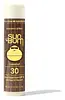
This calming lip moisturizer is formulated around Aloe Barbadensis Leaf Extract and Argania Spinosa Kernel Oil to calm redness and hydrate lips.
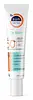
This barrier-repair lip moisturizer is formulated around Tocopherol to strengthen the lip barrier and hydrate lips.


What's inside
What's inside
 Key Ingredients
Benefits
Concerns
Ingredients Side-by-side
Butyl Methoxydibenzoylmethane 3%
UV Absorber
Homosalate 10%
Skin Conditioning
Ethylhexyl Salicylate 5%
UV Absorber
Octocrylene 8%
UV Absorber

Aloe Barbadensis Leaf Extract
Emollient


Argania Spinosa Kernel Oil
Emollient





Bisabolol
Antioxidant

Camellia Sinensis Leaf Extract
Antimicrobial


Caprylic/Capric Triglyceride
Masking
Calendula Officinalis Flower Extract
Masking
Cetyl Alcohol
Emollient
Citrus Grandis Fruit Extract
Astringent
Citrus Limon Peel Extract
EmollientCucumis Sativus Fruit Extract
Emollient
Diisobutyl Adipate
EmollientEquisetum Arvense Extract
AstringentEthylhexyl Palmitate
Emollient

Parfum
Masking
Ginkgo Biloba Leaf Extract
Skin Conditioning
Hydrogenated Ethylhexyl Olivate
EmollientHydrogenated Olive Oil Unsaponifiables
Emollient
Isostearyl Linoleate
EmollientMacrocystis Pyrifera Extract
Skin Conditioning
Paraffinum Liquidum
Emollient
Ozokerite
Emulsion StabilisingPanax Ginseng Root Extract
Emollient
PEG-8
HumectantPolysorbate 80
Emulsifying
Propylene Glycol
Humectant
Punica Granatum Extract
AstringentRosmarinus Officinalis Extract
AntimicrobialSaccharin
MaskingSalix Alba Bark Extract
Astringent
Salvia Officinalis Extract
Antimicrobial
Silica
Abrasive
Theobroma Cacao Seed Butter
Emollient
Tocopheryl Acetate
Antioxidant
Tocopheryl Linoleate/Oleate
Antioxidant
Water
Skin ConditioningButyl Methoxydibenzoylmethane 3%, Homosalate 10%, Ethylhexyl Salicylate 5%, Octocrylene 8%, Aloe Barbadensis Leaf Extract, Argania Spinosa Kernel Oil, Bisabolol, Camellia Sinensis Leaf Extract, Caprylic/Capric Triglyceride, Calendula Officinalis Flower Extract, Cetyl Alcohol, Citrus Grandis Fruit Extract, Citrus Limon Peel Extract, Cucumis Sativus Fruit Extract, Diisobutyl Adipate, Equisetum Arvense Extract, Ethylhexyl Palmitate, Parfum, Ginkgo Biloba Leaf Extract, Hydrogenated Ethylhexyl Olivate, Hydrogenated Olive Oil Unsaponifiables, Isostearyl Linoleate, Macrocystis Pyrifera Extract, Paraffinum Liquidum, Ozokerite, Panax Ginseng Root Extract, PEG-8, Polysorbate 80, Propylene Glycol, Punica Granatum Extract, Rosmarinus Officinalis Extract, Saccharin, Salix Alba Bark Extract, Salvia Officinalis Extract, Silica, Theobroma Cacao Seed Butter, Tocopheryl Acetate, Tocopheryl Linoleate/Oleate, Water
Bis-Ethylhexyloxyphenol Methoxyphenyl Triazine 1%
UV Absorber
Butyl Methoxydibenzoylmethane 2.5%
UV Absorber
Ethylhexyl Methoxycinnamate 3%
UV Absorber
Benzophenone-3 1%
UV Absorber
Diethylamino Hydroxybenzoyl Hexyl Benzoate
UV Filter
Titanium Dioxide 0.75%
Cosmetic Colorant
Cetearyl Alcohol
Emollient
Silica
Abrasive
Dimethicone
Emollient
Paraffinum Liquidum
Emollient
Caprylic/Capric Triglyceride
Masking
Tocopherol
Antioxidant
Polyethylene
Abrasive
Theobroma Cacao Seed Extract
Antioxidant
Paraffin
Skin Conditioning
Bis-Ethylhexyloxyphenol Methoxyphenyl Triazine 1%, Butyl Methoxydibenzoylmethane 2.5%, Ethylhexyl Methoxycinnamate 3%, Benzophenone-3 1%, Diethylamino Hydroxybenzoyl Hexyl Benzoate, Titanium Dioxide 0.75%, Cetearyl Alcohol, Silica, Dimethicone, Paraffinum Liquidum, Caprylic/Capric Triglyceride, Tocopherol, Polyethylene, Theobroma Cacao Seed Extract, Paraffin
Reviews
Ingredients Explained
These ingredients are found in both products.
Ingredients higher up in an ingredient list are typically present in a larger amount.
Also known as Avobenzone, this ingredient is an oil-soluble used to absorb the full spectrum of UVA rays (peak 357 nm).
It's one of the most effective UVA filters available but has a major caveat of photostability: avobenzone is susceptible to photodegradation.
This means it can lose efficacy when exposed to sunlight without the help of a stabilizing agent.
Studies show antioxidants (like vitamin E or vitamin C) and some UV filters (like octocrylene and Tinosorb S) can meaningfully improve its stability in a formulation.
The maximum allowable concentration according to regulation is 3% in the US + Canada, and 5% in the EU, Australia, China, Korea, and ASEAN countries.
It has a well-support safety profile: a comprehensive 2025 review found minimal toxicity with no evidence of carcinogenicity.
Overall, avobenzone is a safe and regulated ingredient used in sunscreen for over 40 years.
Learn more about Butyl MethoxydibenzoylmethaneCaprylic/Capric Triglyceride (aka MCT Oil) is a lightweight emollient, solvent, and texture enhancer. It is considered a skin-softener by helping to prevent moisture loss.
Though it behaves like an oil, it is not technically one due to its chemical composition. One perk of this ingredient is that it is very stable, resistant to oxidation, and unlikely to go rancid.
In practice, that translates to a long shelf life and a consistently elegant skin feel.
While there is an assumption Caprylic Triglyceride can clog pores due to it being derived from coconut oil, there is no research supporting this. Just patch test if you have concerns.
Fractionated coconut oil and MCT Oil are both listed as Caprylic/Capric Triglyceride according to INCI. This is because INCI names are based on the ingredient’s final chemical composition and not its marketing name or source.
This ingredient is treated as the gold standard fungal acne safe oil. Even though it is coconut derived, the problematic lauric acid is stripped out.
This leaves just caprylic (C8) and capric (C10) acid. These chain lengths actually trend antifungal; a 2020 study found caprylic acid was enough to disrupt Malassezia furfur cell membrane, with a caprylic acid derivative damaging membrane structures at concentrations as low as 0.2%.
Learn more about Caprylic/Capric TriglycerideParaffinum Liquidum is a highly-refined cosmetic-grade mineral oil. It is also known as liquid paraffin.
Despite its controversial reputation, the science is pretty clear: it's one of the most well-studied and effective moisturizing ingredients out there.
As an occlusive, it forms a protective layer on the skin that locks in moisture and prevents transepidermal water loss (TEWL). This makes it especially great for compromised skin barriers.
The "it clogs your pores" myth has been around for decades; a study found that industrial-grade mineral oil may be comedogenic but cosmetic-grade mineral oil is not (these two are very, very different).
A 2017 review concluded that cosmetic use of mineral oils and waxes does not present a risk to consumers due to absorption.
Mineral oil got a bad rap from the old rabbit ear studies. When tested on actual human skin, cosmetic-grade mineral oil showed no comedogenic activity. The rating of 0 is a correction of outdated science.
Mineral oil is an inert substance with no fatty acids so there's nothing to feed Malassezia. This ingredient is fungal acne safe.
Learn more about Paraffinum LiquidumSilica, also known as silicon dioxide, is a naturally occurring mineral. It is used as a fine, spherical, and porous powder in cosmetics.
Though it has exfoliant properties, the function of silica varies depending on the product.
The unique structure of silica enhances the spreadability and adds smoothness, making it a great texture enhancer.
It is also used as an active carrier, emulsifier, and mattifier due to its ability to absorb excess oil.
In some products, tiny microneedles called spicules are made from silica or hydrolyzed sponge. When you rub them in, they lightly polish away dead skin layers and enhance the penetration of active ingredients.
Learn more about Silica

